

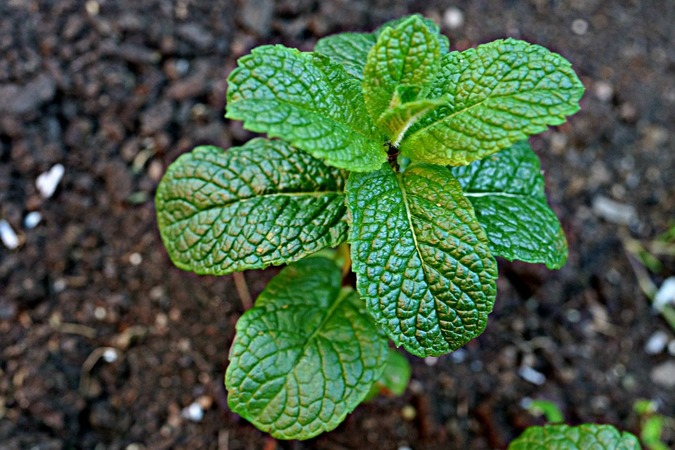
Mentha spicata, spearmint, 綠薄荷, Menta verde, Menthe verte, Grüne Minze, Groene munt, Hortelã-verde, кудрявая мята, Δυόσμος, 留兰香, fodormenta, 스피아민트, de aarmunt, mynte, grönmynta, نعناع
Mentha spicata, commonly known as spearmint, graces the Lamiaceae family with its perennial presence, originating from Europe, Asia, and North Africa, particularly in regions such as Morocco. With a rich historical background deeply rooted in both culinary and medicinal traditions, spearmint stands out as a cherished herb.
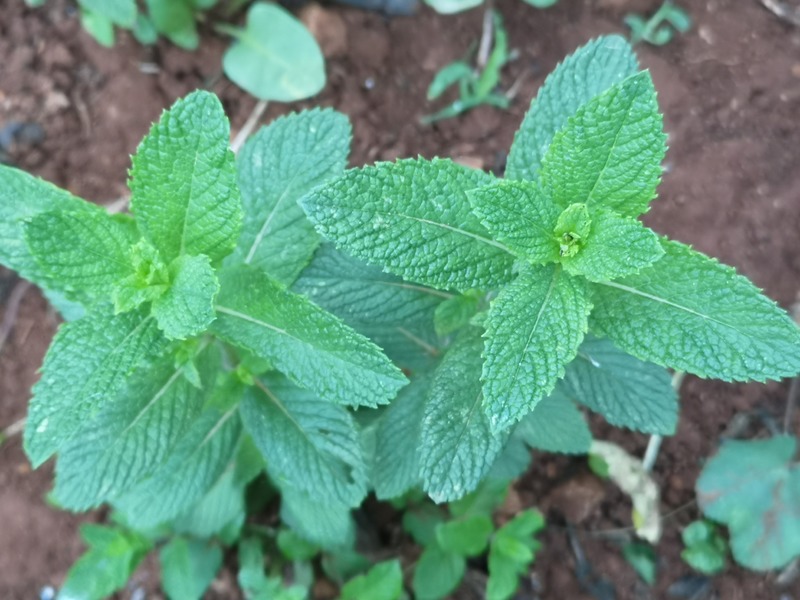
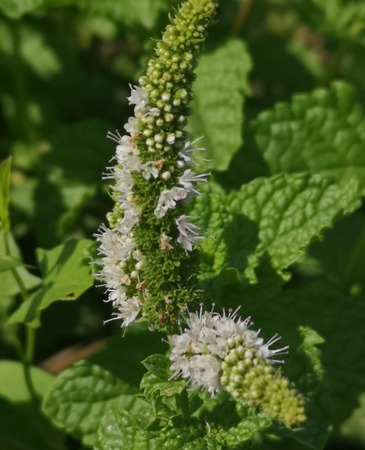
From a botanical perspective, spearmint distinguishes itself through its square stems, lance-shaped leaves, and fragrant flowers that manifest in hues of purple or white. The leaves contain essential oils, prominently carvone and limonene, which not only contribute to the distinct aroma and flavor of the plant but also bestow therapeutic properties upon it.
Getting to Know Spearmint: A Quick Overview
Supporting Digestion: Menthol and carvone in spearmint collaborate to foster healthy digestion, providing relief from issues like indigestion, bloating, and stomach cramps.
Respiratory Health: Spearmint’s soothing aroma, enriched with menthol, acts as a powerful decongestant, addressing concerns like congestion and cough for enhanced respiratory well-being.
Oral Care Excellence: Spearmint actively combats plaque formation and promotes overall dental vitality with its refreshing flavor and antimicrobial properties, going beyond breath freshening.
Stress Reduction through Aromatherapy: Experience the stress-relieving properties of spearmint, whether through a calming cup of tea or the soothing embrace of its essential oil in aromatherapy, fostering a profound sense of well-being.
Phytochemicals in Mentha spicata
Carvone’s Culinary and Beyond: Spearmint’s distinctive aroma and flavor primarily stem from carvone, a prominent terpene with versatile applications in food, beverages, oral care products, and natural insect repellents.
Beyond Carvone: In addition to carvone, spearmint houses menthol, contributing to its refreshing nature, and limonene, known for its citrusy scent. These terpenes, along with cineole, enhance the plant’s therapeutic properties and aromatic profile.
Exploring the Comprehensive Mix: The chemical intricacies of Mentha spicata extend beyond the mentioned terpenes to include flavonoids, such as quercetin, and phenolic acids like rosmarinic acid. This diverse mixture contributes to the plant’s multifaceted sensory appeal and potential applications.
Versatility Across Industries: Mentha spicata’s rich chemical composition, spanning terpenes, flavonoids, and phenolic acids, positions it as a versatile botanical. Its applications range across various industries, showcasing its significance in culinary arts, personal care, and beyond.
Spearmint’s Health Benefits
1. Digestive Health and Irritable Bowel Syndrome (IBS)
In a randomized, double-blind, placebo-controlled study published in the Journal of Alternative and Complementary Medicine, researchers investigated the effects of spearmint oil capsules on symptoms of Irritable Bowel Syndrome (IBS). Notably, spearmint oil, primarily composed of (-)-carvone according to the Journal of Agricultural and Food Chemistry, significantly reduced abdominal pain, bloating, and flatulence compared to the placebo group. Furthermore, it positively impacted the overall quality of life for individuals with IBS.
2. Antioxidant and Anti-inflammatory Properties
Research investigated the antioxidant and anti-inflammatory potential of spearmint extract, uncovering its significant impact. The findings demonstrated that spearmint extract exerts robust antioxidant effects while notably reducing the generation of inflammatory markers like interleukin-6 (IL-6) and tumor necrosis factor-alpha (TNF-α) within cells. Multiple studies published in esteemed journals including Food Chemistry and the Journal of Agricultural and Food Chemistry have emphasized the role of key bioactive compounds such as rosmarinic acid, luteolin, and apigenin in conferring spearmint with its potent antioxidant and anti-inflammatory properties.
3. Oral Health and Antibacterial Effects
A study illustrated the antibacterial effects of spearmint essential oil against oral pathogens, including Streptococcus mutans and Porphyromonas gingivalis. This suggests the potential use of spearmint oil as a natural alternative for oral care. Studies identified carvone, limonene, and menthol as the primary antimicrobial components of spearmint essential oil.
4. Hormonal Balance and Polycystic Ovary Syndrome (PCOS)
Numerous studies on the effects of spearmint have suggested its potential benefits in various areas of health. For instance, research conducted on women with PCOS revealed that consuming spearmint tea led to a significant reduction in free testosterone levels while increasing levels of luteinizing hormone (LH) and follicle-stimulating hormone (FSH). These findings indicate a potential hormonal balancing effect, hinting at spearmint tea’s promising role as a natural remedy for PCOS-related symptoms.
5. Hirsutism Management with Spearmint Tea
Research suggests that integrating spearmint tea into one’s routine may lower androgen levels in women with hirsutism. Hirsutism, characterized by the excessive growth of facial, breast, and abdominal hair in women, is linked to elevated “male” androgen hormones, causing distress. These findings propose spearmint tea as a potential natural approach to alleviate symptoms associated with increased androgen levels.
6. Cognitive Benefits of Spearmint Extracts
Recent research highlights potential cognitive benefits from consuming spearmint and rosemary extracts. The antioxidants within these extracts are thought to enhance memory, providing a promising avenue for cognitive improvement. The idea of combining these antioxidants to create an enriched extract introduces innovative possibilities for advancing learning and memory functions, offering a potential solution for age-related cognitive decline. This approach signifies a noteworthy trajectory for ongoing exploration in the realm of cognitive health.
7. Nutritional Elements in Spearmint
Vitamins: Spearmint presents a diverse array of essential vitamins, including folates, niacin, pyridoxine, riboflavin, thiamin, vitamin A, and vitamin C, each contributing distinct health benefits.
Electrolytes: In terms of electrolytes, spearmint contains varying concentrations of sodium and potassium, crucial for maintaining fluid balance and supporting proper nerve function.
Minerals: The mineral composition of spearmint encompasses calcium, copper, iron, magnesium, manganese, and unspecified zinc. Each mineral plays a pivotal role in various physiological processes, contributing to overall well-being.
Spearmint’s Culinary Delights from Around the World
Tabbouleh: A popular Middle Eastern salad that combines fresh spearmint with parsley, tomatoes, onions, and bulgur wheat.
Mint Chutney: A versatile Indian condiment featuring spearmint, blended with coriander, green chilies, and other spices, often served with snacks or main dishes.
Mojito: The classic Cuban cocktail that incorporates spearmint leaves, lime, sugar, and rum for a refreshing and iconic drink.
Greek Lamb Souvlaki: Grilled skewers of marinated lamb, often accompanied by a yogurt-based sauce with spearmint, garlic, and cucumber.
Moroccan Mint Tea: A traditional North African beverage where spearmint leaves are steeped with green tea, sugar, and hot water, creating a fragrant and sweetened tea.
Vietnamese Fresh Spring Rolls: A light and healthy dish featuring rice paper rolls filled with vermicelli, shrimp, herbs, and spearmint leaves, often served with a dipping sauce.
Watermelon Salad: A refreshing summer salad that combines watermelon chunks with feta cheese, red onion, and a sprinkling of fresh spearmint.
Pea and Mint Risotto: A creamy Italian risotto infused with the bright and aromatic flavors of fresh spearmint, complementing the sweetness of peas.
Middle Eastern Lamb Kebabs: Grilled lamb skewers seasoned with a flavorful blend of spices, including spearmint, served with flatbread and yogurt sauce.
Mint Chocolate Chip Ice Cream: originating from England, is a timeless delight where chocolate chips and fresh spearmint leaves are expertly blended into a luxurious, creamy ice cream base.
The Iconic Beverage Of Morocco
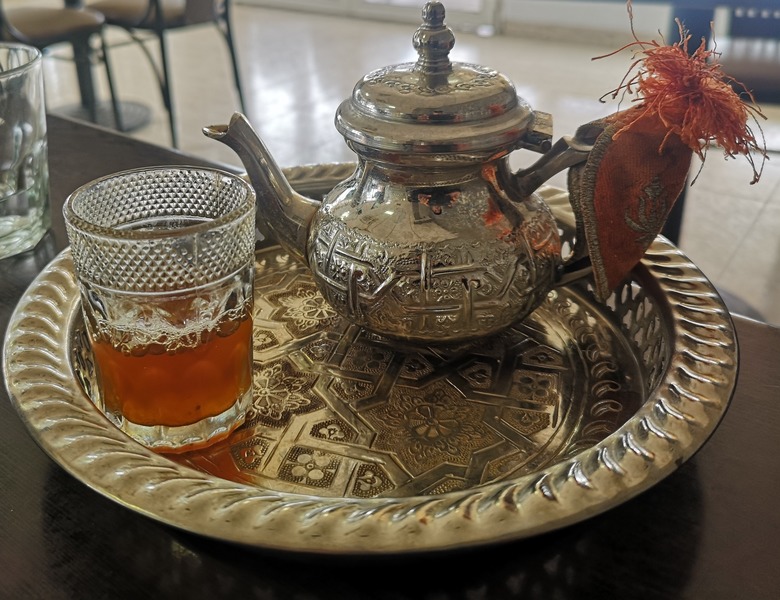
Spearmint is at the heart of Moroccan mint tea, a beloved tradition celebrated for its cultural significance and health benefits. This iconic beverage blends gunpowder green tea with fresh spearmint leaves, enjoyed throughout the day. Morocco’s extensive use of spearmint has elevated the tea to global acclaim, offering not just rich flavor but also digestive support, relaxation, and antimicrobial properties. It embodies centuries of tradition, blending cultural heritage with well-being.
The Art of Tea-Making
In the traditional Moroccan tea-making ritual,a teapot symbolizes culture and connection. As boiling water meets delicate green tea leaves, aromas promise a sensory journey. While green tea dominates, black tea also adds allure. A sprinkle of sugar initiates transformation, but it’s the infusion of mint leaves that elevates this elixir to an art form. Steeping gently for one minute, each sip becomes a symphony of flavors and traditions.
Exploring Flavor Combinations
Spearmint’s versatility shines in Moroccan tea, effortlessly blending with various flavors like wormwood, pennyroyal, peppermint, and lemon catnip. Its compatibility with damask rose leaves adds a unique dimension, while bitter orange buds bring seasonal delight. Each infusion transforms every sip into a journey of discovery and delight, enhancing the cultural experience of Moroccan tea-making.
Precautions and Side Effects of Spearmint Use
Precautions:
- Pregnancy and Breastfeeding: Avoid consuming large amounts of spearmint during pregnancy, as it may pose a risk of uterine damage. Stick to regular food amounts while breastfeeding due to uncertain safety in larger quantities.
- Kidney Disorders: Exercise caution if you have kidney disorders, as excessive spearmint tea consumption may escalate existing kidney damage.
- Liver Disease: Individuals with liver disease should be cautious, as spearmint tea might worsen liver damage.
Side Effects:
- Skin Application and Essential Oil: When applying spearmint essential oil to the skin, always dilute it before use and avoid applying to sensitive areas. Be aware of potential rare allergic reactions, especially in individuals with sensitive skin. Essential oils are highly concentrated and can cause irritation or burns if applied directly..
- Sedative Properties: Spearmint’s sedative effects can lead to sleepiness and slowed breathing. When combined with certain medications, such as sedatives, it may result in breathing problems and excessive drowsiness.
- Liver Concerns: Consider potential liver harm, especially when combining spearmint with hepatotoxic drugs or supplements known to impact the liver. Careful consideration of these aspects is crucial for the safe use of spearmint.