



Calcium, an indispensable mineral, plays a crucial role in the development and upkeep of robust bones while overseeing various vital physiological functions. As the most abundant mineral in the body, nearly all calcium is concentrated within bones and teeth, imparting them with structural integrity and hardness. Beyond its skeletal role, calcium is essential for facilitating muscle movement, enabling nerve transmission, and supporting the circulation of blood through blood vessels. Furthermore, calcium contributes to the release of hormones influencing diverse bodily functions.
Health Benefits of Calcium
Bioavailability of Calcium
Calcium, crucial for bone health, varies in absorption—known as “calcium bioavailability.” While food labels reflect calcium content, they don’t indicate absorption rates. Dairy offers 30% absorption, while leafy greens like Chinese white cabbage (also known as Pak choi) rival with nearly matching milk’s absorption. However, some plants, such as spinach, contain oxalates, hindering absorption. Balancing foods that enhance absorption is vital, alongside meeting recommended daily allowances for age and gender. It’s crucial to understand these factors to optimize calcium intake and support overall bone health.
Bone Health and Osteoporosis Prevention
Calcium plays a vital role in maintaining normal muscle, nerve, and cellular functions, serving as a cornerstone for robust bone formation and acting as the primary repository within bones. The body obtains calcium through dietary sources, emphasizing the significance of adequate intake from food rather than relying on supplements. Insufficient calcium intake may lead to bone weakening. Peak bone density occurs between ages 25 and 35, diminishing thereafter with age, underscoring the pivotal importance of vigilant bone health practices during adulthood, with a primary focus on dietary sources for calcium.
Calcium and Vitamin D Synergy
Vitamin D acts as a critical regulator in the body, overseeing the balance of calcium and bone health. Its primary role is to efficiently manage the absorption of calcium in the intestines—a vital process ensuring optimal bone mineralization during growth, safeguarding bone health in adulthood, and preventing osteoporosis. While the digestive system typically absorbs only 15-20% of dietary calcium, vitamin D enhances this absorption. This regulation occurs through a mechanism where vitamin D activates specific genes upon binding to the intestinal vitamin D receptor. Depending on dietary calcium levels, absorption takes place through pathways tailored to maintain a dynamic equilibrium
Healthy Teeth and Preventing Cavities
The adage “A smile is worth a thousand words” resonates with calcium’s pivotal role in fostering optimal dental health. Calcium actively contributes to tooth formation and mineralization, fortifying enamel and preventing the onset of cavities. Insufficient calcium intake can lead to weaker, less-dense teeth, contributing to conditions such as tooth decay and loss. Osteoporosis, linked to inadequate calcium, phosphorus, and vitamin D, can result in fewer teeth, particularly in females. The weakened jawbone may inadequately support teeth, increasing the risk of tooth loss.
Supporting Overall Heart Health
Calcium is pivotal in regulating cardiac excitation-contraction coupling, governing the rhythmic contractile activity of the heart. Intracellular calcium levels dynamically fluctuate during myocardial contraction and relaxation cycles, reflecting the intricate interplay of calcium release and uptake from internal cellular stores. Alterations in these calcium dynamics, induced by pharmacological agents or pathological conditions, hold significant implications for cardiac responsiveness.
Effects of Calcium on Blood Pressure
Calcium regulates blood pressure by influencing smooth muscle cell contractility and reducing peripheral vascular resistance. It inhibits renin secretion, contributing to its blood pressure modulating effects. Increased calcium intake has been linked to a slight reduction in both systolic and diastolic blood pressure, particularly in normotensive individuals, suggesting a potential role in hypertension prevention.
Calcium and Muscle Contraction
Calcium is a key player in muscle contraction, facilitating interaction with regulatory proteins. When calcium is present, it overrides the inhibitory action of these proteins, enabling the essential interaction between actin and myosin for muscle contraction. This regulatory role of calcium is evident in both actin-linked and myosin-linked systems.
Calcium’s Impact on Nerve Transmission
Calcium assumes a central role as a versatile regulator in neuronal processes, facilitating the transmission of electrical signals along axons and coordinating the precise release of neurotransmitters from synaptic terminals. In its capacity as a ubiquitous second messenger, Ca2+ exercises regulatory control over a spectrum of cellular mechanisms, encompassing gene expression, membrane excitability, dendrite development, and synaptogenesis.
Maintaining Electrolyte Balance with Calcium
Electrolytes, including calcium, are integral to the homeostasis of bodily functions. Collaborating with other electrolytes such as sodium and potassium, Calcium intricately governs intracellular fluid balance, exercising meticulous control essential for a myriad of physiological processes that optimize cellular function. The maintenance of proper electrolyte levels, with due consideration to adequate calcium intake, becomes imperative to sustain the delicate equilibrium required for the effective functioning of the body’s physiological machinery.
Calcium’s Involvement in Clotting
Calcium ions (Ca2+) play a vital role in precisely regulating the coagulation cascade, a fundamental process for hemostasis. In addition to their role in platelet activation, calcium ions are instrumental in fully activating multiple coagulation factors. Initial receptor engagement triggers Ca2+ spikes in platelets, establishing a secure adhesion to the vessel wall. Recent research underscores that these Ca2+ signals spread among cells, facilitating the aggregation of platelets.
Who Should Take Calcium Supplements?
Calcium supplements are essential for individuals with inadequate calcium intake, preventing the body from extracting calcium from bones and avoiding the associated risks of osteoporosis. Postmenopausal women, at a higher risk of osteoporosis, are often recommended calcium supplements. Other candidates for supplementation include those on vegan diets, with high protein or sodium intake, and individuals with conditions hindering calcium absorption (e.g., Crohn’s disease or inflammatory bowel disease). Additionally, those with a history of gastric bypass surgery or prolonged corticosteroid use may benefit from calcium supplements to meet their nutritional requirements.
Calcium Carbonate vs. Calcium Citrate: Quick Guide
Several different types of supplements are available but calcium carbonate and calcium citrate are the most common types of supplement. Calcium carbonate should be taken after food, whereas calcium citrate may be taken at any time of day. Calcium supplements should not be taken with high fibre meals and an adequate fluid intake is advised to prevent kidney stones.
Potential Health Concerns with Calcium Supplements
Approach various forms of calcium supplements cautiously, such as tablets, capsules, chews, liquids, and powders. Supplementation is recommended only for individuals with a crucial need for calcium under healthcare guidance. For the general population, prioritizing dietary sources like dairy and leafy greens is preferable. Recent findings underscore potential health concerns associated with calcium supplements:
- Excess Calcium Processing: The body’s limited ability to process over 500 milligrams of calcium at a time raises concerns about potential issues, including excess accumulation. This excess may contribute to blood clots or calcium deposition along artery walls, leading to blood vessel narrowing.
- Calcium Buildup in Arteries: A recent study raises concerns about an association between calcium supplements and increased calcium buildup in the heart’s arteries, posing potential risks to heart health.
- Colon Polyps and Kidney Stones: Emerging research suggests a potential connection between calcium supplements and an elevated risk of developing colon polyps and kidney stones.
- Hip Fractures: Limited evidence indicates minimal to no benefit in preventing hip fractures with calcium supplementation.
Calcium Origins: Natural Sources

In the pursuit of optimal bone health and overall well-being, understanding the diverse array of calcium-rich sources is paramount. From traditional dairy products to alternative non-dairy options and nutrient-dense leafy greens, each category offers unique benefits for enhancing calcium intake.
Dairy Products as Calcium-Rich Sources: Transitioning beyond alternative calcium sources, dairy products emerge prominently. Milk, cheese, and yogurt stand as quintessential reservoirs of calcium for many individuals. However, prudent consumption remains imperative. Striking a balance is crucial, steering clear of excessive indulgence in these calcium-rich offerings.
Sardines and Salmon: Optimal Providers of Calcium and Vitamin D in Canned Varieties with Edible Bones
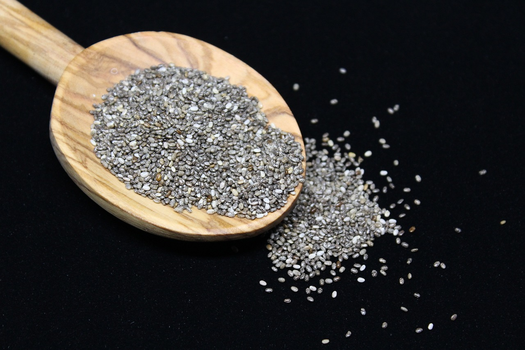
Non-Dairy Sources of Calcium: Ideal for lactose intolerant individuals or those opting for non-dairy alternatives, seeds, beans, and lentils emerge as valuable sources of calcium. Alongside options such as tofu, almonds, pumpkin seeds, sunflower seeds, sesame seeds, poppy seeds, and figs, they offer a nutrient-rich boost to bone health. Additionally, incorporating fortified plant-based milk alternatives and leafy greens like kale and spinach can further enhance your calcium intake. These calcium-rich foods provide essential nutrients for maintaining optimal bone density and overall well-being.
Leafy Greens: Leafy greens are renowned for their rich calcium content, making them an excellent addition to any diet. Spinach, kale, collard greens, broccoli, and Bok choy are among the top contenders, boasting significant amounts of this essential mineral, especially those known for their calcium bioavailability. Additionally, these greens are packed with other nutrients like vitamin K, which plays a crucial role in bone health and calcium absorption. Incorporating leafy greens into your meals is a delicious and nutritious way to boost your calcium intake and support overall well-being.
| FAQ 1. How much calcium do I need daily? The recommended daily intake of calcium varies depending on age and gender. Generally, adults require 1000-1300 mg of calcium per day. However, specific recommendations may differ for certain population groups such as adolescents, pregnant or lactating women, and older adults. It is advisable to consult with a healthcare professional to determine your individual calcium needs. 2. Can I get enough calcium from plant-based sources? Absolutely! While dairy products are commonly associated with calcium, there are plenty of plant-based sources available. Foods such as leafy green vegetables (spinach, kale), tofu, fortified plant-based milk alternatives, nuts, and seeds (almonds, chia seeds) are rich in calcium. By incorporating a variety of these plant-based sources into your diet, you can easily meet your daily calcium requirements. 3. Are calcium supplements necessary? In most cases, a well-balanced diet can provide sufficient calcium. However, certain individuals, such as those with lactose intolerance or those who follow strict vegan diets, may find it challenging to obtain enough calcium solely from food sources. In such cases, calcium supplements can be considered under the guidance of a healthcare professional. It is important to note that excessive calcium supplementation without medical necessity should be avoided as it may have adverse health effects. 4. Can I get too much calcium? While calcium is essential for health, excessive intake can have negative consequences. Hypercalcemia, a condition characterized by abnormally high levels of calcium in the blood, can lead to kidney stones, constipation, and impaired kidney function. It is crucial to follow the recommended daily intake guidelines and avoid excessive calcium supplementation unless specifically advised by a healthcare professional. |