

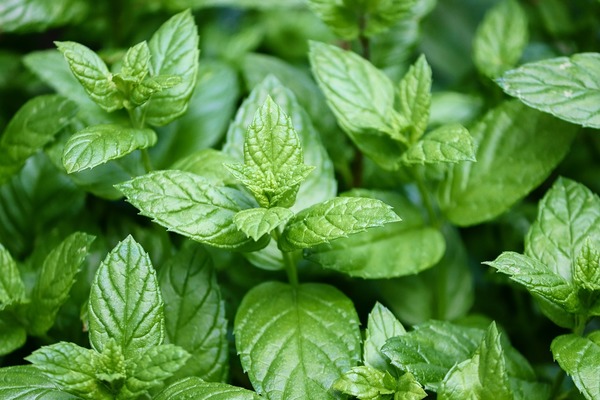
Mentha x piperita, peppermint, 辣薄荷, Menthe poivrée, Pfefferminze, , Peppermynte, Pepparmynta, мята перачная, pepermunt, piparminttuv, ペパーミント, نعناع عبدي, نعناع فلفلي
Exploring Botanical Heritage
Peppermint, with its invigorating aroma and refreshing flavor, has charmed humanity for millennia. This versatile herb boasts a rich history, journeying from ancient Egyptian medicine chests to our modern kitchens and medicine cabinets. Let’s delve into the fascinating tale of peppermint, exploring its origins, historical uses, and its enduring popularity.
- A Natural Hybrid: Peppermint (Mentha piperita) is a natural mix of spearmint (Mentha spicata) and watermint (Mentha aquatica).
- Ancient Origins: Evidence suggests peppermint use dates back to 1550 BC in Egypt. It was valued for its medicinal properties, even being used as a form of currency.
- Spreading its Charm: From the Mediterranean, peppermint made its way to Europe, captivating both cooks and medical professionals.
- Medieval Uses: Monks used mint for hygiene and to keep rodents at bay.
- Medical Marvel: By the 18th century, peppermint was a recognized medicinal treatment for various ailments, leading to widespread cultivation.
- A Minty Mystery: Historical texts often confuse mint with spearmint. While classified as its own species in 1696, peppermint’s distinct flavor and aroma suggest it was likely the “mint” of many earlier references.
The Chemistry of Mentha Piperita
Peppermint’s refreshing properties come from a unique blend of chemicals. Here’s a breakdown of the key players:
Main Groups:
- Menthol: This primary component creates the signature cooling sensation.
- Flavor Contributors: Menthone and menthyl acetate significantly influence peppermint’s taste.
- Aromatic Enhancer: 1,8-cineole intensifies the overall fragrance.
Additional Components:
- Menthofuran, cis-carane, and limonene: These add complexity to the aroma and potentially offer therapeutic benefits.
Secondary Compounds (trace amounts):
- Trans-caryophyllene, β-Pinene, α-Pinene, germacrene-D, trans-sabinene hydrate, and neoisomenthyl acetate: These elevate the character of peppermint, enriching its sensory experience.
The Science Behind Peppermint’s Benefits
Peppermint boasts a rich history of traditional uses, and modern science is now unraveling the key chemicals responsible for its various health benefits. Let’s explore these benefits and the specific peppermint components at play:
Digestive Health
- Key Chemical: Menthol
- Impact: Menthol acts as a natural muscle relaxant in the digestive tract. This translates to relief from uncomfortable symptoms like bloating, gas, and cramps. Studies suggest menthol achieves this by blocking calcium channels, preventing unwanted muscle contractions.
- Applications: IBS, indigestion, overall digestive comfort.
Peppermint’s Anti-inflammatory Might
- Key Chemical: Menthol, menthone, and menthyl acetate.
- Impact: Menthol activates channels that soothe inflammation in the gut, potentially aiding with conditions like IBS and inflammatory bowel disease. Peppermint oil’s muscle-relaxing properties may also bring relief from muscle pain associated with gout and ear edema.
- Applications: IBS, inflammatory bowel disease, skin inflammation (like atopic dermatitis), muscle pain
Potent Antimicrobial Power of Peppermint Oil
- Key Chemical: Menthol (and other components in peppermint oil)
- Impact: Peppermint oil acts as a double-edged sword against harmful microbes. It exhibits antibacterial and antifungal activity against various pathogens, including Helicobacter pylori (linked to stomach ulcers) and E. coli, potentially safeguarding your gut health and contributing to oral hygiene by inhibiting bacterial growth that can lead to cavities.
- Applications: Combating foodborne illness, supporting oral hygiene.
Immune System Support
- Key Chemicals: Menthol (antibacterial properties) and potentially other components with antiviral, anti-inflammatory, and antioxidant effects.
- Impact: Menthol’s antibacterial properties may inhibit food-borne pathogens, while other peppermint components offer broader immune support through their antiviral, anti-inflammatory, and antioxidant effects. Additionally, the calming effect of peppermint tea might contribute to overall well-being and a more resilient immune system.
- Applications: Potentially supporting a healthy immune system
Potent Antitumor Agent
- Key Chemical: Peppermint essential oil (PEO)
- Impact: Early studies suggest PEO may inhibit cancer cell proliferation and induce apoptosis (cell death) in certain cancers. This research holds promise for the development of natural aids in cancer treatment, but further investigation is needed.
- Applications: Early research suggests potential as a natural aid in cancer treatment (requires further investigation)
Menthol’s Neuroprotective Potential
- Key Chemical: Menthol
- Impact: May enhance the activity of GABA receptors in the brain, potentially influencing neural modulation and sensory perception. Research suggests potential benefits for nervous system function, but further investigation is needed.
- Applications: Early research suggests potential benefits for nervous system function (requires further investigation)
Peppermint in Aromatherapy
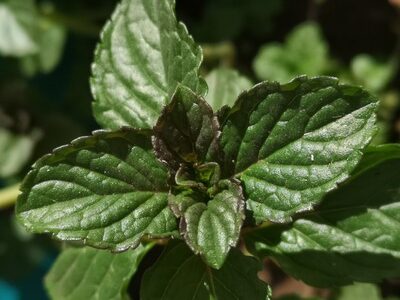
Peppermint’s invigorating aroma isn’t just a delightful sensory experience; it translates into a range of health benefits. Let’s delve deeper into two lesser-known ways peppermint empowers your well-being: respiratory protection and concentration enhancement.
Breathing Easier with Peppermint:
- Guarding Your Lungs: Peppermint oil (PEO) goes beyond a refreshing scent. Studies suggest it can act as a shield for your respiratory system, particularly beneficial for those with asthma. PEO appears to reduce inflammation and prevent lung damage, easing symptoms in asthmatic mice by calming airway irritation and minimizing mucus production.
- Mechanism of Action: PEO disrupts the activity of proteins that fuel inflammation. Additionally, it acts as an antispasmodic, relaxing airway muscles for smoother breathing.
- Menthol’s Role: This key component in PEO offers further relief by blocking sensory channels in the respiratory tract, soothing irritation often caused by cigarette smoke.
Sharpening Your Focus:
- Boosting Concentration: Peppermint isn’t just about a clear breath; it can also help clear your mind. Research indicates that certain essential oils, like peppermint, significantly impact concentration levels.
- The Science Behind the Scent: Studies have shown that inhaling peppermint oil vapor is linked to improved focus, alertness, and overall cognitive function. One study revealed that participants exposed to the peppermint aroma demonstrated sharper memory recall and heightened alertness compared to those without the scent.
- Enhanced Performance: Another investigation by cognitive scientists reported that inhaling peppermint oil improved attention and cognitive performance in participants engaged in cognitive tasks.
Topical Applications
Peppermint oil offers a plethora of benefits, but safe application is key. Here’s what you need to know:
Taming the Tingle: Essential Precautions
- Dilution is Crucial: Peppermint oil packs a punch! Undiluted use can irritate your skin. Always dilute it with a carrier oil like jojoba or coconut oil before topical application.
- Finding Your Perfect Ratio: Proper dilution is essential. Start with a low concentration (1-2 drops of peppermint oil per 1 teaspoon of carrier oil) and gradually increase based on your skin’s sensitivity.
- Patch Testing Before Play: To avoid allergic reactions, perform a patch test on your inner forearm. Apply a diluted amount and wait 24 hours. If no irritation occurs, you’re good to go!
Peppermint’s Skin-Sational Benefits
- Natural Antiseptic Ally: Worried about blemishes? Peppermint oil’s antiseptic properties help combat bacteria that can contribute to breakouts.
- Taming the Flames: Its anti-inflammatory nature soothes inflamed skin, potentially minimizing acne scar formation.
- Beyond Acne: This versatile oil tackles various skin woes like eczema, psoriasis, and dermatitis, offering relief from itching and discomfort.
Hair Happiness with a Peppery Boost
- Growth and Strength: Peppermint oil can be your hair’s best friend. By stimulating blood circulation to the scalp, it may encourage healthy hair growth and strengthen strands.
- Exfoliating Powerhouse: Say goodbye to dandruff! Peppermint oil’s exfoliating properties help remove scalp buildup, preventing pesky flakes.
- Itch Relief & Scalp Soothing: Its anti-inflammatory properties calm dandruff-related redness and itching, promoting a healthier scalp environment.
- DIY Delight: Incorporate peppermint oil into hair masks and conditioners for a DIY hair care boost!
Muscle Relief: The Jury’s Still Out
Research on peppermint oil for muscle soreness after exercise yielded mixed results. While it may not significantly enhance grip strength or recovery, it has shown promise in reducing muscle pain intensity, especially for headaches. This effect might be due to increased blood flow to the area and its cooling sensation.
Culinary Uses of Peppermint
Refreshing Recipes
Peppermint is a versatile herb, lending its refreshing taste and aroma to both culinary delights and flavorful concoctions. Here are a few refreshing recipes that use peppermint:
- Peppermint Iced Tea: Brew a strong pot of black tea, then add a handful of fresh peppermint leaves and let it steep for 10 minutes. Serve over ice with a slice of lemon and a sprig of fresh mint.
- Peppermint Chocolate Chip Cookies: Add a teaspoon of peppermint extract to your favorite chocolate chip cookie recipe for a refreshing twist on a classic treat.
- Peppermint Hot Chocolate: Add a few drops of peppermint extract to your favorite hot chocolate recipe for a cozy and refreshing winter treat.
- Peppermint Bark: Melt dark and white chocolate separately, then stir in a touch of peppermint extract to each. Pour the dark chocolate onto a lined baking sheet, allow it to set slightly, then pour the white chocolate on top. Sprinkle crushed candy canes or peppermint candies over the top. Let it cool completely before breaking into pieces for a festive and refreshing treat.
- Peppermint Mocha: Brew a strong cup of coffee or espresso, then stir in cocoa powder, sugar, milk or cream, and a few drops of peppermint extract. Top with whipped cream and a sprinkle of cocoa powder or crushed candy canes for a decadent pick-me-up.
- Peppermint Cheesecake Bites: Prepare a creamy cheesecake batter, swirl in a hint of peppermint extract, pour into mini muffin tins, and bake until set. Top with whipped cream and crushed candy canes for a festive touch.
- Peppermint Rice Krispie Treats: Mix crushed peppermint candies into classic Rice Krispie Treats before pressing into the pan for a crunchy and refreshing snack.
- Peppermint Fruit Salad: Combine a variety of fresh fruits with a honey-lime dressing infused with fresh mint and a hint of peppermint extract for a light and refreshing dessert option.
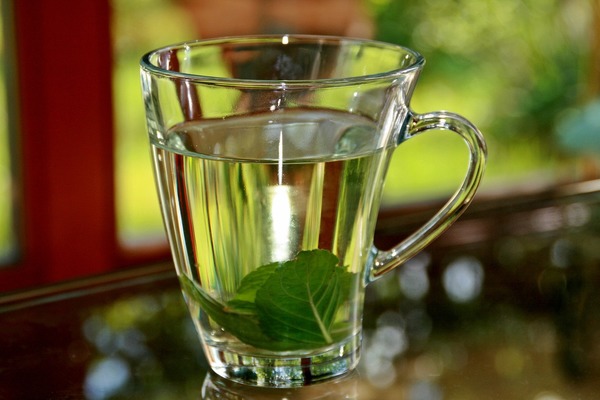
- Peppermint Infused Water: Add fresh peppermint leaves to cold water and let it infuse for at least an hour in the refrigerator for a revitalizing and hydrating drink.
- Peppermint Cream Cheese Dip: Blend cream cheese with powdered sugar and peppermint extract, perfect for dipping fruits, pretzels, or crackers for a refreshing snack.
Potential Side Effects and Precautions
Peppermint (Mentha x piperita) holds promise as a medicinal herb, yet understanding its potential side effects and taking necessary precautions is crucial for safe usage.
Potential Side Effects:
- Not for Everyone: While generally safe, peppermint oil can cause side effects in some people. These can include skin irritation, allergic reactions, and digestive discomfort.
Precautions for Safe Use:
- Sensitive Populations: Caution is advised for children, pregnant or breastfeeding women, and those with GERD, hiatal hernias, or certain medications. Peppermint oil may worsen these conditions or interfere with drug metabolism.
- Dilution is Key: Always dilute peppermint oil with a carrier oil before topical use to minimize irritation.
- Dosage Matters: Follow recommended dosages for oral consumption, if applicable.
- Patch Testing: For those with sensitive skin or allergies, a patch test is essential to check for reactions.
- Medication Interactions: Be mindful of potential interactions between peppermint oil and other medications or supplements. Always consult your healthcare professional before use.