


The Timeless Appeal of Calendula officinalis
Introduction to Calendula officinalis
Calendula officinalis, commonly known as marigold, is an annual or short-lived perennial herb that hails from southern Europe and the Eastern Mediterranean. Known for its vibrant golden petals and aromatic, sticky leaves, this member of the daisy family (Asteraceae) is not only a resilient garden plant but also a cherished component of culinary and medicinal traditions. With bright orange or yellow daisy-like flowers, Calendula officinalis has become a beloved garden escapee in temperate climates, celebrated for both its ornamental and therapeutic qualities.
The Healing Legacy of Calendula
Early Recognition and Cultural Significance: Calendula officinalis holds a revered place in the annals of ancient civilizations such as those of the Romans and Greeks. Its vibrant blooms were not just visually appealing but also symbolically significant, often used in religious rituals and ceremonies to embody happiness and vitality. In Roman culture, calendula’s golden flowers adorned various rites, while in ancient Greece, its presence underscored both cultural importance and therapeutic potential.
Herbalist Practices Through the Ages: Throughout history, calendula’s therapeutic versatility has been recognized and utilized by herbalists and healers. In the 12th century, German herbalist Hildegarde de Bingen used calendula to treat scalp infections, highlighting its early medicinal applications. In the 16th century, Dominican friar Albertus Magnus extolled its virtues as a remedy for various ailments, further cementing its esteemed status in herbal medicine. These historical uses underscore calendula’s long-standing reputation as a powerful healing herb.
Continued Reverence and Modern Resurgence: The journey of Calendula officinalis through time is marked by cross-cultural adoption and enduring acclaim for its medicinal properties. From ancient religious ceremonies to medieval apothecaries, its vibrant beauty and healing touch have been cherished across eras. Today, modern science continues to validate the historical acclaim of calendula, unlocking new avenues for its application in medicine and wellness practices. Its enduring presence in gardens and holistic practices attests to its timeless appeal and ongoing relevance in contemporary herbal traditions.

Active compounds and their effects
Flavonoids : Calendula officinalis is rich in flavonoids renowned for their antioxidant properties,
including Soquercetin, narcissin, calendoflaside, calendoflavoside, calendoflavobioside, isoquercitrin, and neohesperidoside. These compounds play a vital role in protecting the skin from oxidative stress, contributing to anti-aging and skin-protective effects.
Terpenoids : Calendula contains various terpenoids, including α-pinene, limonene, and β-caryophyllene, known for their antimicrobial and anti-inflammatory effects, crucial for wound healing and reducing inflammation associated with skin conditions. Moreover, myrcene, β-pinene, and terpinen-4-ol amplify calendula’s antimicrobial and anti-inflammatory actions, supporting overall skin health.
Quinones: Quinones, featuring phylloquinone, α-tocopherol, ubiquinone, and plastoquinone, are primarily present in Calendula officinalis leaves, showcasing anti-cancer potential. Additional constituents like phenolics and tannins bolster antioxidant and anti-ulcer properties, supporting gastric mucosa maintenance and regeneration.
Coumarins: Coumarins like esculetin, scopoletin, and umbelliferone have been identified in Calendula officinalis. These compounds demonstrate various therapeutic effects: umbelliferone protects the skin in sunscreens, scopoletin relieves muscle spasms, and esculetin reduces inflammation while enhancing venous tone and exhibiting anti-thrombotic properties.
Essential Oils in Calendula: The essential oils extracted from calendula are rich in compounds like linalool, α-terpineol, and β-elemene, which possess potent antifungal properties. These constituents effectively combat fungal infections and promote skin health and recovery. Additionally, nerolidol, geraniol, and farnesol further enhance calendula’s antifungal properties, making it a valuable asset in skincare.
Dermatological properties and benefits
Calendula officinalis has been widely used in dermatology for its beneficial effects on the skin. It is known for its anti-inflammatory and antiseptic properties, which can help in the treatment of various skin conditions. Calendula is often used in creams, ointments, and lotions for its soothing and healing effects on burns, rashes, and wounds. It can also be used to relieve symptoms of dry and irritated skin.
Calendula: Skin Healing Wonder
Calendula, a botanical treasure with centuries of medicinal use, offers a potent array of bioactive compounds including flavonoids, triterpenoids, and carotenoids. These compounds confer upon calendula its renowned anti-inflammatory, antioxidant, and wound-healing properties. Through mechanisms such as stimulating collagen production, promoting cellular regeneration, and shielding the skin from environmental stressors, calendula serves as a versatile ally in maintaining skin health and accelerating wound healing.
Calendula’s Carotenoid Potential
Calendula is rich in carotenoids like lycopene, beta carotene, and lutein, known for their antioxidant properties. These compounds are found in various parts of the plant, including flowers, petals, and leaves. Carotenoids exhibit antioxidant activity, making them valuable in treating oxidative disorders and promoting wound healing. Specifically, zeaxanthin, a carotenoid in Calendula, is beneficial for age-related macular degeneration due to its antioxidant and blue-filtering abilities
Research on the Power of Calendula Healing
Numerous studies have investigated the therapeutic effects of Calendula officinalis in wound healing. Here are the summarized results from various trials, showcasing the potential of Calendula in promoting recovery and improving skin health.
- Prospective study on venous ulcers: Calendula extract spray promoted higher wound healing levels.
- In a study examining diabetic ulcers, researchers found that using Calendula oil alongside Low-Level Laser Therapy (LLLT) led to a notable decrease in both ulcers and pain levels.
- Prospective trial on venous leg ulcers: Calendula extract decreased ulcer surface area.
- Prospective trial on women: Aloe vera and Calendula ointment reduced redness, edema, and discharge.
- Randomized trial on burns: Calendula ointment decreased fibrin and hyperemia while increasing collagen and blood vessels.
- Blinded trial on radiotherapy patients: Calendula ointment accelerated wound closure and re-epithelization.
- Blinded trial on radiotherapy patients: Calendula cream improved tensile strength and enhanced wound healing.
Biological Effects of Calendula Officinalis
Photoprotective Effects: Calendula officinalis leaves and petals serve as a natural source of antioxidants. Studies have reported that Calendula extract effectively scavenges hydroxyl radicals and superoxide radicals, offering protection against oxidative damage induced by photo reduction of riboflavin.
Hepatoprotective Benefits: Calendula officinalis extracts shield the liver from damage caused by toxins and oxidative stress, such as carbon tetrachloride. They also enhance total hemoglobin levels and exhibit properties akin to insulin, suggesting potential for managing diabetes and high cholesterol levels.
Antimicrobial Activity: Calendula extracts exhibit strong antimicrobial effects against various pathogens. Tested against fungi like Candida albicans and Aspergillus niger, as well as bacteria including Bacillus subtulis, Staphylococcus aureus, and Escherichia coli, both Calendula methanol and ethanol extracts displayed remarkable antifungal properties.
Neuroprotective Effects: Calendula officinalis extracts exhibit modest sedative effects and may complement sedative medications. Research has shown that the extract derived from Calendula flowers may have a calming effect on the brain and nerves, possibly promoting relaxation.
Immunomodulatory Effects: Calendula officinalis, or marigold, exhibits notable effects on the immune system. Its cytotoxic properties regulate lymphocyte proliferation, while its saponins contribute to immune modulation, potentially aiding in the combat against parasitic worms and enhancing overall immune function.
Anti-inflammatory Benifits: Calendula officinalis preparations, such as infusions, tinctures, and creams, are widely utilized to address skin inflammation, wounds, and scars. Calendula extract cream is especially notable for its efficacy in treating burn swelling. Furthermore, research indicates that the essential oil derived from Calendula flowers exhibits inhibitory effects against various bacteria and fungi.
Calendula Creations: Culinary Delights
Apart from its medicinal properties, calendula officinalis also has culinary uses.
- Calendula Flower Salad with Lemon-Herb Dressing: A refreshing salad featuring crisp lettuce, colorful bell peppers, cucumber slices, and edible calendula petals, dressed in a tangy lemon-herb vinaigrette.
- Calendula Flower Risotto: Creamy Arborio rice cooked with vegetable broth, white wine, and sautéed onions, finished with a generous sprinkling of calendula petals for a burst of color and delicate flavor.
- Calendula Flower Cupcakes with Citrus Buttercream: Moist vanilla cupcakes infused with calendula flower essence, topped with a light and fluffy citrus buttercream frosting and a single edible calendula petal for decoration.
- Calendula Flower Infused Olive Oil Dip: A simple yet elegant appetizer featuring crusty bread served with a dipping oil made from extra virgin olive oil infused with calendula flowers, garlic, and a hint of chili flakes.
- Calendula Flower and Goat Cheese Crostini: Crispy baguette slices topped with creamy goat cheese and a drizzle of honey infused with calendula flowers, creating a delightful blend of sweet, savory, and floral flavors.
- Calendula Flower Infused Honey Glazed Carrots: Tender carrots glazed in a delicate blend of honey infused with calendula flowers, offering a subtly floral and sweet flavor profile.
- Calendula Petal Salad: A vibrant salad featuring mixed greens, cherry tomatoes, cucumber slices, and red onion, adorned with edible calendula petals for a burst of color and subtle floral flavor. Drizzle with a tangy vinaigrette or serve with a citrus-infused dressing for a refreshing twist.
Calendula Extracts: Versatility in Skincare

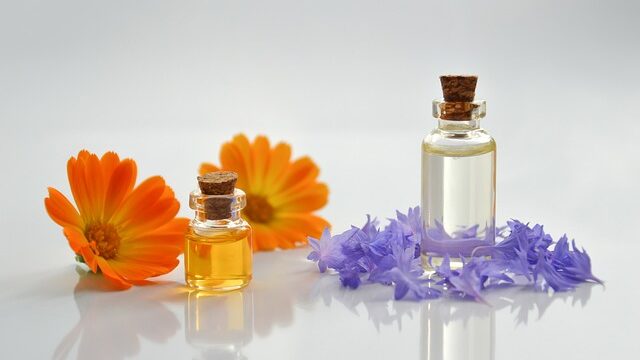
Skincare Formulations: Calendula extracts, available in diverse forms like hydrosols, macerates, glycerites, CO2 extracts, and powders, offer distinct benefits and usage guidelines. Formulators can seamlessly integrate them into various skincare formulations such as serums, lotions, creams, toners, and shampoo. Understanding their properties and selecting the right type ensures optimal results, contributing to the efficacy and safety of the final product.
Calendula’s Skin Suitability: Calendula’s diverse benefits make it ideal for addressing various skin concerns, owing to its soothing, anti-inflammatory, and reparative properties. It particularly excels in:
- Acne-Prone Skin: Calendula’s antimicrobial properties help combat acne-causing bacteria, while its anti-inflammatory effects soothe inflammation.
- Dehydrated Skin: With its emollient properties, calendula helps retain moisture, restoring hydration and vitality to dry skin.
- Aging Skin: Rich in antioxidants, calendula protects against environmental stressors, promoting skin resilience and a more youthful appearance.
- Damaged or Compromised Skin: Calendula’s reparative properties support wound healing and tissue regeneration, aiding in skin recovery and rejuvenation.
- Reactive Skin: Calendula’s gentle nature alleviates redness and discomfort, providing relief for sensitized skin.
Endorsement by the World Health Organization: Calendula officinalis has garnered recognition and endorsement from esteemed organizations such as the World Health Organization (WHO). The WHO acknowledges calendula as an effective external treatment for superficial wounds, moderate skin inflammations, oral mucosa issues, and venous ulcers. This endorsement solidifies the therapeutic efficacy and safety profile of calendula, affirming its value for diverse health and wellness applications.
Important Note on Direct Application of Calendula Oil: While applying calendula oil directly may seem convenient, its potency requires caution. For safe use, consider skincare products with measured calendula extract doses. If opting for direct application, dilute calendula oil with a carrier oil to minimize risks. Prioritize patch tests and consult healthcare professionals for guidance before integrating calendula oil into your skincare routine.