

Isoleucine, one of the essential amino acids, plays a vital role in maintaining optimal health and well-being. As a branched-chain amino acid (BCAA), isoleucine is not only responsible for building proteins but also contributes to various physiological processes within the body. As an essential amino acid, isoleucine cannot be synthesized by the body and must be obtained through dietary sources, underscoring its essential role in maintaining overall health and well-being.
The Role of Isoleucine in the Body
Isoleucine, classified as an essential branched-chain amino acid (BCAA), holds significant physiological importance in the human body. Serving as a fundamental building block for protein synthesis, isoleucine contributes to the formation of vital proteins necessary for cellular structure and function. Moreover, BCAAs, including isoleucine, play a crucial role in energy production, particularly during periods of physical exertion or stress. The body relies on isoleucine to regulate blood sugar levels, enhance immune system function, and support wound healing processes.
Origins of Isoleucine: Natural Sources and Production
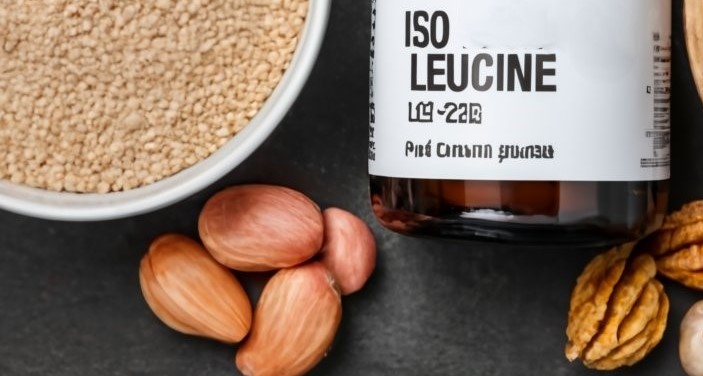
Isoleucine in Food: Dietary Sources : One of the great things about isoleucine is that it can be found in many delicious foods. Some excellent sources of isoleucine include meat, fish, eggs, dairy products, legumes, nuts, and seeds. So, whether you’re a meat lover or a vegetarian, there are plenty of options to ensure you’re getting a good dose of this essential amino acid.
Isoleucine Biosynthesis in the Body : Although isoleucine can be obtained through our diet, our bodies are also capable of producing it. Through a complex process called biosynthesis, our cells can manufacture isoleucine from other amino acids. This built-in production mechanism ensures that our bodies have a steady supply of isoleucine, even if our dietary intake is insufficient.
Isoleucine’s Impact on Muscle Health
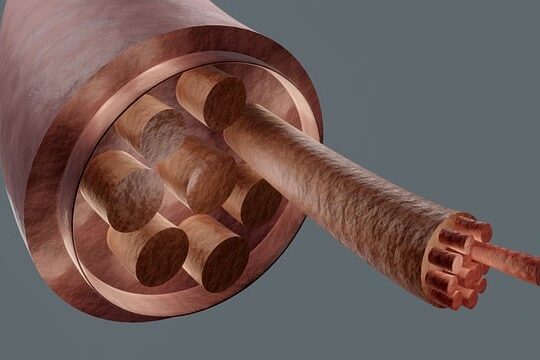
plays a crucial role in protein synthesis, contributing to the growth and repair of muscle tissues. Additionally, isoleucine has been shown to activate key signaling pathways involved in muscle protein synthesis. Scientific studies demonstrate its ability to enhance muscle protein balance, promoting an anabolic environment that supports muscle development. Moreover, isoleucine supplementation has been associated with improved endurance and exercise performance, further highlighting its positive influence on muscle health.
Isoleucine’s Effect on Energy Levels and Endurance
Branched-Chain Amino Acid (BCAA) intake, including isoleucine, exhibits promising effects on endurance exercise. Studies indicate that BCAA supplementation can lower serotonin levels, a central fatigue substance, resulting in reduced concentrations of muscle damage markers such as creatine kinase (CK) and lactate dehydrogenase (LDH). Moreover, BCAA intake is associated with decreased free fatty acids (FFA), leading to a diminished LDH secretion. This comprehensive impact on fatigue substances, muscle damage markers, and energy metabolism substances suggests that BCAA supplementation, including isoleucine, holds potential for enhancing exercise performance, particularly in the context of endurance activities.
Isoleucine and Brain Function
Studies suggest that isoleucine influences the synthesis and release of neurotransmitters, such as serotonin and dopamine, in the central nervous system. By acting as a precursor for neurotransmitter precursors, isoleucine contributes to maintaining optimal neurotransmitter levels. This involvement in neurotransmitter regulation highlights isoleucine’s potential impact on mood, cognition, and overall neurological function, emphasizing its significance beyond its role in protein synthesis.
Isoleucine’s Role in Sugar Regulation
Studies have demonstrated that isoleucine is involved in glucose homeostasis and insulin sensitivity. It contributes to the regulation of blood sugar levels by influencing insulin signaling and glucose uptake in cells. Through its interaction with various cellular pathways, isoleucine helps maintain proper sugar metabolism. This scientific evidence highlights the significance of isoleucine in supporting overall metabolic health and preventing disruptions in sugar regulation.
Isoleucine’s Role in ATP Production
Scientific evidence supports isoleucine’s role in energy metabolism, emphasizing its involvement in the tricarboxylic acid (TCA) cycle and gluconeogenesis. As a precursor to acetyl-CoA, isoleucine plays a vital part in ATP generation through oxidative phosphorylation. Studies have shown that isoleucine supplementation can impact energy-related pathways, influencing ATP production and cellular energy homeostasis. This metabolic role underscores the significance of isoleucine in providing the necessary building blocks for ATP synthesis and maintaining energy balance in various physiological processes.
Isoleucine’s Effect on Insulin Secretion
Isoleucine’s effect on insulin secretion is well-documented in scientific literature. Research indicates its involvement in modulating insulin release from pancreatic beta cells. By activating signaling pathways and engaging with key cellular components, isoleucine contributes to the intricate regulation of glucose homeostasis. Additionally:
- Administration of isoleucine increases glucose uptake in skeletal muscle in vivo.
- Isoleucine signaling for glucose uptake is more effective than leucine signaling in vivo.
Optimal Dosage for Maximum Benefits
Meeting daily isoleucine needs is crucial for all age groups. Infants rely on breast milk or formula, while children benefit from a diet rich in meats, dairy, and legumes. Adolescents require increased protein intake for muscle development, while adults should maintain balanced diets including lean meats, fish, and nuts. Elderly individuals also need adequate protein to prevent muscle loss. Consulting with a healthcare professional or a registered dietitian is always a smart move to determine the right dosage for you.
| FAQ 1. Can Isoleucine be obtained through diet alone? Yes, isoleucine is naturally found in various food sources such as meat, fish, eggs, dairy products, legumes, nuts, and seeds. By including a diverse range of these foods in your diet, you can ensure an adequate intake of isoleucine. 2. Is supplementation necessary to meet the recommended isoleucine intake? In most cases, a balanced diet should provide sufficient isoleucine for the average individual. However, certain populations such as athletes or those with specific dietary restrictions may benefit from isoleucine supplementation to support their increased protein synthesis needs. 3. Are there any potential side effects of isoleucine supplementation? Isoleucine supplementation is generally considered safe when consumed within recommended dosages. However, excessive intake or improper use of supplements may cause adverse effects such as gastrointestinal discomfort or allergic reactions. It is always advisable to seek guidance from a healthcare professional before starting any new supplementation regimen. 4. Can isoleucine supplements enhance muscle growth and athletic performance? While isoleucine is involved in protein synthesis and energy metabolism, it is important to understand that no single nutrient or supplement can guarantee muscle growth or athletic performance gains on its own. A well-rounded approach that includes a balanced diet, regular exercise, adequate rest, and overall healthy lifestyle habits is essential for achieving desired fitness goals. |