


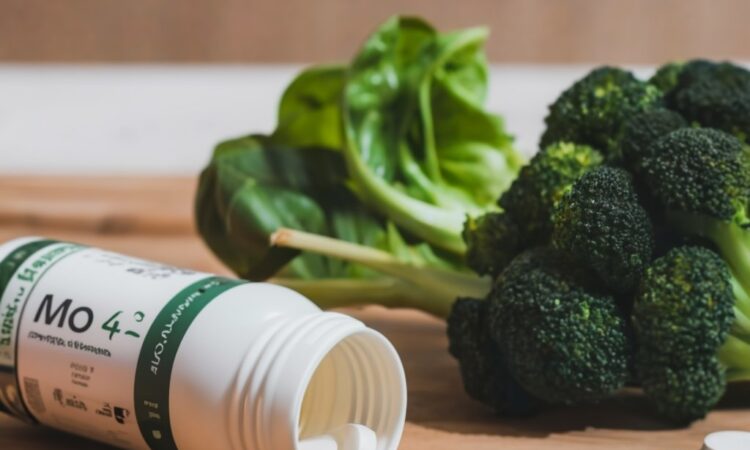
While its name might sound complicated, molybdenum is a trace mineral that plays a surprisingly important role in keeping us healthy. It works behind the scenes, but its contribution is essential.
So, what exactly does molybdenum do? It acts as a helper molecule for many enzymes, making them work better and faster. Think of it like giving a key worker an extra set of hands to get their job done. This helps with various bodily processes, including breaking down proteins and harmful substances, and protecting cells from damage.
Beyond the Name: Molybdenum’s Hidden Benefits
In the intricate world of biology, molybdenum acts as a vital team player, not just in enzymatic reactions, but across various metabolic pathways. It’s like a versatile athlete, excelling in diverse roles:
- Enzymatic maestro: As you mentioned, molybdenum acts as a cofactor in enzymatic reactions, ensuring their proper functioning. This includes key enzymes like sulfite oxidase (detoxifying harmful sulfites) and xanthine oxidase (breaking down purines).
- Metabolic ally: It goes beyond enzymes, aiding in protein breakdown and amino acid metabolism. Think of it as facilitating the efficient utilization of protein building blocks for essential processes.
- Formidable antioxidant: Molybdenum actively defends our cells from free radicals, those harmful molecules generated by daily life and metabolism. This antioxidant property helps maintain our body’s delicate balance and protects against cellular damage.
Molybdenum’s Journey:
But how does molybdenum get to play these roles? Absorption is key. Our bodies are surprisingly efficient, absorbing roughly 75% of consumed molybdenum. This bioavailability ensures a substantial portion reaches its destination for optimal utilization.
Behind the Scenes:
Molybdenum’s impact goes even deeper, influencing enzyme synthesis itself. Imagine enzymes as tiny machines crucial for various bodily functions. Molybdenum plays a key role in their production, acting like a blueprint or template for building these essential catalysts. Without it, enzymes like sulfite oxidase and xanthine oxidase, vital for detoxification and purine metabolism, wouldn’t be properly synthesized.
Impact of Molybdenum Synthesis on Overall Health
Molybdenum, often overshadowed by its flashier mineral counterparts, packs a punch when it comes to our health. Its impact on essential processes like sulfoxidation, purine metabolism, nitrogen and sulfur utilization, and even neurotransmitter production makes it a crucial player in maintaining our well-being.
The Enzyme Connection:
Molybdenum doesn’t directly perform its functions in isolation; it works its magic through partnerships with specific enzymes. Consider these enzymes the tools in its toolbox, each with a unique role in maintaining our health:
1. Xanthine Oxidase: This enzyme acts like a recycling plant for purines, molecules found in foods like red meat, coffee, and tea. Xanthine oxidase breaks down purines into uric acid, which is then excreted through urine. However, high uric acid levels can lead to gout, so understanding your purine intake and molybdenum status is crucial for some individuals.
2. Sulfite Oxidase: This enzyme acts as a shield against potentially harmful sulfites, commonly found in preservatives and some wines. Sulfite oxidase breaks down sulfites into harmless components, preventing allergic reactions in sensitive individuals.
Beyond Detoxification:
Molybdenum isn’t just about breaking down sulfites (found in preservatives) or converting purines (present in red meat, coffee, and tea) into uric acid for excretion. These are key roles, but its influence extends further:
- Nitrogen Metabolism: Molybdenum-dependent enzymes convert potentially harmful ammonia (a waste product) into less toxic compounds, protecting your body from its damaging effects.
- Sulfur Utilization: It aids in the synthesis of sulfur-containing amino acids, vital building blocks for proteins, enzymes, and other crucial molecules that keep your cells and tissues functioning optimally.
- Neurotransmitter Production: Molybdenum plays a part in the production of neurotransmitters, the chemical messengers vital for brain function, memory, and mood regulation.
Other Enzymatic Pathways:
Molybdenum’s impact extends to various enzymatic pathways, including drug and toxin metabolism for detoxification. Its role in neurotransmitter production underscores its importance for maintaining optimal brain function. Therefore, recognizing and appreciating molybdenum’s multifaceted contributions becomes integral for overall well-being.
Food Sources of Molybdenum and its Role in Diet
The benefits of molybdenum are best realized through the exploration of a diverse array of foods. This essential mineral, integral to various physiological processes, can be found abundantly in numerous dietary sources. For instance:
- Legumes: Black-eyed peas and lima beans
- Whole grains: Including rice
- Nuts: Providing a rich source of molybdenum
- Potatoes: A staple vegetable with notable molybdenum content
- Fruits: Such as bananas, offering additional sources of this vital mineral
- Leafy vegetables: Serving as rich sources of molybdenum
- Dairy products: Milk, yogurt, and cheese contribute significantly to molybdenum intake
- Protein-rich foods: Beef, chicken, and eggs are noteworthy sources of molybdenum
Optimizing Molybdenum Intake
To ensure adequate molybdenum intake, adults are advised to consume approximately 45-75 micrograms daily. Despite its seemingly modest quantity, molybdenum plays a crucial role in various physiological functions. By diversifying one’s diet with molybdenum-rich foods such as lentils, brown rice, spinach, and beef, individuals can effortlessly meet their daily requirements while enjoying a flavorful and nutritious culinary experience.
Molybdenum Deficiency and its Impact on Health
Uh-oh, what happens if we don’t get enough molybdenum? Well, deficiency in this mineral is quite rare, but if it does happen, it can lead to symptoms like fatigue, rapid heartbeat, and even neurological issues. Better keep an eye out for these red flags!
Factors Contributing to Molybdenum Deficiency
Molybdenum deficiency can occur in certain situations, such as when someone has a condition that affects nutrient absorption or if their diet is severely lacking in molybdenum-rich foods. Remember, balance is key!
Addressing Molybdenum Deficiency through Diet and Supplements
If you suspect molybdenum deficiency, fear not! A simple adjustment to your diet can usually give you the boost you need. But, in severe cases, your healthcare provider may recommend molybdenum supplements. Always consult a professional to make sure you’re on the right track.
| FAQ 1. Can molybdenum deficiency occur in individuals with a balanced diet? Molybdenum deficiency is rare in individuals with a well-balanced diet. However, certain medical conditions or medications can interfere with molybdenum absorption, potentially leading to deficiency. It is essential to consult with a healthcare professional if you suspect a deficiency or have specific concerns. 2. Are there any potential side effects of consuming too much molybdenum? While molybdenum toxicity is extremely rare, excessive intake of molybdenum through supplements or industrial exposure can lead to adverse effects. It is crucial to adhere to recommended daily intake levels and avoid unnecessary supplementation without medical supervision. 3. Which foods are good sources of molybdenum? Several foods are excellent sources of molybdenum, including legumes, whole grains, nuts, seeds, leafy green vegetables, and dairy products. By incorporating these foods into your diet, you can ensure a sufficient intake of molybdenum. 4. Can molybdenum supplements be taken to address potential deficiencies? In cases of diagnosed molybdenum deficiency or under the guidance of a healthcare professional, molybdenum supplements may be recommended. However, it is essential to consult with a healthcare provider before starting any supplementation regimen to determine the appropriate dosage and duration. |