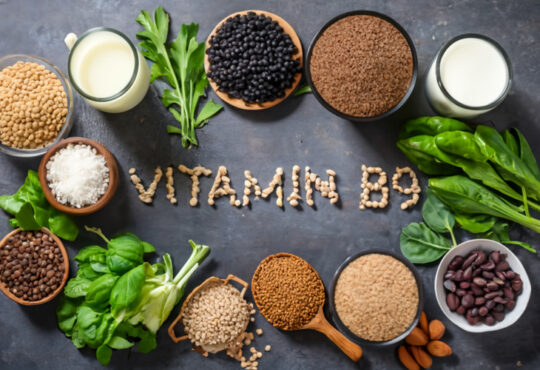



Vitamin A, an essential fat-soluble nutrient, plays a pivotal role in various biological functions. Renowned for its health benefits, it supports vision, boosts immunity, promotes healthy skin, and contributes to overall growth and development. Often referred to as the “eyesight superhero,” Vitamin A is indispensable for comprehensive health.
Vitamin A: A Multitasking Nutrient for Your Body
Vitamin A, encompassing retinol and retinoic acid, plays a crucial role in various bodily functions. It’s essential for vision, growth and development, cell division, reproduction, and immunity. With its antioxidant properties, it safeguards cells from harmful free radicals generated during food breakdown or exposure to smoke and radiation. Recognized for its multifaceted role in promoting healthy cell growth, a robust immune system, and maintaining optimal vision, Vitamin A significantly contributes to overall health and helps mitigate potential risks like heart disease and cancer
Antioxidant Properties of Vitamin A
Vitamin A, found in colorful fruits and vegetables like carrots, sweet potatoes, and spinach, plays a vital role in protecting your health. It acts as an antioxidant, neutralizing harmful free radicals that can damage cells and contribute to various health concerns, including heart disease.
- Free Radical Scavenger: Vitamin A and its related forms like retinol and carotenoids can directly quench free radicals, preventing them from causing cellular damage.
- Boosts Antioxidant Defense: Vitamin A supports the production of other antioxidant enzymes within the body, strengthening its overall antioxidant defenses.
- Low-Oxygen Efficiency: Interestingly, Vitamin A’s antioxidant activity thrives under the low oxygen levels typically found in tissues, maximizing its effectiveness within our bodies.
Supporting Cellular Function and Growth
Think of Vitamin A as the conductor of your cellular orchestra. It plays a crucial role in regulating gene expression, directing how your cells grow and divide. This makes it vital for the development and health of various tissues, especially the skin, lungs, and digestive system.
- Growth and Division Conductor: It directs the “music” of gene expression, telling your cells when and how to grow and divide.
- Essential Tissue Builder: It’s like the architect, ensuring healthy development and maintenance of skin, lungs, and digestive system tissues.
- Daily Dose is Key: Just like a conductor needs regular practice, your body requires a daily intake of Vitamin A to keep your cells functioning optimally.
Exploring Different Food Sources of Vitamin A

Animal-Based Vitamin A Powerhouses:
Vitamin A, vital for various bodily functions, is plentiful in animal foods like liver, fish, eggs, and dairy. These sources provide preformed Vitamin A, readily absorbed by your body. Enjoying a balanced diet with a variety of these foods ensures adequate intake without extreme measures. It’s a simple yet effective way to promote overall health and well-being.
Plant-Based Vitamin A Bounty:
For plant-based eaters, the journey to Vitamin A is just as exciting! Sweet potatoes, carrots, spinach, and kale are packed with beta-carotene, a plant-based precursor your body converts to Vitamin A. This efficient conversion ensures you get the Vitamin A you need. So, embrace these colorful vegetables for vibrant health and a delicious commitment to good nutritio
Considerations for Dietary Intake and Absorption:
While incorporating Vitamin A-rich foods into your diet is important, it’s also essential to consider its absorption. Vitamin A is a fat-soluble vitamin, meaning it needs fat to be properly absorbed. So, be sure to enjoy your Vitamin A-rich foods with a dash of healthy fats like olive oil or avocado. Not only will it enhance the flavor, but it will also ensure your body can make the most of this superhero nutrient.
Vitamin A in Supporting Vision and Eye Health
Vitamin A and Retinal Production : Vitamin A plays a crucial role in vision, particularly in low light conditions, by aiding in the synthesis of rhodopsin, a key protein in the retina. Without sufficient rhodopsin, the ability to perceive dim light diminishes, emphasizing Vitamin A’s essential role in maintaining optimal visual acuity, especially during nighttime activities.
Preventing Night Blindness : Night blindness, a condition marked by impaired vision in low-light conditions, frequently stems from inadequate Vitamin A levels. This deficiency significantly impedes nighttime vision, impacting a range of activities after sunset. Yet, the inclusion of Vitamin A-rich foods in one’s diet serves as a potent remedy, safeguarding the eye’s ability to discern dim light. Moreover, studies suggest that supplementing with Vitamin A may provide defense against age-related macular degeneration (AMD), a prevalent contributor to vision deterioration among seniors.
Vitamin A and Immune System Function
Vitamin A plays a critical role in supporting immune function through its multifaceted effects on both the innate and adaptive immune systems. One key mechanism involves the maintenance and reinforcement of epithelial barriers, including the skin and mucous membranes, which serve as the first line of defense against pathogen invasion. Vitamin A deficiency can compromise the integrity of these barriers, increasing susceptibility to infections.
Vitamin A’s Influence on White Blood Cells (WBCs):
- Stimulates production and activation of various WBC subsets:
- Natural killer cells: Directly kill infected cells and tumor cells.
- Macrophages: Engulf and destroy pathogens, initiate inflammatory responses.
- T lymphocytes: Coordinate immune response, eliminate infected cells, and regulate immune system activity.
- B lymphocytes: Produce antibodies to neutralize pathogens and toxins.
- Enhances WBC function:
- Improves pathogen recognition and elimination.
- Modulates the immune system for a balanced response.
Vitamin A’s Impact on Immunity:
- Innate immunity:
- Supports production of antimicrobial peptides and inflammatory mediators.
- Strengthens physical barriers (skin, mucous membranes).
- Adaptive immunity:
- Promotes B-lymphocyte differentiation and antibody production.
- Enhances T-lymphocyte activation and function.
Reducing the Risk of Infections and Chronic Diseases
By bolstering the immune system, vitamin A can help reduce the risk of infections and chronic diseases. Studies have shown that sufficient vitamin A levels can lower the incidence and severity of common infections, such as respiratory tract infections and diarrhea. Additionally, this powerful vitamin has been linked to a reduced risk of chronic conditions, including certain types of cancer and heart disease.
Vitamin A in Promoting Healthy Skin and Hair
Vitamin A plays a crucial role in maintaining the health and integrity of both skin and hair. Its diverse mechanisms contribute to a radiant complexion and strong, healthy hair follicles.
Skin:
- Cellular Proliferation and Repair: Vitamin A promotes keratinocyte proliferation and differentiation, essential for skin barrier function, wound healing, and overall skin renewal.
- Collagen Synthesis: By upregulating collagen production, Vitamin A enhances skin elasticity and firmness, minimizing the appearance of fine lines and wrinkles.
- Antioxidant Activity: Vitamin A exhibits antioxidant properties, protecting skin cells from free radical damage and contributing to a healthy, youthful appearance.
Hair:
- Sebum Production: Vitamin A plays a key role in sebum production, the natural oil that lubricates the scalp and maintains hair moisture, preventing dryness and flakiness.
- Hair Follicle Strength: Vitamin A supports healthy hair follicle development and function, promoting hair growth and preventing breakage.
- Scalp Health: Vitamin A contributes to a healthy scalp environment, reducing inflammation and promoting optimal hair growth conditions.
Recommended Daily Allowance of Vitamin A
To reap the health benefits of vitamin A, it’s important to consume an adequate amount. The recommended daily allowance (RDA) varies depending on age and gender.
- Recommended Dietary Allowance (RDA): The RDA for adults ranges from 700 to 900 micrograms of retinol activity equivalents (RAE) daily.
- Consultation with Healthcare Professional: It’s important to consult with a healthcare professional for personalized advice on vitamin A intake, as excessive consumption can be harmful.
- Potential Harm from Excess: Overconsumption of vitamin A may lead to adverse effects such as liver damage and bone abnormalities.
- Supplementation Caution: Intake of vitamin A supplements exceeding 3,000 μg RE (10,000 IU) per day may elevate the risk of toxicity. In women of childbearing age, such high levels of supplementation could potentially lead to birth defects.
Identifying and Addressing Vitamin A Deficiency
Vitamin A deficiency remains a concern in certain regions globally, impacting immune function, vision, and child growth. Ensure adequate intake by incorporating vitamin A-rich foods like liver, carrots, sweet potatoes, spinach, and eggs into your diet. If symptoms of deficiency arise, promptly seek medical guidance for accurate diagnosis and appropriate treatment.
Advice List:
- Dietary Diversification: Include a variety of vitamin A-rich foods in your diet to ensure adequate intake.
- Prioritize Nutrient-Rich Options: Choose whole foods like liver, carrots, sweet potatoes, spinach, and eggs over processed alternatives.
- Consult Healthcare Professionals: If you suspect a deficiency, seek medical advice for proper diagnosis and treatment.
- Consider Supplementation: In certain cases, healthcare providers may recommend vitamin A supplements to address deficiency.
- Monitor Symptoms: Be aware of signs such as vision changes, weakened immunity, and stunted growth, and take prompt action if they occur.
| FAQ 1. What are the main food sources of vitamin A? The main food sources of vitamin A include animal-based foods such as liver, fish, and dairy products. Plant-based sources include carrots, sweet potatoes, spinach, and kale. Including a variety of these foods in your diet can help you meet your daily vitamin A requirements. 2. How does vitamin A contribute to healthy skin? Vitamin A plays a vital role in maintaining healthy skin by promoting cell growth and repair. It helps in the production of collagen, a protein that gives skin elasticity and helps prevent wrinkles. Vitamin A also supports the production of sebum, an oily substance that moisturizes the skin and prevents dryness. 3. Can vitamin A deficiency lead to vision problems? Yes, vitamin A deficiency can lead to various vision problems. One of the most common symptoms is night blindness, where individuals have difficulty seeing in low light conditions. Prolonged deficiency can also lead to more serious conditions such as xerophthalmia, which can cause dryness, ulcers, and even blindness. 4. What is the recommended daily intake of vitamin A? The recommended daily intake of vitamin A varies depending on age, sex, and life stage. For adults, the recommended daily allowance is typically around 700-900 micrograms of retinol activity equivalents (RAE). It’s important to consult with a healthcare professional to determine the appropriate intake for your specific needs. |