

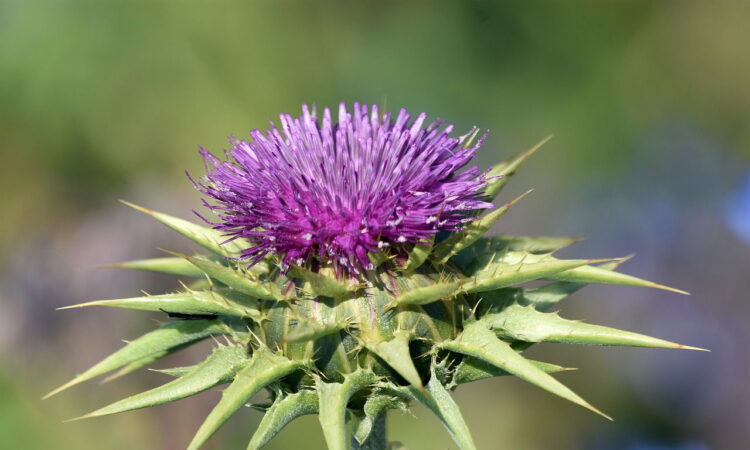
Silybum marianum, Milk thistle – 水飛薊 – Chardon-Marie – Mariadistel – Mariendistel – cardo lechero – расторопша – расторопша – melketistel – süt devedikeni – cardo mariano – オオアザミ – شوك الحمار- شوك الجمل
Milk Thistle: A Timeless Herbal Remedy
Milk thistle, a flowering plant native to the Mediterranean, boasts a rich history of use in traditional medicine. This herbaceous member of the Asteraceae family, known for its purple flowers and prickly leaves, has been valued for its potential health benefits for centuries. Let’s explore the fascinating journey of milk thistle, from its ancient origins to its contemporary applications.
Ancient Uses and Recognition
Historical Background
Evidence suggests milk thistle’s use dates back to ancient Egypt and Greece. Its medicinal properties were highly regarded by early civilizations, who utilized the plant for a variety of health issues.
Renowned Advocates
Prominent historical figures documented the benefits of milk thistle:
- Galen (129-216 AD): This renowned Greek physician recognized milk thistle’s potential for treating liver ailments.
- Pliny the Elder (23-79 AD): A Roman naturalist, Pliny noted milk thistle’s use in his extensive writings on natural history.
- Dioscorides (c. 40-90 AD): A Greek physician and pharmacologist, Dioscorides mentioned milk thistle’s effectiveness in his work, particularly highlighting its use against snakebites.
Name’s Origin
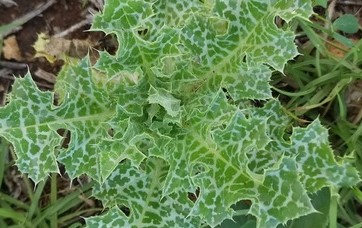
The plant’s name, Silybum, derives from its distinctive white leaf veins, a characteristic noted by the Greeks. This unique feature contributed to its identification and subsequent naming.
The Phytochemical Profile of Milk Thistle
- Primary active ingredient: Silymarin, a flavonoid complex containing three main isomers: silibinin (most bioactive), silychristin, and silidianin.
- Additional components: Flavonolignans, betaine, apigenin, silybonol, proteins, fixed oil, and free fatty acids.
- Significance: This diverse profile contributes to milk thistle’s potential health benefits, making it a subject of ongoing research.
Silymarin: Liver-Supporting Extract:
- Silymarin (SM): Primary active component of milk thistle, studied for its role in liver health.
- Mechanism of action: Acts as an antioxidant, scavenging free radicals, inhibiting their formation, and promoting cellular redox balance.
- Additional benefits: Activates antioxidant enzymes, inhibits NF-κB pathway for reduced inflammation.
- Key takeaway: SM’s multifaceted antioxidant properties contribute to its potential in liver health.
Other Phytochemicals and Nutrients:
- Beyond silymarin: Milk thistle contains other flavonoids like quercetin and kaempferol with antioxidant activities.
- Essential fatty acids: Linoleic acid promotes healthy cell membranes.
- Overall: This rich nutrient profile suggests a range of potential health benefits beyond liver health.
Health Benefits of Milk Thistle
For two millennia, milk thistle (Silybum marianum) has been a staple in traditional medicine, particularly for liver, kidney, and gallbladder concerns. Modern research delves into its potential mechanisms, revealing how key components like silymarin act as a protective shield for the liver. Silymarin’s antioxidant and anti-inflammatory properties contribute to its potential for liver self-repair by stimulating new cell growth, making milk thistle a valuable ally for overall health.
Fighting Fatty Liver with Milk Thistle
Milk thistle steps up as a potential combatant against non-alcoholic fatty liver disease (NAFLD). Silymarin, its key component, shows promise in reducing insulin resistance and fasting insulin levels, offering hope for NAFLD patients. Comparative trials suggest lower transaminase levels in those treated with silymarin compared to other medications.
Going Beyond Detox: A Comprehensive Approach
Milk thistle pulls double duty in protecting the liver, functioning as both an antioxidant and anti-inflammatory agent. By regulating cytokines and inhibiting inflammation-linked pathways, it combats inflammation while scavenging free radicals and chelating iron for antioxidant benefits. These findings underscore milk thistle’s potential in safeguarding the liver and addressing metabolic issues.
Milk Thistle’s Anti-Inflammatory Potential
Chronic inflammation is a hallmark of various diseases, and milk thistle’s flavonoids and silymarin pack potent anti-inflammatory punch. This translates to potential benefits in reducing overall body inflammation, including chronic inflammatory skin conditions like acne. With its dual antioxidant and anti-inflammatory properties, milk thistle emerges as a promising supplement for such ailments.
Potent Antioxidant: Safeguarding Cells from Damage
Silymarin, the star compound in milk thistle seeds, boasts powerful antioxidant properties with therapeutic potential across various health issues. Comprising three primary isomers, silybin takes the lead role, offering protection against oxidative stress-induced conditions like hypertension, atherosclerosis, and cardiac toxicity, thus supporting cardiovascular health.
Enhancing Diabetes Management
Milk thistle presents itself as a potential complementary therapy for type 2 diabetes, with specific compounds showing insulin-sensitizing effects. Recent studies indicate significant blood sugar reductions in individuals taking regular silymarin doses. Moreover, its antioxidant and anti-inflammatory properties may help alleviate diabetic complications, further enhancing its appeal for diabetes management
Neuroprotective Potential of Milk Thistle
Research suggests that milk thistle may play a role in preventing age-related decline in brain function, offering potential protection against conditions such as Alzheimer’s and Parkinson’s disease. While the herb’s anti-inflammatory and antioxidant properties align with expectations for neuroprotective effects, further exploration is necessary to determine if milk thistle offers unique benefits compared to other antioxidant-rich sources in mitigating cognitive decline.
Milk Thistle and Bone Health
Animal studies hint at milk thistle’s contribution to bone strength and osteoporosis protection. However, translating these findings to humans is tricky. Often, supplement use coincides with other healthy habits, making it hard to isolate the specific impact of milk thistle on bone health. This underscores the need for robust research to separate fact from fiction.
Milk Thistle’s Role in Chemotherapy Support
Some studies suggest milk thistle could benefit individuals undergoing chemotherapy, potentially improving outcomes and reducing side effects. Its antioxidant properties are thought to play a role, but more research is needed to solidify these findings. Additionally, exploring whether milk thistle offers varying benefits for specific cancers or chemotherapy medications remains an exciting avenue for future investigation.
Incorporating Milk Thistle into Your Diet

- Supplementation: Take milk thistle supplements in capsule or tablet form, providing standardized doses for consistent intake.
- Milk Thistle Tea: Enjoy the benefits of milk thistle by steeping a tea bag in hot water for several minutes.
- Culinary Exploration: Incorporate ground milk thistle seeds into your culinary endeavors by adding them to smoothies, salads, or homemade granola for a nutritious boost.
- Seed Consumption: Enjoy the nutty and slightly bitter flavor of milk thistle seeds by incorporating them raw or roasted into dishes like salads, soups, or roasted vegetables for added texture and taste.
- Culinary Garnish: Use fresh milk thistle flowers to add a vibrant and eye-catching touch to dishes like salads, desserts, or cocktails, ensuring they are handled with care and free from contaminants.
Potential Side Effects
While milk thistle is generally safe for most people, it may cause mild side effects in some cases. These can include digestive issues like bloating, gas, or diarrhea, particularly with high doses. Although rare, allergic reactions are possible, especially for individuals sensitive to plants in the Asteraceae family. It’s essential to be aware of these potential side effects and to consult with a healthcare professional if you experience any adverse reactions.
Individuals Who Should Avoid Milk Thistle
- Pregnant or breastfeeding women: Due to limited research on its safety during pregnancy and lactation.
- Individuals with hormone-sensitive conditions: Milk thistle may interact with hormones in the body.
- Those allergic to plants in the Asteraceae family: Cross-reactivity may occur.
- Individuals with certain medical conditions: Consult a healthcare professional before use, especially if you have liver disease, diabetes, or are scheduled for surgery.
- Children: Limited research exists on its safety for children, so it’s best to avoid use unless under medical supervision.
| Frequently Asked Questions about Milk Thistle 1. Is Milk Thistle Safe for Everyone? Milk thistle is generally considered safe for most people when taken in appropriate doses. However, it is always recommended to consult with a healthcare professional, especially if you have any pre-existing medical conditions or are currently taking medications. They can provide personalized advice based on your specific situation. 2. How to Incorporate Milk Thistle into Daily Routine? Milk thistle is available in various forms, including capsules, liquid extracts, and teas. The most common way to incorporate it into your daily routine is by following the recommended dosage instructions on the product packaging. It is advisable to start with a lower dose and gradually increase if needed. Additionally, consider consulting with a healthcare professional for guidance on the best way to incorporate milk thistle into your specific wellness regimen. 3. Possible Side Effects and Precautions While milk thistle is generally well-tolerated, some individuals may experience mild side effects such as indigestion, bloating, or allergic reactions. If you experience any adverse effects, discontinue use and consult a healthcare professional. It is also worth noting that milk thistle may interact with certain medications, so it is essential to inform your healthcare provider about any supplements or herbs you are taking. 4. Recommended Dosage and Forms of Milk Thistle The recommended dosage of milk thistle may vary depending on the individual and the specific product being used. It is best to follow the instructions provided by the manufacturer or consult with a healthcare professional for personalized guidance. Milk thistle is available in various forms, including standardized extracts, capsules, powders, and teas. Choose the form that suits your preferences and needs, ensuring it comes from a reputable source to ensure quality and purity. |