

Lepidium meyenii, Maca, عشبة الماكا, 瑪卡, Μάκα, Мака
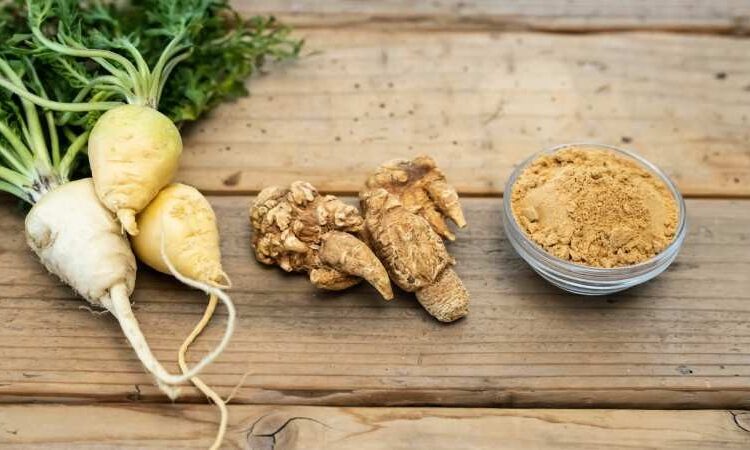
Maca, scientifically known as Lepidium Meyenii, is a cruciferous vegetable native to the high-altitude regions of the Peruvian Andes. Commonly referred to as “Maca,” it is scientifically identified by two names: Lepidium meyenii and Lepidium peruvianum. While often considered synonymous, there is scientific debate about their true differences, including variations in appearance and chemical composition.
Origins and Historical Significance of Maca
Maca, also called Peruvian Ginseng, was cultivated by the ancient Incas over 2,000 years ago in the high Andes and has deep cultural roots, likely domesticated around 1,300–2,000 years ago. Cieza de Leon’s 1553 account identified Maca as a sustenance root, and Father Cobo detailed its growth and fertility benefits in 1653. Gerhard Walpers’ comprehensive description in 1843 led to its designation as Lepedium meyenii, Walp. Tehllung (1906) provided a detailed taxonomic description. Since its introduction to a global audience in 1960, Maca’s cultivation has surged, especially due to dietitians recommending it as a supplement, particularly for fertility benefits.
Chemical Components and Nutritional Profile of Maca
Protein, Carbohydrates, and Fatty acids: Maca distinguishes itself with a nutrient-rich profile, showcasing proteins abundant in essential amino acids and substantial carbohydrates for enduring energy. This harmonious blend is complemented by notable fatty acids—linoleic, palmitic, and oleic—contributing to the overall nutritional excellence of Maca.
Minerals and Vitamins: Maca packs a nutritional punch with essential minerals like calcium, potassium, phosphorus, sulfur, manganese, magnesium, iron, copper, zinc, selenium, and iodine. It’s not just about minerals; maca also delivers key vitamins, including E, B1, B2, B12, C, and D3. This dynamic combination makes maca a potent and well-rounded source of essential nutrients for overall health.
Amino Acids, Secondary Metabolites, and Bioactive Components: Amino acid content in maca is diverse, encompassing leucine, arginine, phenylalanine, glutamic acid, among others. The exclusive secondary metabolites in maca, including macaridine, macaene, and maca alkaloids, introduce unsaturated fatty acids like macaenes and sterols.
Glucosinolates: The main bioactive components of Maca, such as macamides, thiohydantoins, and certain alkaloids, are suggested to originate from glucosinolates, as revealed by their biosynthetic pathway.
Health Benefits of Maca Consumption
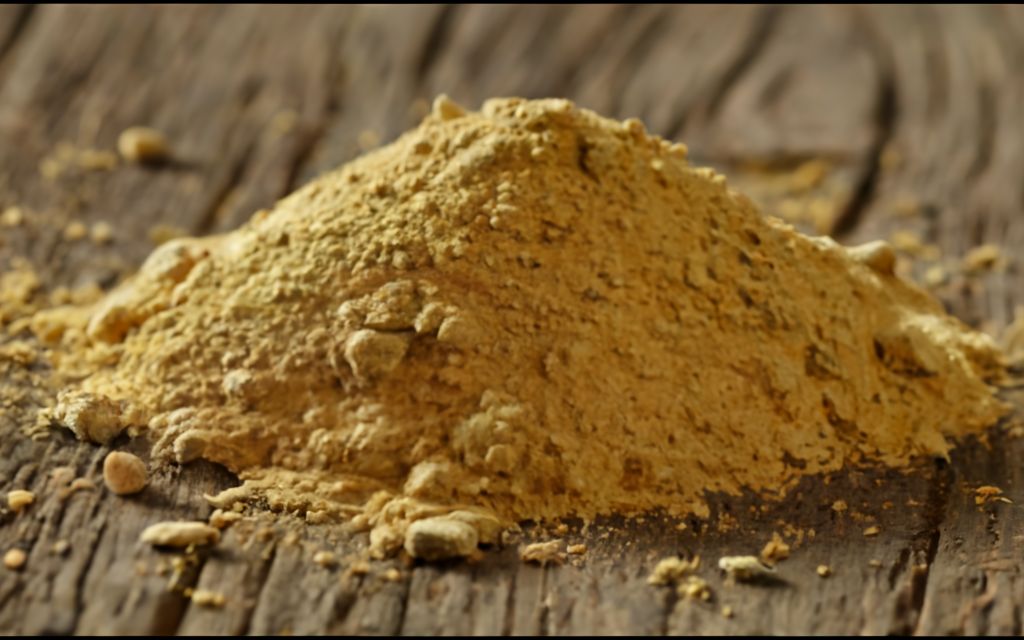
Sperm Production Boost: Maca stands out for its ability to speed up spermiation stages and germinal cell mitosis. This results in a swift surge in epididymal sperm count within a short span of treatment. Noteworthy is the fact that this improvement takes place without any discernible impact on testosterone, LH, or FSH levels.
Prostate Health: Maca may offer potential benefits for those with benign prostate enlargement (BPE). Previous studies suggest that maca root extract has the potential to reduce prostate size, addressing concerns related to BPE. However, it’s essential to note that further research is required to fully understand how maca root impacts BPE in humans.
Androgen Mechanism and Antioxidant Balance: Maca goes beyond hormone regulation, potentially enhancing bioavailable testosterone and balancing oxidant and antioxidant levels. It influences testicular gene expression, hinting at increased testosterone-related enzyme production that could counter age-related declines in Leydig cell function. Varied ecotypes, particularly Black Maca, show promising benefits, positioning it as a potential treatment for male infertility.
Enhancing Female Fertility: Lepidium meyenii, commonly known as Maca, emerges as a promising ally in enhancing female fertility. Its influence on the endocrine system involves a harmonious balance of key hormones—FSH, estradiol, and progesterone. Beyond fertility, Maca contributes to overall well-being by effectively managing weight and promoting bone health. The presence of alkaloids in Maca plays a pivotal role in regulating estrogen, providing relief from menopausal discomfort.
Enhanced Energy and Stamina: Maca, renowned for its health benefits, may enhance stamina by altering enzyme activity and reducing exercise-induced waste. Its natural sugars and carbohydrates potentially contribute to increased energy levels, explaining claims about improved strength. Maca amide, a key component, reduces oxidative damage in muscles, addressing fatigue. While promising, ongoing research is needed to fully grasp maca’s mechanisms in combating fatigue.
Improved Mood and Mental Well-being: Maca’s influence extends to the endocrine system, impacting cortisol levels and sex hormones. Its nutrient-rich profile, featuring macaenes and macamides, suggests adaptogenic potential. This adaptability helps the body manage stressors, supporting mental resilience and emotional equilibrium.
Nurturing Neurotransmitters: Maca’s rich composition hints at potential interactions with neurotransmitter pathways, crucial for mood regulation and happiness. Preliminary results demonstrate antidepressant-like effects, suggesting Maca’s role in activating noradrenergic and dopaminergic systems while attenuating oxidative stress.
Maca and Blood Pressure: Maca root, a dietary mainstay in Peru, has garnered attention for its potential influence on blood pressure. Some studies suggest associations between maca consumption and reduced blood pressure in certain populations. For instance, research involving perimenopausal women noted weight loss and lower blood pressure among those taking maca. Additionally, observations of indigenous populations in maca-growing regions suggested lower blood pressure in regular consumers.
Potential Side Effects and Precautions
When considering maca supplementation, individuals should exercise caution, particularly if allergic to cruciferous vegetables like broccoli or kale. Starting with a small dosage and monitoring for adverse reactions is recommended, with immediate discontinuation and consultation with a healthcare professional if issues arise. Additionally, those on medications affecting hormone levels or blood pressure should seek advice before incorporating maca to prevent potential interactions.
Dosage Moderation for Maca
Emphasizing moderation, the recommended dosage for maca varies based on the form (powder, capsules, extract) and individual requirements. The standard dose typically ranges from 1,500 to 3,000 mg per day, taken alongside food. To ensure a balanced approach, individuals are encouraged to follow guidelines on product packaging or consult with qualified healthcare professionals for personalized advice.
Special Considerations for Certain Health Conditions
Individuals with specific health conditions, including hormone-sensitive issues like breast cancer, uterine fibroids, or endometriosis, should exercise caution when contemplating maca supplementation. Consulting with a healthcare provider is crucial, as maca has the potential to impact hormone levels. Similarly, individuals with thyroid concerns or those taking thyroid medication are advised to seek guidance from their doctor before incorporating maca into their routine to ensure safe and informed usage.
FAQ
1. Is maca suitable for everyone?
While generally safe, maca may not be suitable for individuals with hormone-related conditions like breast cancer, ovarian cancer, or uterine fibroids. Caution and consultation with a healthcare professional are advised. Additionally, awareness of potential allergies to Brassicaceae family plants, to which maca belongs, is essential.
2. Can maca interact with medications?
Yes, maca can interact with certain medications, especially those for hormone-related conditions, like birth control or hormone replacement therapy. Interactions may also occur with medications affecting blood clotting or pressure. It’s crucial to consult with your healthcare provider to ensure no adverse interactions between maca and your medications.
3. What is the recommended dosage of maca?
The recommended maca dosage varies based on factors like age, health, and goals. Starting with a lower dosage (around 1-3 grams per day) and gradually increasing is generally advised. However, following manufacturer instructions or consulting with a healthcare professional for personalized guidance is important.
4. Can maca be consumed during pregnancy or breastfeeding?
While generally safe, caution is advised during pregnancy or breastfeeding due to limited research. Consulting a healthcare professional is recommended to discuss potential risks or benefits before incorporating maca into your routine.