

Panax ginseng, Asian Ginseng, جينسنج, 人参, Ginseng asiático, Ginseng asiatique, Kore ginsengi.
Panax ginseng, commonly known as Asian ginseng, holds a revered position in traditional Asian medicine, with a history spanning thousands of years in Chinese medicine. The botanical distinction of Panax ginseng lies in its adaptogenic qualities, aiding the body’s resilience against physical and mental stressors. As a member of the Araliaceae family and native to East Asia, the roots are highly prized for their rich content of bioactive compounds, especially ginsenosides, contributing to its medicinal properties.
Panax ginseng: Morphology and Diversity
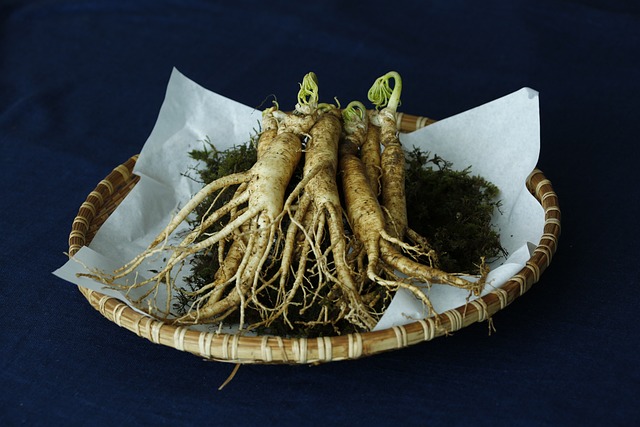
Panax Ginseng exhibits perennial growth, reaching 1-2 feet, with distinctive compound leaves, toothed margins, and clusters of yellowish-green flowers. The meticulously harvested fleshy root, known for its profound medicinal properties, takes center stage in therapeutic applications. The taxonomic diversity within Panax Ginseng encompasses various species:
- Panax ginseng CA Meyer, cultivated in Korea and China, often referred to as Asian ginseng, stands out as the “original” ginseng and has undergone extensive study.
- Panax quinquefolius, cultivated in the United States and Canada.
- Panax notoginseng Burkill from China.
- Panax Japonicus CA Meyer from Japan.
However, caution is necessary, as other plants are marketed as ginseng without belonging to the Panax genus:
- Eleutherococcus senticosus, also known as Siberian ginseng.
- Pfaffia paniculata, also recognized as Brazilian ginseng.
Red and White Ginseng: Insights into Global Cultivation
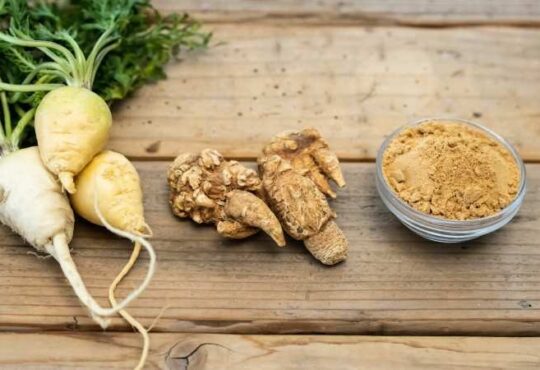
Ginseng is commercially available in two distinct forms: red and white, each characterized by different preparation methods. Red ginseng undergoes a steaming process while still unpeeled before drying, while white ginseng is traditionally peeled and dried. Despite its unique composition, American ginseng similarly turns red after steaming, and both Asian and American varieties share the presence of ginsenosides. The cultivation of ginseng for the global market typically takes place in shaded field conditions, with the plant requiring 3 to 5 years to yield a marketable root. China, Korea, the United States, and Canada stand as the primary ginseng-producing countries.
Phytochemistry of Panax ginseng
Panax Ginseng synthesizes a variety of secondary metabolites, notably terpenes, pivotal in diverse biological functions. Recognized for its richness, Panax Ginseng includes compounds like saponins (ginsenosides), polysaccharides, flavonoids, and amino acids, collectively elevating its biological and medicinal importance.
Ginsenosides in Panax Ginseng
Ginsenosides, recognized as saponins, stand out as the primary bioactive constituents driving the pharmacological efficacy of Panax Ginseng. Categorized as triterpene saponins, they can be broadly divided into dammarane and oleanane groups, distinguished by their carbon skeletons. The nomenclature “Rx,” where “R” signifies the root and “x” denotes chromatographic polarity, further classifies ginsenosides into protopanaxadiol (PPD) groups and protopanaxatriol (PPT) groups. Each group presents unique sugar moieties at specific positions.
Non-Saponin Components in Panax Ginseng
Panax Ginseng boasts significant non-saponin components that contribute to its multifaceted therapeutic potential.
- Polyacetylene Compounds: Panaxydol, panaxynol, and panaxytriol exhibit anti-tumor and antioxidative effects.
- Phenol Compounds: Maltol, with anti-aging effects, is among the specific phenol compounds present in Panax Ginseng.
- Carbohydrates: Panaxans A-U, with hypoglycemic effects and immune system enhancement, play a crucial role.
- Acid Polysaccharides: Exhibiting inhibition activities against active toxohormone-L, these compounds are more abundant in Panax Ginseng compared to other ginseng variants.
- Other Components: Refined oil properties, amino acids, essential amino acids, essential fatty acids, and substances containing nitrogen, protein, and nucleic acid contribute to the comprehensive pharmacological profile of Panax Ginseng.
Empowered Vitality: For Men and Women
Enhancing Male Sexual Function
Nitric Oxide and Erectile Function: Nitric oxide (NO), produced by nitric oxide synthases (NOS) from L-arginine, is a crucial vasodilator. It relaxes the smooth muscles of the penis, widens arteries, and enhances blood flow, vital for erections. Reduced NO in the corpus cavernosum may lead to erectile dysfunction by disrupting this delicate balance.
Ginsenosides and Nitric Oxide: Ginsenosides, specifically the metabolite Rg3 and compound K, derived from the biotransformation of ginsenosides Rb1, Rb2, or Rc, stimulate nitric oxide (NO) production in the endothelial cells of the corpora cavernosa. NO acts by reducing calcium (Ca2+) levels in smooth muscle cells, regulating Ca2+ influx through inflow channels. This reduction in calcium levels leads to the relaxation of smooth muscle in the penis, providing relief from erectile dysfunction.
Boosting Men’s Sexual Vitality: Ginsenosides, specifically Rg3 and Compound K, can alleviate symptoms associated with inflammation, suggesting positive effects on sexual health improvement. Moreover, Panax ginseng exhibits promise in addressing fatigue-related conditions, with studies showcasing enhancements in energy, mood, and mental performance, along with reduced fatigue. These findings imply a broader potential for ginseng in enhancing overall well-being, potentially influencing sexual capacity and vigor.
Ginseng Boosts Female Sexual Function: Panax Ginseng, with its ability to increase nitric oxide synthesis and act as an antioxidant, holds promise for enhancing female sexual function. Research in post-menopausal women demonstrated improvements, particularly in arousal. Beyond addressing mood and fatigue, ginseng’s positive impact extends to women’s endurance during intercourse, showcasing its potential as a natural enhancer for female sexual well-being.
Ginseng: A Health Boost in Every Sip
Ginsenosides in Panax ginseng show promise for neuroprotection, particularly in Alzheimer’s dementia. Clinical studies reveal improved cognitive function in ginseng-treated patients, indicating potential applications for addressing neurodegenerative disorders. Ongoing research explores broader applications of Asian Ginseng in preventing or managing conditions associated with memory loss and cognitive dysfunction, such as senile dementia and cerebral infarct.
Pain Relief Potential: Asian Ginseng, specifically Korean ginseng, shows promise in pain relief by potentially inhibiting the Ca channel on sensory neurons linked to pain transmission. Research indicates antinociceptive effects in diverse pain models, demonstrating its ability to alleviate pain. The detailed mechanisms involve multiple components, reflecting the complexity of its pain-relieving properties.
Anti-diabetic Efficacy: Panax Ginseng, particularly renowned for its anti-diabetic potential, contains compounds like ginseng saponin and ginsenosides, contributing to lowering high blood glucose and treating diabetes, presenting promising prospects for diabetes management.
Liver Function Improvement: Korean Ginseng enhances liver functions, supporting detoxification, protecting against damage, and promoting regeneration. Notably, ginsenosides play a crucial role in these liver-related benefits.
Blood Pressure Regulation: Contrary to misconceptions, Ginseng aids in adjusting blood pressure, showcasing vasodilation activity for improved blood circulation. Ginsenosides, with components like G-Ro, G-Rb1… components, demonstrate antihypertensive effects, potentially benefiting blood pressure control.
Anti-Fatigue Effects: Panax Ginseng, notably Korean red ginseng, has demonstrated significant anti-fatigue properties. Studies reveal a prolonged swimming time effect and improved exercise capability under forced exercise stress, suggesting its potential to combat physical exhaustion effectively.
Anti-Stress Benefits: Korean ginseng proves beneficial in addressing stress-related challenges. It enhances the body’s resilience to unfavorable environments, displaying adaptogenic qualities. Ginsenoside Rb1, a key component, plays a crucial role in preventing stress-induced impairments in reproductive function and brain degeneration. Additionally, Panax ginseng extract exhibits potential protective effects against oxidative stress induced by polychlorinated biphenyls (PCBs).
Immune Functionality: Celebrated for its anti-oxidative prowess, Panax Ginseng goes beyond by fortifying immunization functions. Red ginseng extracts, particularly adept at rejuvenating cellular immune responses, become instrumental post-suppression induced by mitomycin. Ether extracts display a notable surge in the activity of cellular immunity and natural killer (NK) cells, underscoring Panax Ginseng’s potent immunomodulatory prowess.
Anti-Oxidative and Anti-Aging Potency: Panax Ginseng emerges as a potent defender against aging and diseases. Its robust anti-oxidative effects play a pivotal role in mitigating harmful free radicals and lipid peroxidation, addressing age-related changes and offering protection against various diseases, including inflammation, cancer, and brain disorders. The pharmacologically-active components, such as phenolic compounds and polyacetylene compounds, contribute to this formidable defense mechanism.
Managing Stress and Promoting Relaxation: Panax Ginseng is often used to manage stress and promote relaxation. It is thought to have a calming effect on the body and mind, potentially reducing anxiety and aiding in sleep. Incorporating Panax Ginseng into one’s daily routine may provide a natural way to unwind and find moments of tranquility in a hectic world.Ginseng Products
Unlocking Panax Ginseng’s Anticancer Potential
Panax Ginseng exhibits anticancer potential through various mechanisms, involving key chemical components. Ginsenosides like G-Rg3, G-Rb2, and 20(S)-Rg3 contribute to inhibiting cancer cell growth, preventing metastasis, and enhancing the effects of anticancer drugs. These components, found in Korean red ginseng, demonstrate stronger inhibition of tumor cell growth compared to other ginseng varieties. The combination of ginseng with mitomycin C increases anticancer efficacy. Moreover, the herb’s impact on the immune system, facilitated by these chemical compounds, suggests a comprehensive role in cancer prevention and therapy.
Proper Dosage and Usage
1 – Ginseng supplements are available in tablets, capsules, extracts, and powders. Tablets and capsules, typically containing ground-up or extracted ginseng root, are recommended at one to two capsules twice daily with food.
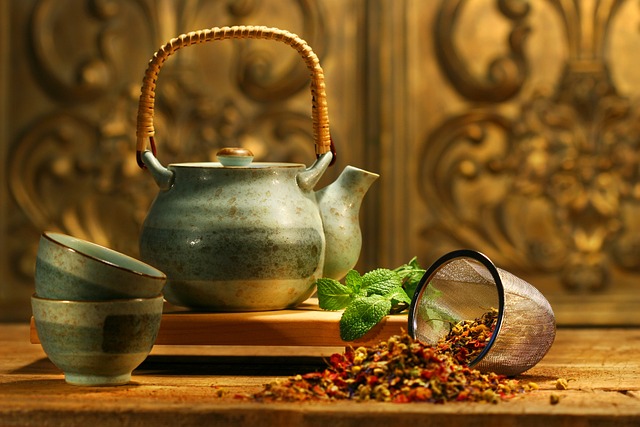
2 – The quantity varies based on supplement strength. Ginseng root extract powder, with higher dosages, can be dissolved in water, juice, or smoothies. Smaller amounts are also added to energy drinks and herbal teas.
3 – According to the Complete German Commission E Monographs, crude dried root powder can be taken at 1 to 2 g daily for up to three months. Clinical trials suggest a dosage range of 0.5 to 3 g/day for crude root and 100 to 800 mg for extracts.
Common Side Effects and Precautions
While Panax Ginseng is generally considered safe when consumed in appropriate doses, it’s crucial to be mindful of potential side effects. Some individuals may experience headaches, digestive issues, or changes in blood pressure. For those with specific medical conditions such as diabetes or high blood pressure, exercising caution is advised, and consulting with a healthcare provider before incorporating Panax Ginseng into their routine is recommended.
Drug Interactions and Contraindications
Panax Ginseng may interact with medications like blood thinners and antidepressants. Inform your healthcare provider about supplement use to avoid conflicts. Ginseng’s effects extend to drugs for clot prevention, pain relief, hormonal therapies, and diabetes management. Caution is needed when combining Ginseng with medications affecting heart rhythm to prevent complications.
Selecting the Ideal Ginseng
To choose the most suitable ginseng, several key criteria should be considered based on proficiency tests of various samples.
- Age: The age of the ginseng is crucial, with older roots, around 5 years or more, being more coveted for their higher concentration of beneficial substances.
- Color: The color, whether white or red ginseng, also plays a role, with red ginseng being renowned for its potency.
- Source: Korean ginseng, in particular, is recognized for its richness in ginsenosides, and the source of the ginseng should be indicated on the product packaging.
- Conditioning: The method of conditioning is significant; while freshly grated ginseng is less common, it can be found in various forms such as powder, paste, capsules, or ampoules, each offering different levels of convenience and dosing options.
FAQ
1. Is Panax ginseng the same as American ginseng?
The nomenclature “ginseng” encompasses both American (Panax quinquefolius) and Asian or Korean ginseng (Panax ginseng), both members of the genus Panax, sharing a somewhat analogous chemical composition. Ginsenosides, believed to confer medicinal properties to ginseng, are present in both Asian and American varieties, albeit in distinct types and quantities.
2. Can ginseng improve libido and address sexual dysfunctions in both men and women?
Yes, ginseng has demonstrated potential benefits in enhancing libido and addressing sexual dysfunctions for both men and women. The active compounds in ginseng, specifically ginsenosides, stimulate nitric oxide production, promoting improved blood flow and circulation, which can positively impact sexual health.
3. Can Panax ginseng help boost energy levels?
Yes, Panax ginseng is often used for its potential energy-boosting properties. It is believed to enhance physical stamina and reduce fatigue by supporting adrenal gland function and improving oxygen utilization in the body. However, it is important to note that individual responses to Panax ginseng may vary, and consulting with a healthcare professional is recommended.
4. Are there any safety concerns associated with Panax ginseng?
Panax ginseng is generally safe when used appropriately, but potential side effects like headaches and digestive issues may occur. It can interact with medications, including blood thinners and diabetes drugs. Consult a healthcare provider before using Panax ginseng, especially if you have underlying health conditions or take other medications.
5. Can pregnant or nursing women use Panax ginseng?
Pregnant and nursing women are advised to avoid Panax ginseng due to limited safety research during these periods. Consulting with a healthcare professional before using any herbal supplements during pregnancy or breastfeeding is recommended for the well-being of both mother and baby.