


What is Leucine?
Leucine, an essential branched-chain amino acid, holds significance in human physiology due to its inability to be synthesized internally, necessitating its acquisition through dietary means. Renowned for its pivotal role in stimulating muscle protein synthesis, leucine facilitates the growth and repair of skeletal muscle tissue. Its indispensability in these processes underscores the crucial contribution of leucine to overall muscular function and health.
The Role of Leucine in Human Health
Leucine, as an essential amino acid, assumes a crucial role in human health through its activation of the mammalian target of rapamycin (mTOR) pathway, a critical regulator of muscle protein synthesis. Robust scientific evidence underscores the efficacy of leucine supplementation in augmenting the anabolic response to protein consumption. This emphasizes leucine’s pivotal contribution to refining muscle protein metabolism, ultimately influencing the overall well-being of skeletal muscle tissue
Leucine and Muscle Growth: Understanding the Link
Leucine, an essential amino acid, plays a starring role in muscle growth. It does this by flipping two key switches:
- Activating mTOR (the target of rapamycin): This chemical acts as a growth signal, telling your muscles to build protein. Leucine gives mTOR the green light to crank up protein synthesis (muscle building).
- Regulating the UPP (ubiquitin proteasome pathway): This system normally breaks down protein, but Leucine puts it on hold. This reduces protein breakdown, allowing the muscle-building process to dominate.
Recommended Leucine Intake for Muscle Building
Fuel your muscles with Leucine for optimal growth! This key amino acid helps build muscle by flipping two switches: it cranks up protein synthesis and slows protein breakdown. Aim for 2-3 grams per serving from leucine-rich foods like chicken or fish, or consider a BCAA supplement. But remember, balance is key. Always consult with a healthcare professional or registered dietitian before making any major changes to your diet.
Leucine and Obesity: A Dual Impact
Leucine, an essential amino acid, is making waves in the fight against obesity. Studies suggest it improves insulin sensitivity, reduces cardiovascular risks, and burns fat more efficiently. Supplementation shows promise, increasing muscle mass, boosting resting energy expenditure, and enhancing satiety. Leucine even shows potential in combating age-related muscle loss (“sarcopenia”), paving the way for interventions against functional decline..
Leucine: Your Metabolic Ally in Weight Management
Leucine isn’t just for muscle building! This versatile amino acid also plays a surprising role in shaping metabolism for weight management. Here’s how:
Fat Burning Powerhouse: Leucine influences fat storage and burning in your body’s “power stations” like muscles and brown fat. Studies suggest it can boost your body’s ability to burn fat, especially when combined with a healthy diet.
Lean Muscle Guardian: Leucine helps preserve lean muscle mass, which is essential for burning more calories at rest and keeping your metabolism strong. This is especially important during weight loss, as losing muscle can slow down your metabolism.
Appetite Tamer: Feeling like overeating? Leucine can help! It increases feelings of fullness and satisfaction after meals, making you less likely to reach for unhealthy snacks. So, it’s a double win: you burn more fat and eat less!
Leucine: Brain Booster and Master of Metabolism
Leucine is more than just a muscle-building hero! This amazing amino acid plays a multifaceted role in your brain, keeping it sharp and functioning at its best. Here’s how:
Brain Fuel Master: Leucine acts as a key regulator for enzymes involved in your brain’s energy metabolism. Think of it as the efficiency manager, ensuring your brain gets the fuel it needs to fire up those neurons and power your thoughts.
Glutamate Guru: Leucine plays a vital role in the glutamate/glutamine cycle, maintaining the delicate balance of this key neurotransmitter. Glutamate is like the messenger in your brain, responsible for carrying signals between neurons. Leucine keeps the communication flowing smoothly!
Cognitive Champion: Recent research suggests that supplementing with leucine can actually boost your cognitive function. This includes improving memory, attention, and even problem-solving skills. So, if you’re looking for a natural brainpower boost, leucine might be your new best friend!
Leucine and Immune Function
Think of leucine as your immune system’s secret weapon. This versatile amino acid goes beyond just building muscles! Here’s how it keeps you healthy and strong:
Soldier Factory: Leucine fuels the production of immune cells and proteins, the frontline soldiers protecting your body from invaders. It’s like providing your army with the best equipment and training.
Balanced Response: Leucine helps regulate the mTOR pathway, a key player in immune response. Imagine this pathway as a conductor, ensuring your immune system fights effectively without going overboard. With leucine’s help, your body can target threats while avoiding harmful overreactions.
Beyond Daily Defense: Some research suggests leucine supplementation might even help prevent immune-related disorders like infections, allergies, and autoimmune diseases. Think of it as building a stronger fortress against future threats.
Exploring the Food Sources of Leucine
Looking to pack a punch of leucine into your diet? This essential amino acid plays a vital role in muscle building, metabolism, and even immunity. Luckily, finding leucine-rich foods is easy, whether you’re a meat lover or plant-based pro:
Meat-eaters, Rejoice!
- Chicken: Breast, thigh, or wings – all deliver a healthy dose of leucine.
- Beef: Lean cuts like sirloin or flank steak are excellent sources.
- Fish: Salmon, tuna, and cod are swimming with leucine goodness.
- Eggs: A classic breakfast choice packed with protein and leucine.
- Dairy: Milk, cheese, and yogurt offer a creamy way to get your leucine fix.
Plant-Based Powerhouses:
- Legumes: Lentils, chickpeas, and beans are protein-packed champions, rich in leucine.
- Nuts: Almonds, walnuts, and peanuts are satisfying snacks with a leucine punch.
- Seeds: Pumpkin, sesame, and hemp seeds are tiny powerhouses of leucine and other nutrients.
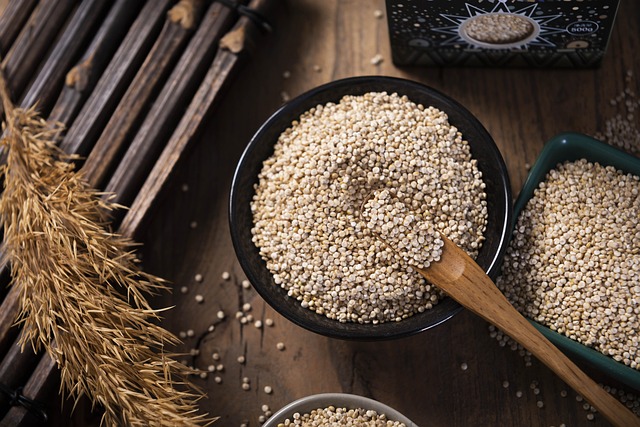
- Whole grains: Quinoa, brown rice, and oats provide sustained energy and a dose of leucine.
How Much Leucine Do You Need? It Depends!
Leucine, an essential amino acid, plays a vital role in muscle building, metabolism, and even your immune system. But how much do you need?
The general recommendation for adults is 2-3 grams per day, but this can vary depending on:
- Your age: Growing bodies need more leucine than adults.
- Your gender: Men typically require slightly more leucine than women.
- Your activity level: Athletes and active individuals have higher leucine needs.
The best way to determine your specific leucine needs is to consult a healthcare professional or registered dietitian. They can consider your individual factors and recommend a personalized intake.
| FAQ 1. How much leucine should I consume daily? While individual needs may vary, it is generally recommended to consume around 2-3 grams of leucine per meal or 0.05-0.06 grams of leucine per kilogram of body weight per meal. However, consulting with a healthcare professional or registered dietitian can help determine the specific leucine requirements based on factors such as age, health status, and fitness goals. 2. Can I obtain enough leucine from plant-based sources? Absolutely! While animal-based sources like meat, dairy, and eggs are rich in leucine, there are also numerous plant-based sources available. Legumes, tofu, tempeh, quinoa, and nuts are among the plant-based foods that provide a good amount of leucine. By incorporating a variety of these plant-based sources into your diet, you can easily meet your leucine needs. 3. Are there any risks associated with consuming too much leucine? Generally, there are no significant risks associated with consuming leucine from food sources. However, excessive consumption of leucine in the form of supplements can potentially disrupt the balance of amino acids in the body. It is always advisable to obtain nutrients, including leucine, from whole foods as part of a balanced diet rather than relying heavily on supplements. |