

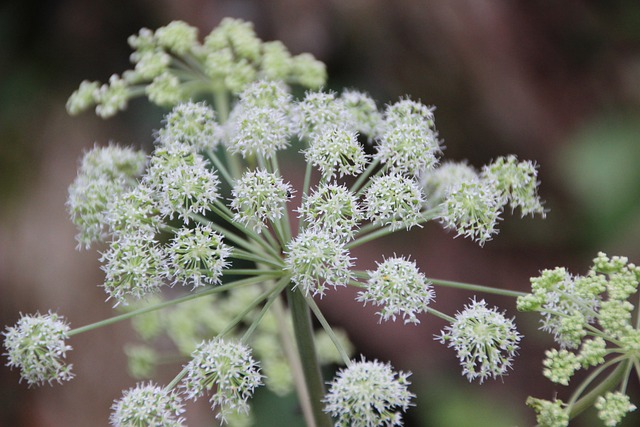
Angelica archangelica, Angelica, حشيشة الملاك, 当归, Engelwurz, Angélique, Angélica, , Ангелика, Melek otu, Engelsk angelik
What is Angelica?
Angelica: a fascinating genus encompassing roughly 90 aromatic herb species resides within the Apiaceae family. One specific plant, also bearing the name Angelica, originates from the cool regions of Northern Europe and boasts a rich history of use in traditional medicine and culinary practices, renowned for its distinctive aroma and purported health benefits.
Distinguishing European and American Varieties:
Historically, European Angelica or true Angelica (Angelica archangelica) and American Angelica (Angelica atropurpurea) have been considered to possess different properties, although a comprehensive scientific analysis has yet to confirm these distinctions.
Asian Angelica and Its Medicinal Significance:
Within Asia, Angelica sinensis, also known as dong quai, reigns as the genuine and traditional medicinal angelica, native to China and esteemed for its effectiveness over centuries. Alongside this, Angelica acutiloba, a Japanese angelica species, has been cultivated. While cultural perspectives might differ, research suggests comparable therapeutic effects between dong quai and Japanese angelica.
Understanding “Angelica Root”: A Case of Two Species:
The term “Angelica root” typically refers to either Angelica archangelica (A. archangelica) or Angelica sinensis (A. sinensis). Traditionally, in European countries, A. archangelica finds use in managing digestive issues and uplifting mood, whereas in traditional Chinese medicine, A. sinensis holds a prominent role for promoting hormonal balance and supporting liver health.
A. archangelica vs. A. sinensis: A Comparative Overview
1. Unveiling the Origins:
- Angelica archangelica: This species, also known as Norwegian angelica, hails from the cool climates of Northern Europe, particularly flourishing in countries like Sweden, Norway, and Iceland. Interestingly, it thrives in various other European regions as well.
- Angelica sinensis: Commonly referred to as dong quai or female ginseng, this herb originates from East Asia, specifically China, Japan, and Korea.
2. Traditional Uses:
- Angelica archangelica: This versatile plant serves both medicinal and culinary purposes. Traditionally, it has been used to:
- Address digestive issues
- Relieve gas
- Improve mood
- Enhance culinary dishes as a distinctive flavoring agent (often referred to as garden angelica)
- Different parts of the plant, like the root, seed, and flower, hold various therapeutic properties.
- Angelica sinensis: In traditional Chinese medicine, this species, primarily the root, plays a crucial role in addressing female hormonal issues.
3. A Glimpse into History and Folklore:
Angelica is steeped in captivating historical narratives and mystical beliefs.
- Scandinavian folklore: Angelica was believed to ward off evil spirits and provide protection.
- Origin of the name “archangelica”: It reportedly stems from a medieval tale where an angel revealed its healing properties to a monk in a dream.
Chemical Composition of Angelica archangelica
Angelica archangelica, renowned for its therapeutic potential, boasts a rich chemical composition that underpins its pharmacological significance. Abundant in coumarins (angelicin, bergapten, xanthotoxin, umbelliferone) and flavonoids (archangelone, caffeic acids), the plant also contains a volatile oil blend composed of α-pinene, borneol, limonene, and macrocyclic lactones. These constituents collectively form the intricate pharmacological basis of Angelica archangelica, suggesting promising therapeutic applications.
Components:
- Coumarins (Group: Benzopyrones)
- Angelicin: Anti-inflammatory, antioxidant
- Bergapten: Photosensitizer, anti-inflammatory
- Xanthotoxin: Photosensitizer, antifungal
- Umbelliferone: Antioxidant, anti-inflammatory
- Flavonoids (Group: Polyphenols)
- Archangelone: Antioxidant, anti-inflammatory
- Caffeic acids: Anti-inflammatory, antimicrobial
- Volatile Oils (Group: Terpenes)
- α-pinene: Anti-inflammatory, antimicrobial, fragrant
- Borneol: Anti-inflammatory, antispasmodic, fragrant
- Limonene: Anti-inflammatory, antioxidant, fragrant
- Macrocyclic lactones: Antimicrobial, fragrant
Health Benefits of Angelica archangelica
Digestive Aid: Angelica root, with its warming effect and stimulating bitter compounds, helps kickstart digestion. Scientific analysis reveals its richness in furanocoumarins, which may contribute to its digestive benefits. Additionally, various parts of the plant, especially the fruit, possess properties that aid digestion, reduce gas, and promote overall digestive health.
Anti-inflammatory Powerhouse: Angelica’s anti-inflammatory and pain-relieving properties make it a traditional remedy for arthritis and muscle pain. Key components like ferulic and isoferulic acid effectively inhibit inflammatory proteins, providing relief.
Immune System Support: Rich in antioxidants like coumarins and flavonoids, Angelica helps fight free radicals and protects against inflammation. However, further research is needed to definitively confirm its immune-boosting effects.
Hope for Dementia Management: Recent studies suggest Angelica’s potential in improving symptoms associated with dementia. Its ferulic acid content shows promise in addressing behavioral and psychological issues, while remaining safe for use.
Stress Relief and Relaxation: Angelica’s calming properties, thanks to its terpenes and coumarins, make it a valuable ally in managing stress and anxiety. Studies confirm its effectiveness in treating anxiety disorders, and it can also promote better sleep, contributing to overall well-being.
Hormonal Balance: While Angelica shows promise in balancing hormones and benefiting women’s health, consulting a healthcare professional is crucial before using it due to potential interactions with medications or health conditions.
Culinary Uses of Angelica
Angelica, renowned for its unique flavor and health benefits, offers versatility in the kitchen. From root to seed, this plant enhances a variety of dishes and confectionery creations. Culinary applications include:
- Candied angelica stems: Adds a prized aroma to cakes and pastries.
- Angelica jam: Preserves the plant’s distinct flavor for sweet spreads and culinary delights.
- Angelica-infused beverages: Provides a flavorful twist to teas, cocktails, and infused waters.
- Angelica leaves in salads: Offers a fresh, herbal addition to salads and savory dishes.
- Norwegian-style angelica soup: A traditional dish featuring angelica as a key ingredient, known for its comforting flavors and nutritional benefits.
Angelica: From Traditional Herb to Modern Supplement
In modern health practices, Angelica has transitioned into a supplement ingredient, offering potential health benefits. Available in various forms like capsules, extracts, and tinctures, Angelica supplements are utilized for their therapeutic properties. To ensure safe and effective usage, it’s essential to follow recommended dosage guidelines provided by healthcare professionals or product labels.
Important Considerations:
- Allergies and Interactions: Always proceed with caution by performing a patch test or consulting a healthcare professional to rule out allergies. Additionally, inform your doctor about any supplement use to avoid potential interactions with medications.
- Dosage: Adhere to safe and recommended dosages, which can vary depending on the format and application. Follow product instructions or consult a healthcare professional for guidance
Angelica sinensis
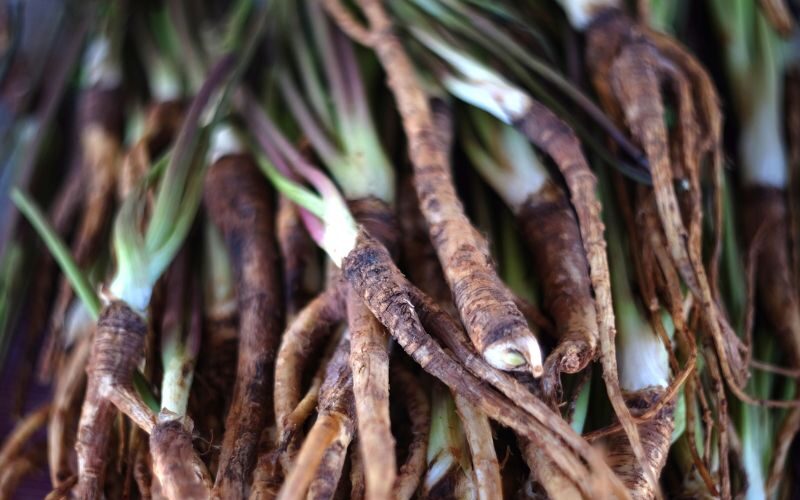
Angelica sinensis, known as “dong quai” or “dang gui” in China, is deeply ingrained in traditional Chinese medicine with a history spanning over two thousand years. Its dried root, called Dang gui, is a fundamental component in traditional Chinese remedies. Distributed widely in China, Korea, Japan, Europe, and America, it has historical recognition for its efficacy in addressing gynecological concerns, earning the colloquial title of “female ginseng.”
Deciphering the Chemical Complexity of Angelica Sinensis
Angelica sinensis boasts a diverse chemical composition that contributes to its potential use in traditional medicine. Here’s a breakdown of its key components:
1. Foundational Building Blocks:
- Ferulic acid: This abundant component exhibits anti-inflammatory and immune-boosting properties.
- Z-ligustilide: This versatile compound offers potential benefits against inflammation, cancer, neurodegenerative disorders, and liver damage.
- N-butylidenephthalide: This compound is recognized for its potential in combating inflammation, cancer, and cardiovascular problems.
2. Beyond the Basics: Exploring Polysaccharides and the Essential Oil:
Angelica sinensis further possesses a range of polysaccharides and an essential oil containing unique components:
- Polysaccharides: These complex carbohydrates are currently being studied for their potential health benefits, but further research is needed to fully understand their role.
- Essential oil: While the exact medicinal impact of the essential oil is still under investigation, it contains potentially beneficial compounds like carvacrol, linoleic acid, palmitic acid, and sequiterpene.
Health Benefits of Angelica Sinensis
Angelica sinensis, offers diverse health benefits. It features antioxidants, stimulates immune function, and may inhibit the growth of cancer cells. Traditionally employed for amenorrhea and menopausal hot flushes, ongoing exploration includes its potential in reducing pulmonary hypertension in chronic obstructive pulmonary disease.
Anti-Depressive Potential:Angelicae Sinensis Radix (AS) has been used in traditional Chinese medicine for its blood-replenishing properties. Recent studies suggest AS may possess anti-depressive effects. AS modulates the blood system, potentially alleviating depression by improving energy metabolism. Key mechanisms include inhibition of pyruvate dehydrogenase lipoamide kinase isozyme 1 (PDK-1) and lactate dehydrogenase A (LDHA).
Anti-Inflammatory Properties: Angelica sinensis exhibits significant anti-inflammatory effects. the anti-inflammatory action of Angelica sinensis becomes particularly relevant. By inhibiting crucial inflammatory markers and pathways, it holds potential in alleviating inflammation associated with neurological conditions.
Harmony in Hormones: Angelica Sinensis emerges as a vital ally in maintaining hormonal balance, addressing an array of health concerns linked to hormonal imbalances. Whether confronting issues like unwanted weight gain, sleep disruptions, or mood disorders, this herb exhibits a unique dual capability. It adeptly reduces elevated estrogen levels and elevates them when too low, showcasing versatile effectiveness that extends beyond menopause, offering a natural remedy for symptoms like hot flashes.
Stroke Prevention with Angelica Sinensis : Angelica Sinensis may have a potent preventive effect against strokes, reducing cerebral infarction size and enhancing neurological deficit scores. Its multifaceted action includes improving microcirculation, combating platelet aggregation, and exhibiting anti-inflammatory and antioxidant effects.
Natural Libido Support: A. sinensis, may have potential benefits for female sexual dysfunction or loss of sex drive. Traditional Chinese medicine recommends its use to optimize female hormones, promoting greater sensitivity and responsiveness. This herb is considered a natural approach to enhancing libido, providing potential support for sexual well-being.
Healing Power Against Ulcers: Angelica Sinensis displays promise in addressing gastric ulcers, a prevalent issue impacting a broad population. Polysaccharides within the herb exhibit potent anti-inflammatory effects, by reducing ulcer size and promoting increased mucus synthesis, potentially preventing the recurrence of ulcers.
Cancer-Fighting Potential: Danggui, also known as Radix Angelica Sinensis, is a prominent component in traditional Chinese medicine. Its bioactive compound, N-butylidenephthalide (BP), shows promise as an antitumor agent against various cancers. While its effectiveness is acknowledged, the clinical impact and specific mechanism of BP in treating gastric cancer remain to be elucidated. Additionally, BP demonstrates potential as an antitumor agent against brain cancer, exhibiting efficacy with minimal toxicity and targeting genes associated with brain tumors. Further research is needed to explore its comprehensive therapeutic applications.
Cautionary Notes for Dong Quai
1. Allergic Reactions:
- Seek immediate medical attention if you experience any of the following symptoms after consuming Dong Quai:
- Hives
- Difficulty breathing
- Swelling of the face, lips, tongue, or throat
2. High Blood Pressure (Hypertension):
- Use Dong Quai with caution if you have high blood pressure.
- Consult your healthcare provider before using Dong Quai to discuss its potential interactions with your medications and overall health.
3. Severe Skin Reactions:
- Discontinue use of Dong Quai immediately if you experience any of the following skin reactions:
- Intense burning sensation
- Redness
- Swelling
4. Bruising or Bleeding:
- Stop using Dong Quai and consult your healthcare provider if you experience:
- Easy bruising
- Increased bleeding
5. Long-Term Use:
- Avoid using Dong Quai for extended periods without guidance from a qualified healthcare professional.