

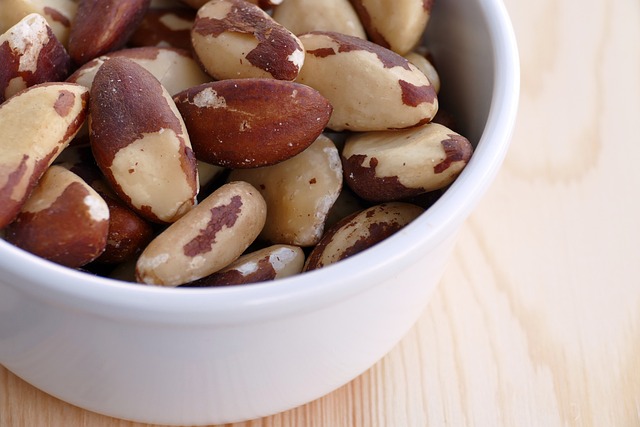
Selenium, often underestimated but vital for overall health, functions as a crucial trace mineral with antioxidant properties, supporting thyroid regulation and bolstering the immune system. While it may not always take center stage, its significance is worthy of acknowledgment. Foods rich in selenium include Brazil nuts, tuna, halibut, sardines, roasted ham, shrimp, enriched macaroni, and turkey. These foods, each with its unique savory appeal, collectively showcase the diverse and delicious ways to incorporate this essential trace mineral into our diets.
Exploring the Benefits of Selenium for Overall Well-being
Selenium’s Impact on Immune Function: When it comes to fighting off pesky intruders, your immune system needs all the help it can get. Selenium swoops in to the rescue by supporting immune cell function and enhancing your body’s defense against infections and diseases, making it your ally in fighting off pesky intruders.
Selenium’s Role in Supporting Thyroid Health: The thyroid, a small but mighty gland, plays a significant role in regulating your body’s metabolism and energy levels. Selenium acts as a loyal sidekick to your thyroid, helping it produce and convert hormones effectively, ensuring vitality and well-being.
Selenium as an Antioxidant for Cellular Protection: Picture this: your cells as tiny fortresses, constantly under attack from free radicals. Enter selenium, armed with its superhero cape of antioxidant powers. This mineral swoops in to neutralize those free radicals, preventing damage to your cells and reducing the risk of chronic diseases, acting as a shield for your body’s microscopic defenders.
Selenium’s Impact on Cognitive Health: Selenium scavenges free radicals, preventing oxidative damage to brain cells and supporting neurotransmitter synthesis, crucial for cognitive function.
Selenium’s Role in Heart Health: Selenium’s antioxidant properties neutralize free radicals, regulating blood pressure and cholesterol levels, and enhancing heart muscle function.
Selenium’s Contribution to Fertility and Reproductive Health: Selenium supports DNA integrity in sperm and oocytes, crucial for healthy gamete formation and hormone balance, essential for reproductive function. In women, selenium helps maintain hormone balance, supporting ovarian function and menstrual cycle regulation, thereby promoting fertility and reproductive health.
Selenium’s Effect on Mood and Mental Well-being: Selenium aids in neurotransmitter synthesis, such as serotonin, regulating mood, and protects brain cells from oxidative stress, promoting emotional well-being.
Selenium Sources: Meat, Legumes, Grains, and More
Understanding dietary sources of selenium
Now that we know how remarkable selenium is, let’s talk about where we can find it. Although it may not be as flashy as some other nutrients, selenium can be found in various food sources. Meat, legumes, grains, seafood, and even some nuts and seeds are all excellent sources of this mighty mineral.
Recommended daily selenium intake
While the exact amount of selenium your body needs depends on factors such as age and sex, the recommended daily intake for adults ranges from 55 to 70 micrograms. So, whether you’re a meat lover or a grain enthusiast, it’s important to ensure you’re getting enough selenium to keep your body in tip-top shape.
Selenium-Rich Meat: Enhancing Health and Vitality
Selenium content in different types of meat
Looking to boost your selenium levels? Well, food enthusiasts, you’re in luck! Different types of meat, such as chicken, beef, and pork, contain varying amounts of selenium. So, whether you prefer a juicy steak or a tender chicken breast, you can get your dose of selenium while satisfying your savory cravings.
Health benefits of consuming selenium-rich meats
Not only do selenium-rich meats please your taste buds, but they also offer a host of health benefits. From supporting immune function and thyroid health to protecting your cells from oxidative stress, consuming selenium-rich meats can give your overall health and vitality a delightful boost.
Tips for including selenium-rich meat in your diet
Incorporating selenium-rich meats into your diet can be simple and delicious. From seared chicken breasts to tantalizing beef stews, there are countless ways to enjoy the benefits of selenium. It’s important to note that while eating meat is a good source of selenium, it’s crucial to consume appropriate portions without excess. Opting for farm chicken or meat from biological farming practices can further enhance the nutritional quality of your meals.
Selenium in Fish and Shellfish
Fish and shellfish, collectively referred to as “seafood,” are valuable components of a well-rounded diet, offering an array of health benefits. Rich in protein, essential vitamins, and heart-healthy omega-3 fatty acids, seafood plays a crucial role in supporting overall well-being. Yellowfin tuna stands out as an excellent source of selenium, providing about 92 mcg per 3 ounces (oz). This is followed by other selenium-rich options like sardines, oysters, clams, halibut, shrimp, salmon, and crab. Choosing low-contaminant options ensures that you enjoy the nutritional advantages of selenium without compromising your health, making seafood a valuable and cautious addition to a balanced diet.
Selenium in Legumes: Nutritional Empowerment
Selenium content in various legumes
Legumes may not be as flashy as other foods, but they pack a punch when it comes to selenium content. Some selenium-rich legumes include chickpeas, lentils, and black beans. Who knew that these humble legumes could also be supercharged with this essential nutrient?
Health benefits of selenium-rich legumes
Adding selenium-rich legumes to your diet can have a positive impact on your health. Selenium is known for its antioxidant properties, which means it helps protect our cells from damage. It also plays a crucial role in supporting our immune system and thyroid function.
Creative ways to incorporate legumes into your meals
Legumes may not be everyone’s cup of tea, but that doesn’t mean you can’t get creative with them. Try making a hearty chickpea salad with fresh vegetables, or whip up a flavorful lentil curry. You can also toss black beans into a delicious burrito bowl or use them to make a tasty bean dip. The possibilities are endless, and your taste buds will thank you!
Selenium’s Health Boost in Grains
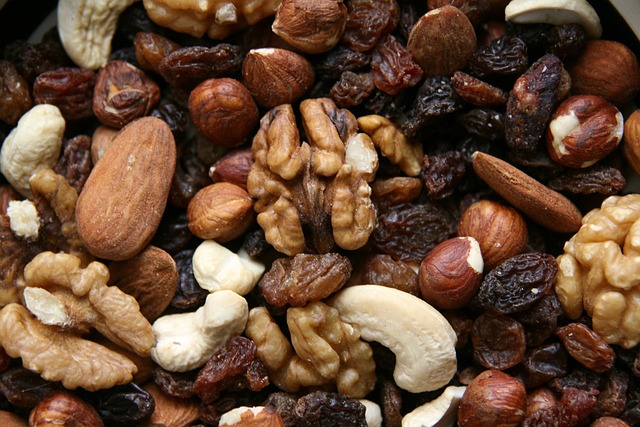
Selenium content in different types of grains and seeds
Grains and seeds are not only delicious and versatile; they also provide an excellent source of selenium, essential for various bodily functions. Among these, Brazil nuts stand out as one of the most potent sources of selenium. In addition to Brazil nuts, other selenium-rich grains and seeds include oats, brown rice, flaxseeds, and sunflower seeds. So, next time you reach for that bowl of oatmeal or sprinkle some seeds on your salad, remember that you’re also fueling your body with selenium, promoting overall health and well-being.
Health benefits of selenium-rich grains and seeds
Incorporating selenium-rich grains and seeds into your diet can yield numerous health benefits. Selenium is known to reduce inflammation, support heart health, and enhance cognitive function. So, feel free to elevate your meals by adding a sprinkle of flaxseeds to your morning yogurt or savoring a nutritious bowl of brown rice for dinner.
Delicious recipes featuring selenium-rich grains and seeds
Boost your selenium intake with diverse options like Brazil nuts, almonds, sunflower seeds, and quinoa. Incorporate these nutrient-rich ingredients into your meals for a delicious and nourishing boost. From savory salads to hearty grain bowls, the possibilities are endless for enhancing your diet with selenium-packed foods.
- Brazil Nut Pesto Pasta:
- Blend Brazil nuts, basil, garlic, olive oil, and Parmesan cheese to make a flavorful pesto sauce.
- Toss the pesto with cooked pasta and cherry tomatoes for a quick and delicious meal.
- Almond Crusted Chicken:
- Dip chicken breasts in beaten egg, then coat with a mixture of ground almonds and breadcrumbs.
- Bake until golden and crispy for a tasty and protein-rich dish.
- Sunflower Seed Salad:
- Toss mixed greens with sliced strawberries, feta cheese, and toasted sunflower seeds.
- Drizzle with balsamic vinaigrette for a refreshing and nutritious salad.
- Walnut-Quinoa Stuffed Bell Peppers:
- Cook quinoa according to package instructions and mix with chopped walnuts, diced bell peppers, black beans, corn, and spices.
- Stuff the mixture into halved bell peppers and bake until tender for a satisfying and protein-packed meal.
- Chia Seed Pudding:
- Mix chia seeds with your choice of milk (such as almond milk), sweetener, and flavorings like vanilla or cocoa powder.
- Refrigerate overnight until thickened for a delicious and healthy breakfast or dessert option.
- Flaxseed Energy Bites:
- Combine ground flaxseeds, oats, almond butter, honey, and dark chocolate chips in a bowl.
- Roll the mixture into small balls and refrigerate until firm for a nutritious and energizing snack.
- Hemp Seed Smoothie:
- Blend hemp seeds with banana, spinach, almond milk, and a scoop of protein powder for a creamy and nutrient-rich smoothie.
- Sesame Crusted Tofu Stir-Fry:
- Press tofu to remove excess water, then coat with sesame seeds and pan-fry until crispy.
- Stir-fry with your favorite vegetables and a savory sauce for a satisfying and plant-based meal.
- Pumpkin Seed Granola:
- Mix rolled oats, pumpkin seeds, coconut flakes, maple syrup, and cinnamon in a bowl.
- Spread the mixture on a baking sheet and bake until golden and crunchy for a delicious homemade granola.
- Quinoa Salad with Chickpeas and Vegetables:
- Cook quinoa and toss with chickpeas, diced cucumber, cherry tomatoes, red onion, parsley, and a lemon-herb vinaigrette for a refreshing and protein-packed salad.
Selenium Deficiency and Health Risks: Why Adequate Intake Matters
Understanding the consequences of selenium deficiency
When it comes to selenium, too little can cause big problems. Selenium deficiency can lead to various health issues, including weakened immune function, cognitive decline, and thyroid problems. It’s essential to ensure you’re getting enough selenium to keep your body functioning at its best.
Health risks associated with low selenium levels
Low selenium levels can put you at risk for certain health conditions. Studies have linked selenium deficiency to an increased risk of certain cancers, cardiovascular diseases, and even male infertility. Taking selenium intake seriously is not just a matter of staying healthy; it’s a proactive step towards reducing these potential risks.
Selenium Deficiency’s Impact on Reproductive Health
Selenium deficiency significantly affects reproductive health, contributing to male infertility and erectile dysfunction. This deficiency, associated with broader health issues like heart disease and cancer, damages reproductive cells and disrupts testosterone production. Men with low selenium may experience diminished sexual desire, erection difficulties, and ejaculation problems. Importantly, selenium deficiency is not exclusive to men; women may face increased risks of miscarriage and pregnancy complications. Selenium’s pivotal role in immune function underscores the importance of maintaining optimal levels for overall health and well-being in both genders.
Identifying signs of selenium deficiency
If you suspect you might be lacking selenium, keep an eye out for some common signs. These include fatigue, muscle weakness, hair loss, and changes in mood. However, it’s important to consult with a healthcare professional for a proper diagnosis and guidance.
Remember, selenium is just one piece of the puzzle when it comes to a healthy diet. Be sure to balance your selenium intake with other essential nutrients to achieve overall nutritional adequacy. Embrace a varied and colorful diet that includes fruits, vegetables, whole grains, and lean proteins to ensure you’re giving your body all the goodness it needs.
FAQ
1. How much selenium do I need in my diet?
Recommended daily selenium intake varies depending on age, sex, and overall health. However, the general guideline for adults is around 55 micrograms per day. It is always a good idea to consult with a healthcare professional or a registered dietitian to determine your specific selenium needs.
2. Can I get enough selenium from plant-based sources alone?
Absolutely! While animal products like meat are known to be rich in selenium, there are several plant-based sources that can provide an adequate amount of selenium in your diet. Legumes, grains, nuts, and seeds are great options for individuals following a vegetarian or vegan lifestyle to ensure they meet their selenium requirements.
3. What are the signs of selenium deficiency?
Common signs of selenium deficiency include fatigue, weakened immune function, hair loss, and skin problems. In severe cases, it can lead to conditions like Keshan disease, which affects the heart, or Kashin-Beck disease, which affects the bones and joints. If you suspect a selenium deficiency, it is crucial to consult with a healthcare professional for proper diagnosis and guidance.
4. Can I take selenium supplements instead of relying on food sources?
Selenium supplements can be an option for individuals with specific dietary restrictions or those struggling to meet their selenium needs through food alone. However, it is important to use supplements under the guidance of a healthcare professional, as excessive selenium intake can be harmful. It is generally recommended to focus on obtaining nutrients from a well-balanced diet before considering supplements.