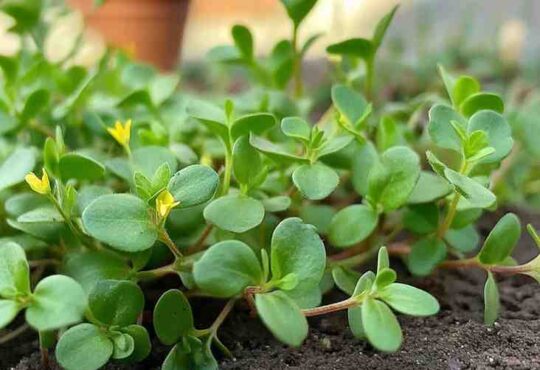


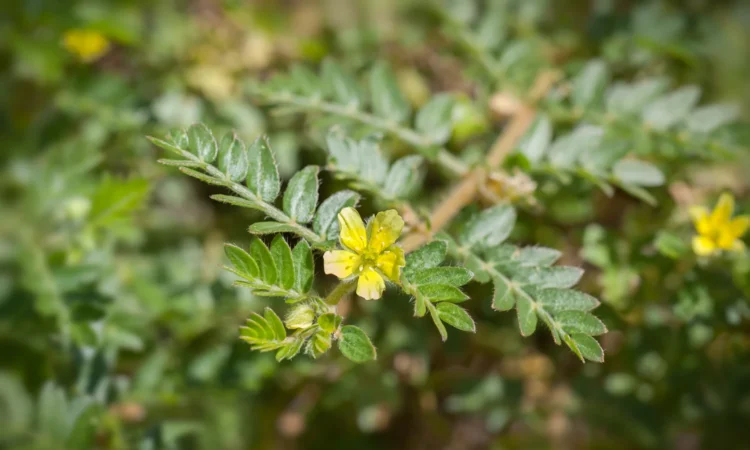
Tribulus Terrestris, Puncture vine, الحسك – القطب, 蒺藜, Erd-Burzeldorn, Якорцы стелющиеся, Erdsternchen, Tribule terrestre, Τρίβολος, 남가새, Demir dikeni, Rumpetorn, Gokshura, ハマビシ, Roseta francesa.
What is Tribulus Terrestris?
Tribulus Terrestris, also known as puncture vine, is a plant native to warm regions of Asia, Europe, and Africa. It belongs to the Zygophyllaceae family. This herb has a long history of use in traditional medicine systems like Ayurveda and Traditional Chinese Medicine.
Traditional Uses and Potential Benefits
Tribulus Terrestris thrives in warm climates across the Mediterranean, Europe, Asia, Africa, and even Australia. Throughout history, it has been used to improve energy levels, sexual function, and reproductive health, particularly in men. Additionally, it’s been explored for its potential role in treating various conditions like kidney stones, low blood pressure, diabetes, heart problems, and digestive issues.
Chemical Makeup of Tribulus Terrestris
Tribulus Terrestris contains a variety of chemical compounds that contribute to its potential health benefits. These can be broadly classified into two main groups:
Secondary metabolites: These are plant compounds that are not directly involved in essential life processes but may offer other advantages. Tribulus Terrestris contains several types of secondary metabolites, including:
- Flavonoids and flavonol glycosides: Antioxidant powerhouses like kaempferol, rutin, and isoquercetin that protect cells from damage.
- Alkaloids: Nitrogen-containing compounds with various effects on the body. Specific examples include harmaline and harman, but their role in Tribulus Terrestris requires further investigation.
Steroidal saponins: This unique group of compounds is believed to be responsible for the plant’s potential health benefits. Some specific examples include:
- Protodioscin
- Furestanol glycosides
- Tribestin
Recent studies suggest these saponins play a role in reducing inflammation and improving hormonal function.
Health Benefits of Tribulus Terrestris
Tribulus Terrestris, a versatile herb with a surprising number of nicknames (puncture vine, goathead, caltrop, devil’s thorn, and tackweed to name a few), is gaining recognition for its potential health benefits. Let’s explore some of the key areas where TT might play a role:
A Natural Spark for Sexual Health

Tribulus Terrestris (TT) is gaining traction as a natural supplement for enhancing both sexual function and fertility in men. Let’s explore the science behind its potential benefits:
1. Reigniting Desire and Performance:
- TT’s Role: Research suggests TT extracts can be a potent ally for a fulfilling sex life. In men, studies indicate improvements in sperm quality and motility, as evidenced by increased count, motility, and viability. This can potentially boost fertility. For women, TT may alleviate symptoms associated with menopause, like decreased libido.
- The Science Behind It: While the exact mechanism remains under investigation, TT is believed to influence hormone regulation related to sexual function. It might play a role in optimizing hormone levels that contribute to a healthy sex drive and performance. Additionally, studies suggest TT may act through pathways involving DHEA, a neurosteroid that can enhance sexual desire.
2. Enhancing Male Fertility: The Role of Protodioscin
Clinical trials and animal models consistently demonstrate the potential of Tribulus Terrestris for male fertility. Studies have shown that TT supplementation:
- Improves body composition and hormone levels.
- Leads to significant enhancements in sperm quality parameters, including count, motility, and viability.
These findings support the therapeutic use of Tribulus Terrestris, particularly the key compound protodioscin, for male fertility concerns.
3. Beyond Testosterone Boosting:
Traditionally, TT has been associated with testosterone enhancement. However, the evidence is mixed:
- TT’s Role: While some athletes report improved performance after using TT, human studies haven’t yet definitively confirmed a direct testosterone-boosting effect.
- The Science Behind It: Animal studies are encouraging, suggesting TT’s potential to influence testosterone levels. However, more robust human trials are needed to solidify this claim.
4. Enhancing Sperm Motility for Increased Fertility Potential:
The positive effects of TT on sperm health are well-documented:
- TT’s Role: Studies have shown significant positive effects of TT extract on sperm motility and viability in men. This translates to healthier, more mobile sperm, potentially increasing the chances of conception.
- The Science Behind It: TT’s antioxidant properties, attributed to its active constituents, may improve sperm parameters under stress conditions by scavenging free radicals. Additionally, it might regulate certain cellular pathways (Nrf-2 and HO-1) that enhance antioxidant enzyme activity, further contributing to sperm health.
| Men’s Health Benefits: Improved Sperm Quality: TT significantly increases sperm count, motility, and viability, potentially boosting fertility. Enhanced Libido: Studies suggest TT improves sex drive in men, possibly by optimizing hormone levels. Healthy Sperm Motility: TT increases sperm motility, leading to potentially higher chances of conception. |
5.A Potential Ally for Female Sexual Health:
Protodioscin (a steroidal saponin found in Tribulus Terrestris) may influence hormonal activity by increasing the release of luteinizing hormone (LH), potentially stimulating androgen production linked to female sexual desire.
- Chemical Component: Protodioscin (steroidal saponin)
- Benefits (Potential): Early research suggests Tribulus Terrestris may act as a natural sexual stimulant for women due to its potential effects on androgen production. However, more robust scientific evidence is needed.
| Tribulus Terrestris (TT) and Female Sexuality – May increase testosterone levels, potentially impacting sexual function. – Studies suggest improved sexual function scores in women with low desire (HSDD) who took TT compared to placebo. |
TT: Unveiling Antioxidant and Anti-Inflammatory Potential
Tribulusamide D (A Natural Anti-Inflammatory Ally): Recent research has shed light on a specific compound within Tribulus Terrestris called Tribulusamide D. This compound shows promise as a natural anti-inflammatory agent. Studies suggest it may work by suppressing the production of inflammatory mediators and cytokines, offering a potential future therapeutic option for treating inflammation-related diseases.
Antioxidant Power: TT exhibits robust antioxidant activity, attributed to its water-soluble polysaccharides. These constituents scavenge extracellular reactive oxygen species (ROS), shielding cells from oxidative damage induced by triggers like AAPH or γ-radiation exposure. Notably, TT extract reduces intracellular ROS levels in a concentration-dependent manner, underscoring its efficacy in combating oxidative stress.
Cellular Protection Mechanisms: TT extract plays a dual role in cellular defense by scavenging ROS and shielding against apoptosis induced by radiation. This multifaceted action highlights its potential in countering oxidative damage and promoting cell survival. Additionally, TT extract’s mitogenic activity in spleen cells suggests a role in enhancing immune function, further bolstering its therapeutic potential.
The Physiological Benefits of Tribulus Terrestris

Athletic Performance and Muscle Growth:
- Chemical Components: Antioxidants and anti-inflammatory compounds may play a key role.
- Benefits: Studies suggest TT might:
- Expedite recovery: By reducing inflammation and oxidative stress.
- Support muscle growth: Potentially through increased testosterone levels (although evidence is not conclusive).
- Enhance endurance: Thanks to its historical use for stamina improvement.
Potential Cardiovascular Benefits:
- Chemical Components: Potentially related to unknown compounds within TT.
- Benefits: Research suggests TT might:
- Improve circulation and heart function: By promoting blood vessel dilation and reducing inflammation.
- Lower blood pressure
- Improve lipid profiles
- Enhance endothelial function: All contributing to better cardiovascular health.
Immune System Support:
- Chemical Components: Studies haven’t identified specific components yet.
- Benefits: Early research suggests TT might:
- Boost natural killer cell activity: Important for fighting off infections.
- Offer strategic support for athletes: Especially those undergoing intense training.
Potential Anticancer Mechanism:
- Chemical Components: Studies suggest methanolic and saponin extracts from TT leaves and seeds might be responsible.
- Benefits: Research indicates TT extracts may exert their anticancer activity through:
- Induction of apoptosis: Programmed cell death in cancer cells.
- This was observed through DNA fragmentation, TUNEL assay, and increased caspase 3 activity.
- Regulation of apoptotic pathways:
- Upregulation of pro-apoptotic genes (Bax, p53) and downregulation of anti-apoptotic genes (Bcl-2).
- Possible involvement of both extrinsic and intrinsic apoptotic pathways.
- Induction of apoptosis: Programmed cell death in cancer cells.
Tribulus Terrestris: Potential Side Effects and Safe Consumption
Tribulus Terrestris is generally considered safe for most people, but it’s important to be aware of some potential drawbacks:
Mild Side Effects:
- Some users may experience temporary and mild digestive issues like stomach pain, cramps, or diarrhea.
- Occasionally, nausea or a slight rise in body temperature might occur. These side effects typically resolve on their own and are not severe.
Important Considerations:
- Consult your doctor: Before starting Tribulus Terrestris, especially if you take any medications metabolized by the liver, as potential interactions exist.
- Allergic reactions: While rare, allergic reactions can manifest as skin rashes or difficulty breathing. Stop using TT immediately and seek medical attention if you experience these symptoms.
Safe Consumption Guidelines:
- Start low, go slow: Begin with a low dosage and gradually increase if needed to avoid side effects.
- Cycling is key: Take breaks from using TT periodically to prevent tolerance buildup.
- Dosage for general health: For overall well-being, a daily dose of 250-750 mg is recommended.
- Athletic performance and testosterone: Higher dosages (750-1500 mg daily) may be used for these purposes, but individual responses can vary.
Remember: It’s always best to consult your healthcare professional before taking Tribulus Terrestris, especially if you have any underlying health conditions or are taking medications. They can advise on the appropriate dosage and potential interactions to ensure safe and effective use.