

Helianthus annuus: Sunflower Seed Story
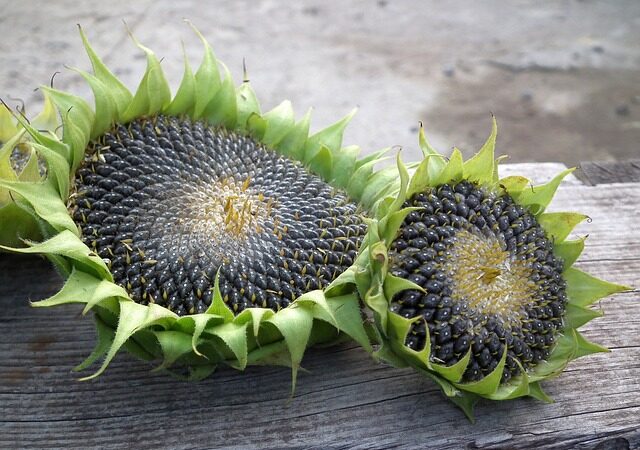
Beyond their association with ballpark snacks, sunflower seeds (Helianthus annuus) offer a concentrated source of nutrients within a readily available and portable package. Evidence suggests human consumption of sunflower seeds dates back millennia, with their cultivation originating in North America over 3,000 years ago by Indigenous peoples (Harlan, 1992). These early uses extended beyond the familiar edible seeds, with sunflower oil extracted for various purposes and the vibrant flower heads utilized as a natural dye (Smith, 1997). In the modern era, sunflower cultivation has become a global enterprise, with major production concentrated in countries like Russia, Ukraine, and China (FAOSTAT, 2023).
A Look at Sunflower Seed Chemistry
Macronutrient Marvels: Fueling Your Body
Beyond their nutritional value, sunflower seeds harbor a distinct chemical profile in their oil. α-pinene takes center stage as the main component, though its concentration varies depending on the sunflower variety and growing region. This highlights the interplay between genetics and environment in shaping the oil’s composition, which includes α-pinene alongside camphene, limonene, sabinene, β-pinene, germacrene D, and myrcene.
-Don’t underestimate these tiny titans! Sunflower seeds are loaded with essential macronutrients for optimal health.
- Heart-Healthy Fats: They boast a significant amount of monounsaturated and polyunsaturated fats, champions for promoting heart health. Studies even suggest regular consumption can help lower LDL (“bad”) cholesterol (American Heart Association, 2023).
- Protein Power: With a high protein content, sunflower seeds provide sustained fullness, making them a satisfying and energy-boosting snack.
- Fiber for Digestion: Their noteworthy fiber content aids digestion and promotes gut health. A single 100-gram serving offers a substantial 9 grams of dietary fiber, a significant portion of your daily needs (National Institutes of Health, 2023).
Micronutrient Powerhouse: Essential Building Blocks
Beyond the macronutrient profile, sunflower seeds excel in vital micronutrients:
- Vitamin E: This potent antioxidant shields your cells from free radical damage.
- Magnesium (129 mg per 100g): Crucial for muscle and nerve function, magnesium supports overall well-being.
- Selenium: A defender of your immune system, selenium strengthens your body’s natural defenses.
- Bone Health with Phosphorus (1160 mg per 100g): Sunflower seeds are a good source of phosphorus, a key mineral essential for strong bones.
- Trace Mineral Support: They also contain:
- Copper (1.83 mg per 100g) that plays a role in energy production and antioxidant defenses.
- Manganese (2.11 mg per 100g) that also contributes to energy production and antioxidant defenses.
- Potassium (850 mg per 100g) that helps regulate blood pressure and muscle function.
- Calcium (70 mg per 100g) that contributes to bone health alongside phosphorus.
- Iron (3.8 mg per 100g) that supports oxygen transport in the body.
- Zinc (5.29 mg per 100g) that plays a role in immune function and wound healing.
- Sodium (3 mg per 100g) helps maintain fluid balance in the body (note: this amount is very low).
From Snack to Superfood: Unveiling the Benefits
Sunflower seeds transcend their role as a simple snack. Their rich profile of nutrients translates into a multitude of health benefits:
- Antioxidant Protection: The abundant vitamin E content provides antioxidant protection, safeguarding your cells.
- Muscle and Nerve Function: Magnesium’s role in muscle and nerve function is crucial for maintaining overall well-being.
- Potential for Blood Sugar and Inflammation: Studies suggest potential benefits of sunflower seed consumption for blood sugar control and reducing inflammation (American Heart Association, 2023).
Health Benefits of Consuming Sunflower Seeds
Sunflower seeds are more than just a tasty snack. They’re packed with nutrients that offer a wide range of health benefits. Let’s delve deeper into these effects:
1. Antioxidant Power:
Sunflower seeds are rich in natural antioxidants like vitamin E (tocopherol) and triterpene glycosides. These antioxidants act like shields, protecting your cells from damage caused by free radicals. This can help reduce the risk of chronic diseases like cataracts, cancer, chronic inflammation, atherosclerosis (hardening of the arteries), and even premature aging. They achieve this by neutralizing free radicals and preventing oxidation processes, offering potential protection against various ailments.
2. Anti-inflammatory and Cardiovascular Benefits:
Sunflower seeds are a great source of vitamin E and magnesium, both of which contribute to heart health and reduce inflammation. Vitamin E, a fat-soluble antioxidant, neutralizes free radicals that could damage cholesterol, brain cells, and cell membranes, potentially leading to atherosclerosis. Magnesium, on the other hand, exhibits anti-inflammatory effects and protects biomolecular components in your body. This can potentially reduce the risk of cardiovascular diseases, stroke, arthritis, and asthma.
3. Cholesterol-Lowering Benefits:
Sunflower seeds are abundant in phytosterols, which can mimic the structure of cholesterol in your body. This helps lower bad cholesterol levels. Phytosterols compete with cholesterol for absorption in your intestines and interfere with its esterification (storage). This reduces cholesterol absorption rates, potentially lowering the risk of cardiovascular diseases.
4. Potential Anticancer Benefits:
Sunflower seeds contain selenium, a trace element that plays a crucial role in DNA repair and may help inhibit cancer cell growth. Additionally, selenium can induce apoptosis, the programmed cell death of cancerous cells. Its incorporation into antioxidant enzymes like glutathione peroxidase further enhances cellular protection against cancer development.
5. Weight Management and Skin & Hair Health:
Sunflower seeds are a versatile health booster:
- Weight Management: They’re high in fiber and protein, which can help you feel full and satisfied, curbing cravings for unhealthy snacks.
- Skin and Hair Health: Rich in vitamin E, sunflower seeds nourish your skin from within, protecting it from sun damage and keeping your hair shiny and strong.
Additional Benefits:
While the research is ongoing, studies suggest that sunflower extracts may possess even more health benefits:
- Antiasthmatic Properties: May help reduce asthma symptoms, possibly by modulating inflammatory pathways in the lungs.
- Antidiabetic Properties: May regulate blood sugar levels by improving insulin sensitivity or mimicking insulin’s effects.
- Antimicrobial Properties: May fight off harmful bacteria by damaging their cell walls or inhibiting their growth.
6. Sunflower Seeds: A Potential Ally for Male Fertility
1. Powerhouse of Vitamin E: Sunflower seeds are a fantastic source of Vitamin E. This essential nutrient is well-known for its ability to boost sperm count and motility, potentially increasing your chances of conception. A 100-gram serving of sunflower seeds packs a whopping 35.17 milligrams (mg) of Vitamin E, making it a great way to incorporate this vital nutrient into your diet.
2. The Arginine Connection: L-arginine is an amino acid that plays a crucial role in sperm production. Deficiency in L-arginine can lead to decreased sperm motility and even a loss of spermatogenesis (sperm cell production).
3. Zinc for a Helping Hand: Here’s where sunflower seeds come in again. While the exact zinc content needs further confirmation, some studies suggest they might be a good source. Zinc is essential for the activity of enzymes involved in L-arginine metabolism, ensuring proper sperm development.
Bonus Benefits: Sunflower seeds are an excellent source of iron and magnesium, both of which contribute to overall health and well-being.
7. Sunflower Seeds: A Nutritional Boost for Women’s Health
Sunflower seeds are more than just a delicious snack. They’re packed with nutrients that offer a range of benefits specifically for women’s health:
- Radiant Skin: Rich in Vitamin E, sunflower seeds act as an antioxidant, potentially protecting your skin from sun damage and promoting a healthy glow.
- Reproductive Health Support: Folate, a B vitamin present in sunflower seeds, is crucial for overall reproductive health.
- Strong Bones and Easing PMS: Magnesium is another key mineral found in sunflower seeds. It contributes to maintaining bone density and may help alleviate symptoms of PMS, like cramps and mood swings.
- Hormonal Harmony: Essential fatty acids found in sunflower seeds may contribute to hormonal balance, potentially supporting overall well-being.
Culinary Delights with Sunflower Seeds: From Savory to Sweet
Sunflower seeds are more than just a healthy snack – they’re a culinary chameleon that can add a delightful crunch and nutty flavor to a variety of dishes! But before you unleash your inner chef, a quick heads-up: some folks might have a sunflower seed allergy, so keep an eye out for any reactions.
Now, let’s get cooking! Here are some delicious ways to incorporate sunflower seeds into your meals:
- Salads: Sunflower seeds are a classic salad topper. They add a delightful textural contrast alongside crisp veggies and a touch of nutty richness that complements various dressings. Try them in a classic cobb salad, a refreshing chopped Thai salad, or a hearty Southwestern chopped salad with black beans and corn.
- Baked Goods: Elevate your breakfast or snack game by incorporating sunflower seeds into homemade breads, muffins, or cookies. The nutty flavor pairs beautifully with warm spices like cinnamon and nutmeg. For a savory twist, try sunflower seed crackers or add a handful to your next batch of zucchini bread.
- Yogurt and Oatmeal Powerhouse: Give your yogurt or oatmeal a protein and fiber boost with a sprinkle of sunflower seeds. This simple addition keeps you feeling full for longer and adds a satisfying crunch. For extra flavor, try them with a drizzle of honey, a dollop of nut butter, or a handful of fresh berries.
- Homemade Granola: Whip up a batch of homemade granola and customize it with sunflower seeds! This allows you to control the ingredients and adjust the sweetness to your liking. Sunflower seeds pair well with other nuts, seeds, dried fruit, and rolled oats for a wholesome and delicious breakfast or snack.
- Smoothies: Don’t underestimate the power of sunflower seeds in smoothies! They add a creamy texture and a subtle nutty flavor. Try blending them with banana, spinach, and peanut butter for a protein-packed green smoothie, or create a tropical twist with mango, pineapple, and coconut milk.
- Trail Mix Magic: For a portable and healthy snack, whip up your own trail mix featuring sunflower seeds! Combine them with dried fruits like cranberries or raisins, nuts like almonds or cashews, and dark chocolate chips for a delightful mix of textures and flavors.
- Spreads and Dips: Sunflower seeds can be transformed into a delicious and nutritious spread or dip! Roast them lightly and grind them with olive oil, garlic, and herbs for a flavorful pesto-like spread perfect for sandwiches or crackers. They can also be blended with tahini, lemon juice, and spices to create a creamy sunflower seed hummus.