

Melissa officinalis, Lemon balm, 蜜蜂花, Мелисса лекарственная, Mélisse officinale, Μελισσόχορτο, Echte Melisse, Citronmeliss, Melissa, Melisa, Sitronmelisse, melis otu, ترنجان, يلسم الليمون
Lemon Balm: A Fragrant Herb with Ancient Uses
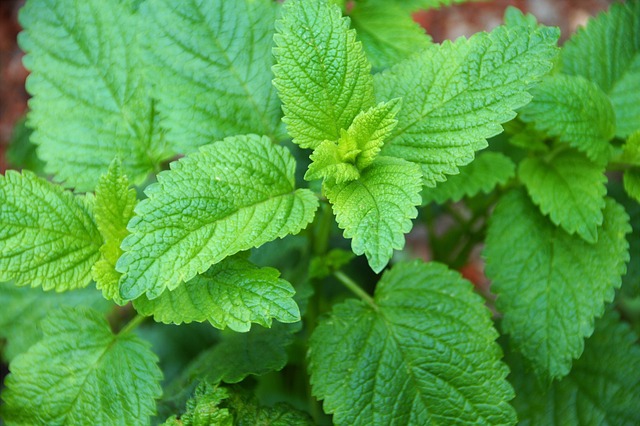
Lemon balm (Melissa officinalis) is a fragrant herb native to the Mediterranean and Asia Minor. Cultivated in temperate climates, it’s meticulously harvested from June to September. This versatile plant offers more than just a pleasant aroma – its leaves and flowers hold a rich history of culinary and medicinal uses. Let’s delve into the world of lemon balm and explore its beauty, flavor, and fascinating past.
Floral Beauty and Pollination
During summer, lemon balm adorns itself with small white flowers sporting two lips, nestled in the leaf axils. While seemingly unassuming, these flowers play a vital role in attracting honey bees and facilitating the herb’s pollination cycle. The delicate fragrance and nectar-rich blooms create an irresistible invitation for these busy pollinators, ensuring the continuation of the lemon balm population.
Edible Delights
Beyond its visual charm, lemon balm leaves offer culinary versatility. They enhance salads, soups, sauces, and vegetables, adding a delightful lemony flavor to dishes. Their refreshing citrus notes pair exceptionally well with chicken, fish, and vegetable dishes. Moreover, lemon balm leaves are commonly brewed into fragrant teas, offering a calming and flavorful beverage.
Historical Significance
Lemon balm boasts a rich historical legacy, revered by luminaries such as Theophrastus and Hippocrates for its medicinal prowess. Its Greek-derived name, “melissa,” meaning bee, resonates with its colloquial moniker, “bee balm,” highlighting its connection to its vital pollinators.
Phytochemical Composition of Melissa Officinalis
Lemon balm, scientifically known as Melissa officinalis, boasts a remarkable phytochemical profile. This translates to a diverse range of bioactive compounds responsible for its potential health benefits. Let’s delve into these key chemical groups:
1. Flavonoids: Abundant Health Contributors
Flavonoids are the most prominent group of compounds found in lemon balm. They play a significant role in the herb’s therapeutic properties. Key examples include:
- Quercetin: This flavonoid possesses antioxidant and anti-inflammatory properties, potentially contributing to various health benefits.
- Luteolin: This compound exhibits potential anti-cancer and neuroprotective effects.
- Rhamnocitrin: This flavonoid might contribute to lemon balm’s antioxidant activity.
2. Terpenoids: Aromatic and Biologically Active
Terpenoids are another major group present in lemon balm. These are further classified as volatile compounds, responsible for the plant’s characteristic aroma:
- Geranial and Neral: These compounds contribute to the lemony scent and might possess antimicrobial properties.
- Citronellal and Geraniol: These fragrant terpenoids also exhibit potential antimicrobial activity.
3. Phenolic Acids: Powerful Antioxidants and Anti-Inflammatory Agents
Phenolic acids are another crucial group within lemon balm, known for their health benefits:
- Rosmarinic Acid: This key compound demonstrates strong antioxidant and anti-inflammatory properties.
- Caffeic Acid: This phenolic acid exhibits antioxidant and potential neuroprotective effects.
- Protocatechuic Acid: This compound contributes to the overall antioxidant activity of lemon balm.
4. Tannins: Potential Health Contributors
Tannins are a group of polyphenolic compounds present in lemon balm. While their specific roles are still under investigation, they may contribute to the herb’s overall health benefits.
5. Essential Oil: A Concentrated Essence
The essential oil of lemon balm, extracted from flowers, leaves, and branches, is a potent therapeutic agent. Its light yellow color and refreshing lemon scent belie its diverse biological activities, currently being explored in various fields
A Fragrant Defense Against Cellular Damage
Lemon balm (Melissa officinalis) transcends its delightful aroma to become a powerful antioxidant powerhouse. This reputation stems from its ability to combat free radicals, the harmful molecules responsible for cellular damage and various chronic diseases.
Chemical Champions:
- Rosmarinic Acid: This star player takes center stage, boasting potent free radical scavenging activity.
- Flavonoids: A diverse group of antioxidants working synergistically to enhance the overall effect.
- Caffeic Acid and Hydroxycinnamic Acids: These additional phenolic compounds contribute significantly to the herb’s antioxidant profile.
Matching Synthetic Counterparts: Studies reveal that lemon balm extracts effectively neutralize free radicals, demonstrating an antioxidant capacity comparable to synthetic options like butylated hydroxytoluene (BHT) and butylated hydroxyanisole (BHA). This exciting discovery positions lemon balm as a natural and potentially safer alternative in various applications.
Defeating Oxidative Stress: Oxidative stress, an imbalance between free radicals and antioxidants in the body, is a major contributor to a variety of chronic illnesses such as diabetes, cardiovascular diseases, and neurodegenerative disorders. Lemon balm emerges as a valuable weapon in this fight.
Pathways to Protection:
- Free Radical Scavenging: Lemon balm’s antioxidant compounds effectively neutralize free radicals, preventing them from inflicting cellular damage.
- Thwarting Lipid Peroxidation: This process damages cell membranes, and lemon balm’s antioxidant activity helps to inhibit it, offering additional cellular protection.
Medicinal Properties of Melissa Officinalis
Melissa Officinalis, possesses a wide range of medicinal properties that make it a valuable natural remedy. One of its notable qualities is its antimicrobial and antiviral effects, which make it effective in fighting off germs and reducing inflammation in the body. This can provide relief from various conditions such as arthritis and digestive disorders.
- Natural Antibacterial Agent: Lemon balm (Melissa officinalis) manifests robust antibacterial qualities effective against a spectrum of infectious bacteria. The oil’s heightened antibacterial and antimicrobial activity, particularly potent against candida, substantiates its role in fortifying overall immune health.
- Thyroid Regulation: Lemon balm extracts emerge as potential regulators in cases of overactive thyroid conditions, notably in Grave’s disease. This regulatory effect involves the prevention of excessive thyroid receptor activation, showcasing adaptogenic properties.
- Digestive Aid: Infused with antioxidant activity, lemon balm confers a protective influence on the gastrointestinal system. Its multifaceted benefits encompass the prevention of gastric ulcers and the alleviation of digestive issues such as constipation, bloating, and abdominal pain.
- Pain Relief: Lemon balm capsules showcase efficacy in mitigating PMS symptoms, while the oil, when topically applied or inhaled, offers relief from toothaches and headaches. This dual-action points to its potential as a natural analgesic.
- Heart and Liver Protection: Findings derived from scientific investigations underscore the cardioprotective and hepatoprotective qualities of lemon balm essential oil. Its mechanisms encompass the lowering of triglycerides and promotion of cholesterol synthesis, presenting a comprehensive defense against cardio- vascular and hepatic challenges.
- Diabetes Management: Lemon balm, available in essential oil and extract forms, demonstrates encouraging results in lowering blood sugar levels and alleviating oxidative stress linked to diabetes. Its potential benefits encompass metabolic health and weight management.
- Anxiety and Mood Improvement: Renowned for its mild sedative effect, lemon balm’s traditional application in addressing anxiety and insomnia finds validation in scientific exploration. Beyond its anxiolytic properties, it shows promise in enhancing concentration, mitigating hyperactivity, and fostering improved mood across diverse age groups, presenting a comprehensive approach to mental well-being.
- Antioxidant and Anti-Inflammatory: Lemon balm exhibits potent antioxidant effects, showing promise against glioblastoma multiforme and various cancer cell lines. It regulates oxidative stress caused by radiation and supports antioxidant defense, potentially protecting against neurodegenerative disorders.
Culinary Uses of Melissa Officinalis
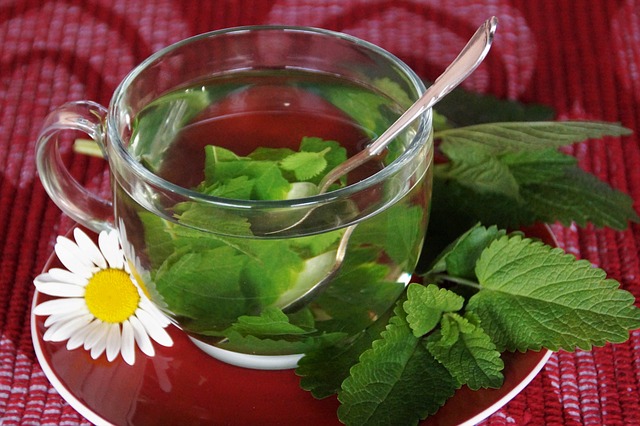
In addition to its medicinal properties, Melissa Officinalis also stands out as a valuable ingredient in culinary preparations. Its delightful lemony taste imparts a refreshing twist to various beverages, including teas, lemonades, and cocktails. Moreover, it pairs exceptionally well with savory dishes such as chicken, fish, and vegetables.
- Sauces and Soups: Replace lemon peel with lemon balm to add a unique twist to sauces and soups.
- Seafood: Enhance seafood dishes with freshly chopped lemon balm as a delightful garnish.
- Tea: Immerse yourself in the aromatic experience of lemon balm tea or elevate iced tea with a lemon balm-infused simple syrup.
- Vinaigrettes: Elevate salads with a quick and zesty lemon balm dressing made with olive oil and vinegar.
- Salads: Infuse fruit or vegetable salads with the burst of flavor from lemon balm leaves.
- Desserts: Embrace the sweet and citrusy notes of fresh lemon balm and lemon balm extract, perfect for desserts like lemon tea cookies and lemon poppyseed loaf.
Lemon Balm: A Fragrant Defense with Cautions
Lemon balm (Melissa officinalis) offers a captivating aroma and a wealth of potential health benefits. However, it’s crucial to consider some safety precautions before incorporating it into your routine.
Cautions and Considerations:
While generally well-tolerated, some individuals need to exercise caution:
- Mint Allergies: If you have allergies to the mint family (Lamiaceae), approach lemon balm with caution due to the potential for allergic reactions.
- Thyroid Medication: Consult your healthcare provider before using lemon balm if you take thyroid medication or have hypothyroidism. Potential interactions have been documented.
- Pregnant or Nursing: Pregnant or breastfeeding women should consult their doctor before consuming lemon balm regularly.
- Medications: Those taking specific medications should talk to their healthcare provider, as potential interactions may exist.
- Side Effects: Mild side effects such as nausea, stomach discomfort, skin reactions, headaches, dizziness, or allergic reactions are possible.
| FAQ Is Melissa Officinalis safe to consume?Yes, Melissa Officinalis is generally considered safe for consumption. However, it is always recommended to consult with a healthcare professional before adding any new herb or supplement to your diet, especially if you have specific health conditions or are taking medications. Can Melissa Officinalis be used during pregnancy or breastfeeding?Pregnant or breastfeeding women should exercise caution when using Melissa Officinalis. While it is generally considered safe in moderate culinary use, it is best to consult with a healthcare professional for personalized advice. Are there any potential side effects of using Melissa Officinalis?In most cases, Melissa Officinalis is well-tolerated with minimal side effects. However, some individuals may experience mild gastrointestinal discomfort or allergic reactions. It is essential to start with small amounts and discontinue use if any adverse reactions occur. If you have known allergies or sensitivities, it is recommended to perform a patch test before using the herb topically. Can I grow Melissa Officinalis at home?Yes, Melissa Officinalis can be easily grown at home. It thrives in well-draining soil and prefers a sunny location. It can be propagated from seeds or by dividing existing plants. Regular pruning and harvesting will help promote healthy growth and ensure a fresh supply of leaves for various uses. |