

valeriana officinalis, Valerian, Valeriana, Valériane, Baldrian, valerīyani, valeriaan, virmajuuri, βαλεριάνα, Валериана, 缬草, kediotu, バレリアン, ناردين – سنبل.
Valerian: A Natural Remedy with a Long History
Valeriana officinalis, also known as common valerian, is a flowering plant with a rich history of medicinal use. It’s a perennial, meaning it lives for more than two years, belonging to the Caprifoliaceae family, which includes honeysuckles and viburnums.
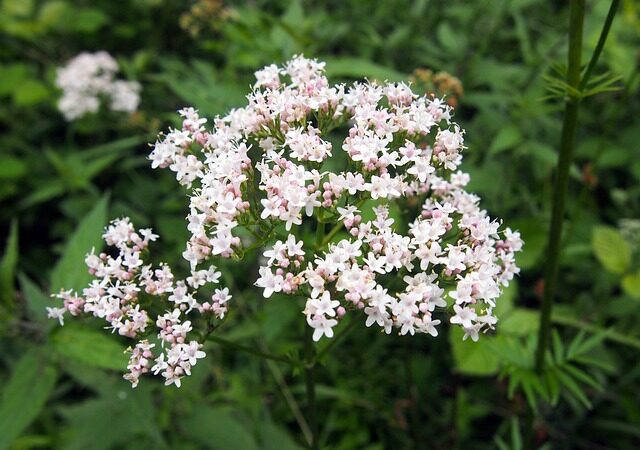
Standing tall at around 4 feet high, valerian boasts sturdy stems adorned with clusters of delicate, fragrant flowers. These blossoms typically bloom in shades of pink or white during the summer months, adding a touch of beauty to your garden. The leaves are arranged in a rosette pattern, resembling a feathery crown, and further enhance the plant’s visual appeal.
Native to Europe and parts of Asia, valerian has been cultivated and used for centuries due to its potential health benefits, particularly for promoting relaxation and sleep.
Valeriana Officinalis: A Blend of Bioactive Compounds
Valerian’s potential health benefits are believed to stem from a unique blend of various chemical compounds:
Major Active Ingredients:
- Valerenic Acid: This is one of the main stars of the show. It’s thought to be responsible for valerian’s sedative and anxiety-reducing (anxiolytic) effects. Valerenic acid works by increasing the availability of gamma-aminobutyric acid (GABA) in the brain, a neurotransmitter that helps regulate mood and promote relaxation.
- Valepotriates: Another key player, valepotriates are a group of compounds with sedative properties that contribute to valerian’s calming effects. They interact with receptors in the brain associated with sleep and relaxation.
Other Notable Contributors:
- Volatile Oil Sesquiterpenes: These fragrant oils, found within the plant, include valeric acid (mentioned above) and are thought to play a significant role in valerian’s effects.
- Alkaloids: These are a class of nitrogen-containing molecules with diverse effects in the body. Their specific role in valerian is still being explored.
- Furanofuran Lignans: These are less-studied compounds with unknown contributions to valerian’s activity.
- Free Amino Acids: Notably, valerian contains gamma-aminobutyric acid (GABA), tyrosine, arginine, and glutamine. GABA, as mentioned earlier, is a neurotransmitter involved in relaxation and sleep regulation.
The Synergistic Effect:
Scientists believe that the beneficial effects of valerian are likely due to a synergistic interaction between all these components. Valerenic acid, for instance, seems to be involved in both the sedative effects of valepotriates and its interaction with GABA. This complex interplay highlights the multifaceted nature of valerian’s physiological activity.
Valerian: A Natural Ally for Anxiety, Sleep, and More
Valerian is a traditional herbal remedy with a growing body of scientific evidence supporting its potential health benefits. Here’s a closer look at how this natural powerhouse might help you:
Anxiety Relief:
Studies show promise! Valerian has been shown to reduce feelings of anxiety and stress in people with generalized anxiety disorder, even appearing as effective as the medication diazepam (known as Valium) in reducing some anxiety symptoms. Notably, unlike some medications, valerian seems to target the subjective experience of anxiety (how you feel) without significantly impacting physiological responses (like heart rate).
Better Sleep:
One of valerian’s most well-known uses is for sleep improvement. Studies indicate it can help you fall asleep faster and enjoy a longer, more restful night’s sleep. This is likely due to valerian’s calming effects on the nervous system, which can quiet racing thoughts and promote relaxation.
Easing Menstrual Discomfort:
Valerian may offer some relief for women experiencing menstrual cramps and discomfort. Its relaxing properties can help ease muscle tension and reduce overall pain. Additionally, valerian’s calming effects may contribute to managing mood swings and irritability associated with premenstrual syndrome (PMS).
Potential Role in ADHD Management:
Early research suggests valerian might have a positive impact on symptoms of attention deficit hyperactivity disorder (ADHD). Its calming properties and ability to improve sleep quality may potentially help individuals with ADHD manage symptoms like hyperactivity, impulsivity, and inattention. However, more research is needed in this area.
Valerian for Pain Management:
Valerian, the herb known for its calming effects, might also offer pain relief. Research suggests its active components interact with the body’s pain pathways, potentially reducing pain caused by inflammation or injury. Studies using valerian-hops combinations have shown promise in alleviating various types of pain.
The potential mechanism involves modulating the release of neurotransmitters and inhibiting inflammatory mediators. These findings suggest valerian could be a natural analgesic, offering a potential alternative for pain management without the side effects of conventional medications.
Valerian and Heart Health: A Multifaceted Approach
Valerian, a traditional herbal remedy, contains various chemical compounds that might contribute to heart health. Here’s a quick rundown of some key components and their potential benefits:
- Reduced Blood Pressure and Heart Rate:
- Key Components: Valerian Essential Oils
- Mechanism: May help by relaxing blood vessels and mimicking GABA (a calming neurotransmitter).
- Regulating Heart Rhythm:
- Key Components: Valerian Extracts
- Mechanism: May influence ion channels in heart muscle cells, controlling the flow of ions like sodium, calcium, and potassium, preventing irregular heartbeats (arrhythmias).
- Managing Blood Fat Levels:
- Key Components: Valerian Essential Oil
- Mechanism: Acts as an antioxidant, reducing harmful fat breakdown and boosting the body’s natural antioxidant defenses. Additionally, lowers LDL (“bad”) cholesterol and triglycerides while increasing HDL (“good”) cholesterol.
Safe Use of Valerian: Dosage, Duration, and Potential Side Effects
Valerian is a natural remedy with potential benefits, but responsible use is key. Here’s a breakdown of what to consider for safe and effective use:
Recommended Dosage and Timing
- Follow the label: When taking valerian supplements, stick to the recommended dosage instructions provided by the manufacturer or consult a healthcare professional for personalized advice.
- Typical dosages: Doses typically range from 300 to 900 milligrams.
- Sleep aid: If using valerian for sleep, take it 30 minutes to 2 hours before bedtime.
- Anxiety relief: For anxiety relief, consider lower doses taken throughout the day as needed.
Duration and Breaks
- Short-term use: Valerian is generally safe for short-term use, lasting a few weeks to a few months.
- Long-term use: If considering long-term use, consult a healthcare professional for guidance.
- Importance of breaks: Taking breaks from valerian periodically is recommended to avoid potential tolerance or dependence.
Consulting a Healthcare Professional
- Seek professional advice: Before starting any new supplement, including valerian, consult a healthcare professional. This is especially important if you have:
- Pre-existing medical conditions
- Are pregnant or breastfeeding
- Take other medications
- Personalized approach: A healthcare professional can provide personalized advice and determine if valerian is suitable for your specific needs.
Potential Side Effects and Precautions
- Generally safe: While generally safe for most people, valerian can sometimes cause mild side effects.
- Mild side effects: These may include headaches, dizziness, and stomach upset.
- Temporary effects: These mild side effects typically disappear on their own within a short period.
- Consult a doctor: If side effects persist or become bothersome, talk to your healthcare provider.
- Allergic reactions (rare): While uncommon, some individuals may experience allergic reactions.
- Signs of allergic reaction: If you notice any signs of an allergic reaction, such as rash, itching, or swelling, discontinue use immediately and seek medical attention.
Drug Interactions
- Medications: Valerian, like any herbal supplement, can interact with certain medications.
- Consult your doctor: If you take any prescription medications, talk to your doctor or pharmacist before using valerian. They can advise you on safe use alongside your current medications.