

Aloe Vera, Sábila, Aloès, Babosa, Алоэ Вера, 알로에, Αλόη Βέρα, एलो वेरा, アロエ, 蘆薈, الصبار, الصبر.
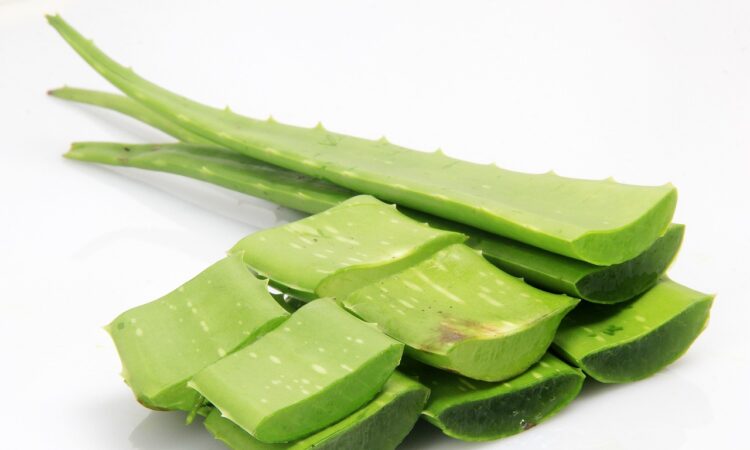
Aloe vera, a succulent plant with spiky leaves and a gel-filled interior, boasts a history stretching back thousands of years. Believed to originate in the Arabian Peninsula or northern Africa, it thrives in arid climates due to its remarkable water-storing ability. The Arabic term “Sibr or sabbar,” meaning “endure” or “resist,” aptly reflects the plant’s natural resilience, highlighting its ability to withstand harsh conditions like drought.
Unveiling the Origins and Evolution of Aloe Vera
Recent research suggests the Arabian Peninsula’s hot, arid conditions were likely the birthplace of Aloe vera. Interestingly, its evolutionary closeness to non-medicinal aloes challenges the idea of predicting medicinal uses based on evolutionary patterns. The enduring popularity of Aloe vera for medicinal purposes remains somewhat enigmatic, defying clear evolutionary explanations and emphasizing the complex interplay between evolution and human utilization.
A Legacy of Healing: Aloe Vera Throughout History
Throughout history, aloe vera has held a significant place in various cultures. Ancient Egyptians revered it as the “plant of immortality” and used it in embalming rituals, recognizing its medicinal potential. Similarly, the ancient Greeks employed it for treating wounds, burns, and skin conditions. Over time, its reputation as a healing plant transcended continents, becoming a mainstay in traditional medicine practices worldwide.
Exploring the Science Behind Aloe Vera’s Benefits
The chemical composition of Aloe vera varies based on factors like location and environment. Unique compounds may develop in response to different climates, highlighting the need for detailed analysis to fully understand Aloe vera’s properties.
Key chemical components in Aloe vera:
- Polysaccharides: Including pectins, cellulose, hemicellulose, glucomannan, and acemannan, with acemannan being considered the main functional component.
- Hydroxyanthracenic derivatives: Found in Aloe latex or juice, particularly anthraquinone glycosides like aloin A and B (barbaloin) along with Aloe emodin.
- Phenolic compounds: Present in Aloe vera flowers, such as caffeic acid, chlorogenic acid, and ferulic acid, among others.
- Mannose-6 phosphate: A constituent of the sugar in Aloe vera gel, known for its wound-healing properties.
- Glycoproteins: Found in Aloe vera gel, possessing antitumor and antiulcer effects, and potentially promoting the proliferation of normal human skin cells.
- Phenolic compounds in the root: Especially naphthoquinones and anthraquinones.
A High Content of Vitamins: Aloe vera is particularly rich in vitamins! It contains a good dozen of them. You can find vitamins A, B1, B2, B3, B6, B9, as well as vitamin E and vitamin C. These substances are particularly beneficial for health, as they contribute to numerous physiological functions in our bodies.
Numerous Minerals: Another strong point of aloe vera is its composition rich in minerals. You can find iron, magnesium, potassium, calcium… Minerals are valuable allies that play a role in the good health of several physiological systems.
Aloe Vera: Nature’s Healing Elixir
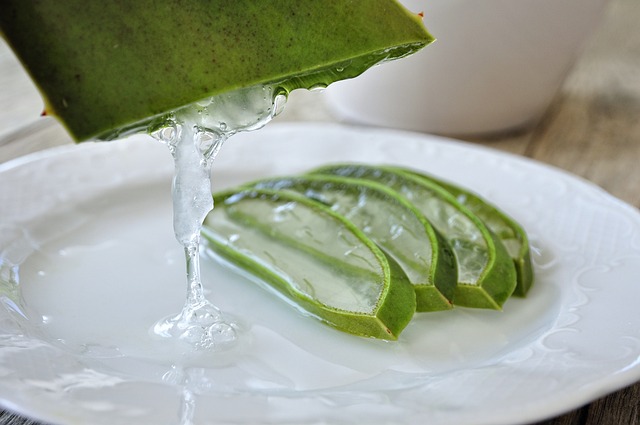
Harnessing the potent healing properties of Aloe vera, this remarkable succulent offers a natural remedy for a myriad of ailments. Renowned for its soothing and moisturizing effects, Aloe vera gel is a trusted solution for sunburn relief, skin hydration, and wound healing. Packed with antioxidants, vitamins, and anti-inflammatory compounds, Aloe vera promotes skin regeneration, alleviates irritation, and accelerates the healing process.
Healing and Skin Benefits:
- Enhanced Wound Healing: Aloe vera’s rich composition accelerates wound healing by stimulating collagen synthesis (a key structural protein in skin) and increasing scar tissue strength. It also promotes the production of hyaluronic acid and dermatan sulfate, crucial components for tissue repair.
- Protection from Sun Damage: Aloe vera gel acts as a shield against UV radiation damage. It stimulates the production of antioxidant proteins that neutralize harmful free radicals, preventing skin damage and reducing the risk of immunosuppression (weakened immune system).
- Moisturizing and Anti-Aging Effects: Aloe vera’s mucopolysaccharides act like moisture magnets, keeping your skin hydrated. It also stimulates collagen and elastin production, promoting skin elasticity and reducing wrinkles. Additionally, it softens and hydrates skin cells, minimizes pores, and may even help with acne.
- Antiseptic Properties: Aloe vera contains six natural antiseptics (lupeol, salicylic acid, urea nitrogen, cinnamonic acid, phenols, and sulfur) that fight bacteria, fungi, and viruses, contributing to overall skin health.
Internal Health Benefits:
- Immune System Support: Certain components in aloe vera help bolster the immune system by inhibiting the release of histamine from mast cells (immune cells involved in allergic reactions). Additionally, it may stimulate the production of immune-modulating substances and enhance the activity of white blood cells that fight infections and cancerous cells.
- Anti-inflammatory Action: Aloe vera possesses anti-inflammatory properties by inhibiting the production of inflammatory compounds. Its gel extracts also contain a potent anti-inflammatory compound called C-glucosyl chromone.
- Improved Digestion: Anthraquinones present in aloe vera latex act as laxatives, increasing intestinal water content and promoting bowel movements. However, it’s important to note that excessive consumption can lead to diarrhea.
- Antiviral and Antitumor Potential: Studies suggest that aloe vera may have antiviral and antitumor effects. It may inhibit the binding of viruses to cells and hinder the formation of cancer-causing compounds, although more research is needed to understand its full potential.
Anti-Cancer Potential:
Aloe vera boasts a rich chemical composition that contributes to its diverse health benefits. One key component, Acemannan (AC), has garnered significant attention for its potential in supporting the immune system and fighting cancer.
Studies suggest (AC)‘s potential in treating colon cancer through multiple mechanisms:
- Inhibiting NF-κB activation: This pathway plays a role in inflammation and cancer development. AC’s ability to suppress it can dampen inflammation and hinder cancer cell growth.
- Reducing inflammatory enzymes: Chronic inflammation is linked to cancer risk. AC may help by reducing the expression of these enzymes.
- Promoting apoptosis: AC can trigger programmed cell death (apoptosis) in cancer cells.
- Altering mitochondrial membrane permeability and inducing apoptosis: Recent research suggests polymeric AC may disrupt the energy production machinery of cancer cells, leading to cell death.
Traditional Uses of Aloe Vera Around the World
Traditionally, Aloe vera gel has served a dual purpose. Externally, it has been applied to treat wounds, minor burns, and skin irritations. Internally, it has been consumed in various forms to alleviate conditions such as constipation, cough, ulcers, diabetes, and headaches,
Aloe Vera in Ayurvedic Medicine: Known as “Kumari,” aloe vera is valued in Ayurveda for its cooling and rejuvenating properties. It’s believed to promote digestion, detoxification, and overall well-being.
Aloe Vera in Traditional Chinese Medicine: Referred to as “Lu Hui,” aloe vera has been used for centuries in Traditional Chinese Medicine to address conditions related to the liver, stomach, and intestines.
Aloe Vera in Traditional Arabic Medicine: Traditional Arabic practices utilize aloe vera in various forms:
- Dried sap (Sibr): Used to manage blood sugar levels in individuals with diabetes.
- Topical application (fresh or dried): Employed for treating wounds.
- Oral consumption: Serves as a laxative to address constipation and digestive issues
Aloe Vera: A Promising Ingredient in the Cosmetic Industry
Aloe Vera in Skincare Products: Aloe vera has long been known for its skincare benefits. Its soothing and moisturizing properties make it a popular ingredient in lotions, creams, and gels. Whether you’re dealing with dry skin, sunburn, or acne, products containing aloe vera can help alleviate these issues and leave your skin feeling hydrated and refreshed.
Aloe Vera in Haircare Products: Not only is aloe vera great for your skin, but it can also work wonders on your hair. Its nourishing properties make it a fantastic ingredient in shampoos, conditioners, and hair masks. Aloe vera can help promote scalp health, reduce dandruff, and add shine and softness to your locks.
Side Effects and Precautions
While generally safe for topical use, aloe vera intended for consumption can cause side effects in some individuals. Here’s what to consider:
- Digestive Issues: Excessive oral consumption of aloe vera gel can lead to diarrhea, cramping, and abdominal pain.
- Electrolyte Imbalances: Chronic use may cause electrolyte imbalances due to its laxative effect.
- Interaction with Medications: Aloe vera may interact with certain medications, including blood sugar-lowering drugs and laxatives. Consult your doctor before consuming aloe vera if you take any medications.
- Pregnancy and Breastfeeding: Pregnant or breastfeeding women should avoid consuming aloe vera due to potential risks to the developing baby.
- Kidney Problems: Individuals with kidney problems should avoid aloe vera as it may worsen kidney function.