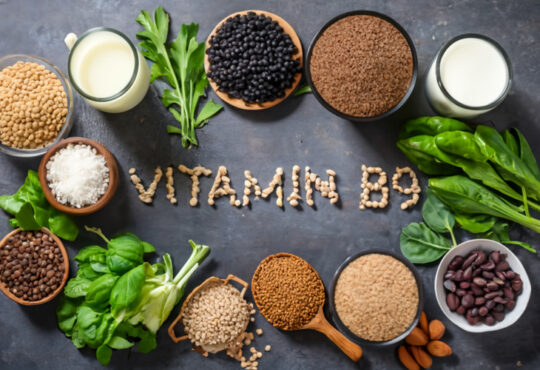



Vitamin B12: A Crucial Nutrient for Human Health
Vitamin B12, also known as cobalamin, is a water-soluble vitamin that plays a vital role in various physiological processes within the human body. This article explores the unique properties, functions, and importance of vitamin B12 for maintaining overall health.
Chemical Structure and Uniqueness
Vitamin B12 belongs to the B-complex group of vitamins, which includes other essential vitamins like B1 (thiamine), B2 (riboflavin), B3 (niacin), B5 (pantothenic acid), B6 (pyridoxine), B7 (biotin), B9 (folate), and B12 (cobalamin). What sets B12 apart is the presence of a central cobalt ion within its molecule, a feature unique among B vitamins that gives it the name cobalamin. Interestingly, the commercially available form, cyanocobalamin, is a synthetic variant used in supplements and fortified foods, as it doesn’t occur naturally.
Essential Functions of Vitamin B12
- Nervous System: Myelin sheath, nerve impulse transmission
- Red Blood Cell Production: Hematopoiesis, megaloblastic anemia
- Cellular Metabolism: Cofactor, energy production, fatty acid synthesis, amino acid metabolism
- DNA Synthesis and Repair: Cell growth, division
Deep Dive into Vitamin B12’s Essential Functions
1. Vitamin B12 and Red Blood Cell Production (Erythropoiesis)
Vitamin B12 is a central player in erythropoiesis, the process of red blood cell formation occurring within the bone marrow. It works synergistically with folate, particularly during the crucial differentiation phase where erythroblasts (immature red blood cells) mature. This collaboration between vitamin B12 and folate supports the various stages of erythropoiesis.
Biochemical Pathways:
- Vitamin B12 acts as a cofactor for methionine synthase, an enzyme crucial for folate metabolism. Folate, in turn, is necessary for purine and thymidylate synthesis, essential components for DNA replication.
- Insufficient levels of either vitamin B12 or folate disrupt these pathways, hindering DNA synthesis in developing red blood cells. This impaired DNA synthesis leads to a phenomenon called erythroblast apoptosis, the programmed death of erythroblasts.
Consequences of Deficiency:
- A deficiency in vitamin B12 or folate can lead to a type of anemia called megaloblastic anemia. This condition is characterized by the production of large, abnormal red blood cells due to the disrupted DNA synthesis.
Importance: Understanding the vital role of vitamin B12 in red blood cell production is crucial for maintaining healthy blood cell count and preventing complications associated with anemia.
2. Vitamin B12 and Nervous System Function
Vitamin B12 is essential for optimal nervous system function due to its involvement in three key areas:
- Cell Formation: Vitamin B12 contributes to the formation of myelin, a fatty substance that forms a protective sheath around nerve fibers. This sheath insulates nerves, enabling efficient transmission of nerve impulses throughout the body.
- Lipid Metabolism: Vitamin B12 plays a role in lipid metabolism, including the synthesis of essential fatty acids crucial for nerve cell health and function.
- Neurotransmitter and Hormone Synthesis: Vitamin B12 is involved in the production of neurotransmitters, chemical messengers that facilitate communication between nerve cells, and hormones that influence mood, perception, and overall brain function.
Consequences of Deficiency:
- Deficiency in vitamin B12 can cause various neurological symptoms, such as tingling, numbness, weakness, and profound fatigue extending beyond mere tiredness and encompassing feelings of low mood and diminished motivation.
3. Vitamin B12 and DNA Synthesis
Beyond its roles in red blood cell production and nervous system function, vitamin B12 also plays a critical role in DNA synthesis, the fundamental process for cell growth and division. It acts as a cofactor, a helper molecule, in this complex biological mechanism, ensuring the accurate replication of genetic material.
Biochemical Pathway:
- Vitamin B12 serves as a cofactor for an enzyme involved in the conversion of homocysteine to methionine. Methionine is a precursor for S-adenosylmethionine (SAM), a crucial methyl donor for DNA methylation, a process essential for proper gene expression.
Consequences of Deficiency:
- When vitamin B12 is deficient, DNA synthesis in developing red blood cells becomes impaired, leading to the characteristic feature of megaloblastic anemia – the production of large, abnormal red blood cells.
4. Vitamin B12 and Energy Production
Combating Fatigue: Vitamin B12 plays a critical role in energy production by facilitating the conversion of dietary nutrients into usable fuel for the body. Here’s a breakdown of its key functions:
- Metabolic Cofactor: Acts as a cofactor in the metabolic cycle responsible for extracting energy from macronutrients (carbohydrates, fats, proteins).
- Nutrient Breakdown: Helps break down these macronutrients into usable components.
- Energy for Bodily Functions: Ultimately powers various bodily functions.
- Deficiency and Fatigue: A deficiency in vitamin B12 can lead to fatigue and a lack of energy.
- Maintaining Optimal Function: Adequate B12 levels ensure the body has the necessary tools to function optimally.
- Combating Sluggishness: May help mitigate feelings of sluggishness and promote a more vibrant and active lifestyle.
5. Potential Benefits of Vitamin B12
Beyond energy and brain function, vitamin B12 offers exciting possibilities:
- Stronger Hair: Studies suggest adequate B12 intake may contribute to healthy hair.
- Healthy Skin: B12 deficiency can manifest in skin problems, and adequate intake might play a role in maintaining healthy skin (further research needed).
- Healthier Nails: Brittle nails can be a sign of B12 deficiency. Early research suggests sufficient B12 might contribute to stronger nails.
- Potential Bone Boost: Early research hints at a role for B12 in bone health, potentially reducing the risk of osteoporosis
Dietary Sources of Vitamin B12
Vitamin B12, unlike most other B vitamins, is primarily found in animal products. This can pose a challenge for individuals following vegetarian or vegan diets. Let’s explore the various dietary sources to ensure adequate B12 intake.

Animal Sources
- Meat: Beef, lamb, pork, and organ meats like liver are excellent sources of vitamin B12.
- Seafood: Fish like salmon and trout, and shellfish like clams and mussels, are good dietary options.
- Poultry: Chicken and turkey contribute to vitamin B12 intake.
- Eggs and Dairy: Eggs, milk, cheese, and yogurt are all significant sources of vitamin B12.
These animal products contain vitamin B12 due to the symbiotic relationship between animals and certain bacteria that can synthesize this vitamin. When these animals are consumed, the vitamin B12 stored within their tissues is absorbed by the human body.
Plant-Based Sources (Limited Availability)
For individuals following a plant-based diet, obtaining vitamin B12 can be more challenging. However, some options exist:
- Fortified Plant Milks: Many plant-based milk alternatives are fortified with vitamin B12. Careful label reading is crucial to ensure a chosen brand is fortified.
- Select Breakfast Cereals: Certain breakfast cereals are fortified with vitamin B12. Again, checking the label is essential.
- Nutritional Yeast: This deactivated yeast product can be a good source of vitamin B12, although its B12 content can vary by brand.
It’s important to note that plant-based sources generally contain lower amounts of bioavailable vitamin B12 compared to animal products. This means the body may not absorb as much of the vitamin from these sources.
Fortified Foods and Supplements
For those struggling to meet their vitamin B12 needs through diet alone, fortified foods and supplements offer a reliable solution.
- Fortified Foods: A variety of fortified food options exist, including soy products like tofu and tempeh that may be fortified with vitamin B12.
- Supplements: Vitamin B12 supplements are readily available in various forms like tablets, capsules, and lozenges. Consulting with a healthcare professional can help determine the appropriate dosage and form.
Can You Get Vitamin B12 from Plants?
While Vitamin B12 is naturally found in animal products, certain plant-based sources can provide it through fortification or bacterial activity. Here are some common sources:

Plant-Based Sources of Vitamin B12:
- Fortified Foods:
- Plant-based milks (soy, almond, oat)
- Fortified breakfast cereals
- Nutritional yeast (if fortified)
- Seaweed & Algae:
- Nori (edible seaweed)
- Spirulina and chlorella (contain B12 analogs, but these may not be active in humans)
- Fermented Foods:
- Tempeh
- Miso
- Kimchi (trace amounts, unreliable for meeting B12 needs)
⚠️ Important Note:
- B12 from plant sources is not reliable for maintaining adequate levels.
- Vegans and vegetarians should take B12 supplements or regularly consume fortified foods to prevent deficiency.
Unveiling Vitamin B12 Deficiency: Diagnosis and Symptoms
Vitamin B12 deficiency can be a stealthy foe, requiring a nuanced approach for diagnosis. This section delves into the challenges of pinpointing this deficiency and explores the various symptoms it can manifest.
Diagnosing B12 Deficiency
Diagnosing vitamin B12 deficiency isn’t always straightforward. Here’s why:
- Absorption and Measurement: Vitamin B12 undergoes a complex journey after entering the body from food. Only a portion becomes active in the bloodstream, while the rest remains inactive. Standard blood tests often measure total vitamin B12, potentially overlooking the deficiency if most of the vitamin is inactive.
- The Two-Step Approach: To overcome this limitation, a more comprehensive two-step test is often recommended. This approach involves:
- Holotranscobalamin Levels: This test measures the active, usable form of vitamin B12 attached to a transport protein in the blood. Low levels indicate a potential deficiency.
- Metabolic Product Assessment: This step measures metabolic products in the body that accumulate when vitamin B12 is deficient. Elevated levels of these products further support a diagnosis.
- Confirming Deficiency: When both the holotranscobalamin levels and metabolic product assessment point towards deficiency, a diagnosis of vitamin B12 deficiency is confirmed. Early intervention is crucial to prevent further complications.
Symptoms of B12 Deficiency
Vitamin B12 deficiency can manifest through a wide range of symptoms, encompassing physical, neurological, and psychological aspects. Let’s explore these categories:
Physical Symptoms:
- Intense fatigue and lack of energy
- Nausea and vomiting
- Reduced appetite and unintended weight loss
- Mouth or tongue soreness
- Yellowish tinge to the skin (jaundice)
Neurological Signs:
- Numbness or tingling sensation in the hands and feet
- Vision problems, including blurry vision
- Memory lapses and difficulty concentrating
- Confusion and disorientation
- Problems with balance, coordination, walking, or speech
Psychological Effects:
- Depression and low mood
- Irritability and mood swings
- Changes in personality and behavior
Complications of Vitamin B12 Deficiency
Vitamin B12 deficiency isn’t just about feeling unwell; it can lead to serious health problems. Here’s a breakdown of the potential risks:
- Anemia: A common consequence of B12 deficiency is anemia, a condition characterized by low red blood cell count. This can cause fatigue, weakness, and shortness of breath.
- Nervous System Damage: B12 deficiency can damage nerves, leading to tingling, numbness, and weakness in the hands and feet. In severe cases, it can even affect balance and coordination.
- Cognitive Issues: B12 deficiency can also affect cognitive function, causing memory problems, confusion, and dementia.
Who’s Most at Risk?
While anyone can develop B12 deficiency, certain groups are more susceptible:
- Vegetarians and Vegans: Since B12 is primarily found in animal products, those who exclude them from their diet may struggle to meet their B12 needs.
- Older Adults: B12 absorption can decline with age, putting older adults at higher risk.
- People with Digestive Conditions: Certain medical conditions like celiac disease or Crohn’s disease can hinder B12 absorption.
Treatment Options: Replenishing B12 Stores
Fortunately, treating Vitamin B12 deficiency is straightforward. Doctors typically prescribe supplements in various forms:
- Tablets: A convenient and widely used option.
- Injections: May be recommended for severe deficiencies or absorption issues.
- Nasal Sprays: An alternative for those with difficulty swallowing tablets.
Potential Side Effects and Precautions of Vitamin B12
Generally Safe, But Be Aware: While vitamin B12 is generally safe for most people, even at high doses, there’s always a chance of minor side effects. Here’s what to watch for:
- Mild Discomfort: Some individuals might experience temporary and mild side effects like nausea, diarrhea, or bloating. These usually resolve on their own.
Consult Your Doctor Before Supplementing:
- Underlying Conditions: If you have any underlying health conditions or take other medications, talk to your doctor before starting B12 supplements. Certain medications or conditions might impact B12 absorption or utilization.
- Personalized Dosage: A healthcare professional can help you determine the appropriate dosage based on your individual needs. Remember, more isn’t always better – finding the optimal amount is key!