

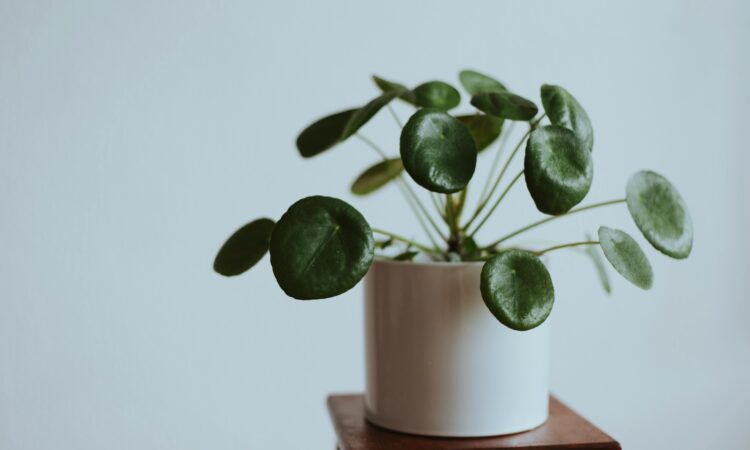
A Resilient Houseplant with a Rich History
The Pilea peperomioides, belonging to the Urticaceae family and known by various names such as the Pancake Plant, the Missionary Plant, and the Chinese Money Plant, continues to garner widespread adoration from plant enthusiasts worldwide. Renowned for its distinctive coin-shaped leaves and reputation for easy care, this charming houseplant boasts a rich history and a resilient nature.
The Symbolism and Cultural Significance of Pilea Peperomioides
Known as the Chinese Money Plant, Pilea peperomioides symbolizes prosperity, wealth, and good fortune. Its coin-shaped leaves are believed to attract financial success, especially when placed in the wealth area of a home, according to Feng Shui.
Often called the “Pass-It-On Plant,” it represents friendship and generosity, as it’s commonly gifted through its easily propagated “pups.” In modern spaces, it stands for growth, renewal, and simplicity, making it both a meaningful and stylish addition to any home.
Additionally, its resilient nature reflects strength and adaptability, reminding plant owners of the importance of thriving even in changing environments.
A Beloved Houseplant with Unique Appeal
- Distinctive Features: The Pilea peperomioides captivates with its round, bright green leaves that sprout from a single, upright stem.
- Easy Care: This low-maintenance plant thrives in moderate conditions, making it a perfect choice for beginner plant parents or those with busy lifestyles.
- Modern Touch: Its clean lines and vibrant foliage add a touch of modern elegance to any indoor or office environment.
A Journey From China to Europe: Unveiling the Mystery
The Pilea peperomioides boasts a surprisingly long and intriguing journey from its native habitat in China to its widespread popularity in Europe and beyond.
- Discovery in China:
- First collected by British plant collector George Forrest in the Cang Mountain range of Yunnan Province in the early 20th century (1906 and 1910).
- Rediscovered by Norwegian missionary Agnar Espegren in 1945 while living in Hunan Province.
- Introduction to Europe:
- Espegren brought a live specimen back to Norway in 1946.
- The plant spread rapidly through propagation by friends and amateur gardeners throughout Norway, Sweden, England, and beyond.
- Identification Challenges:
- Scientists initially struggled to identify the plant due to its lack of flowers.
- It wasn’t until 1978 that it was finally recognized as a Chinese species of Pilea.
- Clarification of Origins:
- A public appeal in 1983 shed light on the Sidebottom family’s role in introducing the plant to the UK.
- Dr. Lars Kers of the Stockholm Botanic Garden confirmed the plant’s identity as Pilea peperomioides in 1984.
Chemical Composition: Potential Health Benefits
Pilea peperomioides’ chemical makeup is a mystery, but its Pilea kin offer clues. Studies reveal intriguing compounds in other Pilea species, like phenols and alkaloids. Future research might unlock the unique chemistry of this popular houseplant.
Traditional Uses (TCM):
- According to Dai medicine (a branch of TCM):
- Whole plant used for issues related to tendons, bones, swelling, and pain (“Dian Medicine Record”).
- Additionally, listed in the “Yunnan Chronicles” as a medicinal herb with properties:
- Clearing heat
- Detoxifying
- Reducing swelling
- Reported to be effective for:
- Coughs
- Tuberculosis
- Nephritis
- Edema
- Bruises (externally)
- Wounds (externally)
| Important Note: These are traditional uses, and effectiveness and safety haven’t been extensively studied in modern science. Always consult a qualified healthcare professional before using any plant for medicinal purposes. |
Potential Advantages:
- Air Purifier: Pioneering research by NASA found that houseplants can improve indoor air quality by removing toxins. Pilea peperomioides joins the ranks of air-purifying plants, helping remove harmful chemicals like benzene and formaldehyde from your environment.
- Calming Companion: This plant might promote relaxation, similar to other houseplants known to reduce stress and improve mood.
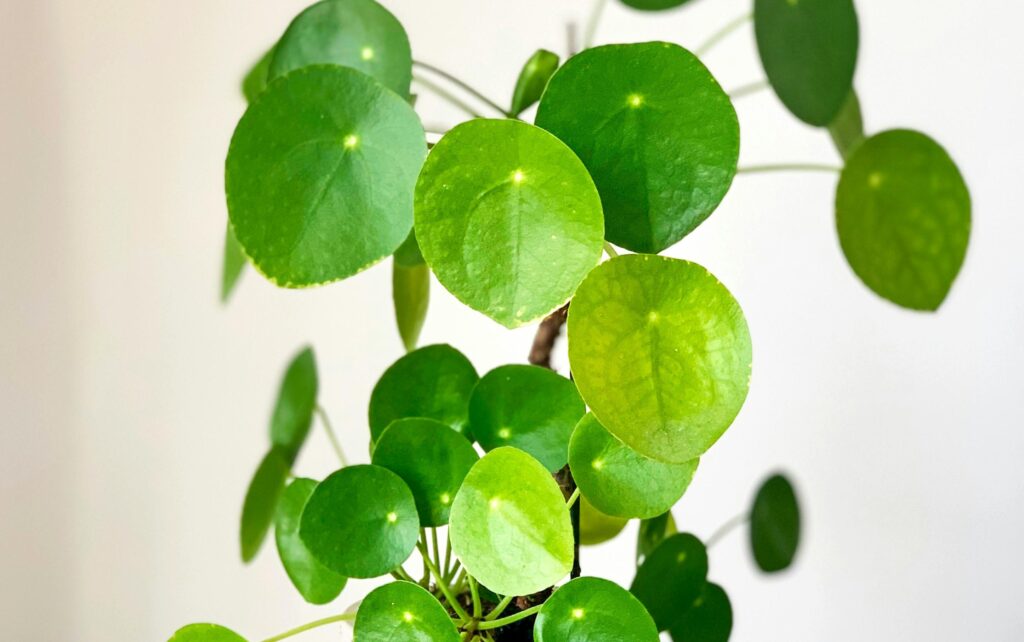
Chinese Money Plant: Ideal Growing Conditionss
Thriving Indoors: The Pilea peperomioides is a resilient plant that can adapt to various conditions, but understanding its ideal environment will ensure it thrives. Here’s a quick guide:
- Lighting: Prefers bright, indirect sunlight. Direct sun can scorch the leaves, so find a happy medium.
- Soil: Needs well-draining soil to prevent root rot. Choose a pot with drainage holes and a good quality potting mix.
- Watering: Water moderately, allowing the top inch of soil to dry out between waterings. Overwatering is a common enemy!
- Temperature: Prefers temperatures between 65-75°F (18-24°C).
- Humidity: Average indoor humidity levels are sufficient, but occasional misting can provide an extra boost, especially during dry spells.
Propagating Your Pilea Peperomioides: Three Methods
Pilea peperomioides is a generous plant, readily multiplying to create new additions to your collection or gifts for friends. Here’s a breakdown of the three most common propagation methods:
1. Division:
This is the simplest and most beginner-friendly method. During spring (March to May), mature Pilea peperomioides often develop “pups” (baby plants) at the base. Here’s how to create new plants through division:
- Preparation: Carefully remove your Pilea peperomioides from its pot.
- Separation: Using a sterilized knife, gently separate the pups from the mother plant, ensuring each pup has a healthy root system attached.
- Planting: Repot each pup in a pot with well-draining soil, sized appropriately for the new plant. Water thoroughly and provide bright, indirect light.
2. Cuttings:
Propagation through cuttings allows you to create new Pilea peperomioides even without pups. There are two options:
- Stem Cuttings: Choose a healthy stem with at least one or two leaves. Cut the stem below a node (the bump where a leaf joins the stem) at a 45-degree angle. Remove any lower leaves and dip the cut end in rooting hormone (optional). Plant the stem cutting in a pot with well-draining soil, keeping the soil moist but not soggy.
- Leaf Cuttings: This method requires more patience as success rates can be lower. Cut a healthy leaf with a small petiole (leaf stalk) attached. Plant the petiole end in a pot with moist soil, ensuring the leaf itself sits above the soil surface.
3. Sowing:
Propagating from seeds is less common but rewarding for the patient plant enthusiast. Pilea peperomioides seeds can be more challenging to find, and germination may take several weeks.