

Moroccan Tea: Diverse Regional Traditions
A Tapestry of Flavors:
Moroccan tea culture unfolds like a vibrant tapestry, woven with regional customs. While refreshing mint remains a constant, each area adds a unique twist. Some regions favor a touch of sweetness, while others infuse their tea with prized saffron for a luxurious touch. This delightful variation ensures a surprise awaits visitors at every turn as they explore Morocco’s captivating landscapes and vibrant culture.
A Sip of History:
Beyond the flavor adventure, the intricate use of local herbs and plants in Moroccan tea reveals a deep connection to regional life and heritage. From the specific herbs chosen to the traditional preparation and serving rituals, each cup tells a story. Visitors can appreciate the rich tapestry of Moroccan culture with every sip.
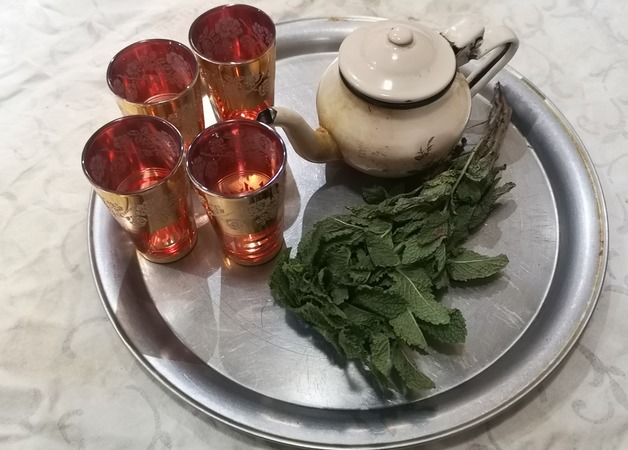
- Northern Cities : Here, Fresh mint takes center stage, placed in a large glass before the prepared tea is poured. Mint is prioritized over tea leaves, contrasting with the southeast’s focus on strong tea brews.
- Southeastern Morocco: This region favors a bolder approach, using a generous amount of tea leaves in the teapot.
Aromatic Adventures Across Morocco:
- Middle Atlas: Brace yourself for a sweeter tea experience in the Middle Atlas, where generous amounts of mint grace the teapot.
- Imperial Cities: These regions adapt their tea to the seasons. Mint, wormwood, catmint, pennyroyal, and verbena are used according to what’s fresh and abundant.
- High, Middle, and Anti Atlas Mountains: a unique twist awaits! Here, a specific Moroccan thyme variety called in Berber “Azuknei or Zukeni” (Thymus zygis, Thymus munbyanus, Thymus pallidus, Thymus satureioides, etc.) is favored. This local thyme boasts thin leaves and a delicate aroma, especially prized during flowering seasons. Don’t be confused by terms like “thyme tea” – it’s likely this special mountain variety.
- Saffron Country: In regions where saffron is cultivated, locals incorporate it into their tea for its flavor and properties. Imagine savoring the essence of saffron pistils in your cup!
- Semi-Desert Plains: For a rare encounter, nomadic communities in these plains may use white wormwood (Artemisia herba alba) to infuse their tea.
- Southeast and Moroccan Sahara Desert: Here, a unique ingredient is often added – gum extracted from the Acacia tree. This gum adds a textural element and can alter the flavor profile slightly.
- Draa Tafilalt Region: Known for their strong tea taste, this region offers a special experience. You might encounter “atay l’assouab” (thirst-quenching tea) or herbal teas called “Berber tea,” made from a variety of dried medicinal plants. These can be enjoyed with or without gunpowder tea leaves.
| Khalta (also spelled tkhalet) is a fragrant bouquet of plants mixed to create a minty, earthy, and herbaceous tea. This blend, often featuring mint as the dominant herb, results in a rich and aromatic infusion by combining two to five plants at a time, such as spearmint, marjoram, pennyroyal, sage, rosemary, peppermint, rose geranium, or lemon verbena… The specific herbs used can vary depending on personal preference and regional availability. |
Earthy, Herbaceous, and Woody Flavors
12- Marjoram- Oregano majorana (Merdedouch, Berdedouch):
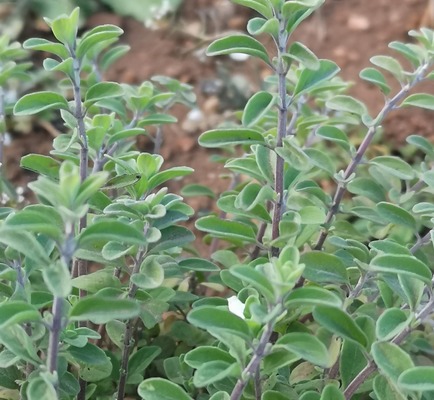
Marjoram, known as “merdedouch” in Moroccan Arabic, is a versatile herb with a presence in both Moroccan cuisine and tea culture. Fresh marjoram is a common sight alongside spearmint, pennyroyal, peppermint, sage, and other herbs at street vendors. In cooking, its delicate aroma makes it a frequent substitute for oregano, particularly in chicken dishes. For tea, marjoram is often paired with green mint, where its subtle fragrance elevates the mint aroma, creating a complex and inviting scent detectable from the very first sip.
13- Sage- Salvia officinalis (Salmya)
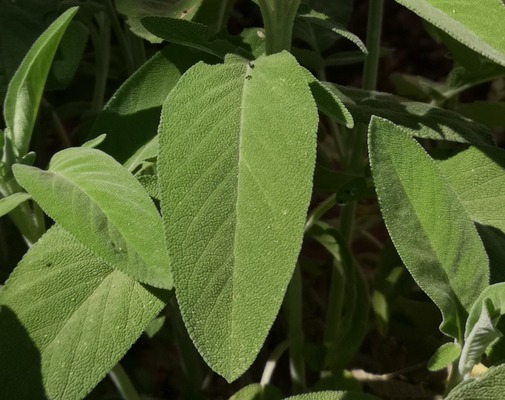
Sage, or “salmya” in Morocco, transcends its use in tea infusions. This versatile herb elevates poultry dishes by adding depth of flavor. More than just a tea ingredient, sage deserves exploration as a culinary element.
Within Moroccan tea culture, sage plays a supporting role in “khalta,” a fragrant herbal blend. Khalta typically combines three to five carefully selected herbs, each contributing unique characteristics to the final infusion. Due to its potent aroma, sage is used sparingly (two leaves) to avoid overpowering the refreshing mint or other medicinal herbs that might be included. Depending on personal preference, the khalta may feature spearmint, pennyroyal, peppermint, rosemary, or rose geranium, alongside the sage. The key lies in achieving a harmonious balance of these herbs, creating a symphony of flavors that complements the robust base of gunpowder tea.
14- Thyme (Zâitra, Azoukeni, Zoukeni, Tazoukenit…):
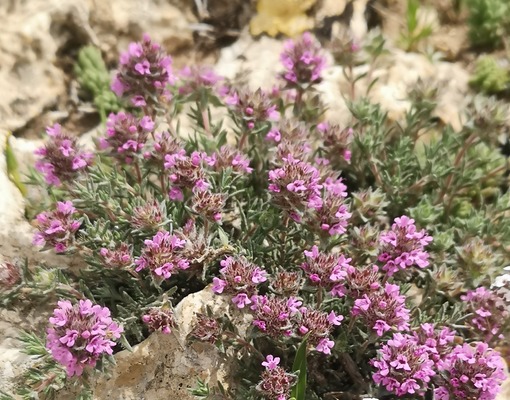
Moroccan tea culture offers a surprising twist on thyme. Unlike the strong aroma familiar in common thyme varieties, Moroccan thyme (Thymus zygis, Thymus munbyanus…) boasts a more delicate flavor profile. Here, the herb takes on herbaceous and minty notes, resembling lesser calamint with a subtle hint of thyme. In regions where this particular thyme thrives, enjoying a teapot of thyme-infused tea after lunch is a common tradition. This tea is simple to prepare – just brew gunpowder tea with sugar and add fresh Moroccan thyme leaves.
While thyme plays a role in Moroccan tea, oregano serves a distinct purpose. Unlike thyme, oregano (known as Za’atar in Morocco) is primarily valued for its digestive benefits and used in herbal infusions. This distinction highlights the diverse applications of herbs within Moroccan culinary and traditional medicinal practices.
15- Rosmary-Salvia rosmarinus ( Azir):
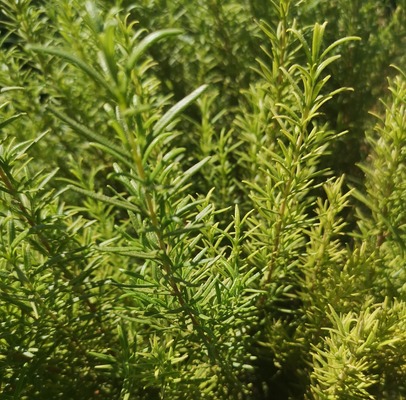
Rosemary, a herb widely found in the Mediterranean region, is a staple in Moroccan cooking. However, Moroccans also enjoy it as an infusion, a drink made by steeping dried rosemary leaves in hot water.
While not typically used alone in tea, rosemary plays a role in the famous Moroccan tea blend known as khalta. Khalta combines three to five fresh plants in the teapot, creating a unique and flavorful beverage. When paired with sage, mint, or peppermint in a khalta, a few fresh rosemary leaves are added to contribute their distinct camphorous aroma.
16- Rose geranium-Pelargonium graveolens (Mâ’tercha, Âtercha):
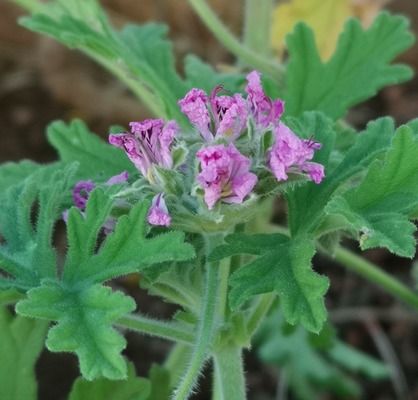
While not as common as other Moroccan tea ingredients, rose geranium holds a special place in some families. Particularly in the ancient medina, where traditions run deep, families may incorporate this unique herb into their teapots. Rose geranium isn’t enjoyed alone, but rather as part of the famous khalta, a fragrant tea blend.
Within the khalta, just a single rose geranium leaf is added to the mix. This small addition unlocks a delightful aroma – a blend of sweetness, green notes, and a hint of rose.
Unique Blends:
17- Saffron- Crocus sativus ( Zâafran) :
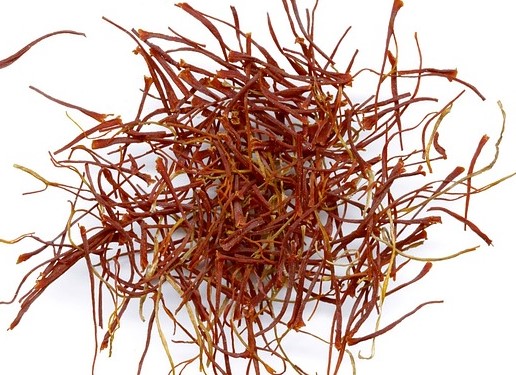
Steeped in history and warmth, Morocco’s saffron tea is a delightful beverage enjoyed throughout the country. Particularly cherished in the southeastern region around Taliouine, known for its saffron production, locals gather to savor this fragrant tea. Traditionally brewed with a few threads of saffron (Crocus sativus, locally called zâafran), it boasts a mesmerizing aroma and reputed health benefits.
This custom has fascinating roots. Initially, when tea arrived in Morocco, saffron tea was a symbol of affluence. Only wealthy families in the imperial cities could afford the combination of tea, sugar, and the precious saffron. They incorporated it not just for its luxurious taste but also for its cultural significance as an aphrodisiac and the exquisite touch it added to the tea.
18-Ambergris (Äanbar):
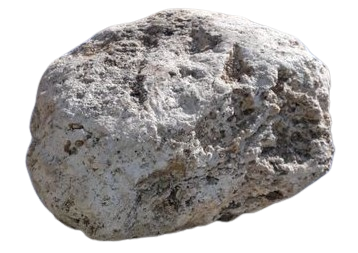
Moroccan tea culture boasts a surprising ingredient – ambergris. This rare, waxy substance, formed within the digestive tract of the sperm whale (Physeter macrocephalus), was once a symbol of immense wealth and exclusivity. Primarily reserved for the upper class, its use in tea remained exceptionally rare.
Traditionally, Moroccans incorporated ambergris into their tea ceremonies in a subtle yet impactful way. A small piece would be placed in the lid of the teapot, allowing the tea to slowly absorb its distinctive aroma over several weeks. The resulting brew was believed to possess not only a captivating fragrance but also enhance mood and alleviate tension.
19- Acacia gum (Talh l’hor):
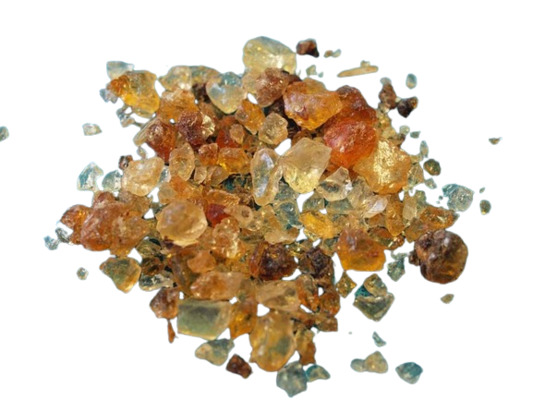
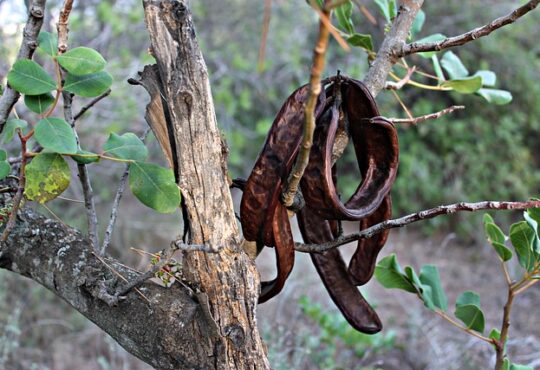
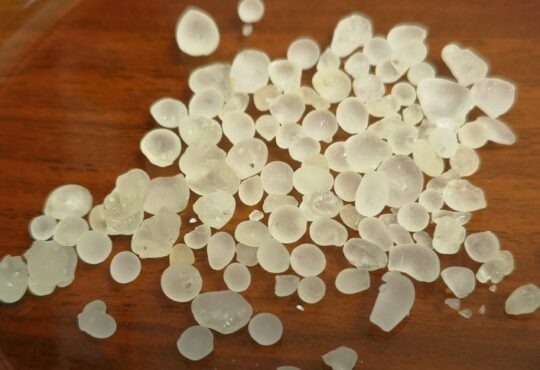
In some Moroccan regions, particularly the semi-arid areas like Drâa Tafilalet, Souss Massa, and the Western Sahara, locals add a unique ingredient to their tea: Talh el-Horr gum also called l’âalk. This water-soluble gum comes from the Acacia tortilis subsp. raddiana tree or from the Acacia gummifera wild and is entirely tasteless. and is entirely tasteless.
While Talh el-Horr enhances the texture of tea, its benefits extend beyond a pleasant mouthfeel. This gum is surprisingly rich in fiber, making it a popular choice for its medicinal properties as well. Locals often consume it as a drink to combat constipation. When added to tea, the gum’s high fiber content contributes to the beverage’s overall health benefits, aiding in digestion.
20- Artemisia herba alba (Chih):
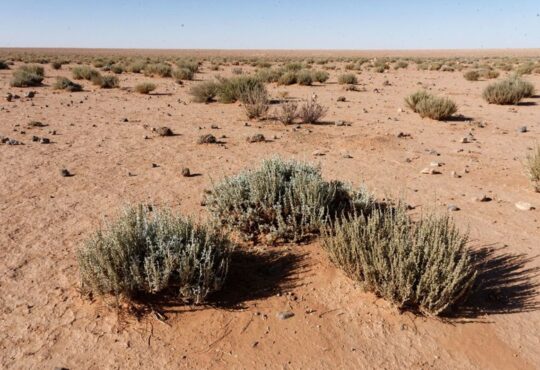
Though not as widely used as mint in Moroccan tea, white wormwood (Artemisia herba alba), known as Chih in Morocco, holds a special place in the eastern and southeastern regions. Here, nomads and some locals enjoy a tea brewed from the plant, appreciating its unique flavor profile.
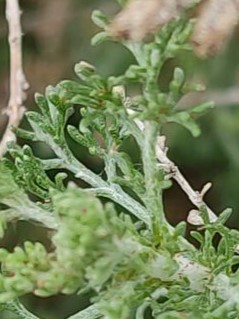
Interestingly, the love for white wormwood extends beyond tea. Some Moroccans also add a small amount of Artemisia herba alba to their coffee, enhancing the beverage’s taste with a subtle twist. This practice highlights the diverse ways white wormwood is incorporated into Moroccan beverages.
Beyond its role in flavoring, Moroccans primarily value white wormwood for its medicinal properties. Traditional medicine utilizes infusions, prepared by steeping dried leaves in hot water, as a common first remedy for intestinal worms. Furthermore, these infusions are used to treat various ailments like bronchitis, coughs, and even diabetes.
Recent research delves even deeper, exploring the potential anti-cancer properties of Artemisia herba alba. Extracts have exhibited cytotoxic activity against human tumor cells in lab settings, suggesting potential anti-proliferative and anti-cancer effects. However, it’s important to note that further investigation is needed before claiming any definitive cures.
The vast plains of eastern and southeastern Morocco are carpeted with white wormwood, a favorite food source for grazing animals. This diet rich in diverse herbs, including white wormwood, contributes to the exceptional quality and flavor of the locally bred livestock. The meat from these animals is known for its healthy nature and unique taste, a testament to the influence of white wormwood on the local food culture.