


Methionine: The Essential Building Block
Our bodies rely on a variety of building blocks to function properly, and methionine is one of the most essential. This amino acid can’t be produced by the body and must be obtained through diet. Let’s explore how methionine contributes to our overall health.
Building and Repairing:
- Protein Powerhouse: As a key building block of proteins and peptides, methionine plays a vital role in various bodily functions, including growth, repair, and enzyme production.
- Stronger You: Methionine helps form creatine, a molecule that supports muscle function and energy production.
- Sulfur Source: The sulfur content in methionine contributes to essential processes like healthy metabolism and growth.
Maintaining Wellbeing:
- Beautiful Skin, Hair, and Nails: Methionine is involved in collagen production, which provides structure and support for skin, hair, and nails.
- Mood and Mind: This amino acid supports the creation of neurotransmitters, chemicals that influence mood, memory, and learning.
- Cellular Shield: Methionine is essential for the synthesis of glutathione, the body’s master antioxidant. Glutathione protects cells from damage caused by free radicals, unstable molecules that can harm cells.
The Methionine-Glutathione Connection:
Imagine methionine as a key player in a vital cellular dance. It doesn’t just build proteins directly, but also provides a crucial building block (a sulfur atom) for cysteine, another amino acid. Cysteine, in turn, is a key component of glutathione, our primary cellular defense system against free radicals. This dynamic duo, methionine and glutathione, works together to safeguard our health.
Methionine’s Hidden Role in Protein Production:
Methionine not only contributes directly to protein structure, but it also plays a special role in a process called the Methionine Cycle. Within this cycle, methionine donates a methyl group (a single carbon atom with three hydrogens) to create S-Adenosyl Methionine (SAMe). This methyl group acts as a universal donor in various cellular processes, including protein synthesis.
Methionine: An Essential Amino Acid with Diverse Physiological Roles
1. Protein Synthesis and Cellular Health
Studies, such as one featured in the “Journal of Nutrition” utilizing rat liver cells, demonstrate that restricted methionine intake hinders protein synthesis and cellular growth. This highlights the critical role methionine plays in supplying the fundamental building blocks for protein structures via the transsulfuration pathway, ultimately supporting cellular functions and overall growth.
2. Antioxidant Activity
Methionine serves as a cornerstone for maintaining overall health by actively participating in various physiological processes. Notably, it acts as a powerful antioxidant by directly targeting reactive oxygen species (ROS) and contributing to the synthesis of essential antioxidant molecules like cysteine and glutathione (GSH). These multifaceted contributions ensure a balanced and healthy oxidative state within cells.
3. Detoxification Processes
Beyond its fundamental roles, methionine emerges as a key player in the body’s intricate detoxification system. Ongoing research reinforces the notion that chronic exposure to toxins can contribute to various diseases. Methionine actively participates in glutathione synthesis, a master antioxidant crucial for the liver’s detoxification mechanism, effectively eliminating toxins and potentially reducing the risk of chronic diseases.
4. Brain Health
While methionine plays a crucial role in supporting brain health by serving as a precursor for essential brain chemicals like neurotransmitters and phospholipids, recent studies suggest potential concerns with overconsumption. Research highlights a possible association between a methionine-rich diet and adverse outcomes such as oxidative stress, mitochondrial dysfunction, inflammation, and accelerated brain aging. This emerging evidence underscores the need for a nuanced understanding of methionine intake in relation to cognitive health, advocating for further exploration and dietary considerations.
5. Heart Function and Sulfur-Containing Amino Acids
Amino acids, abundant in protein-rich foods, are essential for vital bodily functions. Among these, methionine, cysteine, homocysteine, and taurine stand out for their crucial roles. While methionine is important for heart function, caution is advised. Other sulfur-containing amino acids, particularly homocysteine, may be linked to an increased risk of heart disease and stroke.
6- Methionine’s Crucial Role in T Cell Activation
Methionine is essential for T cell activation, driving their swift proliferation and function upon antigen encounter. Recent studies underscore the significance of methionine transportation in enabling this process, revealing its intricate connections with critical regulatory pathways such as protein kinase activity and transcription factor modulation, like mTOR and Myc, respectively. Exploring how dietary methionine levels influence T cell responses across diverse immune contexts is paramount for advancing research and developing potential therapeutic interventions.
Methionine Powerhouse Foods: Animal and Plant-Based Options
Animal Sources: A Nutritional Powerhouse
- Lean meats, poultry, fish: Indulge in these protein-rich options for a generous supply of methionine. They’re not just methionine powerhouses, but also provide a variety of vitamins, minerals, and healthy fats, promoting a balanced and satisfying diet.
Plant-Based Bounty: Rich in Methionine Too!
Following a plant-based or vegetarian diet doesn’t mean missing out on methionine. Here’s your treasure trove:
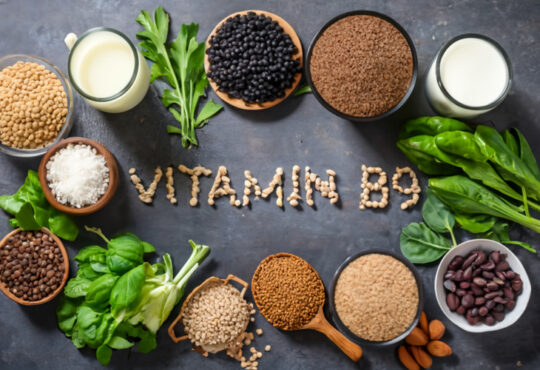
- Nuts and seeds: Seeds containing methionine include Brazilnuts, Dried Pumpkin Seeds, Roasted Pumpkin Seeds (Pepitas), Chia Seeds, Raw Sesame Butter (Tahini), Toasted Sesame Seeds, and Sunflower Seeds. Incorporate them into your diet by sprinkling them on salads or blending them into smoothies for a satisfying crunch and a dose of essential amino acids, including methionine.
- Legumes: Lentils, chickpeas, and other legumes are versatile protein sources. Enjoy them in soups, stews, or as vegetarian burger alternatives to boost your methionine intake.
- Soy-based products: Tofu and tempeh are excellent plant-based protein options rich in methionine. Integrate them seamlessly into stir-fries or other dishes for a tasty and nutritious alternative.
- Whole grains: Swap refined grains for quinoa or brown rice. These whole grains contribute to a well-rounded, methionine-supportive diet that promotes overall health.
Tips for a Methionine-Rich Diet:
Make incorporating methionine-rich foods easy and enjoyable:
- Snack smart: Nuts and seeds are portable and perfect for on-the-go snacking.
- Embrace legumes: Explore their versatility in soups, stews, or main dishes.
- Go meatless with a twist: Soy products like tofu or tempeh offer delicious plant-based protein alternatives.
- Choose whole grains: Make the switch from refined grains to nutrient-rich options like quinoa or brown rice.
Navigating Methionine: Benefits and Potential Concerns
While methionine is essential for health, moderation is key. Here’s a breakdown of potential downsides and safe consumption practices:
Too Much of a Good Thing? Potential Side Effects
Excessive methionine intake, particularly from animal sources, has been linked to increased risks of:
- Cardiovascular Disease: Research suggests a possible connection between high methionine intake and heart health issues.
- Kidney Stones: Increased methionine intake may elevate the risk of kidney stones.
Balance is Best: Allergic Reactions and Medication Interactions
- Allergic Reactions: In rare cases, individuals may experience allergic reactions to methionine. Symptoms can range from mild skin issues to severe reactions requiring medical attention. If you suspect a methionine allergy, consult your healthcare provider.
- Medication Interactions: Methionine can interact with certain medications, such as antibiotics or chemotherapy drugs. Always discuss your diet and supplements with your doctor, especially if you’re taking medication.
Finding Your Methionine Balance:
- Daily Intake Guidelines: Adults typically require around 19 milligrams of methionine per kilogram of body weight daily. This can be readily obtained through a balanced diet rich in lean meats, fish, eggs, and legumes.
- Balancing Act with Other Amino Acids: While methionine offers numerous benefits, an imbalance with other essential amino acids, like lysine, can be detrimental. Aim for a varied diet with diverse protein sources to achieve harmony.
Special Considerations:
- Pre-existing Health Conditions: Individuals with kidney or liver issues should consult a healthcare professional before altering their methionine intake.
- Risks of Methionine Supplements: Long-term use of single amino acid supplements may disrupt your body’s nitrogen balance, impacting metabolism and straining the kidneys. Children, in particular, may experience growth problems with such supplements.
- Supplement Side Effects: Potential side effects of methionine supplements include nausea, vomiting, dizziness, drowsiness, low blood pressure, and irritability. Individuals with severe liver disease should consult a healthcare professional before considering supplementation.
- Contraindications and Recommendations: Avoid methionine supplements if you have bipolar disorder, are pregnant, breastfeeding, or have homocystinuria type I. Ensure adequate intake of folic acid, vitamin B-6, and vitamin B-12 to prevent the conversion of methionine to homocysteine, which can increase heart disease risk.
- Methionine Toxicity: While rare, methionine toxicity can occur. This underscores the importance of cautious use and professional guidance.
Consult Before You Supplement:
Always discuss methionine supplementation with your healthcare professional before incorporating it into your routine. They can help you determine the safest and most appropriate approach for your individual needs.