

A Tea for Every Season: Morocco’s Enduring Tradition
One sound is sure to surprise visitors to Morocco: the constant clinking of tea glasses. This beloved drink, mint tea of course, is a constant companion throughout the day. But Morocco’s tea tradition goes beyond just mint. It’s a vibrant celebration that changes with the seasons!
Moroccans are experts at using nature’s bounty. Seasonal herbs are cleverly blended into unique tea infusions. Imagine a steaming cup in winter, filled with the warming aroma of khoudenjal, a fragrant spice mix. In contrast, spring and summer might bring a refreshing lkhalta, a calming or invigorating infusion of local herbs. This adaptability makes Moroccan tea a dynamic tradition, always evolving with the changing seasons.
- Khoudenjal: Winter’s Warm Embrace
When winter chills the air, Moroccans turn to khoudenjal. This fragrant tea is brewed with a special blend of warming spices like cinnamon, cardamom, and cloves. Not only is it comforting, but it’s also believed to offer medicinal benefits, helping to ward off winter ailments.
- Lkhallta: A Year-Round Herbal Delight
Lkhallta, also known as “Atay laashoub” (tea with herbs), is a versatile tea enjoyed throughout the year. This herbal infusion features a base of dried elements like flowers, leaves, and herbs, chosen for their unique flavors and potential health benefits. Popular choices include calming chamomile, olive leaves packed with polyphenols, or Ammodaucus known for its antioxidant properties. You can even have it with or without gunpowder tea, depending on your preference.
Khoudenjal: A Warming Winter Delight Steeped in Tradition
Khoudenjal, also known as Khoulenjall or Khdenjal, is a beloved Moroccan spiced tea cherished for its comforting properties and rich cultural significance. Its familiar and inviting aroma wafts through bustling souks (markets), near mosques, and along the lively streets of cities like Marrakech and Fes. Now, this delightful experience is accessible in most Moroccan cities.
Galangal: The Powerhouse Spice in Moroccan Tea
Beyond its distinctive aroma and spicy kick, galangal root, a key ingredient in Moroccan spiced tea (Khoudenjal), boasts a range of potential health benefits supported by science. Studies suggest galangal possesses antioxidant, anti-inflammatory, and even anticancer properties. These effects are attributed to its unique bioactive compounds, including flavonoids, DAHs (diarylheptanoids), and terpenes. While further research is needed, galangal adds not only flavor but also a potential well-being boost to this comforting Moroccan tradition.
The Enchantment of Souks and Street Vendors
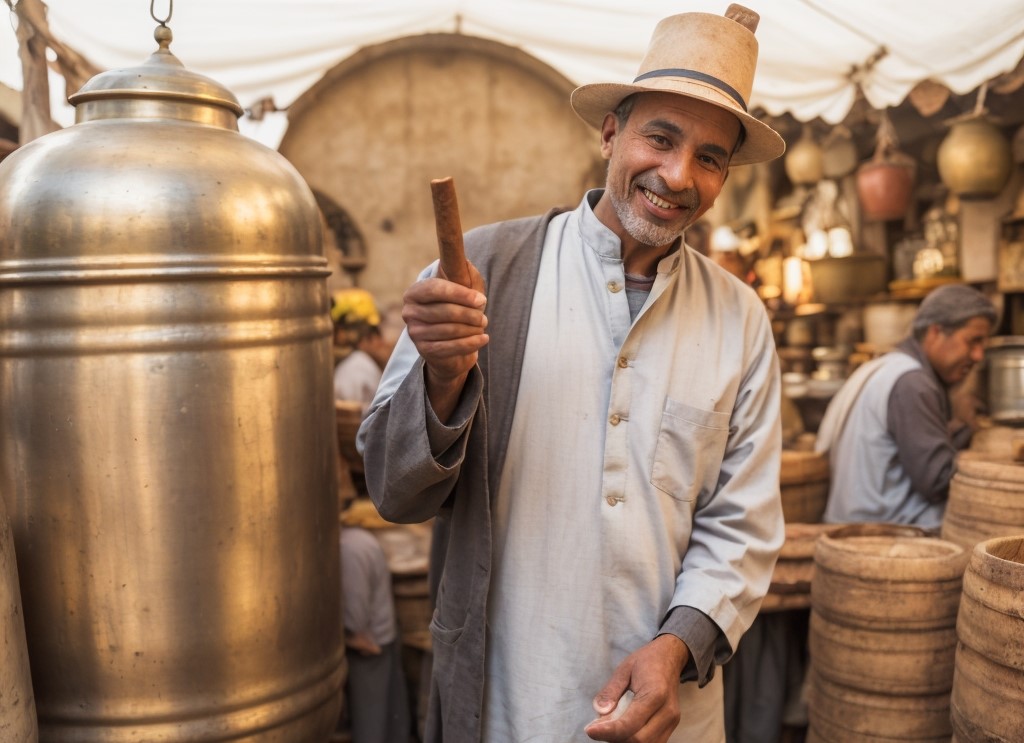
Picture yourself strolling through the vibrant Jemaa el-Fnaa square in Marrakech or navigating the winding alleys of Fes el-Bali’s ancient medina. Street vendors, some carrying on generations-old family traditions, often prepare large batches of Khoudenjal in simmering copper pots. The air fills with the warm, enticing aroma of spices, beckoning you to indulge in a cup. Traditionally, Khoudenjal is served in small glasses alongside sweet treats to complement its spicy character.
Aromatic Secrets Revealed: What Makes Khoudenjal Special?
This aromatic brew isn’t made with a pre-ground blend. Instead, whole spices are simmered in hot water, releasing their unique flavors directly into the tea.
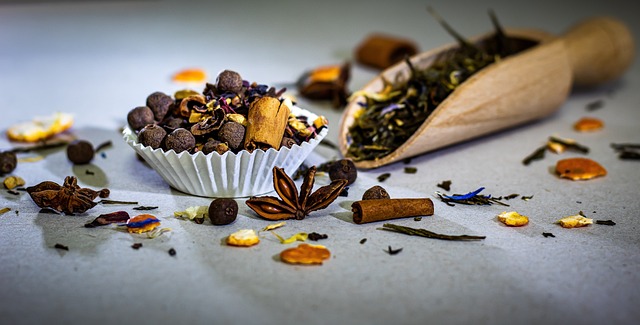
- The Core: Cardamom pods, cinnamon sticks, cloves, and for some variations, galangal root and ginger, form the foundation of Khoudenjal’s flavor profile. Rose petals are sometimes added for a touch of floral sweetness.
- Aromatic Accents: Star anise adds a hint of licorice-like sweetness, while white peppercorns and mace (dried nutmeg flower) introduce subtle floral and peppery notes, creating a complex and delightful experience.
| Herbs & Spices | Scientific Name | Herbs & Spices | Scientific Name |
|---|---|---|---|
| Cardamom pods | Elettaria cardamomum | Dried ash keys (Fraxinus excelsior) | Fraxinus excelsior |
| Cinnamon sticks | Cinnamomum verum | Nutmeg | Myristica fragrans |
| Cloves | Syzygium aromaticum | Jamaican pepper (allspice) | Pimenta dioica |
| Galangal root (Khoulenjal) | Alpinia officinarum | Pennyroyal | Mentha pulegium |
| Ginger | Zingiber officinale | Black seed (nigella seeds) | Nigella sativa |
| Rose petals | Rosa damascena | Melegueta pepper | Aframomum melegueta |
| Red chili | Capsicum spp. | Long pepper | Piper longum |
| Madder root | Rubia tinctorum | White peppercorns | Piper nigrum |
Brew Your Own Spiced Tea: A Taste of Morocco at Home
Ever craved that delicious spiced tea sold by Moroccan street vendors? The good news is, making your own flavorful brew is surprisingly simple!
The key to replicating that rich aroma and taste lies in selecting the right spices for your tea. Here’s a breakdown of some popular choices:
- Galangal root and ginger: These powerhouses deliver a warming, spicy kick that invigorates your senses.
- Allspice: Think of it as a shortcut to warm, sweet notes, similar to a blend of cloves, cinnamon, and nutmeg.
- Cardamom: This complex spice offers a unique aromatic character, elevating the overall flavor profile of your tea.
- Cinnamon: A familiar and comforting spice, cinnamon adds a touch of warmth and sweetness.
- Star anise: This star-shaped wonder lends a hint of licorice-like sweetness, balancing the other flavors and creating depth in your tea.
By combining these spices, you can create a delicious spiced tea that captures the essence of Morocco, right in your own kitchen!
Traditionally, Khoudenjal is a comforting beverage enjoyed on chilly days. It’s known for warming the body and invigorating the spirit. Herbalists often praise its reputation for boosting vitality and blood circulation.
A Change in Course: Modern Concerns
Unfortunately, some recent trends have strayed from tradition. Certain vendors have begun adding unrelated ingredients that supposedly enhance sexual desire. These additions are often falsely marketed as a “magical elixir,” aphrodisiac, or even a natural Viagra. This not only undermines the authenticity of the drink, but also lacks the support of traditional herbal knowledge.
Preserving the Legacy:
To savor the genuine experience of Khoudenjal, consider preparing it yourself using a traditional spice blend or purchasing from reputable sources known for their commitment to preserving this cherished Moroccan tradition. This way, you can appreciate not only the distinctive flavor profile but also the integrity of this cultural practice.
A Word of Caution: Khoudenjal and Individual Needs
While traditionally appreciated for its warming qualities, Khoudenjal can present a complex blend. With over 16 potential spices and herbs, each boasting unique chemical components, it may not appeal to everyone. To offset its spicy taste, many street vendors use a generous amount of sugar to introduce a hint of sweetness.
Considering Your Health:
People with pre-existing health conditions, particularly hypertension (high blood pressure) or diabetes, should consult a healthcare professional before consuming Khoudenjal regularly. Certain spices in Khoudenjal can interact with medications for these conditions.
Side Effects:
While uncommon, some individuals may experience side effects from Khoudenjal’s various ingredients. These could include heartburn, digestive discomfort, or allergic reactions. If you experience any discomfort after consuming Khoudenjal, it’s best to discontinue use and consult a doctor.