

Unveiling the secrets of Moroccan Amazigh Tea (Lkhalta)
Morocco, a land where crossroads of continents meet, boasts a rich tapestry of flavors. Its unique geographical position has fostered a vibrant plant life, allowing Moroccans to develop a deep connection with their environment. This connection is evident in the diversity of Moroccan cuisine, which incorporates not only native herbs and plants but also reflects the dietary customs of neighboring Mediterranean cultures.
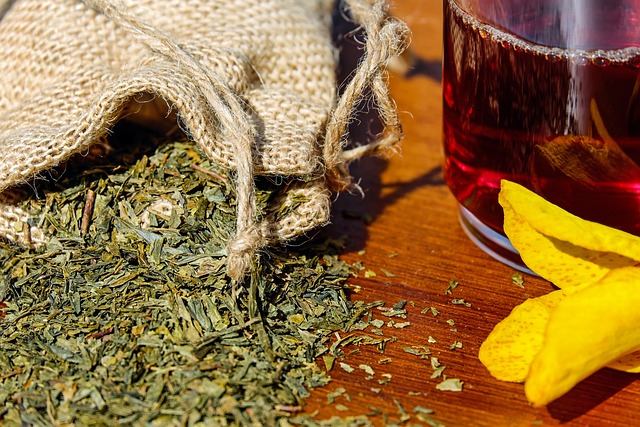
In our exploration of Moroccan tea traditions, we’ve delved into the ubiquitous mint tea, the healing world of medicinal herb teas, the unique flavors of acacia gum and ambergris teas, and the fragrant floral infusions of Damask rose and orange blossom. We’ve also unraveled the complexities of spiced khoudenjal tea, a concoction of over 16 spices and medicinal herbs. Now, we embark on a journey to discover another intriguing Moroccan tea: Amazigh tea, also known as lkhalta. This unique beverage blends gunpowder tea with a symphony of dried herbs, leaves, and flowers, offering a taste experience unlike any other.
A Dive into Moroccan Herbal Infusion Blends
Morocco’s love affair with tea goes far beyond the ubiquitous mint tea we know today. Long before the introduction of Chinese tea leaves (Camellia sinensis) in the region, Amazigh Moroccans traditionally sipped on herbal infusions known as “Laâshoub.” This centuries-old practice involved steeping medicinal plants like rosemary, thyme, oregano, chamomile, and myrtle in hot water, creating a deeply flavorful and potentially therapeutic beverage.
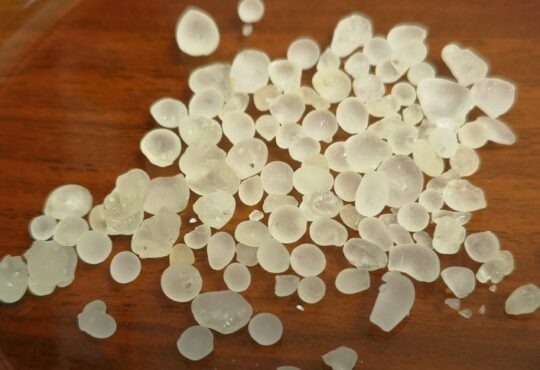
The arrival of Chinese tea marked a turning point in Moroccan tea culture. Moroccans embraced these new leaves, but with a twist – they began infusing them with a vibrant array of locally sourced herbs and aromatics. Fresh or dried rose petals, orange peel, saffron, bitter orange blossom, and jasmine flowers became popular additions, adding fragrant layers to the tea. Additionally, acacia gum, a natural resin abundant in southeastern and southern Morocco, found its way into teacups, further enriching the flavor profile.
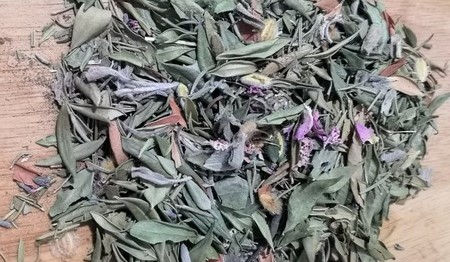
This beautiful fusion gave birth to “lkhalta,” also known as Berber tea. Lkhalta is not a single herb, but a meticulously crafted blend of dried leaves, flowers, and herbs. Typical ingredients include lavender, sage, myrtle leaves, rose petals, chamomile, olive leaves, star anise, lemon verbena, the unique Woolly cumin (Ammodaucus leucotrichus), rosemary, lesser calamint, wild pennyroyal, and acacia gum. Depending on the region, the specific composition of lkhalta may vary, offering a delightful exploration of local flavors.
| Moroccan tea ceremonies showcase a fascinating duality. For loose-leaf teas, Moroccans traditionally brew gunpowder tea with sugar and personalize it with fresh or dried herbs like spearmint, wormwood or lemon verbena . Lkhalta or Atay laâshoub, on the other hand, is a pre-mixed blend of dried leaves, flowers, and sometimes even fruit or resin. This versatile blend can be enjoyed alone or steeped with gunpowder tea for an extra layer of flavor. |
Moroccan Tea: The Benefits of Botanical Blends
Lkhalta isn’t just a delicious beverage; it’s a carefully curated blend overflowing with natural goodness. Each herb, leaf, and flower brings its unique set of benefits to the table, creating a symphony of taste and well-being. Let’s delve into the treasure trove of health-promoting ingredients found in lkhalta:
- Lavender: Renowned for its calming properties, lavender soothes the mind and promotes relaxation, making lkhalta a perfect wind-down drink after a long day.
- Sage: Traditionally used to soothe sore throats, sage may also hold promise for enhancing memory and senses. It adds a touch of antimicrobial goodness to lkhalta.
- Myrtle Leaves: Packed with antioxidants, myrtle leaves have been traditionally used to address respiratory issues and promote healthy skin.
- Rose Petals: Beyond their beauty, rose petals possess anti-inflammatory properties that can soothe digestive troubles and contribute to radiant skin.
- Chamomile: This widely beloved herb is well-known for its calming effects. Chamomile can ease anxiety, promote relaxation, and even improve your sleep quality.
- Olive Leaves: Nature’s antioxidant and anti-inflammatory powerhouses, olive leaves offer potential benefits for heart health by lowering blood pressure.
- Star Anise: This star-shaped spice is renowned for its digestive properties, aiding in relieving symptoms like bloating and indigestion, making it a staple in traditional medicine.
- Lemon Verbena: Renowned for its calming properties, lemon verbena soothes the nerves and promotes relaxation, aiding in stress relief and improved sleep quality.
- Woolly Cumin (Ammodaucus leucotrichus): Traditionally used to improve digestion and ease gastrointestinal discomfort, woolly cumin enhances the gut-friendly properties of lkhalta.
- Rosemary: With its antioxidant and anti-inflammatory properties, rosemary supports cognitive function and may enhance memory.
- Lesser Calamint: This lesser-known herb tackles indigestion and gastrointestinal issues with its antibacterial properties.
- Wild Pennyroyal: Known for its digestive benefits, wild pennyroyal has also been used traditionally to alleviate menstrual cramps, offering comfort during that time of the month.
- Acacia Gum: As a prebiotic fiber, acacia gum nourishes your gut health and promotes healthy digestion.
Exploring Moroccan Herbal Tea Variations
While Moroccan herbal tea traditions boast regional variations, here’s another delightful method using readily available dried herbs:
1 A straightforward choice of herbal infusion.
- Geranium Rosa: Adds a delicate floral touch.
- Marjoram: Offers a warm, slightly sweet note.
- Wooly Cumin: Contributes an earthy, slightly bitter note.
- Sage: Provides a unique flavor and potential medicinal benefits.
- Myrtle Leaves: Enhance the blend with a fresh, lemony aroma and potential respiratory health benefits.
- Apple Mint: Offers a refreshing mentholated touch and digestive properties.
- Chamomile: Promotes relaxation and sleep with its floral sweetness and calming effects.
2. Herbal Tea as a Natural Remedy
Traditionally enjoyed during cold seasons, herbal tea can be further enhanced with these powerful additions:
- Pennyroyal, Thyme, and Oregano: Renowned for their antibacterial and antiviral properties, these herbs can provide additional defense against common ailments (like colds and coughs).
- Sage (as mentioned above): Reduces sweating and alleviates inflammation.
Important Health Reminders for Herbal Tea Consumers
While herbal teas offer a natural approach to wellness, it’s crucial to be mindful of certain health considerations:
- Blood Pressure: Some herbs may affect blood pressure levels. If you have hypotension or hypertension, it’s advisable to consult your doctor before consuming herbal tea blends.
- Diabetes: Certain herbs can impact blood sugar levels. If you have diabetes, it’s important to discuss potential interactions with your doctor before incorporating herbal tea into your routine.
- Ulcers (Stomach or Intestinal): Some herbs may have properties that can irritate ulcers. Opt for soothing herbs if you have stomach ulcers.
- Urinary Problems: While some herbs may act as diuretics, promoting urine production, they do not directly affect the bladder. If you have any urinary tract concerns, it’s recommended to speak to your doctor before consuming herbal tea blends.
Additionally, if you are taking any medication, it’s essential to consider potential interactions with herbal teas. Some herbs may interact with certain medications, either enhancing or diminishing their effects. Always consult your healthcare provider before consuming herbal teas, especially if you have underlying health conditions or take medications.
Remember:
This information is for general awareness and should not replace professional medical advice. Always consult your doctor before consuming herbal tea, especially if you have underlying health conditions or take medications.