

The History of Coffee in Morocco
Morocco, a land steeped in tradition, is renowned for its tea culture, woven into the fabric of daily life. Yet, coffee holds its own place as a distinct and cherished beverage. Coffee’s introduction to Moroccan shores dates back centuries, but it wasn’t until the colonial era that its popularity soared alongside the establishment of cafes brought by the French.
Limited Consumption and the Rise of Cafes
Interestingly, Moroccans had long been acquainted with coffee, yet its consumption remained limited across social strata for generations. Religious edicts dating back to the 17th century, echoing earlier prohibitions on tea, constrained its accessibility. However, by the 19th century, societal attitudes relaxed, and both tea and coffee found favor among the elite, affluent citizens, and influential pashas in key urban centers like Tangier, Fez, and Marrakech.
Unlike Europe, Morocco initially lacked a dedicated cafe culture. Instead, establishments known as “fondouks” provided lodging and sustenance without catering specifically to tea and coffee service. Tangier, strategically vital and home to the diplomatic corps since 1856, offers a revealing window into this era. Historical records document the Pasha of Tangier’s rejection of a British consul’s proposal to open over 20 cafes, shedding light on the absence of widespread cafe culture during this period.
The Rise of Cafes and the Enduring Presence of Tea Houses:
– Traditional Tea Houses: Long before modern cafes arrived, traditional Moroccan tea houses, known as “tea shops,” were a cornerstone of social life. Particularly in bustling souks (marketplaces), these tea shops offered a simple yet social setting. Patrons relaxed on doum carpets (handwoven from Moroccan dwarf palm), mirroring the traditional way tea is enjoyed at home.
– Arrival of Modern Cafes (1880s): Around 1880, a new chapter unfolded. Modern cafes, inspired by European establishments, began appearing in Tangier and eventually spread across the country. These cafes offered a distinct atmosphere compared to traditional tea houses.
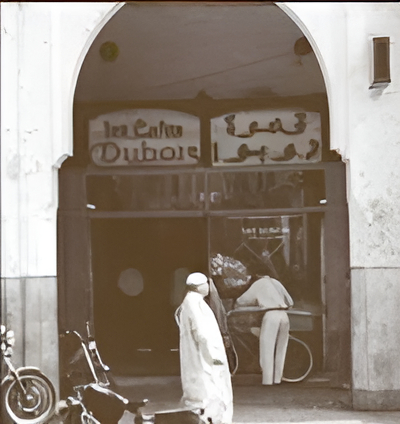
– Coffee Culture Takes Root (Early 20th Century): The introduction of coffee as a popular beverage came later, marked by the founding of pioneering establishments like Cafés Carrion (1924) and Les Cafés Dubois (1926). These cafes played a crucial role in fostering the widespread adoption of coffee culture throughout Morocco.
– French and Spanish Influence on Food (Early 20th Century): The influence of French and Spanish daily life gradually impacted Moroccans, especially in cities. Alongside cafes and restaurants, modern pastry shops and bakeries emerged, offering new foods like baguettes, tarts, and café au lait. This led many Moroccan families, particularly in urban areas, to adopt a new dietary regimen, starting their mornings with French-inspired breakfasts.
– Moroccan Twist on Coffee: However, Moroccans have always added their unique touch. Familiar with minty, floral, and spicy notes in their cuisine, they naturally incorporated these flavors into their coffee. This is why spiced coffee remains the most popular coffee drink within households, reflecting the Moroccan preference for bolder flavors.
The Art of Moroccan Coffee: A Blend of Tradition and Flavor
Mint-infused coffee isn’t unique to Morocco, but here it takes on a special cultural significance. In cafes, you might find a subtle touch of mint syrup added to strong coffee to balance the flavor. However, Moroccan homes offer a glimpse into a cherished tradition: the meticulous preparation of coffee.
Freshly Ground and Mint-Infused:
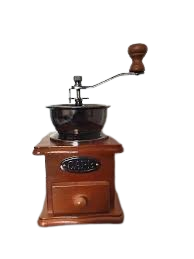
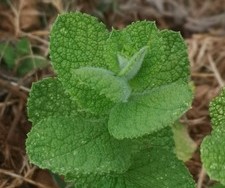
Traditionally, Moroccans grind their coffee beans fresh just before brewing. This meticulous process ensures a vibrant aroma and full-bodied flavor. To create a unique minty note, some incorporate dried apple mint leaves along with the beans. The apple mint infuses the coffee with a refreshing and invigorating touch, perfectly complementing the boldness of the coffee. This delightful combination is a beloved aspect of Moroccan coffee culture, offering a delightful twist on the classic beverage.
Aromatic Hints of Thyme:
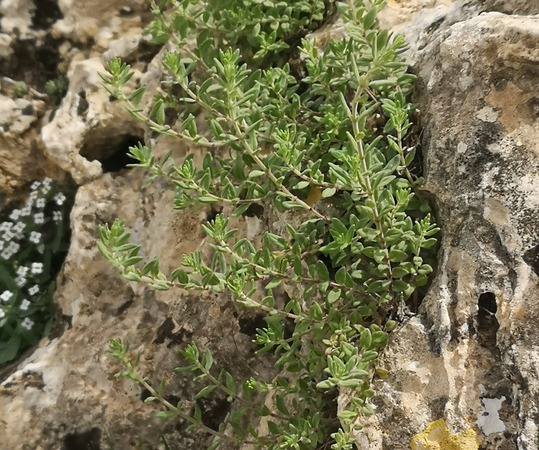
While apple mint is the more common choice for a minty coffee experience, some Moroccans also appreciate a subtle hint of thyme. A tiny pinch of thyme is added after grinding the coffee beans. This addition is primarily for its aromatic qualities and potential medicinal properties. The amount used is incredibly small, ensuring the thyme merely complements the coffee’s flavor and aroma without overpowering it. Ultimately, the choice between apple mint and thyme is a matter of personal preference, reflecting the diverse palates within Moroccan coffee traditions.
Coffee with Artemisia Herba-Alba
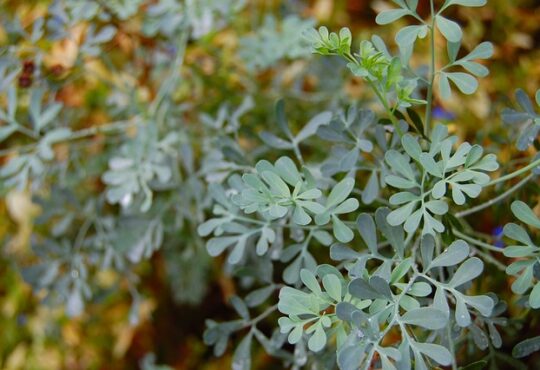
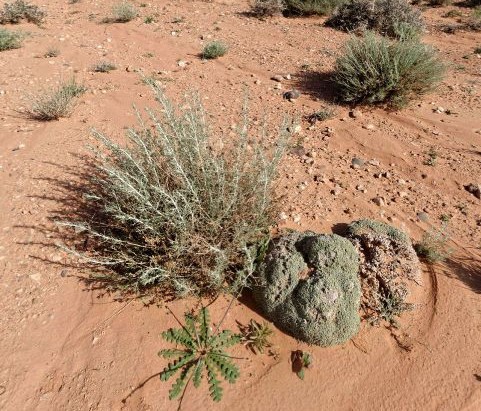
Another way Moroccans prepare coffee has a fascinating regional twist. Across the vast plains of eastern Morocco, the southeastern regions, and the Middle Atlas Mountains, a unique coffee infusion emerges. Here, the medicinal plant Shih or Chih, scientifically known as Artemisia herba-alba, thrives. Nomads have traditionally valued this plant for its various properties, including its purgative, anti-fever, anthelmintic (expels intestinal worms), and antidiabetic effects.
Fascinatingly, nomads and certain localities in Morocco have Practiced a unique tradition of infusing coffee with Shih (Artemisia herba alba). This infusion not only imparts a robust camphor fragrance to the coffee but also blends the bitterness of the coffee with its own distinctive flavor profile.
Moroccan Spiced Coffee: A Fragrant Invitation
Imagine yourself wandering through the vibrant alleys of a Moroccan market. The air hums with activity, and a captivating aroma fills your senses. It’s the unmistakable scent of freshly brewed spiced coffee, carried by a graceful vendor with a steaming kettle. This fragrant beverage is a beloved tradition, deeply woven into Moroccan culture and enjoyed in bustling souks (open-air markets) across the country.
While the delicious recipe for spiced coffee can vary from region to region, there’s a common thread that binds them all. The warm aroma of cinnamon and the invigorating taste of ginger are almost always present, forming the base for this flavorful blend.
The Traditional Recipe of Fez
The ancient city of Fez, renowned for its rich culinary heritage, boasts a meticulously crafted recipe for spiced coffee. This specific blend utilizes a variety of natural ingredients, each measured precisely to achieve a harmonious flavor profile:
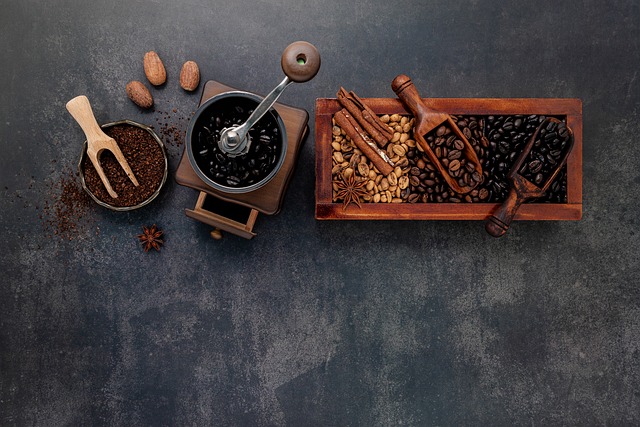
| Coffee Beans, Cinnamon, Ginger, Cloves, Star Anise, Galangal Root, Thyme, Lavender, Bay Leaf, Fennel, Ash Keys (optional), Nigella Seeds (optional), Rose Petals (optional), Sesame Seeds, Almonds |
- Coffee Beans: The foundation of the beverage, providing the characteristic invigorating effect and robust body.
- Spices: Cinnamon, ginger, cloves, star anise, and galangal root form the aromatic core, infusing the coffee with warmth and complexity. Galangal root, a relative of ginger, can impart a more peppery and citrusy note compared to ginger.
- Botanicals: Thyme and bay leaf contribute subtle earthy notes, while fennel introduces a hint of licorice.
- Unique Elements: Ash keys (used in some variations) add a subtle depth of flavor, nigella seeds impart a peppery character, and rose petals offer a delicate floral dimension.
- Nuts: Sesame seeds and almonds provide textural contrast and a touch of richness.
The inclusion of lavender, and mastic gum (Meska l’Hora) distinguishes Fez’s recipe, imparting a distinctive floral character that sets it apart from other regional variations.
Regional Takes on Moroccan Coffee
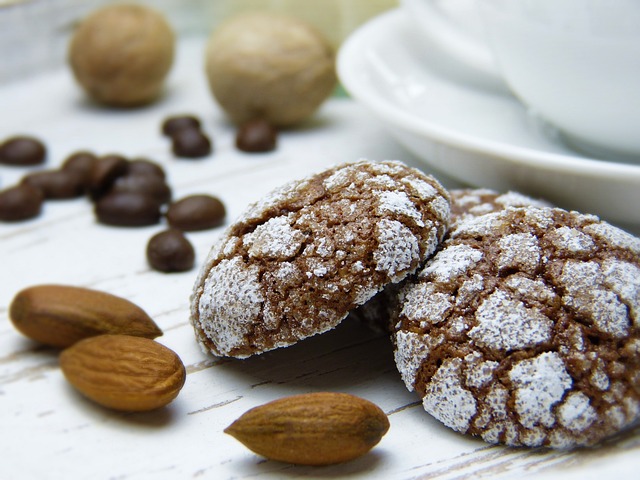
However, as you travel across Morocco’s diverse landscapes and cultural landscapes, spiced coffee undergoes a fascinating transformation, assuming a unique array of flavors in each region. While staple ingredients like cinnamon, ginger, and anise remain constant, various regions incorporate additional aromatic components to craft their own signature blends. These may include cardamom, black pepper, caraway, nutmeg, and mastic gum, each contributing to the rich tapestry of flavors that defines Moroccan spiced coffee.
A Traditional spiced Moroccan Coffee Variation
Ingredients:
- 1 cup coffee beans
- 1 tablespoon ground cinnamon
- 2 whole cloves
- 1 star anise
- 1/4 teaspoon anise
- 2-3 cardamom pods
- 1/4 teaspoon freshly grated nutmeg
- 1/4 teaspoon ground ginger
- 1/2 teaspoon sesame seeds
- 2-3 almonds
- 1/2 tablespoon ground apple mint leaves
- Granulated sugar for serving
Traditional Sweetening and Health Considerations: As Moroccan spiced coffee tends to have a robust and spicy flavor profile, Moroccans often prefer to add granulated sugar to balance the taste. However, for those concerned about their health or looking for alternative options, they may consider adding substitutes for sugar such as honey, agave syrup, or stevia.
Personalization and Variation: Additionally, while this recipe reflects one individual’s preference and taste, it’s important to note that Moroccan spiced coffee recipes can vary widely according to personal preferences and regional traditions. Individuals may choose to add or remove ingredients based on their own tastes and dietary considerations. This allows for a personalized and adaptable coffee experience, tailored to suit individual preferences and cultural influences.