


The Berber Foundation: A Legacy of Flavor and Well-being
The spice route, extending from Asia, Africa, the Mediterranean, and the Arabian Middle East, was a crucial trade network that exchanged spices, silk, and other goods, significantly impacting culinary traditions and economies. This ancient route connected diverse cultures, enriching each region’s heritage
Morocco’s cuisine boasts a vibrant symphony of flavors, a captivating journey influenced by centuries of cultural exchange. Yet, the melody begins with the Berbers, the indigenous people of Morocco. Long before the arrival of outside influences, the Berbers lived in deep harmony with their environment. They cultivated a profound understanding of the land’s bounty, from the humble herbs to the potent spices. This knowledge became the cornerstone of Moroccan gastronomy. Berber dishes, celebrated for their authenticity, burst with unique flavors, serving not just as sustenance but also as natural remedies for everyday ailments.
Spice Routes: Phoenician Influence
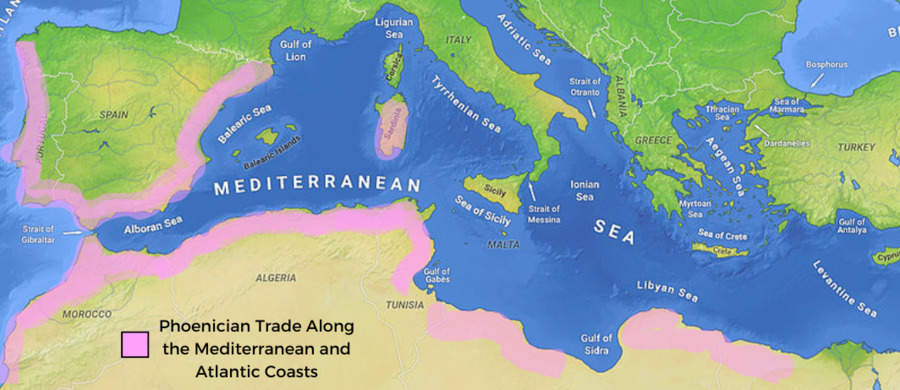
Over time, Morocco’s culinary landscape began to evolve through interactions with various cultures. The first commercial exchanges came with the Romans, Vandals, Phoenicians, and Byzantines. Among these, the Phoenicians, a seafaring people renowned for their vast trade networks, had the earliest and most significant influence.
As early as the 11th century BC, Phoenician explorers established trading posts like Tangis (Tangier), Lixus (Larache), Sala (Salé), and Mogador (Essaouira) along the Moroccan coast. This commercial activity wasn’t just about exchanging goods; it was about introducing new flavors and techniques.
The Phoenicians likely brought staples like wheat, barley, olive oil, and dried fruits to Morocco, enriching the local diet. But their true impact came through the introduction of exotic spices from the Arabian Peninsula. These spices added a whole new dimension of flavor to Moroccan cuisine, whetting the palates of the people and forever changing their culinary landscape.
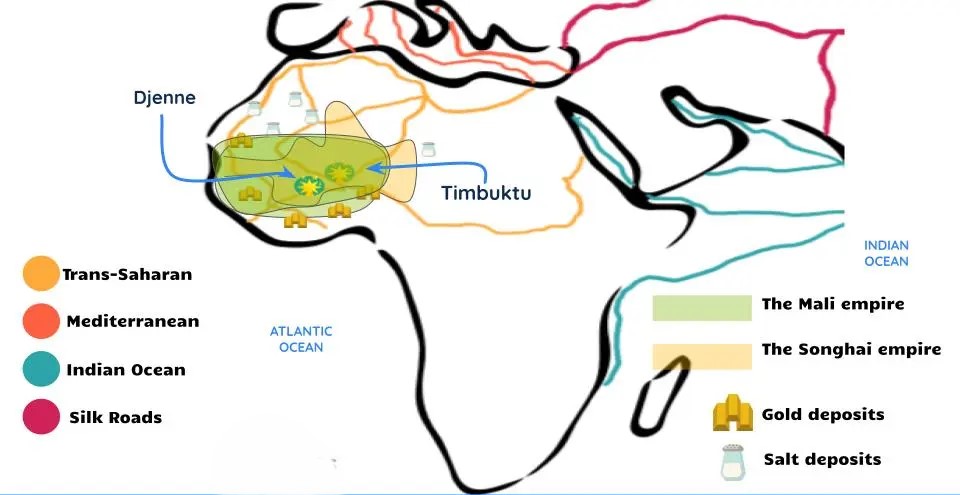
The trade wasn’t one-sided. In exchange for these goods, the Phoenicians imported treasures like gold, ivory, and animals, particularly through the bustling port of Mogador. This port served as a crucial hub in the trans-Saharan trade network. Desert caravans, laden with goods from various points across the region, converged on Mogador. This included products from major trading centers that developed along the middle Niger River in present-day West Africa.
The Arrival of the Arabs and Beyond: The arrival of the Arabs in the 7th century marked a turning point for Moroccan cuisine. These newcomers brought a treasure trove of spices – cinnamon, ginger, saffron, and cumin – that forever altered Moroccan dishes. Their intoxicating aromas and distinctive flavors added a whole new dimension to the culinary landscape.
A Tapestry of Influences: Subsequent waves of cultural exchange further enriched Moroccan cuisine. Jewish communities in imperial cities and Berber villages, Moorish influences from Andalousia, all contributed unique ingredients and techniques. This wasn’t just about new additions; it likely influenced how Moroccans used flavors and cooked their food, adding another layer of complexity to the vibrant tapestry that is Moroccan cuisine.
20th Century: A Touch of Europe: The 20th century saw a new wave of influence, this time from Europe. French influence, particularly during the protectorate period, introduced pastries like croissants and certain cooking methods like butter-based sauces. Spain’s colonial presence in northern Moroccan cities and the Rif region also left its mark on Moroccan cuisine. Dishes like seafood paella became familiar additions to tables, particularly in these areas with closer historical ties to Spain. While these European influences were less dramatic than the earlier spice revolution, they added another layer of refinement and diversity to Moroccan cuisine.
Moroccan Magic: Food as Medicine
Moroccan cuisine transcends mere culinary delight. It’s a vibrant tapestry woven by generations of women, where taste and tradition meet with a touch of magic. Steeped in ancestral knowledge, Moroccan mothers ingeniously incorporate the healing properties of medicinal plants into everyday meals. This seamless fusion of flavor and well-being reflects a deep-seated belief, captured in the proverb “Makla w’ Dwa” – food as medicine.
Imagine broths infused with pennyroyal (known for its digestive benefits), thyme (supporting the immune system), oregano, and romarin (containing antioxidants). These dishes transcend mere taste; they’re a testament to the enduring ingenuity of Moroccan women. By incorporating nature’s bounty, they ensure their families benefit with every delicious bite.
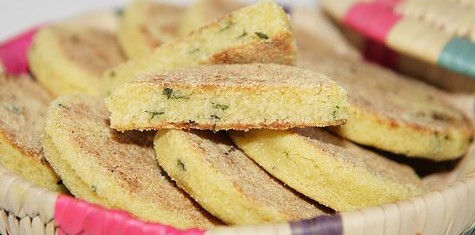
Consider Harsha, a flat semolina bread, for instance. Its seemingly modest appearance can conceal a delightful surprise—a sweet and refreshing filling of apple mint, occasionally complemented by thyme and black olives, or even featuring a subtle hint of fern leaf lavender (Lavandula multifida) leaves. This dish epitomizes the Moroccan knack for integrating unexpected flavors and medicinal elements into their cuisine.
Bkoula is a versatile traditional salad from Morocco, often served with tagines or grilled meats. It’s made from a variety of plants and spices, with essential flavors such as paprika, cumin, and chili contributing to its signature taste. Additionally, herbs like coriander and parsley are commonly used to enhance its flavor profile
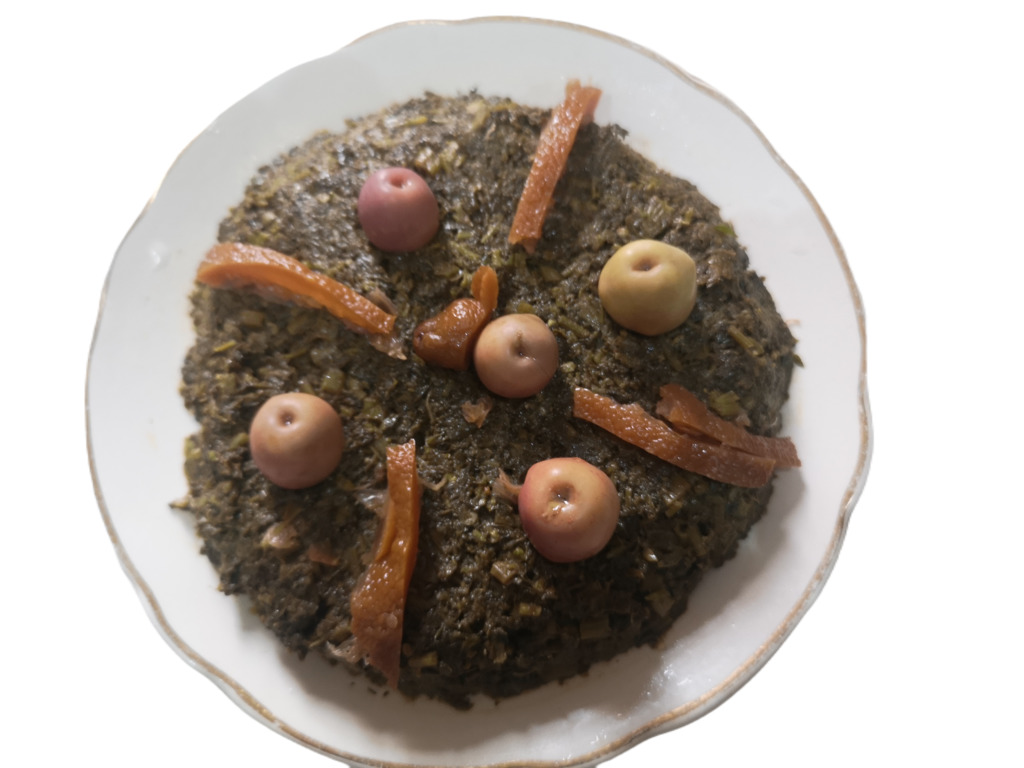
The following herbs and plants are commonly used to make Bkoula.1Two or three herbs may be used at a time, or just one, depending on personal preference or availability.
- Sea Beet (Beta vulgaris subsp. maritima)
- Alfalfa (Medicago sativa)
- Beetroot Leaves (Beta vulgaris)
- Malva Leaves (Malva sylvestris)
- Purslane (Portulaca oleracea)
- Bitter Dock (Rumex obtusifolius)
- Poppy Leaves (Papaver rhoeas, before flowering)
- Wild Mustard Leaves (Sinapis arvensis)
- Crown Daisy Leaves (chrysanthemum coronarium)
- Bishop’s Flower (Ammi majus L, young shoots)
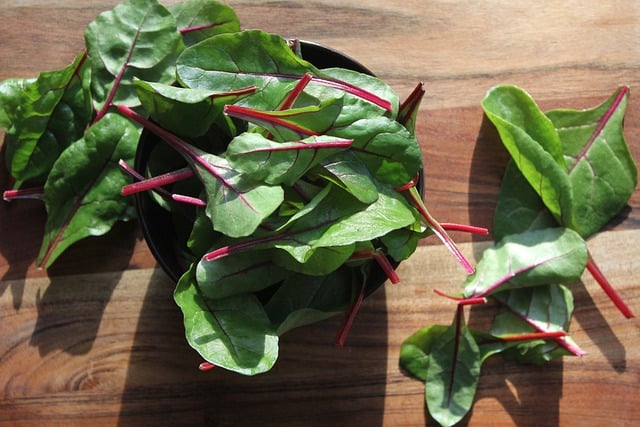
Many of these herbs are a good source of vitamins and minerals, including iron, magnesium, potassium, and vitamins A, C, and K. They can contribute to a healthy diet by providing essential nutrients and fiber for digestion. Some, like alfalfa and purslane, even boast additional benefits like potentially lowering blood sugar or offering high levels of omega-3 fatty acids.
Ras el Hanout: A Spice Fit for Celebrations
Moroccan cuisine boasts a vibrant array of spices, and among them reigns supreme the enigmatic Ras el Hanout. This evocative name translates to “Head of the Shop,” hinting at the blend’s exclusivity and the respect accorded to the skilled spice merchants who create it.
Unlike the ubiquitous Mssakhen (a simple variation of spice blend used on chilly days to warm the body), Ras el Hanout is a unique and closely guarded secret. Its composition varies depending on the region and the spice vendor’s creativity, but it generally combines a heady mix of cardamom, cumin, cloves, cinnamon, nutmeg, and a touch of chili peppers. This exceptional blend is not for everyday meals; it’s reserved for elevating dishes on special occasions.
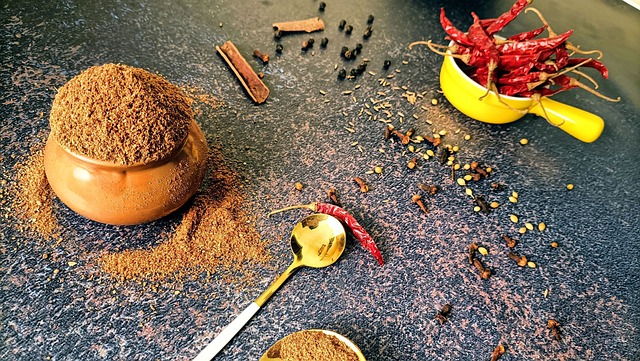
One such occasion is the Akika, a joyous celebration marking a child’s birth. Families prepare the renowned Rfissa, a flavorful stew featuring free-range chicken slow-cooked with the magic of Ras el Hanout. This prized spice blend also takes center stage in Morocco’s iconic chicken pastilla, known as Bastela. This delectable flaky pastry, often served at weddings and festive gatherings like Eid al-Adha (the Feast of Sacrifice), wouldn’t be complete without the warmth and depth imparted by Ras el Hanout.
How Was Ras el Hanout Created?
The abundance of exotic spices that arrived from distant lands in Africa and Asia was facilitated by a network of trade routes. Sub-Saharan caravans traversed scorching landscapes to bring spices from West Africa to Morocco, while another route snaked through Egypt, connecting Morocco to the spice-rich Arabian Peninsula. This network linked the Arabian Peninsula to vast Asian trading centers, particularly in India and China, facilitating the diffusion of these precious ingredients.
Fragrant cardamom, fiery cloves, warm cinnamon, black pepper, vibrant turmeric, zesty ginger, grains of paradise, and the aromatic Cyperaceae rhizome became integral to Moroccan gastronomy. These spices, woven into the fabric of Moroccan cuisine, continue to delight palates today, enriching dishes with their unique flavors and preserving a rich culinary tradition.
Beyond Celebrations: A Slow-Cooked Delight
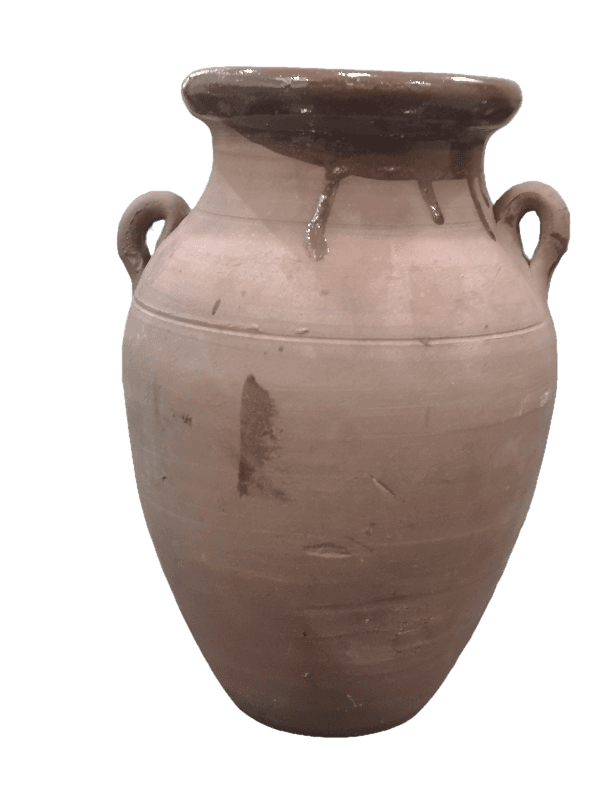
But the allure of Ras el Hanout extends beyond celebratory feasts. It’s a key ingredient in the renowned Tangia or Tanjia l’Mrakchia. This slow-cooked masterpiece, traditionally prepared in a clay pot buried in the embers, owes its complex flavor profile to the carefully curated blend of spices, including Ras el Hanout. While Marrakech is particularly known for this unique dish, variations can be found in other cities like Meknes and Sefrou.
The Treasured Threads of Saffron
Saffron, also known as “red gold,” is a prized spice renowned for its culinary and medicinal properties. Believed to have been introduced to Morocco by the Phoenicians, it’s meticulously cultivated in select regions like Taliouine and Taznakht. This delicate flower yields only a few precious threads, making it a luxurious addition to both everyday dishes and special occasions. Even Moroccan tea can be subtly enhanced by a touch of saffron, adding a unique aroma and potential health benefits.
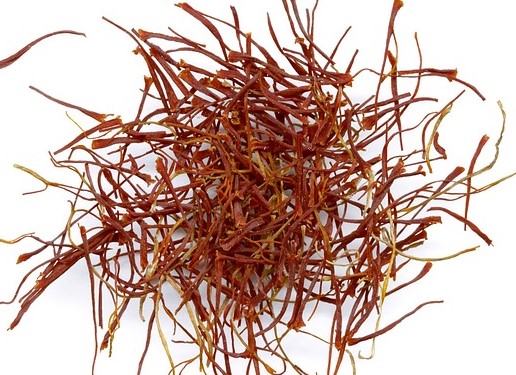
In Moroccan cuisine, saffron works its magic with subtlety. Unlike bold spices, it gently elevates flavors without overpowering them, while also adding a beautiful golden hue to dishes. The key is using a minimal amount – a pinch or a few threads is all it takes to experience its delicate essence at the end of each bite. While cookbooks often offer vague measurements, it’s best to start small and adjust to your taste. However, unlike other spices, saffron requires patience. To coax out its full potential, pre-infusion is crucial. High heat also has a negative impact on saffron, diminishing its delicate aroma and leaving only the color behind.
Despite its delicate nature, saffron is a versatile ingredient, gracing dishes like chicken tagines, couscous, and the iconic pastilla. From savory meats and fish to fragrant rice and sweet pastries, a touch of saffron adds a touch of luxury and depth to Moroccan cuisine. This versatility even extends to beverages. Some Moroccans prefer to incorporate saffron into their tea, creating a unique experience. Moroccan tea with saffron subtly enhances the flavor of the tea with the sublime aroma of saffron, offering a delightful and luxurious way to enjoy this iconic beverage.
- Noramine, K. (2023). Medicinal and Edible Plants of Morocco [Self-published]. ↩︎