

The Moroccan Pistacia Trees
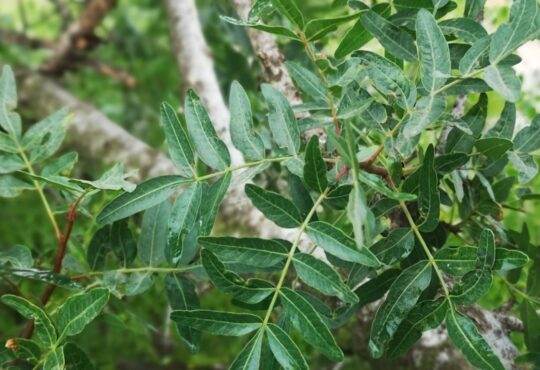
Pistacia trees are found in Morocco’s plains, as well as in low and mid-altitude mountains, thriving under semi-arid, sub-humid, humid, and very humid bioclimates. The thermal variations range from warm to cool, and the preferred substrates are marl or clay.
There are three types of lentisk trees in Morocco:
- Pistacia lentiscus: Known by its vernacular name Drou and in Berber as fadess or Afatess.
- Pistacia atlantica: Common in North Africa and also referred to as l’Btem, and in Berber as Igg
- Pistacia terebinthus.
These trees blanket Morocco’s diverse landscapes, from the Saharan Atlas to the Mediterranean coast, thriving in both infra-Mediterranean and thermo-Mediterranean zones.
Moroccan Mastic vs. Meska Hora: A Tale of Two Resins
Jamal Bellakhdar, a prominent figure in Moroccan ethnobotany, sheds light on the interesting relationship between Moroccan Pistacia lentiscus and the famous Meska L’Hora. Renowned for his contributions to understanding the connections between plants and human cultures, Bellakhdar’s expertise is invaluable in this case.
Here’s a breakdown for better understanding:
Moroccan Pistacia lentiscus:
- We do have it! As Bellakhdar confirms, Morocco is home to the Pistacia lentiscus species.
- Resin production: While the Moroccan Pistacia lentiscus produces resin, it differs from the one prized in Chios.
- Characteristics: The Moroccan resin is described as “pasty” with a ” turpentine-like odor.”
- Uses: Despite the difference, Moroccans still utilize this resin in cosmetics and traditional medicine.
Meska Hora: A Valued Moroccan Culinary Ingredient
Meska Hora, a highly regarded component in Moroccan cuisine, is indeed the aromatic resin known as mastic gum, derived from the Pistacia lentiscus var chia tree.
The name itself, translating to “authentic gum” in Moroccan Arabic (Meska = gum, Hora = authentic), underscores its esteemed position in Moroccan gastronomy. Unlike Morocco’s indigenous Pistacia lentiscus, which yields a distinct resin, Meska L’Hora is likely imported, possibly from the renowned “Mastihohoria” region known for cultivating this specific variety.
The history of Meska Hora is likely intertwined with trade routes and cultural exchange, reflecting the recognition of its unique ability to enhance various dishes.
Meska Hora vs. the Look-Alikes: Unveiling the Real Deal
Meska Hora, a treasure in Moroccan cuisine, is the true mastic gum prized for its unique ability to enhance dishes. But with its popularity comes confusion! Let’s clear the air and learn how to identify the real deal from its look-alikes:
1. The Real Deal: Meska Hora (Genuine Mastic Gum)
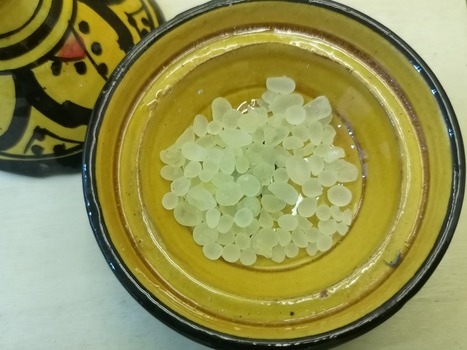
- Source: Comes from the Pistacia lentiscus var chia tree, a specific and prized variety found on the island of Chios in Greece.
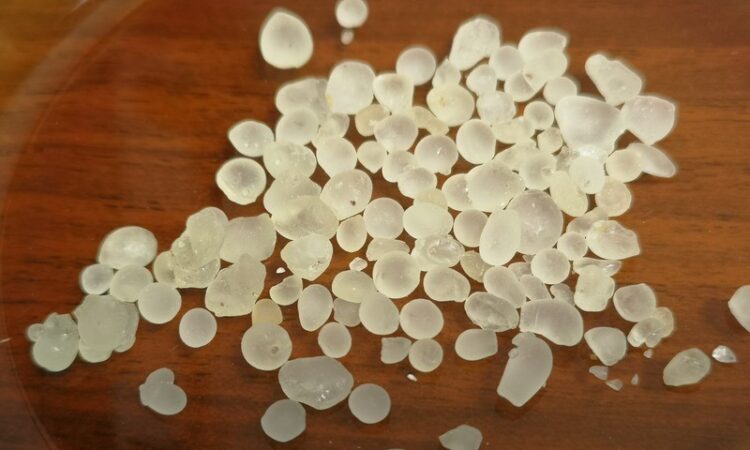
- Appearance: Aromatic resin, often sold in crumbly or tear-shaped pieces.
- Qualities: Known for its unique flavor and ability to elevate dishes.
2. The Look-Alike: Gum Arabic
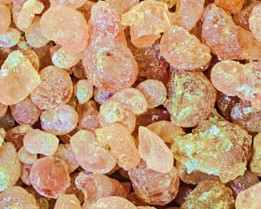
- Source: Extracted from the sap of various acacia trees, like Acacia senegal or Acacia seyal (vachelia).
- Appearance: Can vary in color from white to amber, typically sold in larger, more brittle pieces compared to the teardrop or round shapes of mastic gum.
- Uses: Commonly used as a food additive, thickener, and in some medicinal applications. While valuable, it doesn’t have the same flavor or culinary purpose as Meska L’Hora (mastic gum).
- Confusion with Mastic Gum: Arabic gum (Meska) can be easily confused with mastic gum (Meska L’Hora) in Arabian literature, especially when discussing culinary or medicinal uses. This is why Moroccans use the term “Meska L’Hora” (meaning “genuine mastic gum”) to clearly distinguish between the two.
3. The Look-Alike: Moroccan Acacia Resins
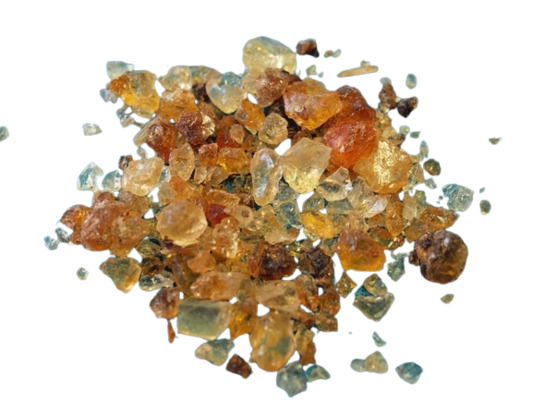
- Source: Resins produced by Moroccan acacia trees like Acacia raddiana (talha) or Acacia gummifera (talh/âalk talh).
- Appearance: Varies depending on the acacia species. (These resins can sometimes be a light brown or yellow)
- Uses: Widely used in Moroccan tea for their flavor and medicinal properties. However, they are not substitutes for Meska L’Hora in cooking due to distinct flavors and textures.
Buyer Beware!
Unfortunately, some vendors try to mislead customers with Meska L’Hora:
- Imitators: They might sell cheaper resins, similar to Chios mastic gum, but not the genuine article.
- Confusion: Due to a lack of knowledge, some vendors might confuse Meska L’Hora with gum arabic extracted from acacia trees.
How to Identify Genuine Mastic Gum (Meska Hora) in Morocco
- Appearance: Fresh mastic gum is typically pale yellow or whitish and has a teardrop or round shape. Older mastic might have a more yellow hue. Avoid very yellow pieces, as they could be stale.
- Aroma: Genuine mastic gum has a distinctive, slightly sweet, and piney aroma. A weak or unpleasant smell may indicate that the gum is fake.
- Taste: Authentic mastic gum has a unique flavor that is slightly sweet, piney, and resinous, leaving a warm, slightly bitter aftertaste. A bland or unpleasant taste can suggest it is not genuine.
- Test with Water: When chewed, real mastic gum should soften and become slightly sticky. Dropping a piece in water can also help: genuine mastic will sink and may form white threads as you stir it. However, this method is not foolproof, as some fakes may also sink.
Moroccan Mastic Gum: A Local and Imported Delicacy
Local Moroccan Mastic Gum
Before delving into the role of Chios mastic gum in Moroccan cuisine, let’s explore the mastic extracted from Moroccan lentisk trees. These trees produce a resin traditionally used as chewing gum due to its perceived benefits for oral health.
Given the abundance of these trees in Moroccan mountains, the extracted gum is often used to freshen breath and sometimes added to tea. Regions like Essaouira favor this local resin in their tea, while Fes tends to use Chios mastic gum in their coffee.
Chios Mastic Gum: Adding Depth to Moroccan Cuisine
Chios mastic gum, imported to Morocco, serves as a stabilizer, binder, and flavoring agent, particularly in sweets and pastries. To use it in recipes, the resin needs to be finely ground. The easiest methods involve freezing the mastic before grinding or placing it in a small bowl with a sprinkle of granulated sugar. Crushing the mixture with a spoon prevents the sticky resin from clumping.
Mastic Gum (Meska Hora) in Popular Moroccan Dishes
Sellou: This beloved dish features toasted flour, often enriched with olive oil or melted butter. It’s further enhanced with ingredients like honey, sesame, almonds, and spices such as cinnamon and aniseed. Mastic gum, adds a unique touch to this flavorful mix.
Beyond Sellou: A Journey Through Moroccan Flavors
Mastic gum’s presence extends beyond Sellou. Here are some other Moroccan culinary delights where you might find it:
- Chicken Pastilla: A flaky phyllo dough pie filled with tender, richly seasoned chicken.
- Gazelle Horns (Kaâb Laghzal): Classic Moroccan cookies with an almond filling and a thin pastry shell.
- Chebakia: A Moroccan sesame cookie shaped like a flower and baked to perfection.
- Baked Chicken (Djaj Mhamer): Aromatic baked chicken.
- Meat with Plum and Sesame (Lham Lberkouk): A savory dish combining meat with plums and sesame.
- Fekkas: Pre-baked cookies cut into thin slices and toasted for a delightful crunch.
- Spiced Coffee of Fes: In Fes, mastic gum adds another layer of complexity to their spiced coffee.
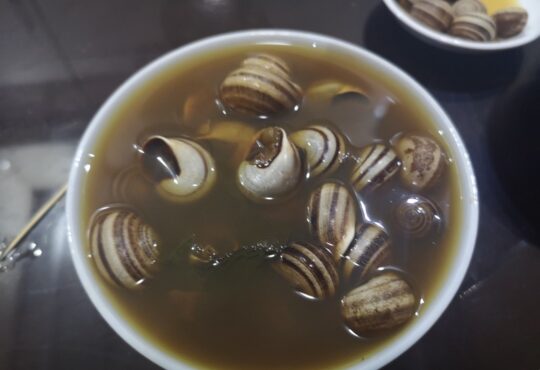
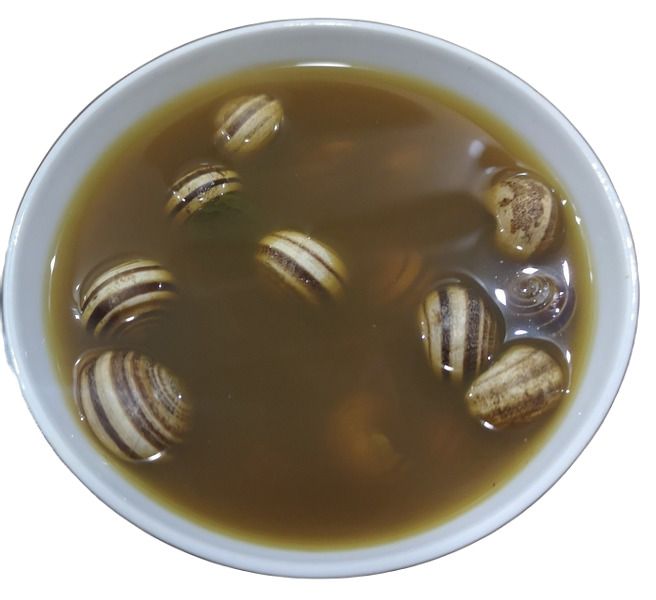
- Moroccan Spicy Broth with Snails: To prepare the flavorful snail broth, known as Bloul, a variety of aromatic ingredients are carefully combined, including mastic gum, to enhance the depth and complexity of the dish.
Unique Bread of Southeast Morocco: Khobz Kwawech
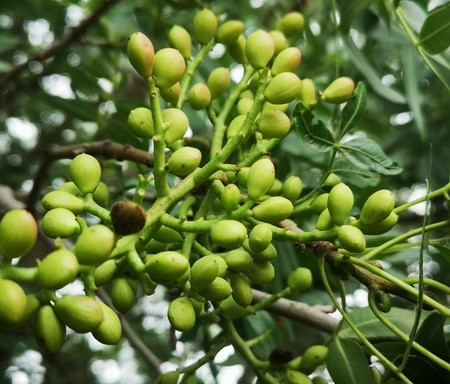
Khobz Kwawech is a traditional bread from southeastern Morocco, made with a unique ingredient: the berries of the Pistacia atlantica tree. These berries, locally called “Kwawech,” are less familiar in other parts of the country.
To prepare this flavorful bread, the Kwawech berries are first collected and crushed with a pestle. This crushed mixture is then combined with fat, green and red chili peppers, and onions to create a spicy stuffing. This flavorful filling is then encased in dough, shaping the distinctive Khobz Kwawech.
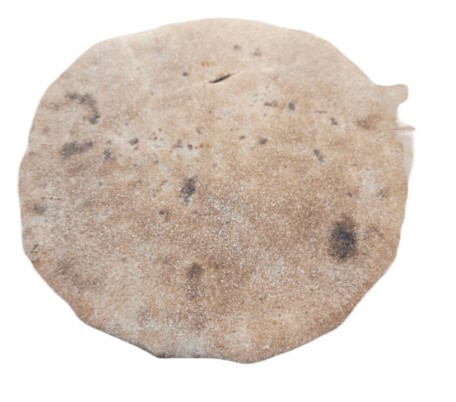
Traditionally enjoyed with a cup of Moroccan tea, Khobz Kwawech offers a delightful and contrasting combination of spicy and savory flavors.