

White Wormwood: Unveiling its Archaeological Past
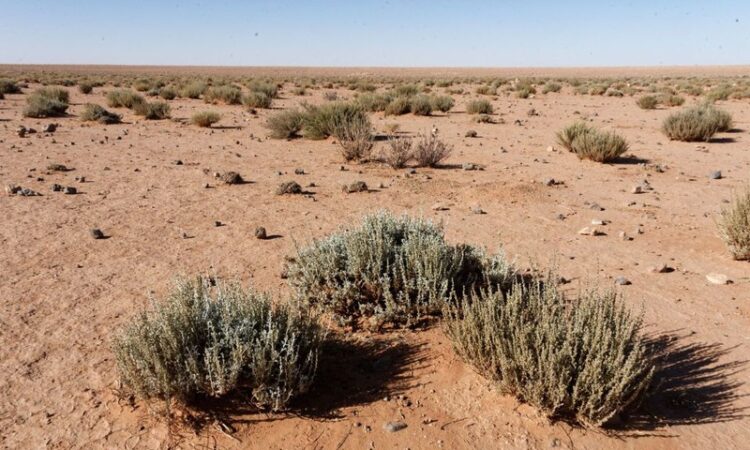
White wormwood or desert wormwood, scientifically known as Artemisia herba-alba, is a perennial shrub from the Asteraceae family. It is indigenous to the arid and semi-arid regions of North Africa as well as the Middle East and parts of the Mediterranean. This plant has a long history of use in traditional medicine by the indigenous peoples of these regions.
Historical records indicate its use dating back centuries, primarily for its therapeutic properties. White wormwood was used to treat a variety of ailments, such as digestive issues, infections, and pain. Its role in traditional healing practices highlights its importance in the cultural heritage of these communities.
Mesopotamian Use:
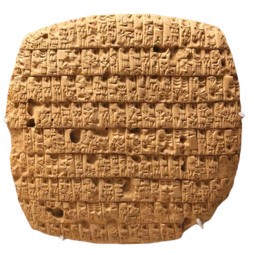
In Mesopotamia, particularly in the regions of ancient Babylon and Assyria (modern-day Iraq), Artemisia herba-alba was also utilized for its medicinal properties. The valleys of lower Mesopotamia were known to support the growth of Artemisia herba-alba. Cuneiform tablets from these ancient civilizations provide evidence that Artemisia species were included in their medical treatments. The Akkadian term “Sīḫu” (Aramaic “šî ḫâ”), from which the current name “Shih” is derived, specifically refers to species of Artemisia1. Research by Constantin V. Kremenetsky and colleagues in 1999 on early Neolithic settlements in Iraq’s Sinjar Valley confirmed the prevalence of Artemisia herba-alba in the region2. A 2021 study by Areej Hasan Aldhaher further supports these findings, highlighting Artemisia herba-alba as the most extensively spread species across diverse environments in Iraq3.
| The term “Shih” or “Chih” likely originates from ancient Mesopotamian civilizations, particularly in regions like Babylon and Assyria (modern-day Iraq). It was probably used to denote a specific type of Artemisia, most likely Artemisia herba-alba, renowned for its medicinal properties. |
Ancient Texts:
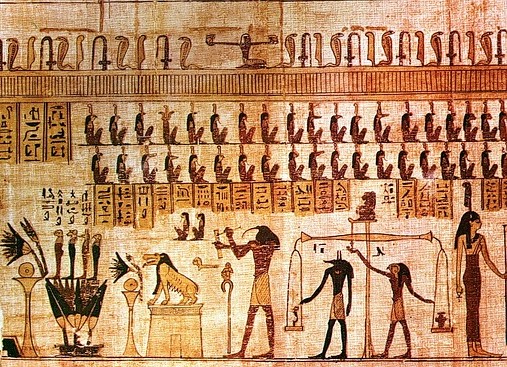
References to Artemisia species in Egyptian medical papyri provide clear evidence for its use in ancient medicine. The Ebers Papyrus, a well-preserved medical document from around 1550 BCE, mentions “wormwood” as an ingredient in various remedies to combat intestinal worms and treat other abdominal problems.4 Additionally, the Kahun Papyrus, focused on women’s diseases, including gynecological issues, mentions Artemisia species.5 Dioscorides, an ancient Greek physician, also documented the medicinal properties of Artemisia plants, such as Artemisia absinthium and Artemisia maritima, likely found in Egypt.6
Archaeological Discoveries:
Artemisia, found in burial sites, hints at its ritual significance, yet exact roles await clarity. Further archaeological and textual scrutiny could unveil its ritual applications7. Among Artemisia species like Artemisia judaica, Artemisia inculta, and Artemisia monosperma, Artemisia herba-alba flourishes in Egypt. However, direct evidence linking Artemisia herba-alba to mummification remains elusive.
| Ancient “Wormwood” May Not Be Artemisia Absinthium References to “wormwood” in ancient Greece (from Egypt) might not just mean Artemisia absinthium. Dioscorides listed three wormwood types: familiar (Pontus/Cappadocia), sea (Seriphon), and Galatian (santonicon), all Artemisia species. Debates exist about specific types and their properties (Galen and others). Medicinal uses likely varied by location and exact plant species. |
Chemical Components of Artemisia herba-alba
Artemisia herba alba (AHA) is rich in a variety of phytochemicals, which are natural plant chemicals that contribute to the plant’s biological properties and health benefits. These phytochemicals can be broadly categorized into groups:
- Sesquiterpene lactones: These are the most abundant and studied group in AHA, with eudesmanolides and germacranolides being prominent examples. They are believed to be responsible for many of the plant’s medicinal activities.
- Flavonoids: Hispidulin and cirsilineol are some of the flavonoids found in AHA. Flavonoids are well-known for their antioxidant and anti-inflammatory properties.
- Essential oils: 1,8-cineole is a major component, along with borneol, camphor, and chrysanthenone. These contribute to the plant’s aroma and may play a role in its biological effects.
- Monoterpenes: AHA also contains monoterpenes, a group with two variations:
- Oxygenated monoterpenes: This includes alpha-thujone and 1,8-cineole.
- Hydrocarbon monoterpenes: Examples include alpha-pinene (the most abundant single component found in some studies), beta-pinene, and sabinene. Monoterpenes are known to contribute to the plant’s aroma and may play a role in its biological effects.
- Other components: AHA also contains phenolic compounds, waxes, fatty acids, and various alcohols.
White Wormwood Potential Health Benefits
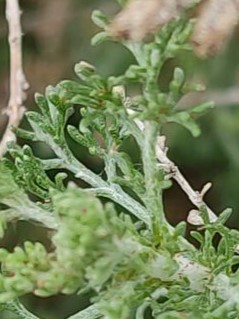
Artemisia herba-alba, commonly known as desert wormwood or white wormwood, has a long history of use in traditional medicine across various cultures. Recent scientific investigations are shedding light on the potential biological activities underlying its traditional applications. This review explores the emerging body of evidence for the diverse medicinal properties of A. herba-alba.
Antidiabetic Effects: A. herba-alba has been used for centuries to manage diabetes mellitus. Aqueous extracts of the plant have been found to significantly reduce plasma glucose levels in both normoglycemic and diabetic models. Additionally, these extracts exhibit antiarrhythmic and anxiolytic effects, suggesting a multifaceted approach to managing diabetes. The hypoglycemic effect is attributed to bioactive compounds such as flavonoids and sesquiterpene lactones.
Antioxidant Activity: A. herba-alba is rich in phenolic compounds, which possess strong antioxidant properties. These compounds help scavenge free radicals, potentially mitigating oxidative stress linked to chronic diseases. While aqueous extracts demonstrated moderate antioxidant activity, long-term studies indicate potential benefits in conditions like obesity and hyperglycemia. Phenolic acids and flavonoids are primarily responsible for these antioxidant effects.
Anti-venom Activity: The aqueous extracts of A. herba-alba have shown strong anti-venom properties, effectively inhibiting the hemolytic activity of snake and scorpion venoms. This activity is likely due to the presence of various phytochemicals that neutralize venom toxins, making A. herba-alba a promising natural remedy for venomous bites and stings.
Antifungal Activity: The antifungal properties of A. herba-alba are mainly attributed to its volatile compounds, such as carvone and piperitone. These compounds have been effective against several fungal species, including Penicillium and Aspergillus. The variability in antifungal activity suggests a need for further research to optimize its use against specific fungal pathogens.
Nematicidal Activity: A. herba-alba extracts have demonstrated significant nematicidal activity against root-knot nematodes. Methanolic extracts showed dose-dependent mortality rates, suggesting their potential as a natural and sustainable alternative for pest management in agriculture. This activity is likely due to the presence of bioactive compounds like terpenoids and phenolics.
Antibacterial Activity: The essential oil of A. herba-alba exhibits broad-spectrum antibacterial activity, effective against both Gram-positive and Gram-negative bacteria. It is particularly potent against Streptococcus and Pseudomonas species. The primary antibacterial compounds in the essential oil are likely terpenoids and flavonoids, which disrupt bacterial cell membranes and inhibit growth.
Antispasmodic Activity: Essential oils from various A. herba-alba populations have shown relaxing effects on isolated rabbit jejunum, indicating potential antispasmodic properties. These effects are attributed to the presence of volatile oils, which may help manage conditions associated with smooth muscle spasms.
Anthelmintic Activity: A. herba-alba has demonstrated effectiveness as an anthelmintic remedy, particularly against Haemonchus contortus in goats. Aqueous extracts have also been successful in eradicating Enterobius vermicularis infections in humans. These effects are likely due to the presence of sesquiterpene lactones and other bioactive compounds that disrupt the physiology of parasitic worms.
Antileishmanial Activity: Both the aqueous extract and essential oil of A. herba-alba have shown strong activity against Leishmania major, the parasite responsible for leishmaniasis. This suggests that the plant could be a valuable natural treatment for this vector-borne disease, with essential oils and other extracts inhibiting the growth and survival of the parasite.
Culinary Uses of Artemisia Herba-Alba (Please Note)
| Disclaimer: While traditionally used for various purposes, there’s limited scientific evidence to support the health claims associated with consuming A. herba-alba. It may have side effects and interact with medications. Always consult a healthcare professional before consuming it, especially in large quantities. Pregnant or breastfeeding women, and people with certain health conditions, should avoid using it. |
Artemisia Herba-Alba ( Desert Wormwood) Tea
- Common in: North Africa and Middle East (including Egypt)
- Description: Dried or fresh leaves of Artemisia herba-alba are steeped in boiling water to make a herbal tea. This tea is often consumed for its purported health benefits, including aiding digestion and soothing stomach ailments.
- In Morocco, in certain restricted areas, some locals may infuse tea with spearmint and white wormwood.
Artemisia Herba-Alba in Coffee Enhancement
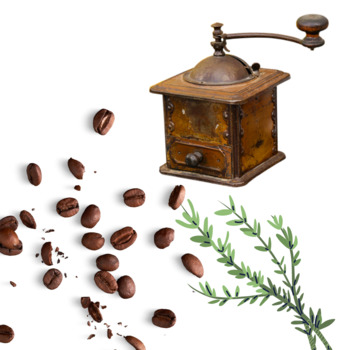
Common in North Africa, Artemisia herba-alba is sometimes used to enhance the flavor of coffee. In specific areas where the plant is abundant, small quantities of its leaves are added to impart a camphoraceous and earthy aroma, enriching the overall flavor profile. This practice may be particularly associated with nomadic communities.
Variations of this coffee can include:
- Spiced coffee infused with white wormwood (Artemisia herba alba) and cardamom: This variation combines the bitter and aromatic flavor of white wormwood with the spicy and slightly citrusy notes of cardamom.
- Coffee infused with white wormwood and orange blossom water (Ma’Zhar): This combination offers an interesting contrast between the bitterness of white wormwood and the sweet fragrance of orange blossom water.
- Coffee with white wormwood and cinnamon: Cinnamon adds a touch of warmth and sweetness to the white wormwood, creating a comforting and spicy beverage.
White Wormwood in Moroccan Cuisine
Rare Addition to Snail Broth
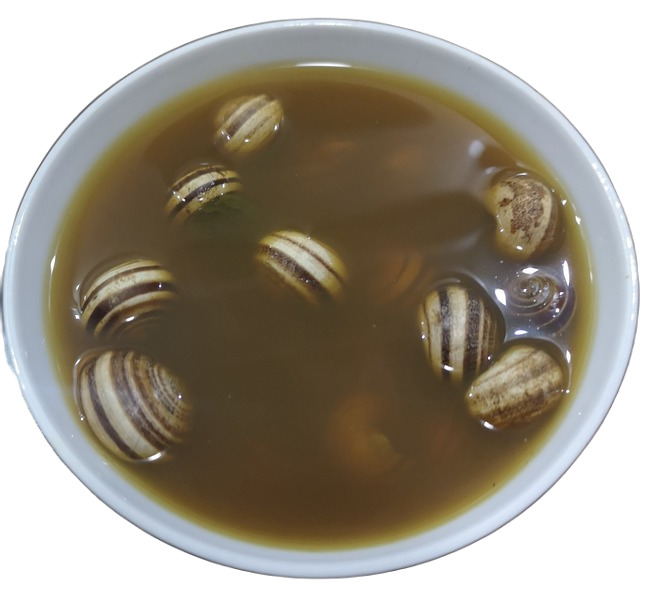
In Moroccan cuisine, snail broth is typically infused with a variety of spices and medicinal herbs. Occasionally, white wormwood (Artemisia Herba-Alba) is added to this blend. However, it is not a common ingredient.
Unconventional Use in Mssakhen Spice Blend
In rare instances, some Moroccans familiar with white wormwood might incorporate its leaves into mssakhen, a reduced version of the popular Moroccan spice blend Ras el Hanout. This practice is not widespread. It’s important to note that most Moroccans use white wormwood primarily for medicinal purposes rather than as a culinary spice.
The Secret Herbs of Smen l’Har
Women in Morocco’s Azilal region have a clever trick up their sleeve when making Smen l’Har, their prized salted butter. After packing the butter in a special jar, they top it with cheesecloth filled with a mix of dried herbs – white wormwood, thyme, and horehound. This simple step is brilliant! Butter is prone to mold, but these wise cooks discovered that these herbs have natural antifungal and antimicrobial properties, keeping the Smen fresh.
Traditionally, most Moroccans use a thyme or oregano infusion to flavor Smen as well. These herbs are well-known for their antibacterial and antifungal properties, further contributing to the Smen’s preservation.
Traditional Practices and Mothers as Healers in Moroccan Cuisine
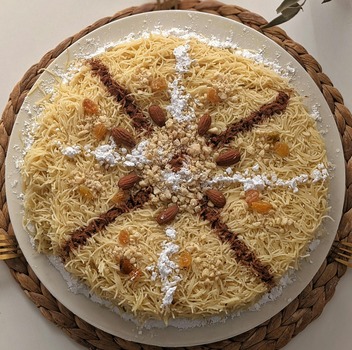
The historical use of plants in Morocco, particularly their integration into everyday cooking, is a testament to the deep knowledge and concern for health passed down through generations. Mothers, especially, played a crucial role in this tradition, incorporating medicinal plants into a variety of dishes such as bread, couscous, soups, and even stuffed breads and pastries. This practice not only added unique flavors to the cuisine but also provided health benefits, ensuring that the family’s diet was both nutritious and therapeutic.
This passage, excerpted from the book Medicinal and Edible Plants of Morocco,8 highlights two key aspects of Moroccan cuisine:
- Traditional Practices: In the past, Moroccan life revolved around tribes, fostering close communities with distinct rules and norms. Self-sufficiency was crucial, leading households to rely on readily available remedies like dried herbs and homemade extracts before pharmacies existed.
- Mothers as Healers: Moroccan mothers have a long-standing tradition of prioritizing family well-being. Through oral traditions and tribal teachings, they acquired medicinal knowledge, allowing them to skillfully integrate the therapeutic properties of plants into familiar dishes. This practice seamlessly blends culinary enjoyment with healing benefits, reflecting the Moroccan proverb “Makla w’ Dwa” (food and medicine).
References
- Akkadian Plant Names in their Semitic Context. Résumé des conférences du Collège de France (2007-2008). Leonid Kogan ↩︎
- Kremenetski, C. V., Zelikson, E. M., & Cherkinsky, A. E. (1997). Environment and dating of early agricultural settlements of the Jebel Sinjar area (Northern Iraq). In Proceedings of the VII Nordic Conference on the Application of Scientific Methods in Archaeology, Savonlinna, Finland, 7-11 September 1996 (Vol. 11, pp. 230-235). ↩︎
- Aldhaher, A. H. S. (2021). Phytochemical analysis and antimicrobial activities of Artemisia herba-alba grown wild in Altib, Iraq. Year: 2021, Volume: 21, Issue No: 01(April), Page No: 337.. ↩︎
- Ebers Papyrus, section 56, lines 17 and 14-18
Ebers Papyrus, section 83, lines 22 and 17-19. ↩︎ - Griffith, F. Ll. (1893). The Kahun Gynecological Papyrus. London: Quaritch. ↩︎
- Tobyn, G., Whitelegg, M., & Denham, A. (2011). Artemisia absinthium, wormwood. In (Ed.), Title of the Book (Chapter 16). Elsevier. ↩︎
- Ikram, S. (2003). Biocultural Dimensions of Mummification in Ancient Egypt. Walnut Creek: AltaMira Press. ↩︎
- Noramine, K. (2023). Medicinal and Edible Plants of Morocco. Self-published. (pp. 11-12) ↩︎