

Ziziphus Trees: Global Presence and Diversity
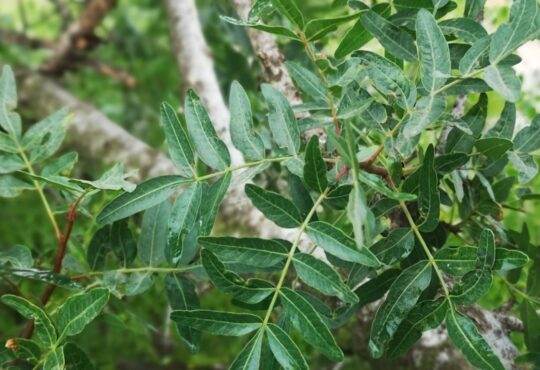
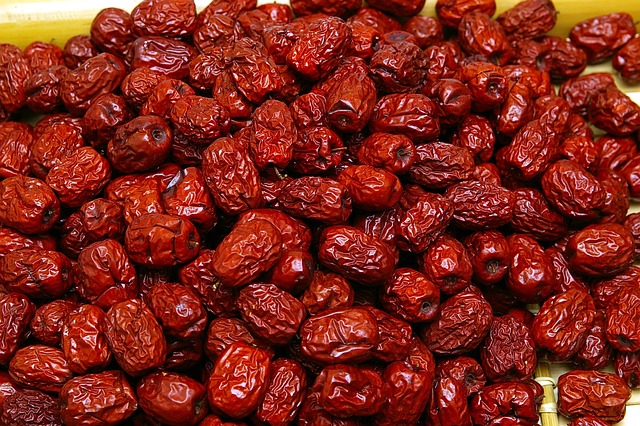
Ziziphus trees, native to warm climates around the world, have spread far beyond their origins, becoming integral to many tropical and subtropical regions. These versatile trees are now cultivated in various countries, with notable examples including the common Ziziphus jujuba, or Chinese date, which is particularly prominent in Asia. In North and South America, the introduction of Ziziphus species has further expanded their global presence.
In contrast, Ziziphus lotus in Morocco and the Arabian region primarily exists as a wild plant and is not commonly cultivated. Similarly, the Christ’s thorn jujube (Ziziphus spina-christi) is found mainly in the wild, although it is cultivated in certain areas. The coexistence of cultivated and wild populations underscores the adaptability of Ziziphus trees and highlights the value of their diverse fruits in various cultures and ecosystems.
Ziziphus Species Found in Morocco
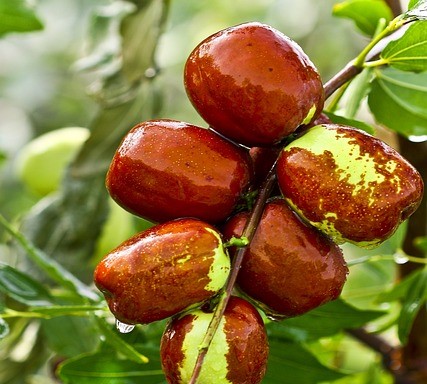
Ziziphus jujuba: From the East to the World
- Native to: Northern China
- Common name: Jujube, Chinese date
- Arabic Moroccan Language: Zefzouf
- Arabic: Äanab
| – Ziziphus jujuba is not native to Morocco but has been cultivated there for centuries. – Historical evidence suggests its presence and consumption in various Moroccan regions and cities, particularly the city of Taza. – In the imperial cities of Morocco, such as Fez, Marrakech, Meknes, and Rabat, Ziziphus jujuba trees were once commonly found in the homes of notable figures and prominent individuals. – In eastern Morocco, the tree is known as Zfizaf, while most Moroccans refer to it as Zefzouf or Zafzouf. |
Ziziphus spina-christi: The Holy Thorn Jujube
The Christ’s Thorn Jujube (Ziziphus spina-christi) is a small tree native to the Middle East. It’s particularly common in the Levant region and parts of the Arabian Peninsula. This tough tree thrives in hot, dry areas, demonstrating impressive resilience to harsh climates and poor soil. More than just a survivor, the Christ’s Thorn Jujube offers a sweet reward. It produces small, edible fruits that have been enjoyed for centuries. The tree has also been valued historically for its medicinal properties
- Names: It has many names in different languages, including sheisaf (Hebrew), Christ’s Thorn, Äanab, Nabq, Sidr, Sedra, N’beg, Jujube
- Religious significance:
- Judaism: In the Sephardic Jewish tradition, Rosh Hashanah, celebrated on the first day of Tishrei, includes customs like eating symbolic foods called Simanim. Among these, Sephardic Jews often include jujubes.
- Christianity: The jujube tree is believed to be the source of the thorns used to make Jesus’ crown of thorns.
- Islam: The jujube tree is associated with the lote tree mentioned in the Quran.

| In Morocco, Ziziphus spina-christi is not found in the wild. Instead, there are a few rare plantations of this species cultivated in some restricted localities and Moroccan oases. The plant is rare in Morocco, and its fruits, also called zefzouf, are quite different from those of another species, Ziziphus lotus. |
Ziziphus mauritiana: A Rare Gem in Morocco
Ziziphus mauritiana, or Indian jujube, is found in very limited areas of Morocco, near the Mauritanian border. Despite its restricted presence, this tree is cherished for its sweet, tangy fruits and traditional medicinal uses. Its presence highlights the diversity and intrigue of Morocco’s botanical heritage.
Ziziphus Lotus: Morocco’s Widespread Species
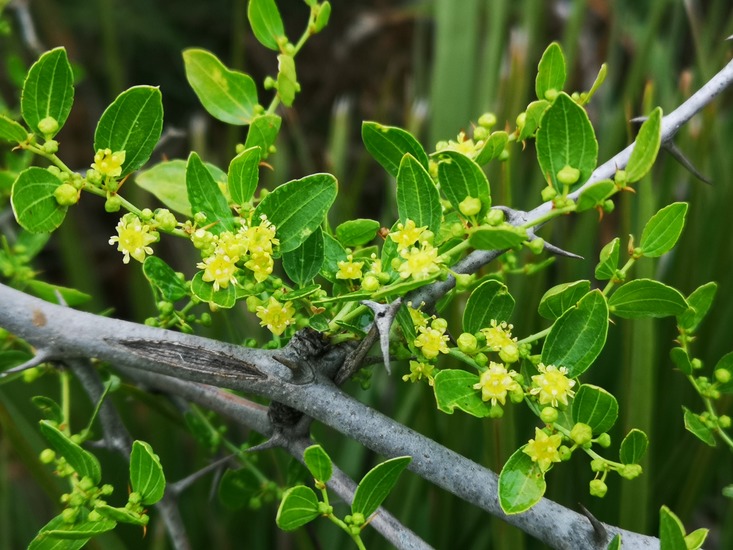
Ziziphus Lotus, known throughout Morocco as “Sedra,” is a ubiquitous presence. Its fruits, called “Nabak” in Arabic, “N’beg” in Moroccan Arabic, and “Azougar” in Berber languages, hold significant cultural and agricultural importance. This hardy shrub thrives even in the harshest deserts, embodying Morocco’s rich natural heritage. offering both delicious fruits and unexpected medicinal properties.
Native to regions like Greece, Sicily, Spain, all of northern Africa, western Asia, and even the Arabian Peninsula, this global presence highlights its remarkable adaptability.
| The Moroccans distinguish well between the fruits of trees: the fruits of the Ziziphus jujuba or spina christi are called zefzouf, whereas the term nbeg is used exclusively for the fruit of the Ziziphus lotus. |
Ziziphus Lotus: A Treasure Trove of Phytochemicals
Ziziphus Lotus is rich in a variety of health-promoting compounds. Among the key groups of phytochemicals are:
- Phenolic Acids: These powerful antioxidants are found in various parts of the plant, including fruits, leaves, and pulp.
- Flavonoids: This well-studied group of antioxidants is present in both fruits and leaves. Flavonoids are believed to contribute significantly to Ziziphus Lotus’ potential health benefits.
- Tannins: These are another type of antioxidant found in fruits, leaves, and pulp.
- Alkaloids: This group includes Jujuboside B and other potentially beneficial compounds found mainly in the leaves and root bark.
- Saponins: These are present in both leaves and root bark.
- Vitamins: Vitamin A, some B vitamins (like B1 and B2), and Vitamin C.
- Minerals: Potassium, calcium, magnesium, Sodium, and phosphorus.
- Trace minerals: Iron and zinc.
- Rich in amino acids: Contains threonine, glutamic acid, leucine, arginine, and alanine.
- Fatty acids: Ziziphus lotus pulp contains palmitic, oleic, and linoleic acids.
Medicinal Properties of Wild Jujube (Ziziphus lotus)
Ziziphus Lotus, a cherished plant in Morocco, boasts a wealth of potential health benefits thanks to its unique blend of phytochemicals. Here’s a closer look at some key medicinal activities and the potential phytochemical contributors:
1. Antioxidant and Anti-inflammatory Effects
Ziziphus lotus (ZLF) is notable for its potent antioxidant and anti-inflammatory properties, attributed to its rich content of phytochemicals . These compounds work synergistically to neutralize harmful free radicals and reduce inflammation, protecting cells from oxidative damage and supporting overall health.
- Rich in Antioxidants: Ziziphus Lotus is abundant in phenolic acids and flavonoids, which are well-known for their antioxidant properties.
- Reduces Inflammation: The extract helps minimize inflammation, contributing to cellular protection and overall health.
- Free Radical Scavenging Activity: The aqueous extract of ZLF demonstrates dose-dependent free radical scavenging activity, effectively reducing harmful free radicals.
Ziziphus and Inflammation
Uncontrolled inflammation can lead to serious health conditions. Ziziphus species like Z. jujuba, Z. lotus, and Z. spina-christi show promise in reducing inflammation, likely due to their antioxidant properties. For example, Z. jujuba extract significantly inhibited paw swelling in rats. While promising, more research is needed to confirm their effectiveness and safety in humans.
2. Managing Blood Sugar Naturally:
Extracts of Ziziphus Lotus exhibit promising antidiabetic and hypoglycemic effects, potentially aiding in blood sugar control. The high vitamin A content in both roots and leaves might play a role by improving insulin sensitivity.
Studies suggest Ziziphus lotus Fruits (ZLF) aqueous extract may offer health benefits:
- Reduced Blood Fat Levels: ZLF extract appears to help regulate blood fat (lipids) in mice fed a high-fat diet. It lowered triglycerides and total cholesterol, potentially reducing the risk of heart disease.
- Improved Blood Sugar Control: The extract also helped maintain healthy blood sugar levels in mice on a high-fat diet. This might be beneficial for those at risk of diabetes.
3. Ziziphus Lotus: Promising Anti-Spasmodic Agent
Ziziphus lotus offers a range of potential health benefits, particularly in two promising areas:
Anti-Spasmodic Properties:
- Research suggests Z. lotus extracts may help alleviate spasms.
- Studies on isolated rat intestines showed significant reductions in contractions by both leaf and root bark extracts.
Gastroprotective Effects:
- Extracts exhibit antiulcerogenic and gastroprotective properties, potentially reducing gastric acidity.
- Furthermore, methanol extracts from fruits show promise in combating H. pylori bacteria associated with ulcers.
- These findings indicate Z. lotus could play a significant role in promoting gastrointestinal health.
4. Ziziphus for Cardiovascular Health
Studies suggest Ziziphus species may offer benefits for cardiovascular health. Here’s how:
- Nitric Oxide Production: Ziziphus may stimulate nitric oxide production, helping to regulate blood pressure.
- Antioxidant Activity: Ziziphus species have antioxidant properties, potentially reducing cell damage and inflammation linked to cardiovascular disease.
- Animal Studies: Research on animals indicates that Ziziphus extracts might decrease inflammatory markers and improve outcomes after heart attacks.
Ziziphus Lotus extracts demonstrate analgesic and antispasmodic activities, offering potential pain relief and reducing muscle spasms. Flavonoids and saponins are believed to contribute to pain relief, while extracts modulate calcium signaling for a relaxing, antispasmodic effect.
5. Ziziphus Lotus: Potential Antimicrobial Source
In a recent study, researchers uncovered the remarkable antimicrobial potential of Ziziphus lotus, a revered medicinal plant. Notably, the findings showcased its effectiveness against Staphylococcus aureus, including Methicillin-resistant strains. This discovery underscores Ziziphus lotus as a formidable contender in the fight against antibiotic-resistant bacteria, offering hope for novel antimicrobial therapies derived from natural sources.
Culinary Uses of Ziziphus lotus in Morocco

1. Flour and Bread:
- Traditional Use: In times of food scarcity, Ziziphus lotus fruits were traditionally dried or ground into flour to make a rustic bread consumed by Bedouins and nomads.
- Modern Use: This tradition persists in some North African regions, where Ziziphus lotus flour is still used to make bread and cakes.
- Nutritional Value: Ziziphus lotus flour is a good source of fiber, vitamins, and minerals, making it a nutritious addition to the diet.
2. Spread:
- Preparation: Ground dried Ziziphus lotus fruits are mixed with olive oil and honey to create a delicious spread.
- Flavor and Texture: The spread has a unique flavor profile, combining the sweetness of honey with the earthy notes of Ziziphus lotus and the richness of olive oil. The texture is smooth and creamy.
- Serving Ideas: The spread can be enjoyed on bread, crackers, or fruit slices. It can also be used as a filling for sandwiches or wraps.
3. Carob Spread:
- Combination: Dried Ziziphus lotus fruit powder is mixed with carob powder and olive oil to create a unique spread.
- Flavor Profile: The spread has a slightly sweet and nutty flavor, with a hint of chocolate from the carob powder. The olive oil adds a touch of richness.
- Dietary Considerations: The spread is a good source of fiber and antioxidants, making it a healthy choice for those with dietary restrictions or looking for a nutrient-rich spread.
4. Moroccan Zamita Beldia:
- Key Ingredient: Dried Ziziphus lotus fruit (ZLF) powder is an essential ingredient in the famous “zamita beldia”.
- Preparation and Description: Zamita is a type of toasted flour enriched with about 10 to 30 ingredients, including ZLF powder. This traditional Moroccan dish was once prepared for travelers as a fortifying food.
- Nutritional Benefits: Zamita is a rich source of carbohydrates, protein, and fiber, providing sustained energy and promoting digestive health.
5. Beverage:
- Preparation and Uses: A drink is made from water and Ziziphus lotus fruits, both for medicinal and culinary purposes.
- Medicinal Properties: The beverage is traditionally used to soothe digestive issues, relieve respiratory problems, and boost immunity.
- Culinary Application: The slightly sweet and refreshing drink can be enjoyed on its own or as a base for herbal teas or smoothies.
6. Ziziphus lotus Honey (Sidr):
- Renowned Reputation: Ziziphus lotus honey, also known as “Äassal Sidr”, is highly sought after for its health benefits and exceptional quality.
- Flavor and Characteristics: The honey has a light amber color, a delicate floral aroma, and a slightly acidic taste. It is known for its high antibacterial and antioxidant properties.
- Traditional Uses: Ziziphus lotus honey is traditionally used to treat sore throats, coughs, and wounds. It is also believed to boost energy levels and improve overall well-being.
7. Debs or Z. lotus syrup:
- Production Method: “Debs” is a syrupy liquid obtained by cooking Ziziphus lotus fruits in water until a slightly sweet syrup is obtained.
- Flavor and Texture: The syrup has a rich flavor with hints of caramel and molasses, and a thick, smooth texture.
- Serving and Uses: Debs can be enjoyed on its own, drizzled over pancakes or waffles, or used as a sweetener in baking and desserts.
| Note: Some of these recipes are also used for medicinal purposes, well-known in Morocco for treating digestive, intestinal, or irritable bowel problems. – The most widespread recipe is the one combining Ziziphus lotus, carob, and honey. – This same recipe is also recommended as an aphrodisiac stimulant for men and women. |
Traditional Medicinal Uses of Ziziphus Lotus in Morocco
Ziziphus lotus, known locally as nbeg, is highly valued in traditional Moroccan medicine for its versatile applications. Here’s a summary of its reported benefits:
- Diabetes: Powdered leaves mixed with milk or water are used to treat diabetes.
- Digestive Issues:
- Fruits and leaves act as emollients, soothing intestinal problems and diarrhea.
- Used for treating irritable bowel syndrome.
- Inflammation and Pain: The plant is used to treat various inflammatory and painful conditions.
- Antibacterial Properties:
- The fruit’s antibacterial properties make it an effective remedy for various infections.
- Essential oil from leaves possesses antibacterial properties.
- Hair Care:
- Leaves, rich in saponins, are used as a natural shampoo to promote hair growth and strengthen hair.
- Other Uses:
- Root Juice: Used to treat eye ailments, such as leukoma.
- Leaf Infusion: Serves as an antiseptic for the eyes and helps reduce fever.
- Leaves and Root Bark: Demonstrates anti-ulcer activity.
- Fruits: Rich in nutrients, with potential benefits including antioxidant, antimicrobial, and anti-tumor effects. They are also considered sedative and are used for throat and bronchial irritation.
| Important Note: While this information is based on traditional practices, scientific validation of these uses is ongoing. It is crucial to consult a healthcare professional before using Ziziphus lotus for any medicinal purpose. |