

What is Threonine?
Threonine is an indispensable amino acid essential for protein biosynthesis and overall physiological well-being. It plays a critical role in therapeutic interventions for neurological disorders. As an essential amino acid, threonine must be obtained through diet since animals cannot synthesize it endogenously. Threonine biosynthesis involves its derivation from other amino acids, a process facilitated by microorganisms.
Biological Functions and Importance of Threonine
Threonine is a versatile amino acid with several crucial functions in the body:
- Protein Synthesis: Threonine is vital for building proteins necessary for cell growth and maintenance.
- Immune System Support: It helps regulate and support the immune system.
- Skin and Joint Health: Threonine contributes to the strength and integrity of skin and joints.
- Brain Function: It plays a significant role in brain function, aiding in neurological processes.
- Detoxification: Threonine helps detoxify harmful substances in the body.
Threonine: A Building Block for Your Health
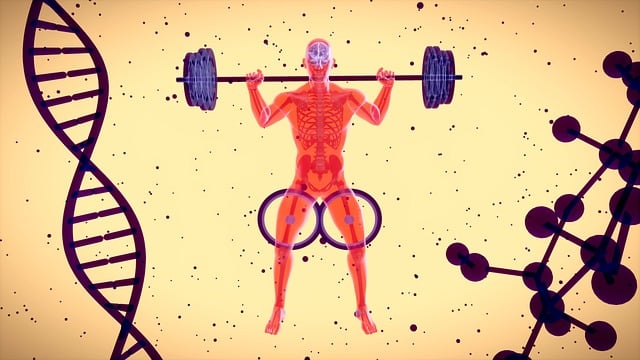
Threonine, an essential amino acid, plays a vital role in various bodily functions. Here’s a closer look at its key contributions:
1. Protein Synthesis Powerhouse:
- Building Blocks for Cells: Threonine acts as a primary substrate in protein synthesis, the process by which your body builds proteins for cell growth and repair.
- Mucin Production: Threonine is particularly important for creating mucins, special proteins that form a protective layer on cell surfaces.
2. Beyond Building: Threonine’s Metabolic Roles:
- Energy Production: Threonine can enter a metabolic pathway, where enzymes like threonine dehydrogenase convert it into intermediates that contribute to energy production.
- Precursor for Other Compounds: Threonine undergoes enzymatic conversion into essential compounds like glycine, acetyl CoA, and pyruvate, all of which play a critical role in various physiological processes.
3. Supporting Enzyme Production:
- Threonine Dehydrogenase (TDH): This key enzyme helps convert threonine into energy-producing intermediates.
- Other Enzymes: Threonine aldolase and threonine dehydratase (STDH) are also involved in processing threonine into various products, highlighting its importance in supporting vital bodily functions.
4. Threonine Absorption and Its Journey:
- Digestive Breakdown: Dietary proteins are broken down by digestive enzymes into individual amino acids like threonine.
- Absorption and Transport: Threonine is then absorbed through the small intestine and transported to various tissues via the bloodstream for essential functions. Research suggests threonine, a key nutrient in animal feed, helps maintain a healthy gut lining in livestock, improving digestion and growth.
5. Threonine: A Benefit for Athletes:
- Muscle Protein Synthesis: Threonine plays a crucial role in muscle protein synthesis, aiding in post-workout recovery and promoting overall muscle health.
- Reduced Soreness and Faster Recovery: Athletes can benefit from optimal threonine intake to experience reduced muscle soreness and a quicker return to peak performance. Personalized guidance from nutrition experts is crucial for tailoring intake to individual needs.
6. Threonine’s Versatility: Beyond Muscle Building:
- Precursor for Bioactive Compounds: Threonine undergoes conversion to important compounds like glycine and serine, playing a role in protein synthesis, neurotransmitter production, and one-carbon metabolism.
- Digestive Wellness: Threonine contributes to a healthy digestive system by forming a protective mucus layer in the gut.
7. Threonine and a Strong Immune System:
- Mucin Production and Immune Function: Recent research suggests threonine strengthens the immune system by promoting mucin protein production, which is vital for intestinal health and antibody production.
8. Promoting Tissue Repair:
- Essential for Collagen Synthesis: Threonine is necessary for synthesizing non-essential amino acids like glycine and serine, both integral parts of collagen. Collagen plays a vital role in connective tissue formation and wound healing.
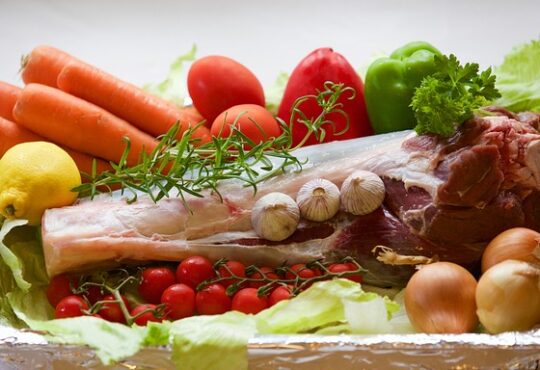
Dietary Sources of Threonine
Animal-Based Sources

If you include animal products in your diet, you’ll find plenty of threonine-rich options:
- Chicken: A versatile source of threonine that can be included in many dishes.
- Turkey: Another poultry option that’s rich in this essential amino acid.
- Beef: Provides a substantial amount of threonine, perfect for a hearty meal.
- Fish: Not only rich in threonine but also provides healthy fats and other nutrients.
Enjoying dishes like a steak or roasted chicken can help you meet your threonine needs while savoring delicious meals.
Plant-Based Sources
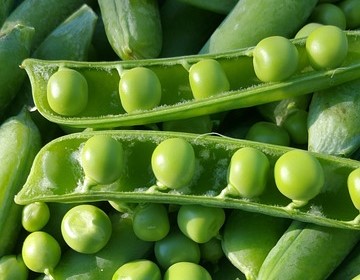
For those following a plant-based diet, threonine is also readily available in various foods:
- Legumes: Beans, lentils, and peas are excellent sources of threonine.
- Nuts and Seeds: Almonds, sunflower seeds, and pumpkin seeds are rich in this amino acid.
- Whole Grains: Quinoa, oats, and barley provide a good amount of threonine.
Recommended Daily Intake of Threonine
Several regulatory bodies establish recommended daily intakes (RDIs) for essential amino acids, including threonine. The World Health Organization (WHO) and the Food and Agriculture Organization (FAO) jointly recommend a daily intake of 15 milligrams (mg) of threonine per kilogram (kg) of body weight for adults. This recommendation aims to ensure adequate intake for various physiological functions.
Causes and Symptoms of Threonine Deficiency
Dietary inadequacy is the primary cause of threonine deficiency. Individuals with limited protein intake, particularly those following strict vegetarian or vegan diets lacking sufficient protein sources like meat, poultry, dairy, nuts, and legumes, are at increased risk.
Threonine deficiency can manifest through various symptoms. Common indicators include:
- Fatigue
- Compromised immune function (increased susceptibility to infections)
- Slow wound healing
- Muscle weakness
- Mood disturbances
If such symptoms persist, consulting a healthcare professional is crucial to determine the underlying cause and receive appropriate intervention.
Threonine Supplements: Are They Necessary?
Balanced Diet is Key: For most people with a balanced diet, supplementation isn’t necessary.
Who Might Benefit: Individuals with protein absorption issues or athletes undergoing intense training might find supplements helpful. However, caution is crucial.
The Importance of Balance: Excessive intake or relying solely on supplements can disrupt the body’s amino acid balance. Remember, supplements should complement, not replace, a healthy diet. Always consult a healthcare professional before starting any supplements.