

Yellow Sweet Clover: A Global Herb
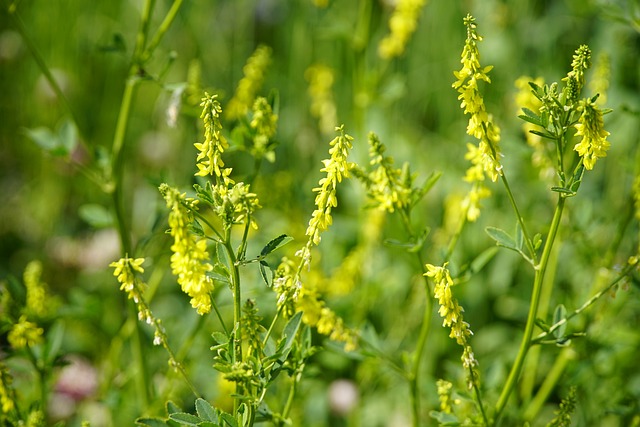
Yellow sweet clover (Melilotus officinalis) is a herbaceous plant belonging to the Fabaceae (legume) family, specifically the Faboideae subfamily. Easily recognizable, it boasts tall, branching stems adorned with trifoliate leaves (three leaflets per leaf) and clusters of small, fragrant yellow flowers.
Global Distribution and Habitat
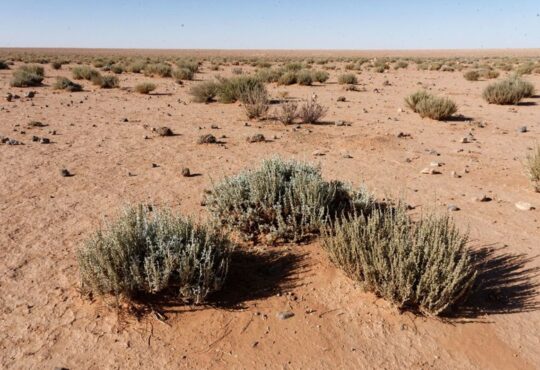
Yellow sweet clover, originally native to Eurasia, has become widely naturalized in North America, South America (including the West Indies), Australia, and Northern Africa. This adaptable plant thrives in various environments, including fields, roadsides, and disturbed soils, and it can be found at elevations up to 2,200 meters. It is known as an invasive species in introduced areas, especially in open grasslands and woodlands, where it shades out native plant species and disrupts local ecosystems.
Traditional Uses
Yellow sweet clover (Melilotus officinalis) goes beyond its charming fragrance. Traditionally used in herbal medicine, it boasts a range of benefits:
- Herbal Tea: Yellow sweet clover is used to prepare herbal tea, which is employed to treat swelling, abscesses, and lymph node inflammation.
- Carminative and Poultice: Used to relieve digestive discomfort, particularly flatulence, and applied externally as a poultice for pain relief.
- Respiratory and Gastrointestinal Disorders: Addresses conditions such as colds, mucous issues, and various respiratory and gastrointestinal ailments.
- Maturant and Aphrodisiac: Promotes healing processes and traditionally believed to enhance libido and sexual desire.
- Specific Health Conditions: Used to alleviate headaches, neuralgias, joint discomfort, menstrual and ovarian issues.
- Small Fruits: The small fruits are employed for their medicinal properties, serving as demulcents, maturants, and tonics.
- Agricultural Benefits:
- Forage: Delivers a significant biomass of nutritious forage, especially during the hot summer months, providing a valuable source of food for livestock.
- Root Master: Breaks up compacted soil for better drainage, leading to a thriving plant community.
- Nitrogen Fixer: Enriches the soil naturally, reducing fertilizer dependence.
- A Sweet Treat for Pollinators: Sweet clover’s fragrance attracts bees and butterflies, boosting honey production (up to 200 lbs/colony!) and seed yields (up to 7x with honeybees).
- Versatile Uses: serves as a natural insect repellent when placed in sachets.
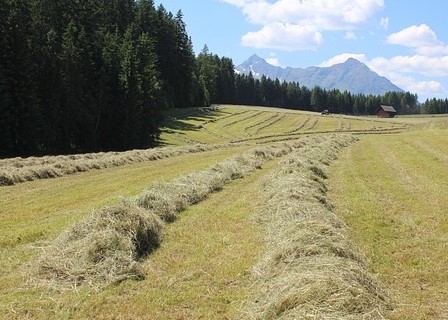
| Danger for Livestock: Yellow sweet clover poses a serious threat to animals, especially when used as hay. Moldy hay containing sweet clover can convert the coumarin compound into dicoumarol, a powerful blood thinner. This can lead to internal bleeding, with symptoms like black stools. Pregnant animals are particularly at risk, and fatalities can occur. Cattle are most susceptible due to their less selective grazing habits. To minimize risks, ensure hay containing sweet clover is thoroughly dried before storage, and consider early harvesting or alternative hay sources. |
Yellow Sweet Clover’s Chemistry
Yellow sweet clover boasts a diverse array of chemical constituents, contributing to its potential health benefits. Let’s explore some of the key players:
1. Coumarins: These compounds reign supreme in yellow sweet clover. One notable example is dicoumarol, contributing to the plant’s blood-thinning properties.
2. Phenolic Acids: Caffeic acid and chlorogenic acid are key members of this group, recognized for their antioxidant and anti-inflammatory effects.
3. Flavonoids: Kaempferol and quercetin stand out here, offering antioxidant properties and contributing to the plant’s therapeutic potential.
4. Other Bioactive Compounds: The list continues with:
- Steroids: Present in smaller quantities, they may play a role in traditional medicinal uses.
- Saponins: These have surfactant properties and may offer therapeutic benefits in herbal preparations.
- Volatile Oils: Compounds like hexahydrofarnesylacetone and β-eudesmol contribute to the plant’s aroma and potential health effects.
- Triterpenes: These can influence the plant’s biological activities and traditional uses.
- Additional Components: Mucilage, tannins, bis hydroxycoumarin, choline, alcohols, and uric acid contribute to the overall medicinal and nutritional value of yellow sweet clover.
A Mineral Powerhouse for Livestock
- Variable Content: Levels depend on growth stage and ecotype (genetic variation).
- Essential Minerals: Rich in calcium, phosphorus, potassium, and magnesium, crucial for animal health.
- Trace Elements: Provides iron, zinc, and manganese, important for enzyme function and immunity.
- Nutritional Value: Enhances its nutritional worth for livestock and other potential uses.
Medicinal Properties of Yellow Sweet Clover
Yellow sweet clover (Melilotus officinalis) possesses a rich phytochemical profile, including coumarins, phenolic acids, flavonoids, and other bioactive compounds, which contribute to its diverse medicinal benefits.
Key Properties:
- Anti-inflammatory and Anticoagulant: The coumarin content offers significant anti-inflammatory and anticoagulant properties, reducing inflammation and preventing excessive blood clotting. This makes it useful for conditions like phlebitis and hemorrhages.
- Improved Microvascular Circulation: Yellow sweet clover excels at enhancing microcirculation. It alleviates symptoms like heavy legs, restlessness, nocturnal cramps, and stasis pruritus. These veinotropic properties also aid in managing hemorrhoids and lymphedema.
- Calming Effects: The plant promotes better sleep and reduces tension, agitation, and irritability. This makes it valuable in addressing neurotonic states and insomnia, particularly in children.
- Digestive Comfort: Yellow sweet clover supports digestive health, providing relief from functional disorders and general discomfort.
- Musculoskeletal Support: It contributes to maintaining bone and joint health, supporting overall musculoskeletal well-being.
- Recognized Uses:
- Venous Insufficiency:
- Alleviates symptoms like heavy legs, restlessness, nocturnal cramps, and stasis pruritus.
- Effective in managing lymphedema (lower and upper limbs).
- Endothelial Function:
- Supports healthy endothelial function, potentially aiding in the management of varicose veins and rosacea.
- Assists in reducing hematomas and bruises.
- Combined Venous and Anti-inflammatory Properties:
- Provides relief from hemorrhoids and phlebitis.
- Tissue Perfusion and Cellular Repair:
- Enhances tissue oxygenation and cellular trophic effects, aiding in the treatment of varicose ulcers and trophic disorders.
- Useful in managing postphlebitic syndromes.
- Venous Insufficiency:
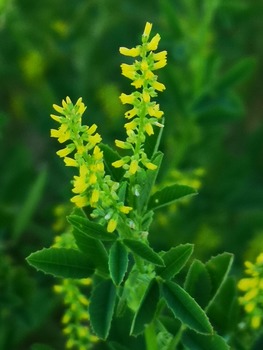
Melilotus officinalis, also known as yellow sweet clover, has been the subject of numerous scientific studies investigating its potential health benefits. These studies suggest the plant may offer a surprising range of therapeutic effects, influencing the nervous system, liver function, skin health, blood pressure regulation, and even microbial activity.
1. Neuroprotective Effects
Melilotus officinalis extract exhibits significant neuroprotective properties, reducing brain damage and apoptosis caused by cerebral ischemia. Studies in rats demonstrate its ability to decrease infarct volume and improve neurological function.
2. Hepatoprotective Effects
The methanolic extract of Melilotus officinalis protects the liver against damage induced by toxins like paracetamol and carbon tetrachloride. It reduces liver injury markers and improves liver health in animal models.
3. Antioxidant Activity
Melilotus officinalis possesses strong antioxidant properties, with extracts demonstrating high free radical scavenging activity. The aqueous extract, in particular, exhibits significant antioxidant and reducing power.
4. Hypotensive Effect
Melilotus officinalis extract induces vasodilation and lowers blood pressure by relaxing blood vessel smooth muscle. Studies in rabbits and rats show its potential as a hypotensive agent.
5. Dermatological Effects
Melilotus officinalis holds promise for skin care by stimulating tissue regeneration, preventing aging, and reducing fat deposition. Its extracts promote collagen production and inhibit collagen breakdown, leading to improved wound healing and scar quality.
6. Antimicrobial Properties
Melilotus officinalis demonstrates significant antimicrobial effects, particularly through its methanolic, acetone, and diethyl ether extracts. These extracts are effective against various bacteria and fungi, including Candida species.
Melilotus officinalis: Dosage, Side Effects, and Cautions
Dosage:
Melilotus officinalis (sweet clover) is available in various forms, including dried flowers, capsules, liquid extracts, and granules. The appropriate dosage depends on the form and the intended use. For infusions, typically 1-2 grams of dried flowers are steeped in 150 ml of boiling water and consumed three times daily. Granules typically come with specific dosage instructions provided by the manufacturer, which should be followed carefully.
Important Note: Self-harvesting of Melilotus is discouraged due to potential safety concerns. Improper storage can convert coumarins in the plant to dicoumarol, a potent blood thinner that can lead to serious bleeding episodes.
Contraindications:
Individuals with existing liver problems should avoid using Melilotus officinalis.
Side Effects and Overdose:
Reported side effects of Melilotus include headaches, gastrointestinal problems, and in rare cases, liver issues. Overconsumption can lead to vomiting.
Drug Interactions:
Due to the presence of coumarins, Melilotus interacts with medications and herbs that have blood-thinning properties (anticoagulants). Concomitant use should be avoided.
Pregnancy and Breastfeeding:
While a clinical trial involving pregnant women found no significant toxicity associated with Melilotus use during the later stages of pregnancy, the European Medicines Agency recommends against its use during pregnancy and breastfeeding due to insufficient safety data.
Use in Children:
The European Medicines Agency advises against administering Melilotus officinalis to individuals under 18 years of age.