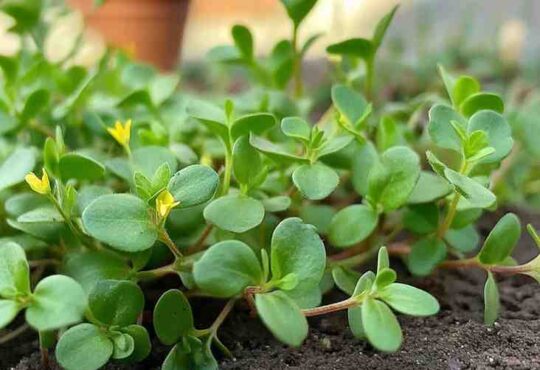


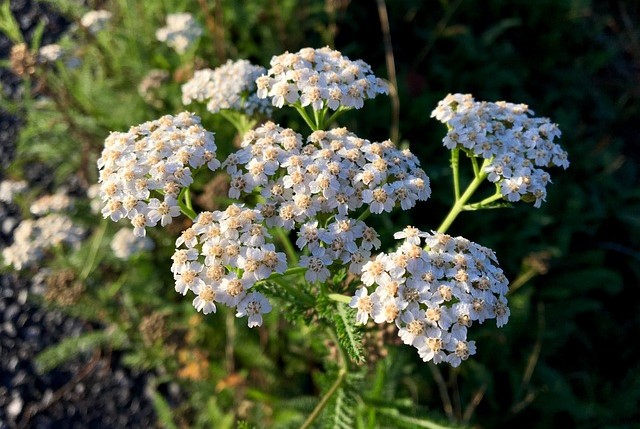
Achillea millefolium, Yarrow, القيصوم, أخلية, الحزنبل, 蓍, Achillée millefeuille, Milenrama, Schafgarbe, Achillea millefoglie, Aquiléia, Тысячелистник, 蓍, Αχίλλεια
Achillea millefolium, also known as yarrow, is a perennial powerhouse in the Asteraceae family. This adaptable wildflower boasts finely divided leaves and clusters of white, pink, or yellow flowers. Thriving in diverse habitats from meadows to roadsides, it’s a familiar sight across Europe, Asia, and North America.
- More than just beautiful: Yarrow boasts a rich history intertwined with myth and tradition. Legend associates it with the Greek hero Achilles, who supposedly used it to heal his soldiers’ wounds. This connection cemented yarrow’s image as a symbol of healing and courage.
- A historical healer: Yarrow wasn’t just a mythological remedy. Across cultures, it played a significant role in traditional medicine. From ancient Greeks and Romans using it for digestive and dental issues to Native American tribes employing it for fevers, wounds, and respiratory problems, yarrow’s widespread use underscores its reputation as a versatile and valuable medicinal herb.
- Beyond medicine: Yarrow holds cultural significance too. It symbolizes resilience, healing, and the interconnectedness of diverse traditions. Its presence in both folklore and medicine highlights the enduring relevance of ancient botanical knowledge and its lasting impact on contemporary practices.
Chemical Components of Achillea millefolium
Achillea millefolium, or yarrow, boasts a diverse range of chemical components contributing to its potential health benefits. Here’s a breakdown by category:
- Monoterpenes: These include α-pinene, β-pinene, and sabinene. They are known for their potential anti-inflammatory and antimicrobial properties.
- Other terpenes: The plant also contains 1,8-cineole and caryophyllene. While research suggests they might have anti-inflammatory effects, more studies are needed for conclusive evidence.
- Monoterpene alcohol: Borneol, a monoterpene alcohol present in yarrow, may offer pain relief and reduce inflammation.
- Ketones: Yarrow contains camphor and thujone. While camphor might have numbing and anti-inflammatory effects, use caution as it can be irritating. Thujone, on the other hand, can be toxic at high doses.
- Azulenes: Chamazulene, an azulene compound, contributes to yarrow’s anti-inflammatory properties.
- Flavonoids: The presence of apigenin, myricetin, and rutin adds to yarrow’s diverse chemical makeup and potential health benefits. These flavonoids possess antioxidant and anti-inflammatory properties.
Yarrow: Nature’s Multitasking Herb
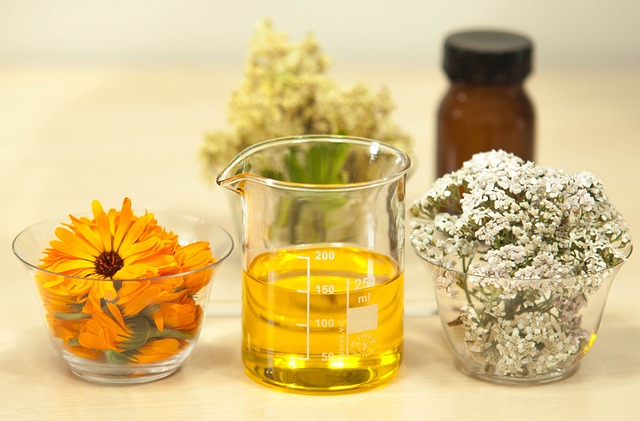
Achillea millefolium, or yarrow, offers a range of potential health benefits thanks to its unique chemical composition. Here’s a closer look at some key areas, exploring the specific chemical pathways involved:
- Antioxidant and Antitumor Potential: Yarrow exhibits antioxidant properties by scavenging free radicals and inhibiting lipid peroxidation. These actions, mediated by flavonoids (apigenin, myricetin, rutin), may contribute to its potential antitumor effects.
- Wound Healing: Yarrow’s styptic qualities and antimicrobial properties play a role in wound healing. Its components can accelerate blood coagulation and prevent infections.
- Achilleine (alkaloid): Accelerates blood clotting.
- Essential oil terpenes: Act as antimicrobial agents.
- Digestive Health Support: Yarrow may support bile secretion, potentially easing digestive cramps and promoting overall digestive health. Research suggests it may also normalize hydrochloric acid levels, addressing low stomach acid and related issues.
- Antispasmodic: Azulene content (e.g., chamazulene) relaxes muscles, potentially relieving digestive cramps.
- Bile secretion: May promote proper bile secretion, potentially preventing gallstones.
- Mucus membrane health: Historically used for digestive issues, yarrow may support gut health by healing and toning the mucus membranes.
- Anti-H. pylori: Research suggests yarrow’s antioxidant, anti-inflammatory, and antibacterial properties might help against H. pylori bacteria, potentially aiding digestive health (especially with the SAF extraction technique).
- Anti-inflammatory Properties: Several chemicals in yarrow contribute to its anti-inflammatory effects:
- Caryophyllene (sesquiterpene): Interacts with the endocannabinoid system as a CB2 receptor agonist, influencing immune response and inflammation.
- Bornyl acetate: Reduces pro-inflammatory cytokines and regulates T-lymphocyte subsets, offering anti-inflammatory and immunomodulatory effects, further supported by its antioxidant activity.
- Flavonoids (apigenin, myricetin, rutin): Contribute antioxidant and anti-inflammatory benefits by countering oxidative stress.
- Chamazulene and bisabolol (volatile oil): Further suppress inflammation by inhibiting leukotriene production.
- Circulatory Health Support: Yarrow may improve circulation by promoting blood flow and aiding varicose veins through capillary dilation.
- Achilleine: Yarrow’s anti-inflammatory compound might indirectly improve circulation by reducing inflammation that restricts blood flow.
- Flavonoids: Yarrow’s flavonoids (like apigenin & luteolin) may directly widen blood vessels, potentially improving circulation, but further research is needed.
- Immune System Support: Key components like chamazulene, p-Cymene, apigenin, 1,8-cineole, and linalool contribute to immune function:
- Chamazulene: Offers antibacterial, anti-inflammatory, and antioxidant effects.
- p-Cymene: Showcases diverse immune-supportive properties, including antioxidant and anticancer effects.
- Apigenin: Stimulates autophagy and has potential as an anticancer agent.
- 1,8-cineole: Addresses respiratory infections with its anti-inflammatory and antioxidant activity.
- Linalool: Limits inflammation by regulating the interaction between reactive oxygen species and immune signaling molecules.
- Women’s Health Support: Rich in flavonoids, yarrow acts as a “Women’s Herb”:
- Manages menstrual cramps: Through antispasmodic and anti-inflammatory properties (like those of azulenes), promoting balanced menstrual flow.
- May enhance blood circulation: Potentially aiding conditions like PCOS and endometriosis, and supporting fertility.
- A Natural Wound Solution: Yarrow’s wound-healing prowess stems from:
- Achilleine (alkaloid): Accelerates blood coagulation.
- Essential oil terpenes: Act as antimicrobial agents, preventing infection.
- Neurodegenerative diseases: Yarrow’s constituents do have properties that align with potential benefits:
- Anti-inflammatory properties (α-pinene, chamazulene) could be helpful in reducing neuroinflammation, a common feature in Alzheimer’s and other diseases.
- Antioxidant properties (1,8-cineole, flavonoids) may help protect neurons from oxidative damage, which is implicated in Parkinson’s and other neurodegenerative conditions.
Yarrow: A Natural Remedy with Cautions
Yarrow offers potential health benefits, but it’s crucial to be aware of safety considerations before using it.
Safety:
- Allergies: People with allergies to ragweed, chrysanthemums, or plants in the Asteraceae family should avoid yarrow. Allergic reactions can manifest as skin rash, itching, hives, or difficulty breathing. If you experience these symptoms, stop using yarrow immediately and seek medical attention.
- Medications: Yarrow may interact with blood-thinning medications like warfarin and aspirin, potentially increasing the risk of bleeding. Do not use yarrow if you take blood thinners without consulting your doctor.
- Pregnancy and Breastfeeding: Yarrow is likely unsafe for pregnant or breastfeeding women. It may affect the menstrual cycle and could potentially cause miscarriage.
- Surgery: Yarrow might increase bleeding risk; discontinue use two weeks before surgery.
- General Cautions: There is limited scientific evidence on yarrow’s safety and effectiveness. It’s best to consult a healthcare professional before using it, especially if you have any underlying health conditions or take medications.
Potential Side Effects:
- Yarrow may cause drowsiness in some individuals.
- When applied topically, it might irritate the skin.
Recommendations for Use:
- Due to limited research, there are no established safe or effective dosages for yarrow.
- If considering using yarrow, consult a qualified healthcare professional to determine the appropriate dosage and form (tea, capsules, etc.) for your specific needs.
- Do not use yarrow for extended periods without consulting a doctor.