



Adaptogenic Plants: A Comprehensive Overview
Adaptogenic plants have become increasingly popular in recent years, touted for their ability to enhance the body’s ability to adapt to stress. But what exactly are they? Adaptogens are a diverse group of plants that, according to traditional medicine, possess the unique property of helping the body cope with various stressors, whether physical, chemical, or biological. Modern research suggests they may achieve this feat through a combination of mechanisms, including regulating stress hormones, supporting the immune system, and promoting overall energy balance. While adaptogens aren’t miracle cures, they hold promise as complementary tools for managing stress and promoting well-being.
History and Origin of Adaptogens
The use of adaptogenic plants dates back centuries in various cultures around the world. Traditional Chinese Medicine (TCM) utilizes ginseng, astragalus, and schisandra for their purported health benefits, while Ayurvedic medicine incorporates ashwagandha to promote vitality. The scientific concept of adaptogens, however, is a relatively recent development.
In 1947, Russian scientist Nicolaï Lazarev proposed a definition for adaptogens, highlighting their ability to increase non-specific resistance and normalize physiological functions in response to stress. Building on this definition, Israel Brekhman established three key criteria for classifying a plant as an adaptogen:
- Their action should be nonspecific: This means they enhance resistance to a wide range of physical, chemical, and biological stressors.
- They should be innocuous and cause minimal disruption to physiological functions.
- They may possess normalizing action, regardless of the direction of preceding pathological changes.
Other Recent Definitions:
- Early Descriptions (1986): Adaptogens have also been described as nontoxic compounds with polyvalent mechanisms of action and pharmacological effects related to adaptability and survival1. This definition, emphasizes the core function of adaptogens: to support the body’s ability to adapt and survive in response to stress.
- Modern Definition (2018): Another definition highlights a plant as a natural compound or extract that increases the adaptability and survival of living organisms to stress2. This definition, by Panossian et al., aligns with the core concept proposed by Lazarev.
Stress Resilience through Complex Phenolics
Adaptogens represent a unique class of herbal remedies renowned for their ability to augment the body’s capacity to adapt to stress. This remarkable property is attributed to a complex interplay of bioactive compounds known as complex phenolics.
Chemical Composition: A Diverse Array
Complex phenolics within adaptogens encompass three primary categories:
- Phenylpropanoids and Phenylethane Derivatives: This group encompasses potent constituents such as salidroside (rhodioloside), rosavin, syringin, triandrin, and tyrosol.
- Lignans: Prominent examples within this category include eleutheroside E and schisandrin B.
- Tetracyclic Triterpenoids/Steroids: This category boasts significant players like ginsenosides, cucurbitacin R diglucoside, and phytosterol-glycosides (SG, eleutheroside A, sitoindosides, daucosterol).
Pathway to Resilience: A Coordinated Response
The adaptogenic response is initiated by the stress response itself. When confronted with external stressors, the body releases catecholamines, activating the sympathetic nervous system (SNS) – the fight-or-flight response.
Here, the adaptogenic effects come into play:
- Phenolic Compounds: These compounds act as modulators of the SNS. Their structural resemblance to catecholamines allows them to regulate the early stages of the stress response, maintaining a balanced hormonal response.
- Triterpenoids/Steroids: Mimicking corticosteroids, these compounds play a crucial role in the protective inactivation of the stress system once the threat has subsided.
Physiological Impact: A Multifaceted Approach
The combined action of these adaptogenic constituents translates to a multitude of beneficial physiological effects:
- Neuroprotection: Salidroside, for instance, safeguards neuronal cells from stress-induced damage and apoptosis while promoting proper calcium homeostasis and mitigating oxidative stress.
- Metabolic Regulation: Adaptogens can stimulate glucose uptake in muscle cells, enhancing energy production through increased ATP generation.
- Antioxidant Activity: These compounds combat oxidative damage and elevate the levels of glutathione, a critical antioxidant molecule within mitochondria.
- Anti-Aging Effects: Studies suggest adaptogens may improve cognitive function and even extend the lifespan of aging rodents.
- Heat Shock Protein (Hsp70) Expression: These proteins are associated with stress protection and improved mitochondrial function, further bolstering cellular resilience.
- Longevity Protein Activation: Tyrosol, a component of some adaptogens, induces the expression of SIRT1, a protein linked to cellular longevity and resilience.
- Tyrosine Supplementation: Tyrosine, the precursor molecule for tyrosol, salidroside, and catecholamines, can be depleted during stress. Adaptogens with tyrosine can help replenish these vital resources, diminishing fatigue and supporting a balanced stress response.
The Stress-Obesity-Heart Disease Connection
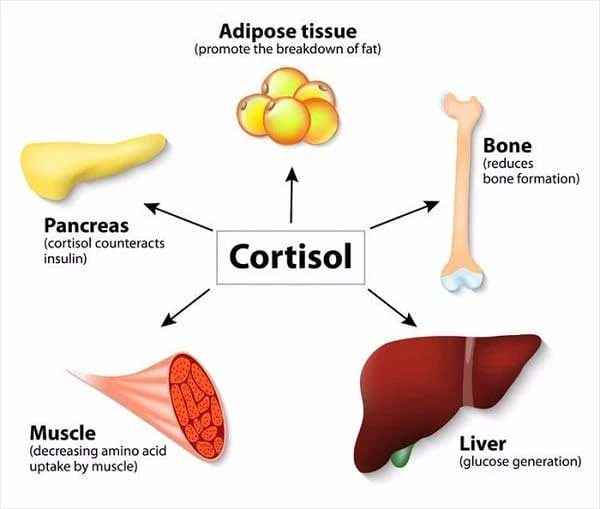
Chronic stress can have a ripple effect on our health. High levels of cortisol, the body’s stress hormone, can trigger cravings for unhealthy foods, leading to weight gain, particularly around the abdomen. This abdominal fat is especially concerning as it’s linked to a higher risk of health problems.
Left unchecked, obesity can significantly increase the risk of cardiovascular issues. The excess weight strains the heart, while changes in metabolism and blood sugar regulation contribute to a higher risk of heart disease, stroke, and high blood pressure. This highlights the importance of managing stress and maintaining a healthy weight for overall well-being.
Balancing Cortisol Levels:
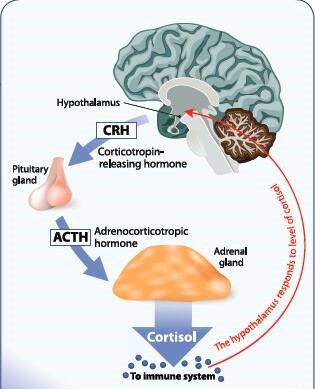
- Adaptogens may interact with the hypothalamic-pituitary-adrenal (HPA) axis, the body’s central stress response system.
- Some adaptogens, like ashwagandha, appear to regulate cortisol levels, a stress hormone. Chronically high cortisol levels can suppress the immune system, disrupt sleep, and contribute to fatigue. By potentially mitigating cortisol levels, adaptogens may help reduce these negative consequences of chronic stress.
- Other adaptogens, like rhodiola rosea, may enhance the body’s resistance to stress by improving energy metabolism and reducing fatigue. This can help the body cope with stressful situations more effectively.
Promoting Resilience:
- Adaptogens may also promote overall resilience by:
- Supporting the immune system: A strong immune system is crucial for fighting off illness and infection, which can further stress the body.
- Protecting nerve cells: Adaptogens may have neuroprotective qualities, potentially helping to safeguard brain function.
Multi-Target Effects:
- Unlike some medications that target a single receptor or pathway, adaptogens are believed to exert polyvalent effects. This means they can influence multiple biological systems simultaneously.
- The phytochemicals, or plant chemicals, found in adaptogens are thought to contribute to these multi-target effects. This multi-faceted approach may be why adaptogens are considered helpful for a wide range of health concerns.
Mechanism of Action: Anti-Stress Potential of Adaptogens
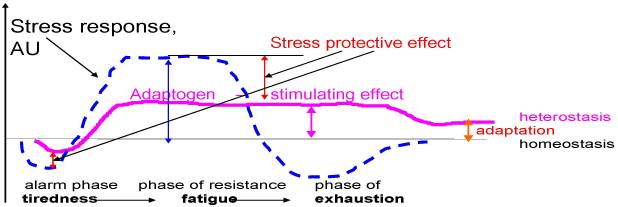
The anti-stress effects of adaptogens are orchestrated at the molecular level through coordinated modulation of key players within the stress response pathway:
- Heat Shock Proteins (Hsp70 and Hsp16): These molecular chaperones serve as cellular repair assistants, facilitating protein repair under stress and enhancing cellular resilience.
- Stress-Activated Enzymes (JNK1): Overactivation of JNK1 enzymes during stress generates harmful free radicals. Adaptogens suppress JNK1 overactivity, preventing cellular damage and exhaustion.
- Transcription Factors (FOXO and DAF-16): These factors regulate the expression of genes essential for stress resistance, cellular survival, and longevity. Adaptogens influence these factors, promoting the production of beneficial proteins.
- Hypothalamic-Pituitary-Adrenal (HPA) Axis Regulation: Chronic elevation of the stress hormone cortisol can negatively impact mood and cognition. Adaptogens help modulate cortisol levels within the HPA axis, preventing this detrimental effect.
- Nitric Oxide (NO) Balance: Intracellular signaling mediated by NO plays a crucial role in coordinating stress responses. Adaptogens ensure balanced NO levels, facilitating a controlled and healthy stress response.
Adaptation and Cellular Fortification: Adaptogens essentially induce a state of cellular adaptation, fostering tolerance to stress. This is achieved by enhancing the expression of stress-resistance proteins like Hsp70 and promoting ATP synthesis (energy production). These actions equip cells with the resources necessary to cope with stressors effectively.
Stress Mimicry: A Pre-emptive Strategy: Adaptogens can be viewed as low-molecular-weight “stress-mimetics,” acting similarly to vaccines. By inducing a mild activation of the stress system, they prepare cells and organisms to counteract more severe stress effectively in the future.
Examples of Popular Adaptogenic Plants
The world of adaptogenic plants is vast, but some of the most well-researched and commonly used varieties include:

Ashwagandha (Withania somnifera): This Ayurvedic herb has been shown to possess anti-anxiety and stress-relieving properties. Studies suggest it may also improve sleep quality and reduce symptoms of depression.
Ginseng (Panax ginseng): A staple in TCM, ginseng is known for its potential to enhance cognitive function, reduce fatigue, and improve physical performance.
Rhodiola rosea: This flowering plant is native to high-altitude regions in Europe and Asia. Research suggests it may improve mental stamina, reduce stress-induced fatigue, and enhance feelings of well-being.
Astragalus (Astragalus membranaceus): Traditionally used to support the immune system in TCM, astragalus is being investigated for its potential to improve immune function and reduce inflammation.
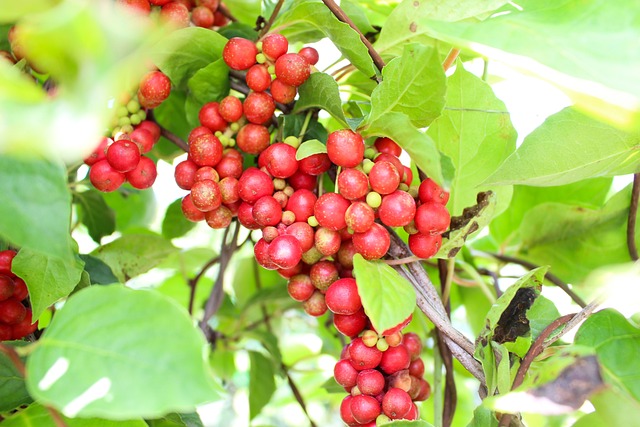
Schisandra chinensis: This berry-producing vine is native to China and Russia. It may offer benefits for liver health, fatigue, and cognitive function, although more research is needed.
Other Adaptogenic Plants
Beyond the well-known adaptogens, a whole world of botanical support awaits! Plants like holy basil, and bacopa offer adaptogenic benefits. Sea buckthorn, aloe vera, and rosemary join the list, while others like gotu kola, echinacea, and reishi boast a long history of traditional use. Don’t forget fungi like chaga and cordyceps, or the brain-boosting powerhouses ginkgo and lion’s mane. Even turmeric, a common kitchen spice, has adaptogenic properties
Selecting Adaptogens for Your Needs
Adaptogenic plants are gaining traction for their potential to enhance the body’s resilience to stress. However, with a vast array of options, choosing the right one can be daunting. This guide offers a two-step approach:
- Identify Your Needs: Reflect on areas you wish to improve, such as stress management, cognitive function, or energy levels. This will guide your adaptogen selection.
- Start Low and Observe: Begin with a low dose of a single adaptogen powder and monitor its effects. Gradually increase the dosage if needed. Remember, results may take weeks, and it’s crucial to cycle adaptogens with breaks for optimal benefit.
Optimizing Your Adaptogenic Journey
Here’s a breakdown of key points to consider when incorporating adaptogens into your routine:
- Research and Selection: Explore reliable sources and consult healthcare professionals to identify adaptogens suited to your specific needs. Popular options include ashwagandha, ginseng, and rhodiola rosea.
- Individualized Approach: Adaptogens affect individuals differently. Factors like health status and medications can influence the experience. Consulting a healthcare professional ensures safe and appropriate use.
- Cyclicity and Rotation: Utilize cycles with breaks to maximize benefits. Typically, use an adaptogen for 6 weeks followed by a one- or two-week pause. Rotate between different adaptogens based on your evolving needs.
- Patience and Consistency: Adaptogens require consistent use over weeks to experience the full benefits. Be patient, observe the impact, and discontinue use if you experience any negative effects.
Using Adaptogens Responsibly
Adaptogens are generally considered safe for most healthy people. However, it’s vital to consult with a healthcare professional before starting them, particularly if you have any underlying health conditions or are taking medications. Adaptogens can interact with certain medications, so a doctor can advise on potential risks and safe use in your specific case. Additionally, since adaptogens may affect individuals differently, it’s recommended to start with a low dose and gradually increase as needed to assess your body’s tolerance.
References
- Farnsworth NR, Waller D, Strelkova LM. Use of Eleutherococcus senticosus in United States: problems, prospects and literature update. Proceedings of the Second International Symposium on Eleutherococcus. Vladivostok: Far Eastern Scientific Center, USSR Academy of Sciences; 1986:47‐51. ↩︎
- Panossian A, Seo EJ, Efferth T. Novel molecular mechanisms for the adaptogenic effects of herbal extracts on isolated brain cells using systems biology. Phytomedicine. 2018;50:257‐284. ↩︎