

Antioxidants: Key to Optimal Health
Challenges Confronting Cells
The cells within the human body face a myriad of challenges, ranging from nutritional deficiencies to viral infections. Among these complexities, a persistent threat arises from free radicals. These chemical entities primarily originate from internal processes, such as the aftermath of activities like exercise, and external sources like pollution, tobacco smoke, and pesticides.
The Crucial Role of Antioxidants
In response to the impending peril posed by free radicals, antioxidants emerge as indispensable defenders. Operating through the mechanism of stabilizing and neutralizing free radicals via electron donation, antioxidants play a crucial role in mitigating the risk. Characterized by their low molecular weight, these compounds efficiently scavenge free radicals, proving effective in delaying or inhibiting cellular damage. This, in turn, safeguards essential molecules vital for overall cellular health.
Guarding Cellular Health
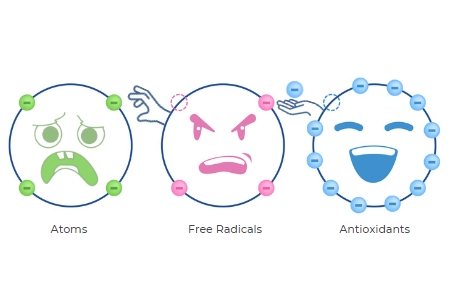
When an antioxidant donates an electron to a free radical, it stabilizes the radical by neutralizing its unpaired electron. This process effectively terminates the chain reaction initiated by the free radical. The neutralized free radical, now stable, no longer poses a threat to cells or genetic material. The body’s natural processes, including enzymatic systems, can then safely eliminate or metabolize these neutralized compounds without causing harm, preventing any adverse effects on cellular health.
Understanding Oxidative Stress Causes
Internal Causes: Aging and Inflammation
- Aging and Oxidative Stress: Aging is both a cause and consequence of oxidative stress, leading to an imbalance favoring free radicals over antioxidant defenses.
- Inflammation and Oxidative Stress: Inflammation and oxidative stress are interconnected; inflammatory cells release substances contributing to tissue damage, while oxidative stress reciprocally releases free radicals, intensifying inflammation.
Daily Oxidative Stress Triggers: Key Contributors
- High-fat, high-calorie, and high-salt diets contribute significantly to increased oxidation.
- Alcohol consumption promotes the production of free radicals and diminishes antioxidant levels.
- Tobacco use elevates oxidation markers and reduces antioxidants within the body.
- Exercice: Intensive or poorly managed exercise heightens oxidative stress indicators, emphasizing the need for careful preparation.
- Psychological stress and inadequate sleep are contributors to oxidative stress.
Oxidative Stress: Environmental Influences
- Sun exposure triggers photo-oxidation, generating UV-induced free radicals that initiate oxidative stress.
- Air pollution amplifies the production of free radicals, exacerbating oxidative stress in the body.
- Pesticides instigate toxic reactions, which induce oxidative stress within the body’s systems.
Why Do We Need Antioxidants?
“Why do we need antioxidants?” This question lies at the heart of our quest for optimal health and well-being. Antioxidants, akin to nature’s defenders, tirelessly combat the damaging effects of free radicals within our bodies. By stabilizing and neutralizing these harmful molecules, antioxidants play a crucial role in preserving cellular integrity and function. This vital defense mechanism operates on two fronts: through endogenous antioxidants, produced internally, and exogenous antioxidants, acquired from external sources. Understanding the indispensable role antioxidants play in safeguarding our health offers profound insights into the importance of integrating them into our daily lives.
Endogenous Antioxidants: A Self-Defensive Arsenal
The body’s inherent ability to combat free radicals relies on endogenous antioxidants, a category encompassing enzymatic and non-enzymatic components.
Enzymatic Antioxidants: Prominent among enzymatic antioxidants are superoxide dismutase (SOD), catalase (CAT), glutathione peroxidase (GPx), and glutaredoxin (GRx). Operating collaboratively with essential elements like zinc, selenium, copper, and manganese—termed “cofactors”—these enzymes effectively transform free radicals into inert entities, nullifying their harmful potentia
Non-Enzymatic Antioxidants: Derived from circulating blood molecules, non-enzymatic antioxidants form a crucial component of the body’s inherent antioxidant capacity. Included in this category are potent free radical deactivators like glutathione, coenzyme Q10, albumin, uric acid, and ascorbic acid, collectively contributing to more than three-quarters of the overall antioxidant capacity.
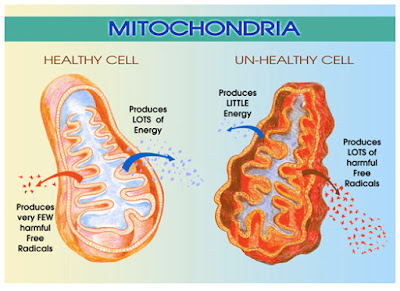
Mitochondria in Redox Dynamics: Mitochondria play a critical role in cellular physiology and are central to oxidative stress dynamics. Functioning as intricate cellular factories, they primarily supply energy through oxygen conversion into adenosine triphosphate (ATP). This essential bioenergetic process, while crucial, generates free radicals. Notably, mitochondria exhibit a dual role, demonstrating both oxidizing and antioxidizing capacities. This unique feature highlights their ability to self-regulate and counteract the potential deleterious effects of free radicals produced during cellular respiration
Exogenous Antioxidants: A Focus on Superfruits
Exogenous Antioxidants in Your Diet: In the pursuit of robust antioxidant defenses, the strategic incorporation of exogenous antioxidants from dietary sources emerges as a crucial avenue. Key contributors to this fortification include essential vitamins such as C, E, and A, along with pivotal minerals like zinc, selenium, and copper. The antioxidant arsenal further expands to encompass plant-derived compounds, including carotenoids and polyphenols, recognized for their potent protective properties against oxidative stress.
Enhancing Exogenous Antioxidant Fortification: Among the myriad choices available, superfruits such as pomegranate and acai stand out as exemplary sources, boasting a rich array of micronutrients. These nutrient-dense additions not only enhance the body’s antioxidant profile but also contribute significantly to overall nutritional well-being. Consideration of these superfruits as dietary staples offers a pragmatic approach for individuals aiming to fortify their physiological resilience against oxidative challenges.
Cellular Protection from Oxidative Stress
| Endogenous antioxidants |
| Enzymatic Antioxidants ➤ Superoxide Dismutase (SOD): Enzyme dedicated to detoxifying superoxide radical (O2-). ➤ Catalase (CAT) and Glutathione Peroxidase (GPx): Enzymes involved in the detoxification of peroxides (CAT against H2O2, and GPx against both H2O2 and ROOH). ➤ Glutathione Reductase: Enzyme involved in the regeneration of glutathione. ➤ Thioredoxin Reductase: Enzyme involved in the protection against protein oxidation. ➤ Glucose-6-Phosphate Dehydrogenase: Enzyme involved in the regeneration of NADPH. Non-enzymatic Antioxidants (Principal Intracellular Reducing Agents) ➤ Glutathione (GSH), Uric Acid, Lipoic Acid, NADPH, Coenzyme Q, Albumin, Bilirubin: Essential non-enzymatic antioxidants maintaining intracellular reducing balance. |
| Exogenous antioxidants |
| Principal Dietary Antioxidants from Fruits, Vegetables, and Grains: ➤ Carotenoids: β-carotene, lycopene, lutein, and zeaxanthin are crucial carotenoids. ➤ Flavonols: Quercetin, kaempferol, and myricetin are prominent flavonols with antioxidant properties. ➤ Flavanols: Proanthocyanidins and catechins are flavanols offering antioxidant benefits. ➤Anthocyanidins: Cyanidin and pelargonidin are essential anthocyanidins. ➤ Isoflavones: Genistein, daidzein, and glycitein are key isoflavones contributing to antioxidant defenses. ➤ Flavanones: Naringenin, eriodictyol, and hesperetin are crucial flavanones. ➤ Flavones: Luteolin and apigenin are noteworthy flavones.Vitamins: Notable vitamins include vitamin C and vitamin E. ➤ Trace Elements: Essential trace elements contributing to antioxidant defense include zinc and selenium. ➤ Phenolic Acids: Various phenolic acids such as chlorogenic acid, gallic acid, and caffeic acid contribute to antioxidant protection. |
Lifestyle Choices and Free Radicals
Reduce the Production of Free Radicals
- Begin by adopting a balanced diet, emphasizing low saturated fats and salt. Dietary choices play a pivotal role in minimizing oxidative stress.
- Abstain from smoking and limit alcohol consumption, as these practices significantly contribute to the generation of free radicals.
- Ensure sufficient relaxation and prioritize adequate sleep, aiming for 7 to 8 hours each night. Quality sleep is essential for combating oxidative stress.
- Space out intense sports sessions to allow your body adequate time for the elimination of free radicals. Prioritize post-exercise recovery practices.
- Limit prolonged exposure to the sun and use protective measures such as sunscreen. This precautionary step minimizes exposure to harmful UV rays.
Acknowledge that environmental factors, such as pollution and pesticides, contribute to oxidative stress. While complete control is challenging, certain measures can be taken:
- Opt for organic fruits and vegetables to reduce pesticide exposure.
- Thoroughly wash fruits and vegetables before consumption.
- Combat pollution by cleansing your face morning and night to eliminate pollutant particles.
Enhancing Your Antioxidant Capacity
To achieve a balance between antioxidants and free radicals, enhancing your body’s antioxidant capacity is imperative:
In sport, regular training, especially aerobic exercises with high oxygen consumption like endurance running, enhances enzymatic antioxidant defenses. The increased defenses result in reduced oxidation. Therefore, maintaining a consistent training regimen is crucial.
Intermittent fasting, when properly controlled, may also contribute to boosting the body’s antioxidant defenses.
Provide Exogenous Antioxidants
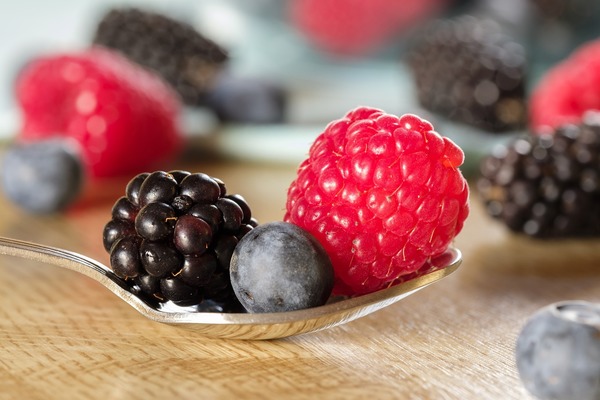
- Incorporate antioxidants into your daily diet.
- Choose foods rich in natural antioxidants.
- Consume antioxidant vitamins, primarily found in fruits and vegetables.
- Maximize antioxidant content by opting for fresh, seasonal, and local fruits and vegetables.
- Noteworthy examples include:
Cranberries: A source of vitamin C and numerous flavonoids.
Blackberries: Rich in vitamin C.
Broccoli: A source of both vitamin E and vitamin C.
Fennel: An important source of polyphenols.