

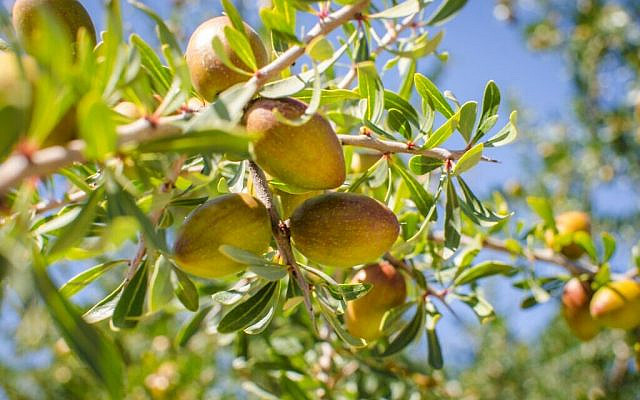
A Moroccan Cultural and Environmental Icon
Argania spinosa, the Argan tree, is a jewel of Morocco, endemic to restricted parts of the country. This means it thrives naturally only in this unique region, not found anywhere else in the world. Its gnarled branches and seemingly unassuming green leaves belie the treasure it holds – the precious argan nut. This resilient tree thrives in harsh, arid conditions, its roots a testament to its remarkable ability to adapt to this challenging environment. But Argania spinosa offers so much more than economic benefit.
- Cultural Cornerstone: Argan oil, a cherished ingredient in Moroccan cuisine and cosmetics.
- Liquid Gold: Fueling the local economy through culinary and cosmetic traditions.
- Environmental Guardian: Protecting the land from soil erosion and providing vital habitat.
- Expanding Legacy: Recognized by its inclusion on the UNESCO List of Intangible Cultural Heritage of Humanity.
Argania spinosa: From Fruit to Oil
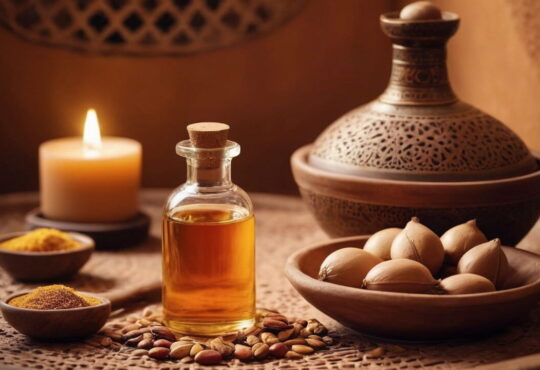
Morocco’s argan oil, a culinary and cosmetic treasure, starts with the same extraction process, but diverges with a key step: roasting. This adds nutty flavor for cooking, while skipped for the natural essence used in skincare.
Edible Argan Oil: A Culinary Delight
This oil undergoes a six-step process:
- Gathering the fruit: Ripe argan nuts are carefully collected. You might even hear the gentle thud as they fall from the tree!
- Sun-drying: The nuts bask in the sun, allowing their moisture content to decrease.
- Dehulling: The hard outer shells are cracked to reveal the precious kernels.
- Collecting the kernels: Only the healthy, plump kernels are chosen for oil extraction.
- Roasting (key difference!): This step adds a distinctive nutty flavor and aroma, perfect for culinary creations. Imagine the warm, toasty scent filling the air!
- Cold-pressing: The kernels are gently pressed to release their golden oil.
Cosmetic Argan Oil: A Luxurious Elixir
This oil skips the roasting step to preserve its delicate, natural aroma. The process starts with steps 1-4 from edible oil extraction, then moves directly to cold-pressing.
Distinguishing the Gems:
Color & Clarity: Edible argan oil boasts a rich copper hue, while cosmetic argan oil shines with a transparent golden yellow.
Taste & Aroma: Edible oil has a subtle, nutty flavor, while cosmetic oil is tasteless. Both are smooth, but edible oil might be slightly thicker. Edible oil offers a nutty aroma, while cosmetic oil has a faint, almost neutral scent.
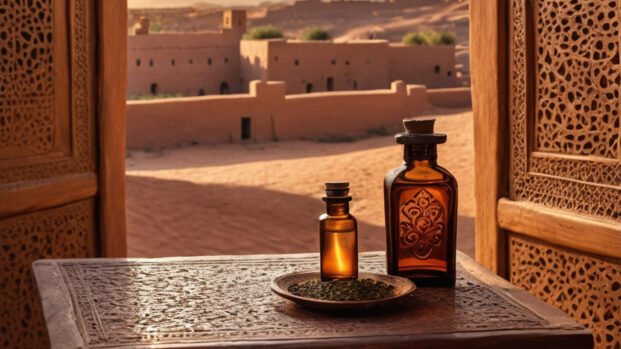
Argan Oil’s Chemical Composition
Argan oil’s impressive benefits come from its unique blend of natural ingredients. Let’s explore the key components that make it such a valuable addition to your health and beauty routine:
- Unsaturated Fatty Acids: These are the stars of the show, making up most of the oil. Think of them as oleic and linoleic acid, superstars for heart health and reducing inflammation. They’re a big part of what makes argan oil so good for you!
- Saturated Fatty Acids: While not as abundant, these players (like stearic and palmitic acid) contribute to the oil’s texture and stability, making it a shelf-stable and delightful experience.
- A Rich Cast of Fatty Acids: Beyond the main players, argan oil boasts a diverse group of lesser-known fatty acids (like myristic, palmitoleic, arachidic, and behenic acid). They add to the oil’s complexity and potential benefits.
- Vital Sterols and Squalene: These fancy names (spinasterol, schotenol, campesterol, and squalene) represent essential components that highlight the richness and authenticity of argan oil.
- Tocopherol Powerhouse: This is a fancy way of saying argan oil is packed with Vitamin E, particularly gamma, alpha, beta, and delta-tocopherol. These work together as antioxidants, protecting your cells and supporting their health.
- Carotenoid Colors: The beautiful golden hue of argan oil comes from carotenoids, primarily β-carotene. But they’re not just for show! They also act as antioxidants, further protecting your cells.
| Campesterol: The Fraud Fighter: This unique sterol is found in trace amounts in argan oil (unlike some other vegetable oils). Its presence helps ensure the authenticity and purity of the oil you choose. |
Argan Oil’s Healing Power: Inside-Out Benefits!
1–Anti-inflammatory Effect: Argan oil is recognized for its health benefits, particularly its anti-inflammatory properties. Polyphenols in argan oil help reduce inflammation by neutralizing reactive oxygen species (ROS) linked to various diseases. Studies with whole blood cultures have shown that argan oil polyphenols significantly decrease inflammatory markers such as iNOS and IL-1β without inducing inflammation themselves.
2–Antioxidant Potency: Argan oil is rich in oleic and linoleic acids and contains powerful antioxidants like sterols and phenolic compounds, including α-tocopherol, caffeic acid, vanillic acid, ferulic acid, resorcinol, and catechin. These antioxidants protect against diseases such as cardiovascular diseases, obesity, cancer, and diabetes.
3–Neuroprotective Antioxidant: The antioxidant properties of argan oil extend to neuroprotection, shielding the brain from oxidative stress induced by iron. By reducing glutathione peroxidase activity and increasing glutathione levels, argan oil shows promise in preserving brain health.
4–Age-Related Neuroprotection: Argan oil and its major compound α-tocopherol exhibit potent antioxidant properties that combat age-related diseases, including cardiovascular and neurodegenerative conditions. These properties help mitigate the cytotoxic effects of ketocholesterol on nerve cells, suggesting potential in preventing severe age-related pathologies.
5–Countering Nanotoxicity on Organs: Rich in polyphenols and tocopherols, argan oil protects against nanoparticle-induced toxicity, which is prevalent in various applications. Studies demonstrate its effectiveness in safeguarding vital organs against nanoparticle-induced toxicity and oxidative stress.
6–Powerful Antibacterial for Acne Treatment: Argan oil has potent antibacterial effects, especially against acne-causing bacteria like Propionibacterium acnes. Clinical studies confirm its efficacy in improving skin appearance and reducing greasiness, making it a promising treatment for acne.
7–Enhancing Blood Lipid Balance: Argan oil is rich in phytosterols like schottenol and spinasterol, showing promise in lowering lipids and cholesterol. Clinical studies reveal its effectiveness in improving plasma lipid profiles, particularly in high-risk patients suffering from dyslipidemia and oxidative stress.
8–Impact on Male Subfertility: Male subfertility, often linked to oxidative stress, poses challenges to sperm health. Argan oil, with its diverse antioxidants, emerges as a promising option for protecting spermatozoa from oxidative damage and supporting male reproductive health. A study on healthy adult Moroccan men found that virgin argan oil (VAO) and extra virgin olive oil (EVO) consumption significantly increased testosterone (T) and luteinizing hormone (LH) serum concentrations, suggesting a potential positive influence on male hormonal balance
| Amlou, a Moroccan spread made with edible argan oil, almonds, and honey, offers fertility-enhancing properties. Almonds provide nutrients that improve sperm health, including vitamin E and selenium. Honey adds arginine and zinc, which are crucial for sperm development, while argan oil addresses oxidative stress, promoting male fertility and potentially enhancing erectile function. |
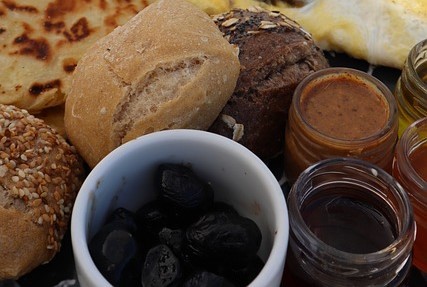
Argan Oil: A Taste of Morocco
Argan oil, a staple in Moroccan cuisine, offers a delicious nutty flavor and a surprising range of uses. Here’s how Moroccans incorporate this unique oil into their meals:
From Dips to Desserts:
- Amlou: This traditional breakfast spread combines argan oil with almonds and honey for a sweet and satisfying start to the day.
- Salads: Drizzle argan oil over fresh vegetables or whisk it into dressings for a nutty twist.
- Couscous and Tagines: A touch of argan oil adds richness and depth of flavor to these classic Moroccan dishes.
- Bread Dipping: Enjoy warm Moroccan bread dipped in argan oil, sprinkled with a hint of salt for a simple appetizer.
Beyond the Basics:
- Grilled Vegetables: Brush vegetables with argan oil before grilling for added flavor, or drizzle it on top after cooking.
- Seafood: Argan oil complements fish and seafood beautifully. Use it in marinades or as a finishing oil for grilled or baked dishes.
- Sweets and Pastries: The nutty notes of argan oil enhance Moroccan desserts, both in baking and as a flavoring drizzle.
A Multi-Purpose Marvel:
- Marinades: Incorporate argan oil into spice blends for marinating meats and poultry, infusing them with a unique Moroccan touch.
- Breakfast Delights: Don’t limit argan oil to savory dishes! Drizzle it over eggs, or add it to porridge for a flavorful breakfast boost.
Key Takeaways:
- Flavor: Argan oil’s distinctive nutty character elevates countless Moroccan dishes.
- Health Benefits: Rich in essential fatty acids and antioxidants, it offers a healthy addition to your diet.
- Cultural Significance: Deeply rooted in Moroccan traditions, argan oil is often produced locally by Berber women.
Tips for Using Argan Oil:
- Storage: Keep it cool and dark to preserve its flavor and nutritional value.
- Cooking: While light cooking is possible, use argan oil primarily as a finishing oil to retain its delicate taste.
Argan Oil: Safety Guidelines for Use
Patch Testing for Topical Use:
- Start Small, Stay Safe: Before applying argan oil all over your face or body, do a patch test first. This simple step helps identify any potential allergic reactions or skin irritation, ensuring your skin tolerates it well.
Consultation for Ingestion:
- Talk to Your Doctor Before You Swallow: Considering ingesting argan oil? Consulting a healthcare professional is recommended. This helps prevent digestive issues like diarrhea or stomach upset, especially if you plan to consume a lot.
Choosing High-Quality Products:
- Quality Counts: Choose Cold-Pressed, Reputable Argan Oil: Opt for high-quality, cold-pressed argan oil from reputable sources. This ensures both effectiveness and safety, minimizing the risk of impurities or contaminants.
Proper Storage Techniques:
- Keep it Cool, Keep it Fresh: To maintain argan oil’s freshness and properties, store it correctly. Keep the oil in a cool, dark place away from light to prevent oxidation, which can degrade its quality and diminish its benefits over time.
Pregnancy and Breastfeeding Considerations:
- Safety First: Consult Your Doctor While Pregnant or Breastfeeding: If you are pregnant or breastfeeding, it’s best to consult a healthcare provider before using argan oil. While generally safe, professional guidance ensures the well-being of both you and your baby during this important time.