


Arnica montana, Arnica, زهرة العطاس, 山金车, Arnika, Dağ Arnikası, Άρνικα, Арника.
What is Arnica Montana?
Arnica Montana, commonly referred to as mountain arnica, is a perennial herb from the Asteraceae family, indigenous to European mountainous regions. Renowned for its medicinal attributes, Arnica Montana has a historical legacy in traditional medicine. Centuries ago, indigenous European populations utilized the herb to address diverse health issues, notably bruises, sprains, and muscle aches. Over time, its therapeutic reputation expanded, solidifying its status as a key component in herbal medicine throughout the continent
Chemical Components of Arnica Montana
Arnica, a flowering plant, is known for its potential health benefits. Here’s a breakdown of its key pharmacological effects:
Main Active Ingredients:
- Sesquiterpene lactones: These compounds, including helenalin and 11α,13-dihydrohelenalin, are the primary source of arnica’s medicinal properties. They are particularly effective in reducing inflammation, especially in the early stages. Their mechanism of action involves inhibiting the activity of certain molecules (NF-kB and NF-AT) that play a role in the inflammatory process.
- Other components: While sesquiterpene lactones are the main players, flavonoids and phenolic acids present in arnica might contribute additional benefits like antioxidant and antimicrobial effects. These components might work together with the sesquiterpene lactones for a more enhanced effect.
Standardization and Regulation:
- European Pharmacopoeia: This official standard ensures the quality and consistency of arnica-based products in Europe. It mandates a minimum of 0.4% total sesquiterpene lactones in “Arnica flos,” the recognized medicinal form of the plant.
Traditional Uses and Bioactivities of Arnica Montana
A Natural Remedy with Diverse Applications:
Arnica Montana, a flowering plant, has been used for centuries as a natural remedy for various ailments. Traditionally, it has been applied to alleviate pain, reduce inflammation, promote wound healing, and ease muscle soreness.
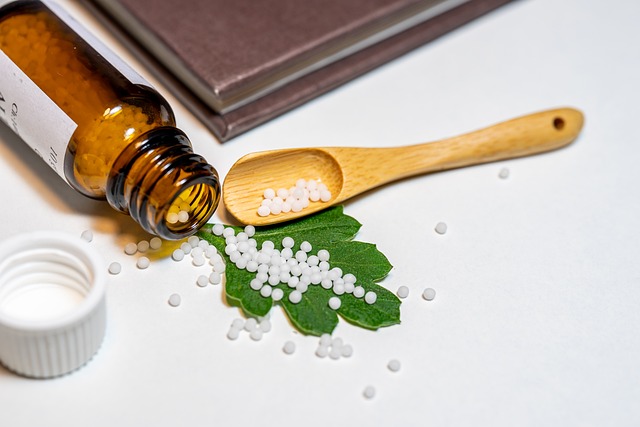
Homeopathic Uses: Homeopathy utilizes highly diluted forms of Arnica Montana to treat injuries and stimulate the body’s natural healing abilities. It is believed to have a holistic effect, supporting the immune system and overall well-being.
Scientifically Observed Bioactivities:
Research has identified numerous potential benefits associated with Arnica Montana’s various bioactivities:
- Anticancer activity: A study reveals the remarkable anticancer activity of essential oil derived from A. montana achenes, as it effectively induces apoptosis in astrocytoma and glioblastoma cells. This discovery holds significant promise for advancing glioma therapy.
- Anti-inflammatory Activity: This is the most prominent effect, attributed to sesquiterpenes like helenalin. Arnica may help manage issues like ankle sprains, post-surgical pain, and exercise-induced muscle soreness.
- Improved Circulation: Arnica might alleviate symptoms associated with restricted blood flow, potentially benefiting individuals with fibromyalgia or neuropathy.
- Cardiovascular Applications: Arnica’s compounds display potential effects on heart muscle function, but further research is needed.
- Anti-Osteoarthritis Effects: Topical Arnica gel containing specific compounds has shown significant benefits in reducing pain, stiffness, and improving hand function in individuals with osteoarthritis.
- Immune System Support: Arnica’s polysaccharides enhance immune response, stimulating the body’s defense mechanisms.
- Antioxidant and Protective Properties: Flavonoids and phenolic compounds in Arnica contribute to its antioxidant potential, offering protection against cellular damage caused by oxidative stress.
- Pain Relief: Arnica exhibits pain-relieving properties and may promote wound healing.
- Antimicrobial Activity: Arnica extracts have been shown to combat certain bacterial strains, suggesting potential therapeutic applications.
- Other Potential Benefits: Studies indicate Arnica’s influence on platelet function, uterine health, skin pigmentation, bone health, liver function, respiratory function, anxiety, cough, hair growth, and blood loss reduction. However, further research is necessary to confirm these findings and establish definitive conclusions.
Different Forms and Administration Methods:
Arnica Montana comes in various forms:
- Creams, Gels, Ointments: These are applied topically directly to the affected area.
- Homeopathic Pellets: These are dissolved under the tongue for oral use.
Possible Side Effects of Arnica Montana
While arnica montana offers a range of health benefits, it’s important to be aware of potential side effects. Some individuals may experience skin irritation or allergic reactions when using arnica topically. If you notice any redness, swelling, or itching, it’s best to discontinue use and consult with a healthcare professional.
While Arnica Montana offers potential benefits, it’s essential to be aware of these important points:
Caution for Specific Groups:
- Pregnant and Breastfeeding: Due to limited research on safety, Arnica use is not recommended for pregnant or breastfeeding individuals. Consult your healthcare provider for any concerns.
- Open Wounds or Broken Skin: Avoid applying Arnica topically to open wounds or broken skin, as it may impede healing.
Dosage Guidelines:
- Always follow recommended dosage guidelines. It’s best to consult a healthcare professional to determine the appropriate dosage for your individual needs and health condition.
- Homeopathic Usage: The typical homeopathic dosage for oral use is 30C or 30X potency, taken three times daily. However, consult a homeopathic practitioner for personalized recommendations.
FAQ 1. Are there any potential side effects of using Arnica Montana? While Arnica Montana is generally considered safe when used as directed, some individuals may experience allergic reactions or skin irritation. It is important to perform a patch test before applying Arnica Montana topically and discontinue use if any adverse reactions occur. Additionally, oral ingestion of Arnica Montana should be done under the guidance of a healthcare professional to avoid potential side effects. 2. Can Arnica Montana be used during pregnancy or by breastfeeding mothers? Pregnant or breastfeeding women should exercise caution when using Arnica Montana. There is limited research available on its safety during pregnancy and lactation. It is advisable to consult with a healthcare professional before using Arnica Montana to ensure the well-being of both the mother and the baby. 3. How should Arnica Montana be stored to maintain its potency? To preserve the potency and quality of Arnica Montana, it is recommended to store it in a cool, dry place away from direct sunlight. Keep it out of reach of children and pets, and ensure proper packaging to prevent exposure to moisture or contaminants. 4. What are the potential drug interactions with Arnica Montana? Arnica Montana may interact with certain medications, including blood thinners and antiplatelet drugs. It is crucial to inform your healthcare provider about any medications or supplements you are taking to minimize the risk of adverse interactions. They can provide personalized advice and guidance based on your specific medical history and current medications. |