

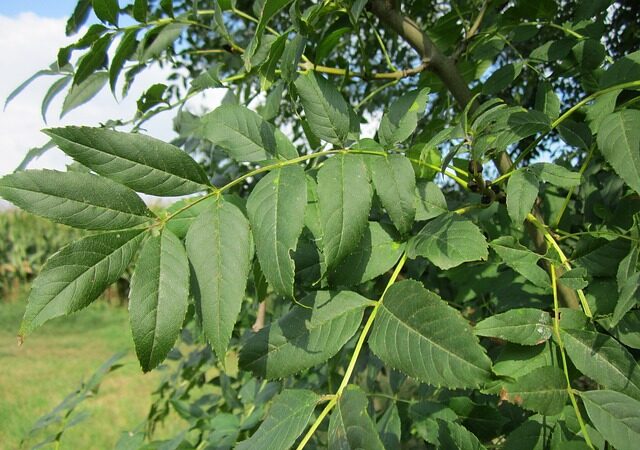
The Ash Tree: Symbolism and Utility
The ash tree, or European Ash, native to Europe, Asia Minor, and North Africa, holds cultural and historical significance worldwide. Revered for its strength and versatility, it symbolizes resilience across various cultures, from Norse mythology to Celtic traditions. Its prized wood has been used for tools and instruments, while folklore attributes healing properties to the tree. Additionally, ash trees offer edible oil from its seeds and its winged seeds, known as ash keys, are edible, adding to its practical uses.
Tradition and Utility: The Ash Tree’s Legacy
- Fraxinus excelsior: This common ash species yields an edible seed oil similar to sunflower oil.
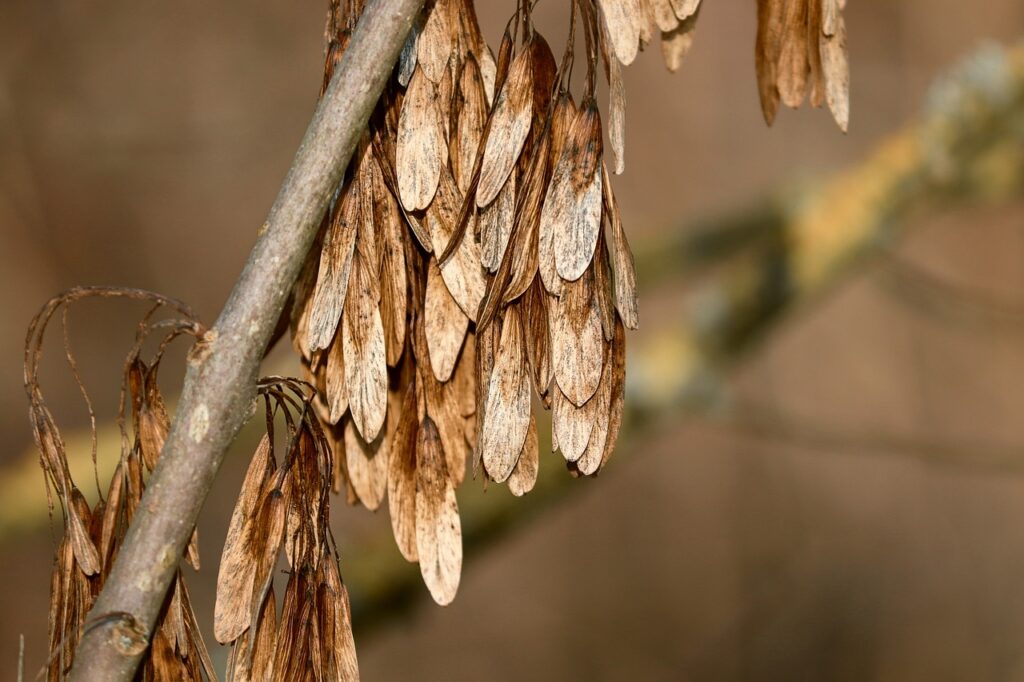
- Identifying Ash Keys: Look for the ash tree’s winged seeds (keys) that change color throughout the year: lime green in summer, yellow in autumn, and rusty brown in winter.
- The Ash Tree in Culture and History:
- Norse Mythology: Odin hung himself on Yggdrasil (the World Tree, believed to be an ash) for wisdom.
- Vikings & Gaels: Vikings (“Men of Ash”) and Gaels revered the ash for protection.
- British Folklore: Ash sap was used for children’s health, and the tree was seen as protective.
- In Europe, the ash tree has been valued for its medicinal properties, particularly the anti-rheumatic and diuretic effects of its leaves.
- Traditionally, dried ash leaves are used in infusions to harness their analgesic and anti-inflammatory properties. These infusions are particularly recommended for treating joint pain, osteoarthritis, arthritis, and rheumatism.
- rural French communities traditionally prepare a beverage called “frênette” from ash tree leaves, valued for its refreshing, appetizing, tonic, diuretic, and laxative qualities.
- The Ash Tree’s Practical Uses:
- Tool & Weapon Crafting: Ash wood’s strength made it ideal for axles, oars, tool handles, and weapons.
- Coppicing & Fuel: Ash trees coppice well, providing strong poles and dense wood for excellent firewood. (Fraxinus means “firelight” in Latin.)
Bioactive Compounds in Ash Leaves
Ash trees are rich in various chemical compounds that contribute to their medicinal and nutritional properties. This richness translates into a rich array of bioactive compounds found in ash leaf infusions:
- Phenolic Compounds: Some phenolic acids, including caffeic acid, chlorogenic acid, and gallic acid, contribute to the infusion’s antioxidant properties.
- Flavonoids: Quercetin and kaempferol are prominent flavonoids present in the infusion, known for boosting its antioxidant and anti-inflammatory effects.
- Tannins: The infusion also contains tannins, recognized for their astringent properties and traditional medicinal uses.
- Other Bioactive Compounds: Ash leaf infusions contain additional bioactive compounds, including:
- Phenylethanoids: Verbascoside
- Secoiridoids: Oleuropein, Formoside, Oleoacteoside, Ligstroside
- Minerals and Vitamins: Calcium, phosphorus, potassium, magnesium, vitamin C.
The Potential Health Benefits of the Ash Tree
The ash tree (Fraxinus spp.) transcends its role as a majestic symbol. Its leaves and bark harbor a wealth of bioactive compounds, including flavonoids, phenolic acids, and tannins, making it a subject of increasing interest in the field of natural medicine. Let’s explore the potential health benefits linked to these components:
Antioxidant Powerhouse and Potential Cardiovascular Support:
- Flavonoids and phenolic acids in ash tree extracts exhibit potent antioxidant effects. These properties may help protect against chronic diseases by combating free radical damage. Traditionally, ash tree bark extracts have also been used to promote cardiovascular health. Studies suggest they may help by relaxing blood vessels and improving blood flow, potentially leading to lower blood pressure.
Immune System and Digestive Support:
- The high vitamin C content in ash leaves can bolster the immune system’s defenses, while the antimicrobial properties of ash tree compounds might aid in fighting off infections.
- Tannins found in ash bark may soothe digestive issues and reduce inflammation in the gut.
Skin Health Potential:
- The antioxidant properties of ash tree extracts might be beneficial in treating skin conditions like eczema and psoriasis.
Emerging Areas of Research:
While traditional uses hold promise, ongoing research is revealing a broader spectrum of potential applications for ash tree extracts:
- Anticancer Activity: Studies show promise for Fraxinus plant extracts in targeting cancer cell growth pathways and inducing cell death (apoptosis) in various cancers. However, further research is needed to fully understand their effectiveness and mechanisms of action.
- Anti-inflammatory Activity: Inflammation plays a role in numerous diseases. Fraxinus extracts and compounds show potential in alleviating inflammatory conditions by modulating key enzymes involved in these responses. More research is needed to explore their therapeutic potential and optimize their use.
- Antimicrobial Activity: Fraxinus extracts demonstrate effectiveness against various bacteria and fungi. Understanding how they work could lead to the development of alternative antimicrobial agents.
- Neuroprotective Activity: Extracts from Fraxinus plants show promise in protecting against neurodegenerative diseases by scavenging free radicals and influencing cell death pathways. Further studies are needed to validate their efficacy and explore mechanisms of action.
- A Range of Additional Activities: Extracts and compounds from the ash tree also exhibit antifungal, antihypertensive, antimalarial, and antiaging activities. These areas require further investigation to confirm their efficacy, safety, and potential therapeutic applications.
Culinary Uses of Ash Keys Worldwide
While the leaves and bark of ash trees are primarily used for their health benefits, the ash key, or the tree’s seed, has culinary applications in various cultures.
- Frenette: A Forgotten Beverage – This fermented ash leaf drink from France and Belgium was once common.
- Young Ash Shoots in Salads – A Fresh Addition! Tender ash tree shoots add a vibrant touch when consumed raw.
- Pickled Ash Keys – Many countries preserve ash keys in salt and vinegar for use as caper substitutes.
- Ash Seed Oil: A Versatile Ingredient – Extracting edible oil from ash tree seeds yields a product similar to sunflower oil.
- A Historical Note: Ash Leaves in Tea – Interestingly, ash leaves were once used as an adulterant in tea.
- tisane du centenaire: This French herbal tea, traditionally composed of ash, blackcurrant, meadowsweet, and mint, was reputed to keep one young and in good shape.
- The immature seeds are soaked in salt and vinegar and then used as condiments.
- Manna, derived from the solidified sap of select Fraxinus tree species, boasts ancient origins in Sicily. Historically valued for its versatility, it serves as a natural sweetener, a gentle laxative, and a component of traditional medicine. Moreover, it holds significance in religious rituals and ceremonies.
Ash Trees and Bird’s Tongue in Morocco: Clearing Up Confusion
Plant names can sometimes get confusing, especially across different regions. In the Arab world, this can be particularly true. Take the ash tree in Morocco and North Africa, for example. It’s often referred to as “Dardar,” but there’s more to the story.
Two Ash Trees, One Name:
Morocco actually boasts two types of ash trees. The most common is Fraxinus angustifolia. You might encounter these trees in the Middle Atlas region. In the High Atlas Mountains, however, the Fraxinus dimorpha takes center stage.
Bird’s Tongue Confusion:
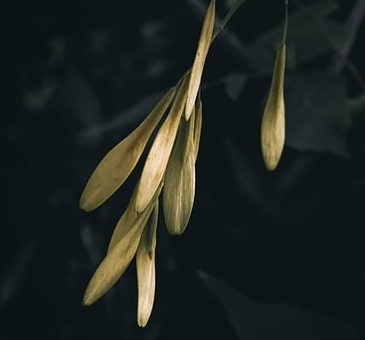
Things can get tricky when it comes to the Moroccan pharmacopeia, which describes the fruits of Fraxinus angustifolia as “lssan tair,” meaning “bird’s tongue.” This term can be misleading in other Arab countries, where “bird’s tongue” refers to a different plant entirely – Ficus religiosa. There’s even a type of paste used in various dishes called “bird’s tongue,” further adding to the confusion.
Moroccan Bird’s Tongue Explained:
Here in Morocco, when a recipe calls for “lssan tair” or “bird’s tongue,” rest assured, it refers to the fruits of the ash tree, specifically Fraxinus angustifolia. This species is abundantly found in the Middle Atlas region. In fact, if you visit the Vittel Valley near the city of Ifrane, you can see a beautiful stand of these impressive ash trees – a testament to the prevalence of this species in the area. So, you can enjoy your Moroccan dish with confidence, knowing the “bird’s tongue” is a local and delicious addition.
The Culinary Uses of ash keys in Morocco
In Moroccan cuisine, dried ash keys, also known as “lssan tair,” are occasionally included in the renowned spice blend called “Ras el hanout.” This versatile blend adds a depth of flavor to many Moroccan dishes. Additionally, “lssan tair” is sometimes used in the preparation of spiced Moroccan coffee, especially in Fez. This adds a unique and intriguing note to the coffee’s flavor profile.
Khoudenjal and “Lssan Tair”
Khoudenjal, a well-known Moroccan spiced tea enjoyed during winter for its warming properties, traditionally features ginger, cloves, cinnamon, and other spices. While “lssan tair” (dried ash keys) may be included in some regional variations or personal recipes, it’s not a common ingredient in Khoudenjal.
Cultural Beliefs and Aphrodisiacs
It’s important to note that across various cultures, including Morocco, some foods and herbs are believed to possess aphrodisiac properties. “Lssan tair” may be included in this category within some Moroccan traditions. However, there’s a lack of scientific evidence to support these claims.
The Ash Tree: A Natural Apothecary in Morocco
Morocco’s rich tradition of herbal medicine prominently features the ash tree, locally known as “Dardar.” This versatile tree offers a treasure trove of natural remedies, with each part boasting unique therapeutic benefits.
A Natural Diuretic
- Ash keys, leaves, and bark are all used in traditional Moroccan medicine for their diuretic properties.
- These diuretic properties help reduce uric acid levels in the body, aiding in the fight against gout and kidney stones.
Soothing Rheumatic Pain
- The leaves and bark of the ash tree are celebrated for their effectiveness as anti-rheumatic agents.
- Consuming infusions made from these parts can provide relief from joint pain and inflammation associated with rheumatism.