

Withania somnifera, Ashwagandha, العبعب المنوم – أشواغاندا, 印度人参, ашваганда, hint ginsengi, Πληροφορίες
What is Ashwagandha?
Ashwagandha boasts a rich history dating back thousands of years. Revered in ancient Indian texts as a “Rasayana” (meaning “path to rejuvenation”), it was celebrated for its ability to enhance vitality and promote overall well-being. Throughout history, Ashwagandha has been used to address various concerns like stress, fatigue, sleep issues, and even sexual dysfunction, earning its place as a versatile and enduring remedy in Ayurvedic medicine.
1. Botanical Background: Ashwagandha (Withania somnifera) is a member of the Solanaceae family, closely related to other familiar plants like potatoes, tomatoes, and eggplants. Hailing from the dry regions of India, Nepal, Pakistan, and the Middle East, this small, velvety-leaved shrub thrives in arid climates and is surprisingly adaptable to both hot and cold temperatures.
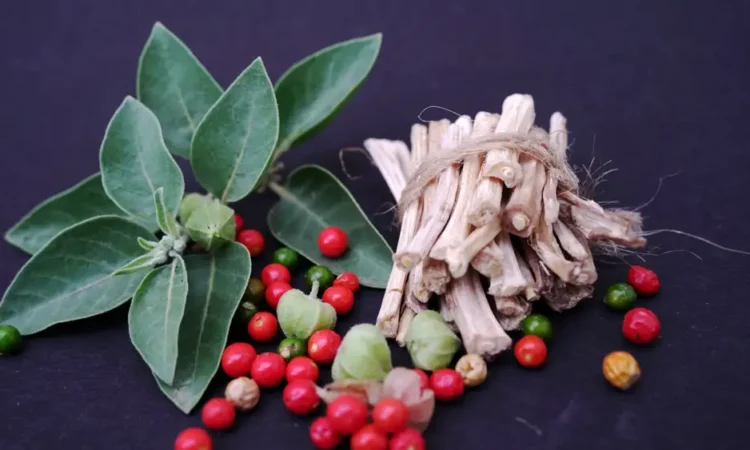
2. A Visual Description: Imagine a compact, plump shrub with soft, velvety leaves. That’s Ashwagandha in a nutshell. This evergreen boasts small, bell-shaped flowers that mature into red–orange berries, resembling miniature tomatoes or tomatillos.
3. A Legacy in Ayurvedic Medicine:
- Used for millennia in Ayurvedic medicine as a “path to rejuvenation.”
- Celebrated for enhancing vitality and overall well-being.
- Traditionally used for concerns like stress, fatigue, sleep issues, and sexual dysfunction.
- Remains a popular and versatile remedy, though further research is needed to fully understand its potential and any associated risks.
Ashwagandha: A Chemical Powerhouse
Ashwagandha (Withania somnifera) is valued for its rich array of bioactive compounds that may offer potential health benefits. Here’s a breakdown of its key chemical constituents:
- Withanolides: These steroidal lactones are Ashwagandha’s primary active components. Notable within this group are withanolides A-Y and the well-studied withaferin A.
- Alkaloids: Ashwagandha contains several alkaloids, including isopelletierine, anaferine, cuseohygrine, and anahygrine.
- Glycosides: The plant’s roots and leaves possess a variety of glycoside compounds, such as sitoindosides and withanamides.
- Polyphenols: Ashwagandha boasts polyphenols like catechin, kaempferol, and naringenin.
Health Benefits of Ashwagandha
Ashwagandha, a revered herb in Ayurvedic medicine for centuries, boasts a diverse range of potential health benefits thanks to its unique blend of bioactive compounds. Let’s delve deeper into some of the most studied areas:
1. Stress and Anxiety Reduction:
- Stress Buster: Ashwagandha’s adaptogenic properties shine in its ability to reduce stress, particularly in its root extract form. It helps the body adapt and resist stress by balancing stress hormones like cortisol, blood sugar, and triglycerides.
- Modulating the HPA Axis: This potential stress reduction might be linked to its influence on the HPA axis (the body’s stress response system), potentially by enhancing testosterone production.
- Holistic Approach: Ashwagandha’s impact on stress, anxiety, and sleep highlights its multifaceted role in promoting overall well-being.
2. Enhanced Immune System Function:
- Immune Support: Packed with antioxidants and withanolides, Ashwagandha offers significant support to the immune system. Withanolides, key components, enhance antibody production, crucial for fighting off pathogens.
- Boosting Macrophage Activity: Additionally, the herb increases nitric oxide, activating macrophages (immune cells) to better combat invading cells.
- Valuable Supplement: These immune-boosting properties make Ashwagandha a valuable supplement for supporting overall immune health.
3. Anti-inflammatory Properties:
- Reduces Inflammation: Ashwagandha effectively reduces inflammation by lowering C-reactive protein levels, helping maintain a balanced immune response.
- Enhances Natural Killer Cells: This anti-inflammatory action also bolsters the activity of Natural Killer cells, crucial for fighting tumors and viruses. Studies show Ashwagandha may increase Natural Killer cells, suggesting its potential as a natural anti-inflammatory remedy.
4. Improved Energy and Stamina:
- Combating Fatigue: Ashwagandha’s reputation for boosting energy and stamina stems from its unique components, particularly withanolides.
- Supporting Adrenal Function: These compounds help combat fatigue by supporting adrenal gland function, optimizing the body’s response to stress.
- Modulating Stress: The herb’s ability to modulate stress responses, thanks to withanolides, makes it popular among athletes and individuals seeking to enhance performance.
5. Cognitive Support and Brain Health:
- Neuroprotective and Anti-neurodegenerative: Ashwagandha showcases neuroprotective and anti-neurodegenerative effects, especially relevant for conditions like Alzheimer’s disease.
- Combating Alzheimer’s: In Alzheimer’s, abnormal protein (β-amyloid) accumulation damages brain cells. Ashwagandha may help by stabilizing microtubules and mitigating inflammation, highlighting its potential in supporting brain function and potentially addressing challenges associated with neurodegenerative conditions.
6. Ashwagandha’s Antibacterial Prowess:
- Combatting Bacterial Infections: Ashwagandha emerges as a valuable tool in managing bacterial infections, especially amidst rising drug resistance.
- Safe and Effective: Unlike antibiotics with potential side effects, Ashwagandha is considered safe and non-toxic.
- Multifaceted Approach: Studies confirm its efficacy against drug-resistant strains, including Staphylococcus aureus and Enterococcus spp., showcasing its multifaceted approach in combating bacterial infections.
7. A Natural Boost for Fertility and Sexual Wellness:
- Addressing Infertility: Ashwagandha exhibits promising potential in addressing infertility, particularly in men by improving sperm count, semen quality, and hormone levels.
- Enhancing Female Sexual Function: For women, it appears to contribute to sexual function, improving arousal, lubrication, and orgasm.
- Supporting Reproductive Health: These observations suggest Ashwagandha’s potential in supporting fertility and sexual well-being, making it a natural option for those seeking reproductive health support.
8. Ashwagandha and Hypothyroidism:
- Potential in Managing Hypothyroidism: Ashwagandha, packed with potent bioactive compounds like withaferin A, shows promise in managing hypothyroidism.
- Stimulating Thyroid Activity: Withaferin A exhibits antioxidant effects and stimulates thyroid activity, potentially aiding in normalizing thyroid function.
- Subclinical Hypothyroidism: Research indicates that Ashwagandha treatment, particularly for subclinical hypothyroidism (mildly low thyroid function), is effective in improving thyroid markers like TSH, T3, and T4 levels.
Potential Side Effects and Precautions of Ashwagandha
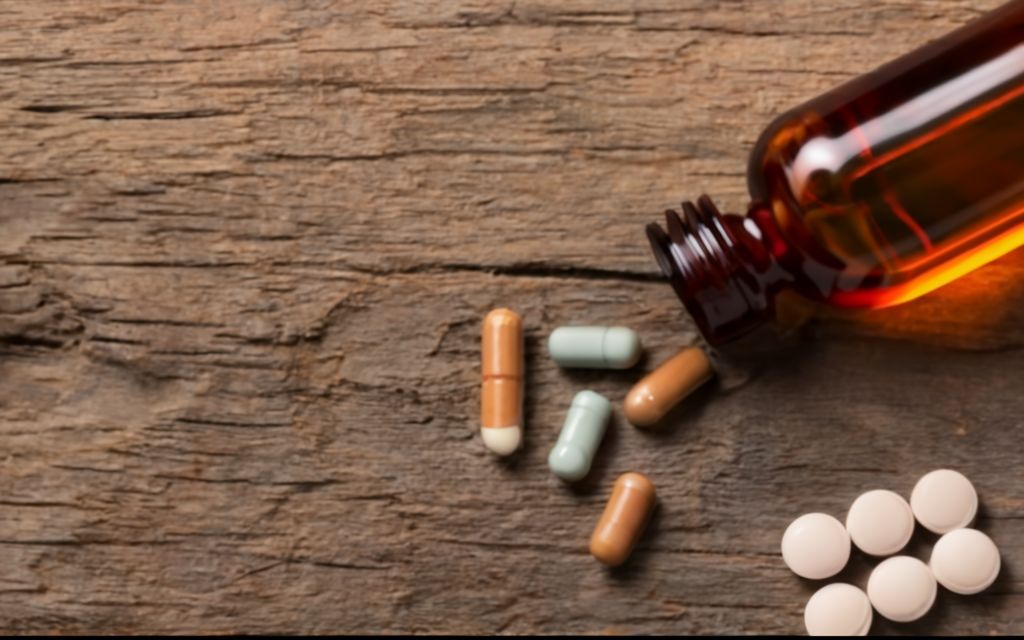
While generally safe, Ashwagandha is not without potential side effects and requires certain precautions:
1. Side Effects:
- Mild and temporary: Ashwagandha may cause mild side effects like stomach upset or drowsiness, usually temporary and well-tolerated.
2. Who should be cautious?
- Pregnant/breastfeeding women: Due to limited research, consult a healthcare professional before use.
- Existing medical conditions: Individuals with specific medical conditions should consult a healthcare professional before use to avoid potential interactions.
3. Dosage and Usage:
- Personalized approach: The recommended dosage can vary based on several factors, making personalized guidance from a healthcare professional crucial.
- Interaction with medications: Ashwagandha may interact with certain medications like immunosuppressants, sedatives, and thyroid medications. Always consult a healthcare professional, especially if taking prescription drugs.
4. General Guidelines:
- Start low: It’s recommended to begin with a lower dose (250-600 mg daily) and gradually increase if needed, monitoring your body’s response.
- Manufacturer instructions: Follow the instructions provided on the product label or consult a healthcare professional for personalized guidance.