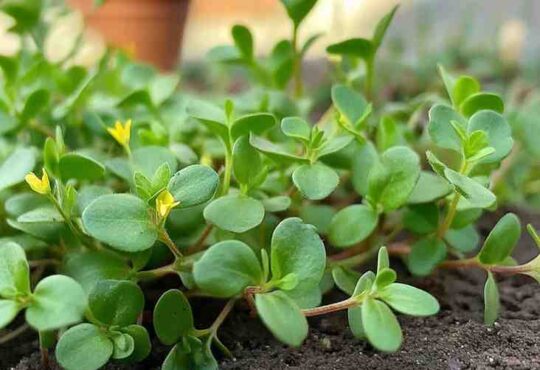



Aspalathus linearis Rooibos شاي الرويبوس 红灌木
Rooibos, scientifically known as Aspalathus linearis, is a herbal tea originating from the Cederberg region in South Africa. Widely known as “red bush tea,” it stands out for its unique flavor profile and potential health advantages. Unlike traditional teas, Rooibos is made from the dried leaves and stems of this native plant. Its intriguing history, diverse chemical composition, and reported health benefits make Rooibos a captivating subject for both researchers and tea enthusiasts.
Origin and Historical Background
Discovered by South Africa’s indigenous Khoisan people centuries ago, Rooibos gained attention from European settlers in the late 18th century. Cultivated for its medicinal properties, Rooibos holds cultural significance in South Africa, serving as a traditional remedy and an integral part of the nation’s heritage. Beyond its local roots, Rooibos has transcended borders, gaining international acclaim in recent decades. Enjoyed worldwide for its health benefits and distinctive taste, Rooibos has emerged as a caffeine-free and soothing alternative to conventional teas, marking its global popularity.
Rooibos Tea Processing
Fermented Rooibos: Fermented rooibos undergoes a traditional process where harvested leaves and stems are bruised, moistened, and left to ferment for 12 hours. This enzymatic oxidation transforms the green leaves into the characteristic amber-red hue. The final step involves sun-drying, completing its distinctive processing journey.
Unfermented Rooibos: Unfermented or green rooibos skips the fermentation step. Harvested leaves are promptly sun-dried, mirroring the process used for green teas. This results in a lighter-colored tea with heightened phenolic antioxidants, providing a distinct and vibrant alternative to its fermented counterpart.
Chemical Components of Rooibos
Flavonoid Composition: Rooibos tea, whether fermented or unfermented, exhibits distinct flavonoid profiles. In the unfermented variant, aspalathin dominates, comprising 84.5% of total flavonoids, while the fermented version contains a lower percentage. Notable flavonoids in aqueous extracts include quercetin, isoorientin, and nothofagin.
Additional Components: In addition to flavonoids, Rooibos tea includes various chemical components such as phenolic acids, oligosaccharides, and polysaccharides. Composition variations are influenced by processing methods and geographical origin, highlighting the intricate chemical diversity of Rooibos tea and its potential health benefits. I appreciate your patience, and thank you for bringing this to my attention.
Mineral-Enriched Elixir: Rooibos tea, sourced from the shrub Aspalathus linearis, presents a rich spectrum of essential minerals, including trace amounts of iron, calcium, potassium, manganese, copper, zinc, and fluoride. This well-rounded mineral composition, intricately designed by nature, not only contributes to the tea’s diverse flavor profile but also ensures optimal absorption of vital nutrients
Health Benefits of Rooibos
Rooibos Antioxidant Profile
Rooibos tea’s needle-like leaves and light-brown stems house potent polyphenolic antioxidants called chalconoids, featuring key antioxidants like aspalathin and nothofagin. These compounds play a vital role in shielding the body from free radicals, offering defense against degenerative diseases such as macular degeneration, Parkinson’s, and cancer. Additionally, other compounds like flavones (quercetin, vitexin, and luteolin) exhibit antibacterial, anti-tumor, and anti-inflammatory properties, underscoring the diverse health benefits associated with Rooibos tea consumption.
Potential Anti-Inflammatory Effects of Rooibos
While studies on Rooibos’ anti-inflammatory effects are limited, it shows promising immune-modulating properties. Rooibos, along with its components like aspalathin and nothofagin, has been linked to inhibiting inflammation in models of diabetic vascular issues. Some studies suggest that Rooibos could be an alternative to traditional anti-inflammatory drugs, as it reduces inflammation markers. More research is needed to draw firm conclusions, but these results suggest that Rooibos might have anti-inflammatory potential.
Impact of Rooibos on Heart Health and Blood Pressure
Rooibos tea’s antioxidant-rich composition is believed to benefit heart health by combating oxidative stress and inflammation, factors linked to cardiovascular problems. Studies suggest potential protective effects against lipid peroxidation and maintenance of crucial cellular components like glutathione. Rooibos may also exhibit anti-inflammatory properties by influencing key pathways and regulating redox-sensitive molecules, contributing to a healthier heart.
Rooibos Tea’s Potential for Blood Sugar Regulation
In considering Rooibos tea, attention turns to its potential impact on blood sugar regulation. Enriched with aspalathin, a potent antioxidant, Rooibos offers a natural solution for balancing blood sugar levels and combating insulin resistance. Preclinical studies suggest that aspalathin may help mitigate the effects of high blood sugar and associated inflammation, underscoring Rooibos’ potential in this aspect. While awaiting human trials for definitive results, Rooibos tea presents a refreshing and holistic avenue for understanding its role in promoting overall health through blood sugar management.
Possible Benefits for Digestive Health and Gut Microbiome
Rooibos, abundant in polyphenols, acts as a proven prebiotic, promoting beneficial gut bacteria growth and suppressing harmful strains. Studies reveal its capacity to reduce inflammation, potentially lowering disease risks. The polyphenol orientin in Rooibos shows promise in preventing colorectal cancer, while its anti-cramping and anti-diarrheal effects result from balanced ion actions in the gut, ensuring smooth muscle relaxation and reduced intestinal fluid release.
Exploring Diverse Benefits of Rooibos Tea
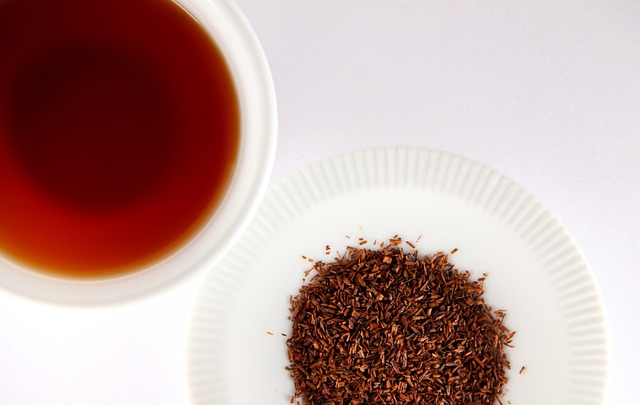
Skin Health and Anti-Aging: Rooibos tea, with its antioxidant and anti-inflammatory attributes, benefits skin health. Extracts protect skin cells from oxidative stress, prevent collagen degradation, and promote a youthful complexion. Studies also suggest potential wrinkle reduction and improved skin elasticity.
Caffeine-Free Soothing Elixir: Rooibos tea is caffeine-free, offering a soothing effect on the central nervous system. Suitable for all, including pregnant women and children, it can be consumed in unlimited amounts. Its caffeine-free nature, coupled with rich mineral content, makes it a popular choice for preventing and treating insomnia.
No Oxalic Acid Concerns: Rooibos stands out as it lacks oxalic acid, unlike some teas that may contribute to kidney stones or mineral absorption interference in excess. This absence makes Rooibos a favorable choice for those mindful of such concerns.
Promotes Weight Loss: Sipping rooibos tea supports weight management with its low-calorie, naturally sweet composition. Research indicates its potential to reduce stress hormones, curbing hunger and discouraging fat storage.
High in Vitamins: Rooibos tea is a vitamin powerhouse, especially rich in vitamin C for immune support. Its low tannin levels make it iron-friendly, and it provides essential minerals such as copper, zinc, calcium, manganese, magnesium, potassium, and fluoride.
Potential Side Effects and Considerations
While rooibos tea is generally well-tolerated, individuals may experience allergic reactions, presenting as itching, hives, or respiratory issues. If such symptoms arise, discontinuing rooibos consumption and seeking medical advice is crucial. Additionally, caution is advised regarding potential interactions with medications. Certain compounds in rooibos may affect the absorption or efficacy of specific drugs. If on prescription medications, consulting with a healthcare professional before incorporating rooibos into your regular routine is advisable for a comprehensive understanding of potential interactions.
FAQ
1. Is Rooibos a type of tea?
No, Rooibos is not derived from traditional tea leaves. It comes from the dried leaves and stems of the Aspalathus linearis plant, native to South Africa. However, it is commonly referred to as “red bush tea” due to its infusion process and similarities in preparation.
2. What are the potential health benefits of Rooibos?
Rooibos is recognized for its potential antioxidant properties, potentially reducing oxidative stress, and has reported anti-inflammatory effects. It’s associated with possible benefits for heart health, blood pressure regulation, and digestive well-being. However, further research is needed to confirm these health benefits conclusively.
3. Are there any side effects or risks associated with Rooibos?
Rooibos is generally safe. It does not naturally contain caffeine, except in some cases where it may be processed with tea leaves that have caffeine. If you have known allergies, it’s advisable to be cautious. Consulting with a healthcare professional is recommended for personalized advice, especially if you have specific concerns or medical conditions.
4. Can I consume Rooibos if I am on medications?
Rooibos is generally safe and does not have known interactions with medications. However, it’s always a good idea to consult with your healthcare provider if you are taking any specific medications to ensure there are no potential interactions or contraindications.