

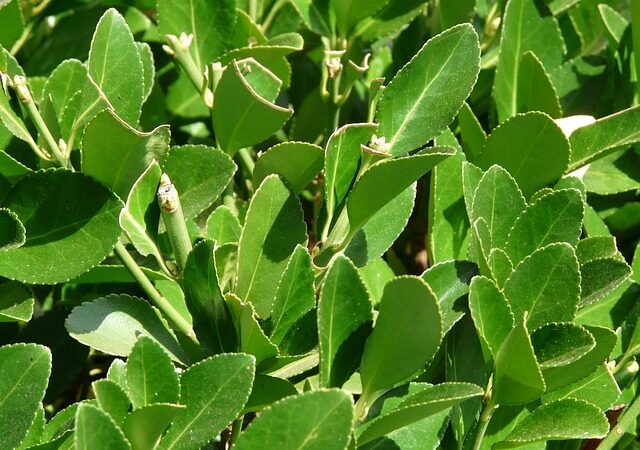
Laurus nobilis, Bay leaf, Defne yaprağı, ورق الغار – ورق سيدنا موسى, 月桂, Folha de louro, Lauro foglia, Laurbærblad, Feuille de laurier, Laurierblaadje, तेजपत्ता, Laurel leaf.
The Bay Laurel: A Timeless Treasure
Laurus nobilis, the Bay laurel, sweet bay, or simply bay tree, boasts a rich history and impressive versatility that transcends its role as a beloved culinary herb. Indigenous to the sun-drenched shores of the Mediterranean region, Southern Europe, North Africa, and parts of Asia, this evergreen wonder can reach majestic heights of 20 meters.
Aromatic Allure and Culinary Cornerstone: Prized for its glossy, deep green leaves, the Bay laurel reigns supreme as a cornerstone of Mediterranean cuisine. These aromatic leaves infuse dishes with a complex, slightly peppery flavor, elevating stews, soups, roasts, and countless other culinary creations.
Legacy in Traditional Medicine: The Bay laurel’s significance goes beyond the kitchen. With a rich history, its leaves hold a prominent place in traditional medicine. For centuries, cultures have utilized their properties to treat various ailments, from coughs and colds to bronchitis and chest infections. Historical records also point to their use for liver, stomach, and kidney concerns.
Symbol of Victory: The Bay laurel’s symbolic meaning adds another layer to its allure. In ancient Greece and Rome, the laurel wreath was a coveted symbol of victory, worn by triumphant athletes and revered leaders. This enduring association with achievement adds a touch of majesty to this versatile plant.
Bay Leaf: Nature’s Potent Phytochemicals
Bay leaves offer more than just a delightful aroma and flavor. Hidden within them lies a treasure trove of natural compounds called phytochemicals. These powerhouses are responsible for the herb’s unique properties and potential health benefits. Let’s explore the key players in this botanical symphony:
Essential Oils: Nature’s Fragrant Armor
Bay leaves boast a variety of essential oils, each contributing its own magic:
- Eugenol: This champion fights harmful microorganisms with its antimicrobial properties.
- Myrcene: This fragrant contributor adds to the overall delightful aroma of bay leaves.
- Cineole: Not only does cineole enhance the fragrance, but it may also offer additional health benefits.
- Linalool: This abundant essential oil doesn’t just smell good; it’s known for its anti-inflammatory and calming effects.
Polyphenols: A Team of Antioxidant Powerhouses
Another key group of phytochemicals found in bay leaves are polyphenols. These include:
- Flavonoids: This diverse group boasts potent antioxidants like catechins and quercetin. Think of them as tiny shields protecting your cells from damage.
- Catechins: These familiar antioxidants are also found in green tea and are known for their protective properties.
- Quercetin: This superstar flavonoid adds its strength to the bay leaf’s antioxidant team, further bolstering its defense system.
Tannins: A Touch of Astringency with Potential Benefits
Bay leaves also contain tannins, another type of polyphenol. These contribute to the herb’s slightly astringent taste and may offer antimicrobial and anti-inflammatory properties.
Bay Leaves: A Natural Arsenal of Health Benefits
Bay leaves offer more than just a delightful aroma in your cooking. This versatile herb boasts a treasure trove of natural compounds that contribute to a range of potential health benefits. Let’s delve into some of the key ways bay leaves might support your well-being:
1. Aiding Digestion and Easing Discomfort: Bay leaves contain tannins that stimulate digestive enzymes, promoting smoother digestion and preventing bloating and indigestion. Additionally, essential oils like eugenol and cineole act as carminatives, soothing the gastrointestinal tract and relieving discomfort associated with digestive issues.
2. Natural Pain Relief and Reduced Inflammation: Bay leaf essential oil (EO) is a potent natural pain reliever and anti-inflammatory agent. Eugenol and methyl eugenol, found in bay leaves, offer remarkable effectiveness, similar to clove EO, particularly for tooth pain caused by cavities or gingivitis. Bay laurel EO shines in its ability to soothe dental discomfort by providing both pain relief and numbing effects. Furthermore, the oil’s esters, like terpenyl acetate, showcase its strong anti-inflammatory properties, making it a potential aid for various inflammatory conditions.
3. Promoting Relaxation and Sleep: Bay laurel oil exhibits promise as a natural sedative. Studies suggest that its components, including pinene, eugenol, and methyl eugenol, contribute to a calming effect, potentially aiding relaxation and managing seizures.
4. Curbing Muscle Spasms and Fighting Microbes: Bay leaves possess impressive antispasmodic properties due to their ether and ester groups. Eugenol and methyl eugenol are particularly effective in relaxing muscles and alleviating digestive spasms. Additionally, terpinyl acetate, another key component, offers both antispasmodic and potent antimicrobial effects against fungi and skin infections. This highlights the multifaceted benefits of bay leaves, encompassing both muscle relaxation and fighting microbes.
5. A Potential Natural Nematicide: Bay leaf essential oil, along with its isolated compounds, shows promise as a natural alternative for controlling nematodes, particularly the southern root-knot nematode. This exciting area of research is driven by the need for safer alternatives to synthetic nematicides, which can have negative health and environmental impacts.
6. Unveiling Laurel’s Potential in Cancer Research: Laurel, particularly through its sesquiterpene lactones like costunolides, exhibits potential anticancer properties. Costunolide demonstrates a range of biological effects, including fighting inflammation and cancer cells. Its mechanisms involve hindering cell growth and promoting cell death, making it an intriguing subject for ongoing research into its potential benefits against various cancers.
Bay Leaves: A Global Flavor Enhancer
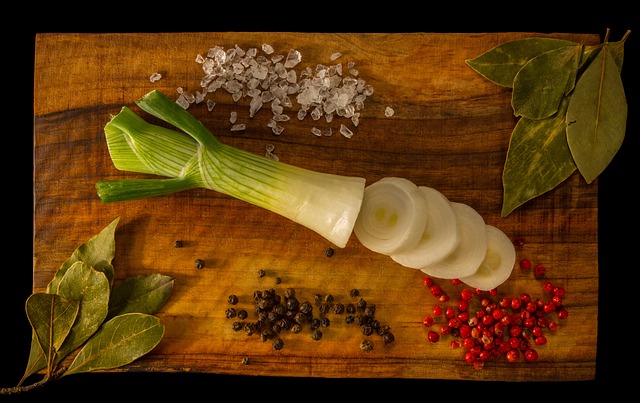
The humble bay leaf is more than just a pretty garnish; it’s a culinary workhorse that adds depth and complexity to dishes worldwide. From slow-cooked wonders like soups and stews to lighter fare like risotto and pasta sauce, bay leaves elevate flavors across cuisines.
A Mediterranean Staple, a Global Star: While bay leaves are a cornerstone of Mediterranean cuisine, their influence extends far beyond sun-drenched shores. They grace dishes in Indian curries, Middle Eastern stews, and European classics, showcasing their remarkable versatility.
The Flavor Enhancers: In the kitchen, bay leaves are versatile flavor enhancers, subtly infusing meat and fish dishes with their distinctive aroma. Beyond traditional use in simmering hearty meals, they add depth to broths, stocks, pickled vegetables, and marinades, partnering with herbs like parsley, thyme, and rosemary. Whether simmering in a rich beef stew or enhancing the complexity of a seafood paella, bay leaves elevate dishes to new heights with their subtle warmth and magic touch.
Aromatic and Versatile: Bay leaves are a testament to the power of simplicity. These aromatic leaves play a vital role in culinary craftsmanship, enriching a vast spectrum of dishes with their unique flavor. So, the next time you’re crafting a culinary masterpiece, don’t underestimate the power of the humble bay leaf – it might just become your secret weapon for creating globally-inspired flavor sensations.
Examples of Worldwide Dishes Featuring Bay Leaves:
- French: Bouillabaisse (fish stew from Provence)
- Italian: Minestrone soup (hearty vegetable soup with optional pasta)
- Indian: Chicken Tikka Masala (chicken marinated in yogurt and spices, cooked in a creamy tomato sauce – bay leaves are commonly added)
- Greek: Moussaka (layered eggplant casserole with ground meat, béchamel sauce – some variations include bay leaves)
- Moroccan: Tagines (stews simmered in a conical clay pot with vegetables, meat, and spices – bay leaves are a frequent addition)
- Spanish: Paella (seafood rice dish – bay leaves are often used for added depth of flavor)
- Brazilian: Feijoada (black bean stew with various cuts of pork and/or beef, often served with rice and farofa – bay leaves are a classic ingredient)
Dishes where bay leaf inclusion might be less common:
- Indian: Rogan Josh (spicy lamb curry with Kashmiri spices) – While some variations might incorporate bay leaves, it’s not a traditional ingredient.
- Filipino: Adobo (savory stew made with meat, seafood, or vegetables marinated in vinegar, soy sauce, garlic, peppercorns, and bay leaves) – Bay leaves are a core ingredient in most Adobo recipes.
- Middle Eastern: Mansaf (Jordanian national dish featuring tender lamb cooked in a yogurt sauce, served over flatbread with nuts and vegetables) – Bay leaves are not typically used in Mansaf.
Embracing Bay Leaves in Your Daily Diet
Laurus nobilis, the bay laurel, offers more than just a delightful aroma in your kitchen. Incorporating it into your daily routine can unlock a range of potential health benefits. Here are some easy ways to add bay leaves to your diet:
Flavorful Enhancements:
- Whole Bay Leaves: Add whole bay leaves directly to soups, stews, and sauces for a unique depth of flavor. Remember to remove them before serving, as they can be tough to chew.
- Infused Delights: Crush or tear bay leaves to release their aromatic oils more readily. Infuse them into broths, stocks, or even tea blends for a subtle yet intriguing taste and aroma.
Recipes for Wellness:
- Bay Leaf Tea: For a soothing and potentially digestion-boosting beverage, simmer bay leaves in water for 5 minutes, strain, and enjoy a warm cup. Additionally, some find bay leaf tea to have a calming effect.
- Bay Leaf-Infused Oil: Elevate your culinary creations with a fragrant homemade oil. Simply infuse extra virgin olive oil with dried bay leaves. Drizzle this flavorful oil on salads, grilled vegetables, or even use it for light sauteing.
Burning Bay Leaves: Tradition and Potential Benefits
Burning bay leaves is a practice steeped in tradition across various cultures. People often burn them for their:
- Pleasant Aroma: The smoke releases a fragrant scent that freshens indoor air and masks unwanted odors.
- Potential Purification: Some believe bay leaf smoke has antiseptic properties, helping to eliminate airborne germs and bacteria.
- Relaxation and Well-being: Many find the burning process creates a calming and soothing atmosphere, promoting mental and emotional comfort.
- Spiritual Significance: In some traditions, bay leaves are used to purify spaces and ward off negative energies.
Important Considerations:
- Scientific evidence supporting these benefits is limited, and individual reactions to bay leaf smoke may vary.
- Always practice fire safety when burning anything indoors. Ensure proper ventilation and avoid any risk of fire hazards.
Bay Leaves: Safety Considerations
While bay leaves (Laurus nobilis) are generally safe for most people, it’s important to be aware of potential side effects and precautions:
Possible Allergies:
In rare cases, some individuals may experience allergic reactions to bay leaves. This could manifest as skin irritation, itching, or redness after using or consuming them. If you experience any of these symptoms, discontinue use and consult a healthcare professional.
Safe Use Tips:
Here are some recommendations to ensure your bay leaf journey is a safe and enjoyable one:
- Less is More: Bay leaves pack a powerful flavor punch. Use them sparingly in your cooking – a little goes a long way!
- Quality Counts: Opt for high-quality bay leaves from reputable sources to minimize the risk of contamination or getting something other than true bay leaves.
- Storage Matters: To maintain their flavor and potency, store bay leaves in an airtight container in a cool, dry place.
- Consult Your Doctor: If you have any underlying health conditions, take medications regularly, or have any concerns about using bay leaves, talk to your doctor first.