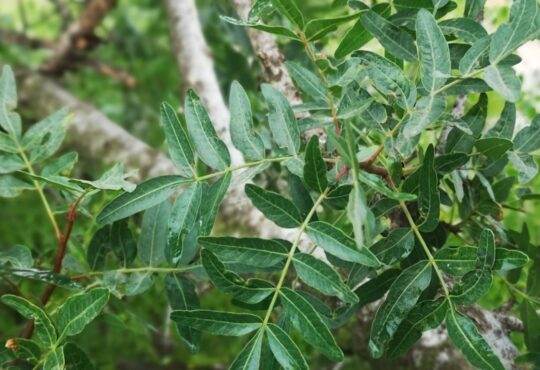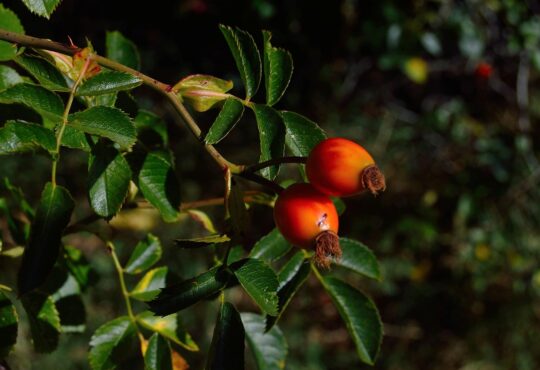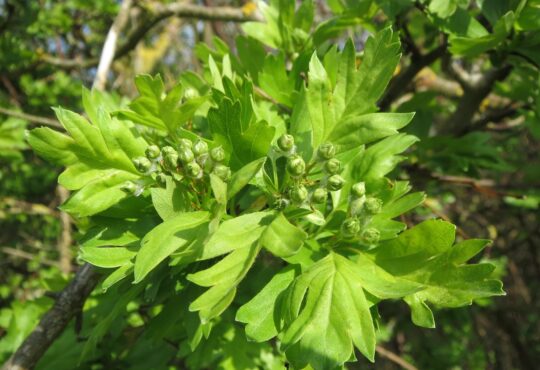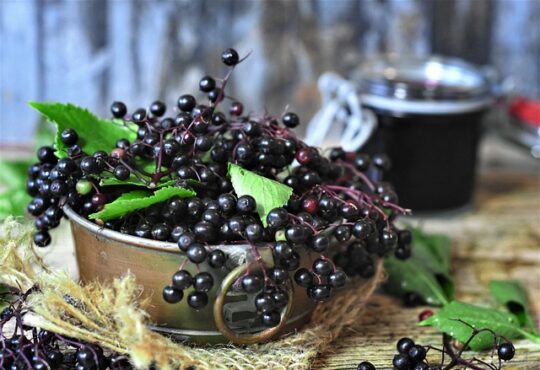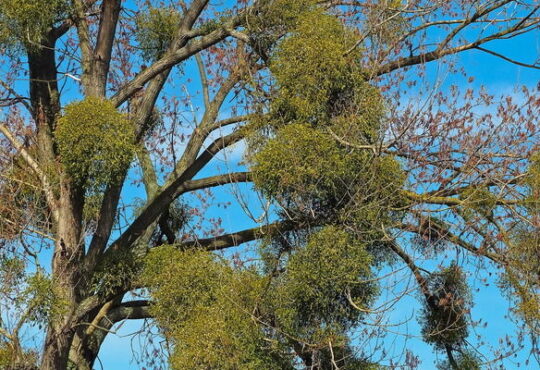


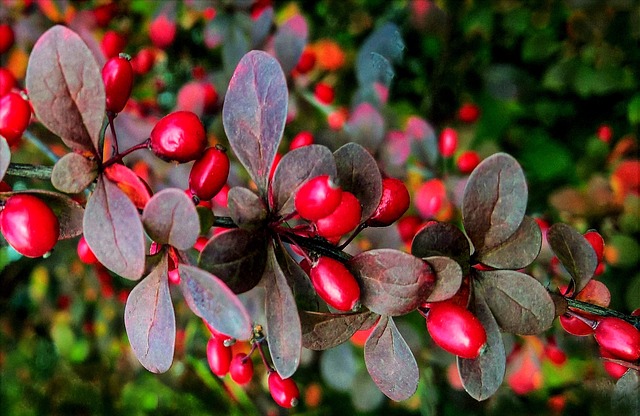
Berberis vulgaris, Barberry, عود الريح – برباريس, 刺檗, Épine-vinette, Gewöhnliche Berberitze, Zuurbes, Обыкновенный барбарис, Adi kadıntuzluğu, crespino comune.
What is Berberis Vulgaris?
Also known as barberry, Berberis vulgaris is a shrub with a fascinating past and promising future. It’s native to Europe, North Africa, and West Asia, thriving in temperate regions. Countries like Iran, Morocco, and Turkey boast an abundance of this shrub.
A History of Use in Medicine and Cuisine
Barberry boasts a rich history, playing a significant role in both traditional medicine and cuisine.
- Medicine: For centuries, various cultures have used barberry for its diverse medicinal benefits. From ancient Egypt and traditional Chinese medicine to Ayurveda, barberry has been used to support overall health and address various infections. In Arabian medicine, it’s valued for gut health and pancreatic support. Northern Europe utilized it for gallbladder and liver concerns, while Russia incorporated it for abnormal uterine bleeds and rheumatism.
- Cuisine: Barberry’s tart and acidic berries were historically used in many cultures, much like citrus peel is used today.
Chemical Components of Berberis Vulgaris
Berberine: The Key Alkaloid Berberine, a potent alkaloid found in Berberis vulgaris, has garnered attention for its diverse health benefits. Primarily known for its antibacterial properties, it’s commonly used in traditional medicine to treat gastrointestinal infections. Modern research has unveiled its broader therapeutic potential, including its role in combating cardiovascular diseases and its promising anticancer effects.
Other Active Compounds in Berberis Vulgaris
In various Berberis species, key compounds include:
- Berberine is an alkaloid featuring a nitrogen-containing structure. Notably concentrated in bark and roots, berberine is recognized for its diverse applications and health-related properties.
- Berbamine is a quinazoline-based alkaloid found in certain plant species, including various Berberis plants. Sharing structural similarities with quinine, berbamine has been studied for its potential pharmacological properties.
- Isoquinoline, a distinct structural element, is prevalent in Berberis alkaloids, including berberine. This bicyclic compound contributes to the unique characteristics and pharmacological potential of these plant components.
- Tannins: Recognized polyphenolic compounds, tannins in Berberis contribute antioxidant properties.
- Phenolic Compounds: Another class of phytochemicals that adds to antioxidant capacity.
- Sterols: Essential for cell membranes, enhancing the chemical richness of Berberis.
- Triterpenes: Compounds with diverse biological activities, further enriching Berberis composition.
Health Benefits of Berberis Vulgaris
1- Berberine’s Role in Metabolic Syndrome
Combating Cholesterol: Research shows berberine effectively lowers cholesterol, rivaling statins. It achieves this by:
- Activating AMPK: This enzyme curbs cholesterol and fat production while boosting their breakdown.
- Enhancing LDL Clearance: Berberine increases LDL receptor expression, facilitating LDL removal from the bloodstream.
Addressing Obesity: Studies suggest berberine may be a weapon against obesity. It helps:
- Reduce Fat Mass: Berberine promotes browning of white fat tissue, which burns calories.
- Increase Energy Expenditure: It enhances thermogenesis, the body’s heat production process that burns calories.
- Improve Insulin Sensitivity: Berberine aids in proper glucose uptake, reducing fat storage.
2- Anti-Inflammatory Properties
Berberis vulgaris, especially its primary component berberine, showcases notable anti-inflammatory properties. This is achieved by modulating the immune system, influencing cell responses, and suppressing inflammatory signals like cytokines. Berberis emerges as a natural and promising solution for tackling inflammation, providing potential relief for individuals dealing with inflammatory conditions.
3- Antioxidant Effects
Berberine (BBR) boasts significant antioxidant and anti-inflammatory properties, positioning it as a promising therapeutic option for conditions like diabetes and insulin resistance. Its efficacy involves influencing cellular kinases and pivotal signaling pathways. BBR’s remarkable ability to inhibit oxidative stress is instrumental, and its antioxidant capacity plays a critical role in providing neuroprotection. This is achieved through both direct scavenging activity and the upregulation of essential pathways.
4- Potential Anti-Cancer Properties
Berberis stands out as a potent ally against cancer, effectively curbing the uncontrolled growth of cells in breast, liver, and colon cancers. Both aqueous and alcoholic extracts demonstrate significant anti-proliferative effects, with ethanolic extracts proving more effective, likely due to their richer phenolic and anthocyanin content.
5- Cardiovascular Health Benefits
Berberis vulgaris demonstrates promising cardiovascular benefits, encompassing blood pressure reduction, enhanced cardiac contractility, and potential protection against reperfusion injury. While ongoing research aims to unravel the specific mechanisms behind these effects, B. vulgaris exhibits the ability to modify crucial cardiovascular risk factors, including oxidative stress, hyperglycemia, and hyperlipidemia.
6- Digestive Health Support
Barberry root, known for its bitterness, functions as a digestive tonic and gentle laxative, contributing to overall digestive health. Recent studies emphasize its astringent and antimicrobial attributes, demonstrating effectiveness in addressing gastrointestinal issues like bacterial diarrhea with minimal side effects. Berberine, a significant component in barberry, has a historical reputation for effectively treating diarrhea and dysentery, displaying promising outcomes in reducing stool volume and expediting recovery.
7- Antibacterial and Antifungal Potential
Berberis vulgaris extracts exhibit potent antioxidant, antifungal, and antibacterial properties, with effectiveness linked to their phenolic content. Both leaf and root extracts display bioactivity against a variety of microorganisms, including multi-resistant pathogens such as Escherichia coli (E. coli) and Candida albicans. This suggests their potential as natural agents for combatting infections
8- Neuroprotective Effects of Berberis Extracts
Studies suggest Berberis extract and its key component, berberine, may offer protection for brain cells. They appear to improve brain cell survival and potentially regulate cell death, a key factor in Alzheimer’s. Berberine, especially when combined with the extract, showed even greater promise. This exciting research highlights the potential of Berberis components in fighting Alzheimer’s and paves the way for further exploration of natural therapies for neurodegenerative diseases.
Berberis Fruit: A Nutritional Powerhouse
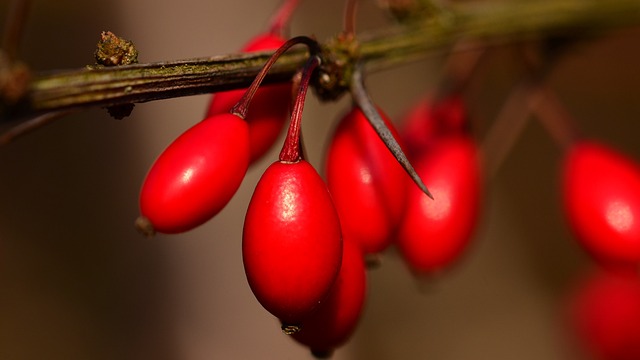
Berberis fruit boasts an impressive array of nutrients, making it a valuable addition to your diet in both fresh and dried forms. Here’s what sets it apart:
- Essential Components: Berberis is packed with flavonoids, the powerful berberine alkaloid, vitamins like immune-boosting vitamin C, and beneficial organic acids like chlorogenic and caffeic acid.
- Mineral Power: It’s not all about vitamins! Berberis also boasts a good amount of iron, a crucial mineral for oxygen transport in the body.
- Versatility and Health Benefits: This diverse nutritional profile makes berberis a versatile ingredient with potential health benefits. It can be enjoyed fresh or dried, opening doors for innovative and nutritious products.
Berberis Vulgaris: Key Cautionary Notes
Promising Plant, But Caution Advised
Berberis Vulgaris, with its star player berberine, offers exciting therapeutic possibilities. However, it’s crucial to be aware of potential downsides:
- Moderate Toxicity: Berberine can have a moderate level of toxicity, especially when combined with certain medications. This is because it can interfere with how the body processes these drugs, potentially increasing their effects or side effects.
- Drug Interactions: The active ingredients in Berberis Vulgaris can significantly impact how your body metabolizes other drugs. To avoid unwanted interactions, discuss any medications you’re taking with your healthcare provider before starting Berberis Vulgaris.
- Pregnancy and Nursing: Pregnant or nursing individuals should exercise extreme caution with Berberis Vulgaris due to possible effects on uterine contractions. Always consult your doctor before considering its use during these times.
Exploring Different Forms
- Extracts: Available in capsules, tinctures, and teas, these concentrated forms provide a convenient way to reap potential benefits.
- Topical Applications: For targeted use, creams and ointments containing Berberis Vulgaris might be available.
Finding the Right Dose
- Manufacturer Recommendations: Always follow the instructions on the product label or consult your healthcare provider for guidance on appropriate dosage based on the specific form and your health goals.
- Start Low, Go Slow: Begin with the lowest recommended dose and gradually increase if needed. Remember, safety and effectiveness come first.
FAQ
1. Are there any known side effects of using Berberis vulgaris?
Berberis vulgaris is generally safe for consumption when used appropriately. However, some individuals may experience side effects such as stomach upset, diarrhea, or allergic reactions. It is important to follow recommended dosages and consult with a healthcare professional before starting any new herbal supplement.
2. Can Berberis vulgaris interact with medications?
Yes, Berberis vulgaris has the potential to interact with certain medications. It may interfere with the absorption and metabolism of drugs, particularly those metabolized by the liver. If you are taking any medications, it is advisable to consult with your healthcare provider before using Berberis vulgaris to avoid any potential interactions.
3. Can pregnant or nursing women consume Berberis vulgaris?
It is generally recommended for pregnant or nursing women to avoid the use of Berberis vulgaris due to limited safety data. The alkaloids present in this plant may have an effect on pregnancy and breastfeeding. It is best to consult with a healthcare professional before using Berberis vulgaris during pregnancy or while nursing.
4. How should Berberis vulgaris be consumed?
Berberis vulgaris can be consumed in various forms, including capsules, extracts, or as dried berries. The dosage and form of consumption may vary depending on the specific health condition or desired effect. It is important to follow the recommended dosage instructions provided by the manufacturer or consult with a healthcare professional for appropriate usage and dosage recommendations.