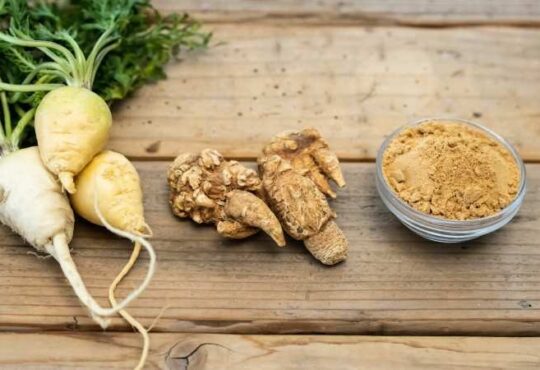


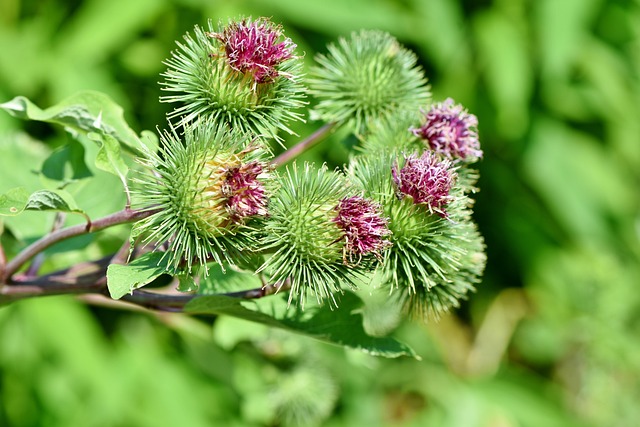
Arctium lappa, Burdock, اللصـيـقـة – أرقطيون, 牛蒡, Bardane, Große Klette, Grote klit, Storborre, Лопух (Lopukh), Κολλιτσίδα (Kollitsída), Dulavratotu, Bardana.
What is Burdock?
Burdock (Arctium lappa) is a unique plant native to Europe and Asia. This biennial, meaning it completes its lifecycle in two years, stands out with its large, heart-shaped leaves. But the most interesting feature might be the burrs that cling to fur or clothing, cleverly aiding seed dispersal.
A Plant with Many Uses: Burdock’s fame goes beyond its clinging tactics. It’s a culinary delight in some parts of the world, particularly the root, which is prized for its taste and nutrients. But burdock’s true claim to fame lies in its medicinal properties. For centuries, traditional Chinese and Ayurvedic medicine have used burdock for various ailments.
A Global Traveler: Originally from places like England, France, Japan, and China, burdock has become a world citizen. This adaptable plant has spread its reach across continents, captivating people with its versatility for centuries.
Enduring Appeal: Burdock’s journey from a wild plant to a valued medicinal and culinary ingredient speaks volumes about its enduring appeal. Even today, it remains a symbol of cultural appreciation and a testament to the power of natural resources.
Burdock’s Chemical Powerhouse: A Look at Key Components
Burdock’s roots are a treasure trove of beneficial compounds, making them a powerful addition to any herbal remedy. Here’s a breakdown of some key players, categorized by their chemical groups and location within the plant:
Prebiotics: Burdock boasts a significant amount of inulin, a type of fiber that feeds the good bacteria in your gut, promoting digestive health. (Prebiotics: These are non-digestible fibers that benefit gut health by promoting the growth of good bacteria.)
Antioxidants and Anti-Inflammatory Powerhouses:
- Flavonoids: This group of antioxidants graces burdock stems. It includes rutin, myricetin, quercetin, apigenin, and kaempferol, each offering unique health benefits. (Flavonoids: A class of plant compounds known for their antioxidant and anti-inflammatory properties.)
- Lignans: Found primarily in the roots, lignans include arctigenin and arctiin.
- Caffeoylquinic Acids: These acids, with derivatives like chlorogenic acid and dicaffeoyl compounds, also contribute to the roots’ chemical profile.
Building Blocks and Diverse Compounds:
- Monosaccharides and Polysaccharides: Burdock contains various sugars like mannose, glucose, fructose, and galactose, along with fructooligosaccharides (a type of complex sugar).
- Triterpenoids: The roots, especially during vegetative stages, are rich in triterpenoids like betulinic acid, oleanolic acid, and lupeol.
Burdock: A Potent Herb for Overall Wellnes
Burdock offers a range of health benefits thanks to its unique blend of chemical components. Let’s explore some of the key ways burdock can support your well-being:
Digestive Powerhouse: Burdock is a champion for your gut health. Its star player is inulin, a prebiotic fiber that nourishes beneficial gut bacteria. This “good” bacteria helps regulate digestion, prevent constipation, and promote overall digestive well-being.
Liver Support and Detoxification: Burdock’s inulin keeps your digestive system moving smoothly, preventing toxins from being reabsorbed in the intestines. It also supports the liver’s natural detoxification process. Burdock is rich in polyphenols like quercetin and luteolin, which act as antioxidants to protect the liver from damage.
Anti-inflammatory Properties: Burdock contains powerful compounds like quercetin, luteolin, and chlorogenic acid known for their antioxidant and anti-inflammatory effects. This makes burdock a potential ally in managing conditions like arthritis and osteoarthritis. Studies suggest it may regulate cytokine levels, promoting the production of anti-inflammatory compounds while reducing inflammatory ones. Additionally, arctigenin from burdock seeds may help suppress inflammation by shifting immune cells to an anti-inflammatory state.
Anti-tumor Properties: Burdock root shows promise in inhibiting tumor growth, with compounds like chlorogenic acid, caffeic acid, and cynarin identified as potential markers for its anti-tumor effects. Further research is needed to understand the mechanisms and clinical implications of burdock root’s anti-tumor activity.
Sugar Regulation: Burdock shows promise in managing diabetes. Studies suggest that extracts from burdock root can improve the body’s ability to use glucose (sugar) and reduce insulin secretion, leading to lower blood sugar levels. Components like arctigenic acid and fructooligosaccharides are believed to contribute to these effects.
Skin Health and Acne Treatment: Burdock root is a friend to your skin, both internally and externally. It’s traditionally used to purify the blood and address skin concerns like eczema and psoriasis, likely due to its detoxifying properties. Burdock is rich in antioxidants like phenolic acids, luteolin, and quercetin, as well as essential minerals like magnesium, selenium, zinc, and calcium. These work together to combat acne and eczema while promoting healthy skin. Interestingly, burdock root extract may even reduce wrinkles by supporting skin detoxification and renewal.
Antimicrobial Effects: The leaves of A. lappa exhibit significant antimicrobial properties, making them potential candidates for intracanal dressings in endodontic treatments. They inhibit microbial growth in comparison to calcium hydroxide, commonly used in such procedures. Moreover, A. lappa leaf extract enhances the antimicrobial activity of antibiotics against various Gram-positive and Gram-negative bacteria. Notably, supercritical CO2 + EtOH extraction of A. lappa leaves demonstrates antibacterial effects against Staphylococcus aureus.
Neuroprotective Effects: A. lappa root extracts offer promising neuroprotective benefits against oxidative stress and apoptosis. These extracts suppress phosphorylation of MAPKs (Mitogen-Activated Protein Kinases), combat neurotoxicity induced by hydrogen peroxide and glutamate receptor in synaptic transmission, and regulate miRNA expression for enhanced protection. Compounds like arctigenin and caffeoylquinic acid derivatives exhibit scavenging properties and modulate glutamate receptors, contributing to overall neuroprotection.
Anti-Obesity Effect: A. lappa root extract exhibits promising potential in combating obesity by influencing adipogenesis and thermogenesis. This extract impacts lipid metabolism and aids in weight loss by modulating key genes associated with these processes. Through its ability to regulate these pathways, A. lappa presents a natural and effective strategy for managing obesity.
Burdock Culinary Exploration
Burdock, often relegated to the realm of herbal remedies, boasts a surprising versatility in the kitchen. This unassuming root, packed with a robust nutritional profile, adds a unique depth of flavor to various dishes around the world. Its earthy yet slightly sweet character complements a range of ingredients, making it a delicious and healthy addition to your meals.
Exploring Burdock’s Culinary Potential:
- Stir-Fried Delight: Experience the magic of burdock in a quick and flavorful stir-fry. Simply julienne the root and sauté it with soy sauce, ginger, and garlic.
- Hearty Burdock Soup: For a comforting and nutritious meal, simmer burdock with your favorite broth, carrots, onions, and mushrooms until the vegetables are tender-crisp. This hearty soup is perfect for chilly days.
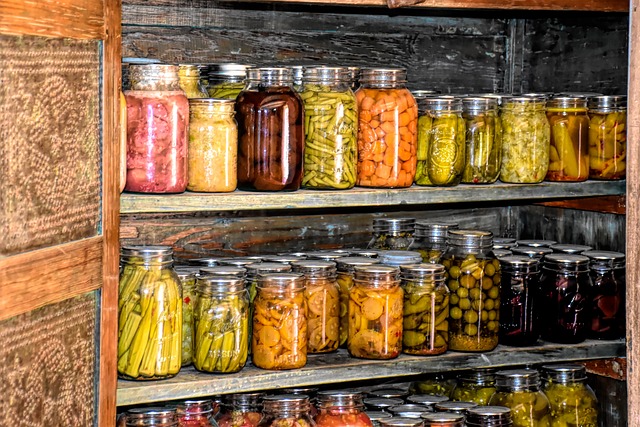
- Tangy Pickled Burdock: Transform burdock into a delightful side dish with a burst of flavor. Thinly slice the root and pickle it in a balanced combination of rice vinegar, sugar, and salt. Enjoy the resulting tangy and crunchy treat alongside your main course.
- Sesame-Kissed Salad: Create a refreshing and flavorful salad by julienning burdock and tossing it with a light dressing of sesame oil, soy sauce, and toasted sesame seeds. This salad is a perfect accompaniment to grilled meats or fish.
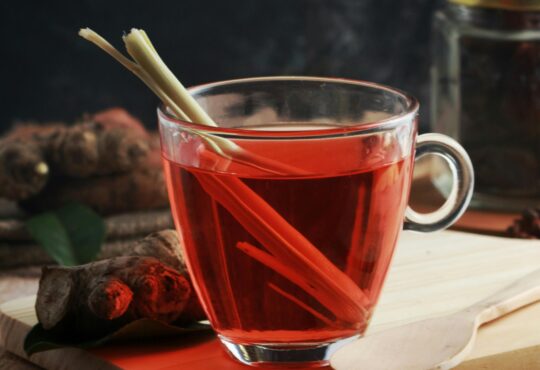
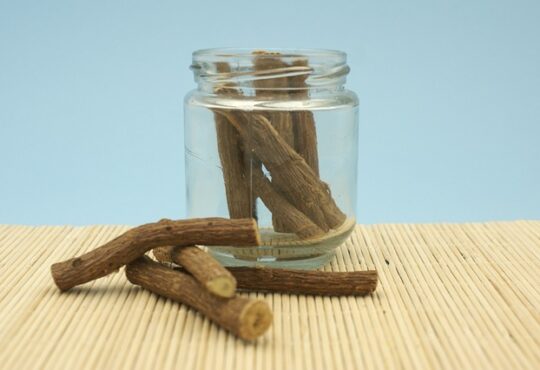
- Soothing Burdock Tea: Unwind with a cup of calming burdock tea. Simply steep dried burdock root in hot water for a soothing and naturally caffeine-free beverage.
Burdock in Korean Cuisine: While there’s no dish called Dubdari in Korean cuisine, burdock features prominently in several Korean favorites. Here are a couple of examples:
- Spicy Seafood Stir-Fry (Oiseon): Julienned burdock mingles with squid, shrimp, and vegetables in this flavorful stir-fry. A savory sauce, often featuring gochujang (Korean chili paste), adds a spicy kick.
- Braised Burdock (Ueong Jorim): Tender and savory burdock root is achieved by braising it in a flavorful broth infused with soy sauce, mirin (sweet rice wine), and other seasonings.
Beyond the Recipes: Explore burdock’s culinary adventures further! In Japan, it’s a key ingredient in Kinpira Gobo, a stir-fry featuring burdock and carrots simmered in a sweet and savory sauce. So, the next time you’re at the market, pick up some burdock and embark on your own delicious journey!
Burdock: A Potent Herb, But Caution Advised
Burdock offers a range of potential health benefits, but it’s important to be aware of its downsides before incorporating it into your routine. Here’s what to keep in mind:
Potential Side Effects:
- Allergic Reactions: Burdock can trigger allergic reactions in some people. Symptoms may include itching, rashes, or even breathing difficulties. If you experience any of these, discontinue use and consult a doctor.
- Drug Interactions: Burdock can interact with certain medications. If you take prescription drugs, talk to your doctor before using burdock to avoid any potential complications.
- Digestive Issues: People with sensitive stomachs may experience digestive discomfort or diarrhea after consuming burdock. Start with a low dose and pay attention to your body’s response.
Safe Consumption Practices:
- Start Low, Go Slow: Always introduce burdock in small amounts initially, gradually increasing the dose if tolerated well.
- Consult a Doctor: Pregnant or breastfeeding women, children, and those with underlying health conditions should consult a healthcare professional before using burdock.
- Source and Moderation: Ensure you obtain burdock from a reputable source and consume it in moderation.