

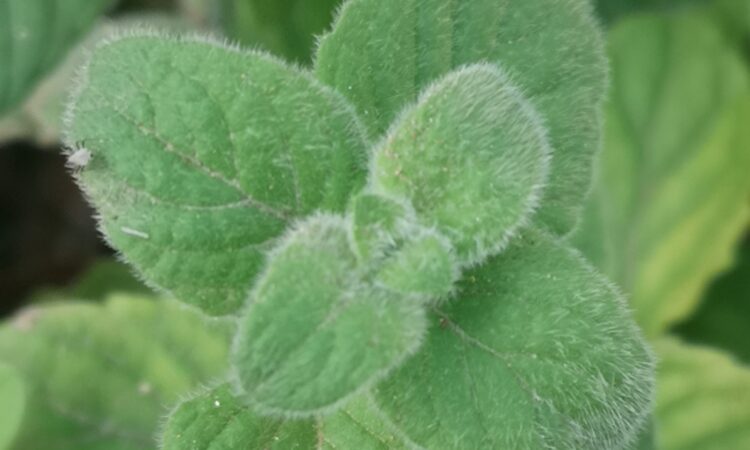
Clinopodium nepeta (synonym: Calamintha nepeta), Lesser calamint, فوتنج – مانتا (Fottinj – Manta- Nabta), 薄荷荆芥 , Calament ,Calaminta, Kleinblütige Bergminze, nébeda, Дивљи босиљак.
What is Lesser Calamint?
Clinopodium nepeta, also known as lesser calamint, is a charming member of the mint family. This versatile plant thrives in both the wild and cultivated settings, offering a delightful fragrance and a stunning display of white to purple blooms for over six weeks.
Easy to Care for and Compact:
Lesser calamint is a dream for gardeners of all levels. Its compact size and undemanding nature make it perfect for various zones. It resists pests and maintains a well-behaved form, requiring minimal maintenance.
Perfect for Pathways and Containers:
Plant lesser calamint along pathways or in containers to fill your garden with its pleasant aroma. Its presence creates a sensory-rich environment and attracts a diverse array of pollinators with its abundant flowers.
A Versatile Gem for Every Garden:
Lesser calamint shines as a filler plant, seamlessly supporting taller flowers and integrating beautifully into various garden designs. Whether planted in pollinator gardens, perennial borders, rock gardens, or meadows, it adds a touch of reliability, ease of care, and enduring beauty. This captivating plant is an essential addition to any perennial garden.
A Mediterranean Gem with Ancient Roots
Lesser Calamint: A Beloved Herb with a Rich History
Lesser Calamint boasts a fascinating past, cherished by civilizations for centuries. From ancient Egyptians, Romans, and Greeks, all revered its aromatic qualities and medicinal properties. Legends even whispered of its power to ward off evil spirits and witchcraft! Today, this herb continues to captivate gardeners and herbal enthusiasts alike.
A Mediterranean Native Thrives in Your Garden
Hailing from sunny Southern Europe, particularly the Mediterranean, Lesser Calamint flourishes in countries like Italy, Greece, and Spain. In the wild, you’ll find it gracing rocky landscapes, meadows, and roadsides.
Adaptable Beauty for All Climates
Lesser Calamint thrives in sunny spots with well-drained soil. It’s surprisingly tolerant, handling both dry and humid conditions. This adaptability makes it a perfect addition to gardens across diverse climates. Throughout the growing season, it rewards you with a burst of color and delightful fragrance.
Chemical Components of Lesser Calamint
Essential Oils: The flowering tops contain essential oils rich in monoterpenes, such as menthol and pinene. These contribute to the plant’s delightful fragrance and potential health benefits (antibacterial, antifungal, antiviral).
Chemotype Variations: Interestingly, Lesser Calamint exhibits three main chemotypes, each dominated by a specific essential oil component:
- Pulegone Chemotype :
- (a) Pulegone with menthone/isomenthone, menthol and its isomers: This variant combines pulegone with other minty-smelling compounds.
- (b) Pulegone with piperitenone or piperitone and piperitenone oxides: This variant has pulegone alongside slightly different terpenes.
- Piperitone Oxide Chemotype: Characterized by a high concentration of piperitone oxide, an oxygenated monoterpene.
- Carvone Chemotype: Rich in carvone, another oxygenated monoterpene.
- Additional Components: Lesser Calamint also contains a small amount (up to 5%) of unspecified sesquiterpenoids, which might contribute to its overall properties.
Exploring Lesser Calamint: Potential Unveiled
Lesser Calamint boasts a remarkable range of potential health benefits and applications, supported by ongoing scientific research. Let’s delve deeper into its diverse offerings:
1. Bolstering Your Defenses: Antioxidant Powerhouse
Recent studies highlight Lesser Calamint as a rich source of natural antioxidants, particularly phenolic compounds and carotenoids. These antioxidants act like tiny shields, neutralizing harmful free radicals. Imagine free radicals as rust particles damaging your cells. Antioxidants neutralize these free radicals, potentially lowering the risk of chronic diseases.
2. Calming the Storm: Anti-inflammatory Effects
Lesser Calamint’s chemical makeup suggests promising anti-inflammatory properties. This raises the possibility of using it to manage conditions like arthritis or inflammatory bowel disease, by potentially reducing inflammation in the body. Specific terpenes and flavonoids within the plant are believed to be key players in this effect.
3. Digestive Aid: A Friend to Your Gut
Traditional wisdom meets modern science as Lesser Calamint emerges as a digestive health ally. Its essential oils, likely containing monoterpenes like menthol and pulegone, might help alleviate bloating, cramping, and indigestion. Additionally, the herb’s potential antimicrobial properties could contribute to a balanced gut microbiota, promoting overall digestive well-being.
4. Breathing Easier with Lesser Calamint
The delightful aroma of Lesser Calamint isn’t just pleasant, it might also benefit your respiratory health. Long used for coughs, colds, and congestion, the herb’s active compounds like thymol act as expectorants, helping loosen mucus and expel it from the airways. Additionally, Lesser Calamint might possess decongestant properties, further promoting easier breathing.
5. Combating Microscopic Threats: Antimicrobial Efficacy
Studies reveal that Lesser Calamint’s essential oils effectively fight a broad spectrum of bacteria and fungi. These oils disrupt the cell membranes and enzyme systems of microbes, hindering their growth and function. Different components within the oil might even work together to enhance their overall effectiveness against pathogens.
Beyond Health Benefits:
- Natural Insect Repellent and Insecticide: Lesser Calamint essential oils (EOCN) show promise as a natural insect repellent and insecticide. Studies reveal its toxicity against various insects while exhibiting minimal harm to honeybees.
- Potential Bioherbicide: Lesser Calamint’s foliar volatiles and essential oils exhibit potential for weed control. Research suggests they can inhibit seed germination and root growth in certain plant species.
Traditional Uses and Scientific Support:
- Gastrointestinal Relief: In traditional medicine, Lesser Calamint leaves are used for treating digestive problems due to their eupeptic and carminative effects. Studies support this use, demonstrating the effectiveness of Lesser Calamint oil in reducing gastric acid secretion and protecting the gastric mucosa, potentially aiding in treating gastric ulcers.
Culinary Marvels with Lesser Calamint
Italy:
- Fusilli With Pecorino and Calamint: Classic pasta dish with fusilli, Pecorino cheese, and fresh Calamint leaves for a herbal aroma.
- Pasta with Ricotta, Zucchini, Tomatoes & Calamint: Light pasta dish with ricotta, zucchini, tomatoes, and fragrant Calamint leaves.
- Roman Artichokes (Carciofi alla Romana) with Calamint: Traditional Roman artichokes cooked with olive oil, garlic, and fresh Calamint leaves.
- Porcini Mushroom Risotto with Calamint: Indulgent risotto with Arborio rice, porcini mushrooms, and fresh Calamint leaves for a subtle herbal note.
- Egg-Based Soup with Lesser Calamint: Italian egg-based soup seasoned with fresh Lesser Calamint leaves, tomato sauce, garlic, and parsley.
Georgia:
- Green Tkemali Sauce with Lesser Calamint: Traditional Georgian green sauce with sour plums, garlic, herbs, and spices, enhanced with fresh Lesser Calamint leaves.
France:
- Salade de Quinoa et de Légumes Parfumée au Calament Népéta: Refreshing salad with quinoa and vegetables, delicately perfumed with aromatic Calamint Nepeta.
Morocco:
- Black Olive Infused with Lesser Calamint Fresh Herbs: Moroccan black olives infused with the aromatic essence of Lesser Calamint leaves.
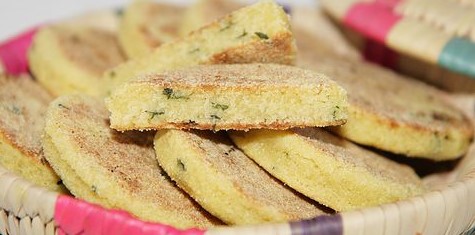
- Bread Stuffed with Chopped Fresh Lesser Calamint Leaves: Moroccan bread stuffed with fresh Lesser Calamint leaves, baked to perfection for a herbal twist.
- Dried Figs Infused with Fresh Calamint Leaves: Moroccan dried figs infused with the refreshing flavor of fresh Calamint leaves, offering a unique blend of sweetness and herbal freshness.
Recommended Dosage and Usage
While Lesser Calamint boasts a long history of culinary and traditional medicinal use, caution is always advisable. Here’s what to keep in mind:
- Moderation is Key: Just like any herb or supplement, it’s best to start with small amounts, especially when incorporating Lesser Calamint into your cooking or herbal teas.
- Consult a Healthcare Professional: If you’re considering using Lesser Calamint for therapeutic purposes, consult with a doctor or qualified healthcare professional first. They can help you determine the appropriate dosage and ensure it won’t interfere with any medications you’re currently taking.
- Know Your Allergies: Avoid Lesser Calamint if you have known allergies to plants in the mint family.
- Medications and Interactions: Be aware of potential interactions with medications you’re taking. If you’re unsure, talk to your healthcare provider before using Lesser Calamint.
| Frequently Asked Questions (FAQ) 1. Is Lesser Calamint safe to consume? Lesser Calamint is generally considered safe for consumption when used in moderation and as part of a balanced diet. However, it’s always advisable to consult with a healthcare professional before incorporating any new herb or supplement into your routine, especially if you have any underlying health conditions or are taking medications. 2. Can Lesser Calamint be used as a substitute for other herbs in cooking? Yes, Lesser Calamint can be used as a substitute for other herbs in cooking. Its aromatic and slightly minty flavor adds a unique touch to various dishes. However, it’s important to note that the potency and taste of Lesser Calamint may differ from other herbs, so it’s recommended to start with smaller quantities and adjust according to personal preference. 3. Are there any known side effects or interactions with medications? While Lesser Calamint is generally safe, some individuals may experience allergic reactions or digestive discomfort upon consumption. Additionally, specific interactions with certain medications are not well documented. It is always best to consult with a healthcare professional or a qualified herbalist if you have concerns about potential interactions with your medications or existing health conditions. 4. Can Lesser Calamint be used during pregnancy or breastfeeding? Pregnant or breastfeeding individuals should exercise caution when using Lesser Calamint or any herbal remedies. As there is limited research on the safety of Lesser Calamint in these circumstances, it is advisable to consult with a healthcare professional before using it during pregnancy or while breastfeeding to ensure the well-being of both the mother and the baby. |