

The Carob Tree: A Mediterranean Evergreen with a Rich History
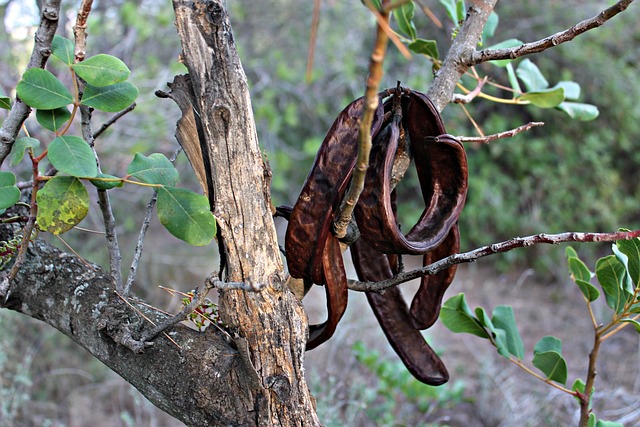
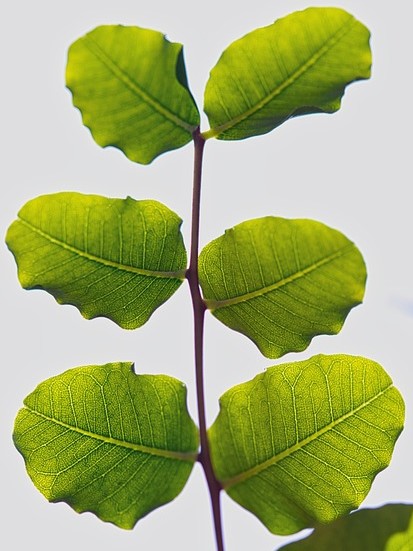
The carob tree (Ceratonia siliqua L.) is a tall, sturdy evergreen native to the Mediterranean region. It thrives in rocky, alkaline, and low-quality soils, and is highly resistant to drought and pests. The tree features small, red, petal-less flowers and produces brown hanging beans (pods) that are 8 to 20 cm long, containing seeds. The pods ripen from late summer to early fall and emit a sweet fragrance when blooming. Carob trees play an important role in supporting local ecosystems by providing shelter for various birds and mammals.
Historical Use of Carob
Evidence suggests carob use extends back to Mesopotamia. The Assyrian term “Halazzu,” in recipes, could possibly refer to carob syrup or carob powder. This possibility arises due to carob’s popularity in the region and its sweet flavor.
Following Mesopotamia, carob has been a crucial food resource for civilizations such as the Phoenicians, Greeks, Romans, and Arabs. Historically, it was a valuable source of sustenance for both humans and animals, especially during times of scarcity. Carob flour was often consumed by impoverished populations during famines, while its pods provided a high-protein, sweet alternative to honey. The carob tree’s resilience and nutritional value have ensured its enduring presence in agricultural and dietary practices throughout history.
Etymology of “Carob” and “carat”
The word “carob” originates from the Arabic word “kharoub,” referring to both the tree and the fruit. While “kharoub” is the most common term in Arabian countries, some Middle Eastern populations use a slightly different term, “kharnoub.”
This word itself has even older roots, tracing back to the Semitic languages Akkadian ‘kharubu’ and Aramaic ‘kharubha,’ which are certainly the origins of the Arabic name ‘kharoub’ and the Hebrew ‘harubh.’ As the carob tree spread to different cultures, the name evolved, possibly becoming ‘caroube’ in French and then ‘carob’ in English.
Interestingly, the carob tree also lends its name to the unit of weight “carat.” In the Middle East, people used carob seeds to weigh precious stones and metals, leading to a standardized carat weight of 0.2 grams. The term “carat” stems from the Arabic word “Qiraṭ,” based on the weight of the carob seed, where five seeds equal one gram, making one carat 200 milligrams. However, modern research has shown that carob seeds are no more consistent in weight than other seeds.
Carob’s Chemical Composition: A Breakdown of Its Parts
| Group | Chemical Component | Part of the Plant |
|---|---|---|
| Phenols | Resorcinol | Leaves, pods, pulp, seeds |
| Vanillin | Leaves | |
| Hydroquinone | Pods | |
| Phenolic Acids | Gallic acid | Leaves, pods, pulp, seeds |
| Chlorogenic acid | Leaves, pods, pulp, seeds | |
| Ferulic acid | Leaves, pods, pulp, seeds | |
| Caffeic acid | Leaves, pods, pulp | |
| Tannic acid | Leaves, pods, seeds | |
| Ellagic acid | Pods, pulp, seeds | |
| Flavonoids | Epicatechin | Leaves, pods, pulp, seeds |
| Quercetin | Leaves, pods, pulp, seeds | |
| Kaempferol | Leaves, pods, pulp, seeds | |
| Catechin | Leaves, pods, pulp, seeds | |
| Rutin | Leaves, pods, pulp | |
| Anthocyanins | Pods, pulp, seeds |
Nutritional Composition of Carob Pod
| Nutrient | Component | Content |
|---|---|---|
| Dietary Fiber | Lignin, Cellulose, Hemicellulose… | 30-40% |
| Sugar Content | Sucrose, Fructose, Glucose | 30-60% |
| Minerals | Calcium (Ca), Potassium (K), Magnesium (Mg), Iron (Fe) | – |
Carob’s Health Benefits: A Categorized Overview
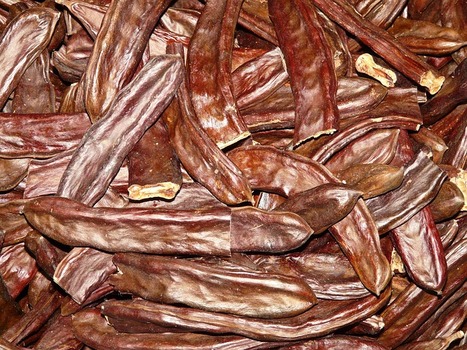
Carob (Ceratonia siliqua) offers a range of potential health benefits due to its bioactive compounds. Here’s a breakdown categorized by their general effects:
1. Digestive Health:
- Antibacterial and Antidiarrheal Effects: Carob fruit extracts, particularly those with methanol and ethanol, exhibit antibacterial properties against Enterococcus spp. Additionally, carob’s high tannin and pectin content offer antidiarrheal effects.
- Anti-Inflammatory and Antiulcer Properties: Methanolic extracts of carob bark demonstrate anti-inflammatory effects and gastroprotective effects against ulcers.
2. Metabolic Regulation:
- Antihyperglycemic Activity: Carob extracts can help manage diabetes by reducing glucose absorption and inhibiting digestive enzymes. Its D-pinitol content also aids in insulin regulation.
- Anti-Obesity Potential: Carob extracts from seeds and pods reduce fat accumulation. Studies suggest potential for weight management applications.
3. Cellular Health:
- Fighting Cancer Cell Growth: Carob extracts rich in myricetin exhibit antiproliferative activity against various cancer cell lines.
4. Nervous System Support:
- Mood-Boosting Potential: Carob pod and seed peel extracts show promise in alleviating depression by interacting with brain systems related to mood and memory.
5. Cardiovascular Health:
- Lowering Blood Pressure: Carob extracts can help manage hypertension by relaxing blood vessels and reducing blood pressure. They also improve endothelial function.
6. Pain Management:
- Pain Relief: Carob leaf extracts demonstrate analgesic effects, suggesting potential benefits for pain management.
7. Liver Protection:
- Liver Protection: Carob pulp extracts can help protect the liver from damage by reducing oxidative stress and inflammation.
Culinary Delights of Carob
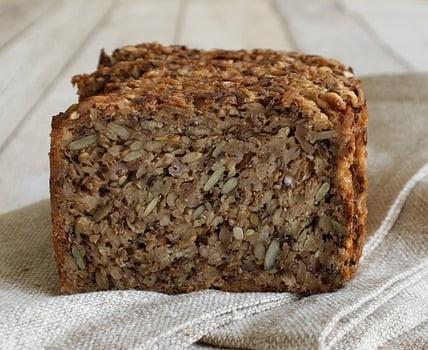
Carob flour is a nutritious flour that is naturally gluten-free. It’s a valuable source of fiber, protein, calcium, and vitamins. This makes carob flour a versatile ingredient for those seeking healthy and delicious food options. Its mild chocolatey taste allows it to be incorporated into many recipes, adding a unique flavor dimension to your culinary creations.
- Carob Molasses (Debss): A thick syrup used as a sweetener in desserts and drinks.
- Carob Bread: Bread made with carob flour, offering a unique flavor and nutritional benefits.
- Carob Cake: A moist cake with a chocolaty taste.
- Carob Juice: A traditional drink made from carob pods, often sweetened.
- Carob Halva: A sesame-based sweet flavored with carob.
- Carob Hot Chocolate: A caffeine-free hot chocolate alternative.
- Carob Pancakes: Pancakes made using carob flour for a nutritious breakfast.
- Carob Energy Bars: Healthy bars made with carob powder, nuts, and dried fruits.
- Moroccan Zamita: This sweet and nutritious dish features carob flour among its many ground ingredients.
- Carob Pudding: A creamy dessert.
- Carob Cookies: Cookies with a chocolaty taste made with carob powder.
- Carob Latte: A warm beverage with steamed milk and carob powder.
- Carob Tea: A soothing tea made from steeped carob pods.
- Carob Milkshake: A refreshing milkshake made with carob powder, milk, and ice cream.
Carob’s Versatility: Exploring Its Diverse Applications
Carob, a tree native to the Mediterranean region, offers a surprising range of functionalities beyond its use as a chocolate substitute. Its various components find application in numerous industries, making it a valuable resource. Let’s explore some of carob’s most significant uses:
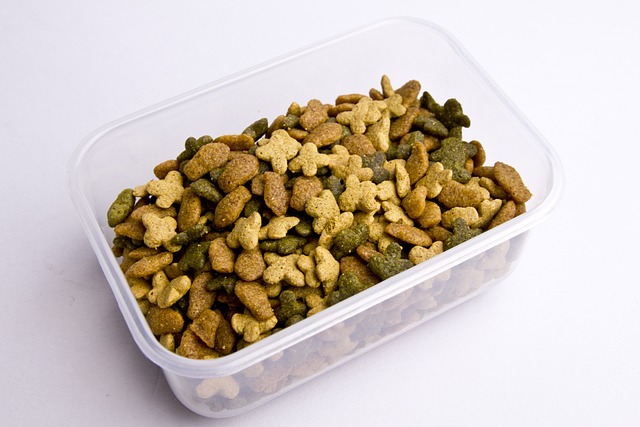
- Sweetener: Carob molasses and syrup provide natural sweetness to baked goods, confectionery products, and beverages.
- Chocolate Substitute: Carob powder, naturally devoid of caffeine, serves as a suitable alternative to cocoa powder in carob bars, chips, and desserts.
- Thickening Agent: Carob bean gum functions as a thickening and stabilizing agent in various food products, including dairy products, sauces, and dressings.
- Dietary Fiber Source: Carob fiber is incorporated into health foods, cereals, and supplements to increase their dietary fiber content.
- Pet Food Flavoring and Nutrient Source: Carob powder enhances the flavor of pet food formulations while also providing valuable nutrients.