



Castor Oil: A Journey Through Ancient Medicine
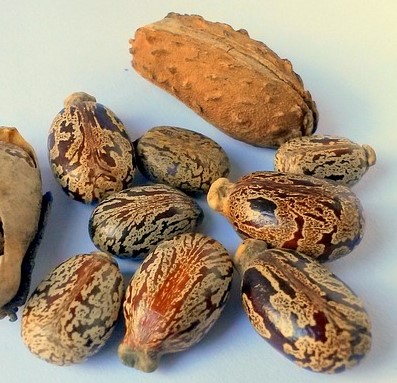
Castor oil, extracted from the seeds of the castor plant (Ricinus communis) of the Euphorbiaceae family, boasts a rich history of medicinal use across various ancient civilizations. This versatile oil, known for its anti-inflammatory and antimicrobial properties, found favor in Mesopotamia, Egypt, Greece, and Rome, with each culture employing it for a range of ailments.
Mesopotamia:
While evidence for castor oil use in Mesopotamia is less clear compared to other regions, there are hints of its application, particularly for skin health. Oils were commonly used in Mesopotamian medicine, suggesting castor oil may have been employed. Castor oil and henbane (Hyoscyamus niger), known for its analgesic properties, were used to treat head diseases, skin lesions, toothaches, and as anal suppositories. This highlights the Mesopotamian approach to pain prevention and treatment.
Egypt:
Ancient Egypt stands out for its extensive use of castor oil. Medical texts like the Ebers Papyrus (dating back before 1500 BCE) document its application for various purposes:
- Laxative: This was the most documented use. Egyptians valued castor oil’s purgative effect.
- Eyes: Though not explicitly mentioned in the provided passage, other sources suggest castor oil might have been used for eye treatments.
- Other uses: Egyptians also employed castor oil for skin conditions, hair loss, and possibly as an abortifacient.
A Traditional Remedy in Eastern Pharmacopoeia:
In both Ayurvedic and Chinese medicine, castor oil has a long history of use. Prized for its laxative and anti-inflammatory properties, it was used to treat constipation, skin conditions, and various other ailments.
Greece and Rome:
Castor oil’s journey continued westward. Around 400 BCE, Hippocrates, the “father of Western medicine,” prescribed castor oil for its laxative and detoxifying properties. Greek and Roman physicians like Pedanius Dioscorides and Pliny the Elder further explored its applications, using it for:
- Digestion: Similar to Egyptians, they valued its laxative effect.
- Inflammation: Castor oil was used to treat conditions like erysipelas (a bacterial skin infection).
- Other uses: Additionally, it was used for burns, varicose veins, and respiratory issues.
Phytochemicals in Castor Oil: Functional Insights
Castor oilseeds are rich in bioactive compounds, each contributing to the oil’s diverse functionalities:
Phenolic Compounds: These antioxidants protect against free radicals and diseases while enhancing the oil’s flavor.
Tocopherols and Tocotrienols: Natural antioxidants that extend the oil’s shelf life and stability, with potential health benefits.
Carotenoids: Pigments that contribute to the oil’s color and stability, with some converting to vitamin A.
Phytosterols: Plant sterols, especially beta-sitosterol, which may lower cholesterol and can be sustainably extracted.
Triglycerides: Over 90% of castor oil, mainly composed of ricinoleic acid, known for its laxative properties and industrial uses.
Fatty Acids: A blend including linoleic, oleic, stearic, and palmitic acids, contributing to skin benefits and industrial applications like lubricants and coatings.
| Primary Fatty Acid: Ricinoleic Acid (>90%): This monounsaturated fatty acid is the dominant component of castor oil and is known for its:Powerful antioxidant properties Anti-inflammatory effects Ability to enhance microcirculation and oxygen delivery (when applied topically) Contribution to accelerated skin regeneration and wound healing Secondary Fatty Acids: Castor oil also contains smaller quantities of other fatty acids, playing a supportive role:Linoleic Acid (4-5%) Oleic Acid (3-4%) Stearic Acid (1%) Palmitic Acid (1%) Trace amounts of other fatty acids |
Castor Oil Plant: A Rich Source of Medicinal Properties
Castor oil, derived from the Ricinus communis plant, boasts a wealth of health benefits thanks to its diverse chemical composition. Here’s a concise breakdown of its key medicinal activities:
1. Pain and Inflammation Management:
- Pain Relief: Studies suggest that castor leaves possess antinociceptive properties. This translates to potential pain relief, particularly for inflammatory conditions.
- Reduced Inflammation: Extracts from castor leaves and roots have demonstrated anti-inflammatory properties, offering potential relief for inflammatory conditions.
2. Cellular Protection:
- Antioxidant Powerhouse: Castor seeds are rich in antioxidants like ricinoleic acid, methyl ricinoleate, and octadecadienoic acid. These compounds combat free radicals, potentially aiding in the treatment of diseases caused by oxidative stress.
3. Immune System Support:
- Immune System Support: The presence of tannins in castor leaves might enhance the phagocytic activity of immune cells, potentially strengthening the body’s defense against pathogens.
- Antimicrobial Activity: Castor extracts have shown effectiveness against various bacteria and fungi, suggesting potential applications in wound healing and microbial infections.
4. Other Potential Benefits:
- Combating Asthma: The root extracts of castor may hold promise in managing asthma due to their antiallergic and mast cell-stabilizing effects. Flavonoids and saponins present in the plant are believed to contribute to this activity.
- Antihistamine Effects: Studies indicate that castor root extracts might have antihistamine activity, potentially offering relief from allergic reactions.
- Diabetes Management: Studies indicate that castor root extracts might possess antidiabetic properties, potentially aiding in blood sugar control.
- Wound Healing: Castor oil’s antioxidant and antimicrobial properties might contribute to wound healing by promoting tissue regeneration and preventing infections.
- Liver Protection: Castor leaves may offer hepatoprotective benefits. Studies suggest they can help reduce liver damage caused by toxins.
Medicinal Uses of Castor Oil

Internal Use
Laxative: Castor oil is widely recognized for its potent laxative effects. Ricinoleic acid, its primary component, irritates the intestinal lining, stimulating muscle contractions (peristalsis) and promoting bowel movements. It is particularly effective for relieving constipation but should not be used regularly due to its strength and potential side effects.
Dosage and Risks:
Adults: The typical laxative dose for adults is 15 to 60 milliliters (1 to 4 tablespoons) of castor oil taken orally. It’s crucial to follow the exact directions on the product label and never exceed the recommended dosage.
Cautions and Advice:
- Overdosage: Excessive consumption can cause severe diarrhea and dehydration, which can be dangerous and even fatal, especially in children.
- Drug Interactions: Castor oil may interact with certain medications, particularly anti-inflammatory drugs. Consulting a healthcare professional before use is crucial to avoid adverse effects.
- Pregnancy and Breastfeeding: Castor oil is not recommended for pregnant or breastfeeding women due to potential risks.
- Infants: It should not be ingested by infants.
- General Advice: Due to its potent nature, castor oil should be used internally only under medical supervision and not as a regular laxative.
Topical Applications
Anti-inflammatory and Analgesic Uses: When applied externally, castor oil’s anti-inflammatory, antioxidant, and analgesic properties are beneficial. It can be used in hot poultices to alleviate conditions such as:
- Rheumatism
- Muscle and joint pain
- Heel spurs
- Skin inflammations
Health Benefits:
- Muscle and Joint Pain: Massage with castor oil can help relieve pain in muscles and joints due to its analgesic properties.
- Baby Colic: A warm, gentle massage of castor oil on a baby’s tummy can soothe colic.
Softening Corns and Calluses: Applying a compress soaked in castor oil can soften corns and calluses over a few days. This method can also help remove warts when the compress is changed twice daily.
Promoting Sleep: Castor oil is attributed with calming properties that may support sleep. Although not a primary treatment for insomnia, it can be used as a supportive measure by:
- Soaking cotton balls in castor oil and placing them in the ears before bed.
- Applying a castor oil poultice to the solar plexus for an hour daily until sleep improves.
Hair Care: Castor oil is beneficial for hair health and beauty. It deeply nourishes hair and can promote growth. Methods of application include:
- Massaging into the scalp to combat dandruff and stimulate hair growth.
- Applying to roots, lengths, and ends for shiny, thick, and split-end-free hair, preferably as an overnight mask.
Safety Precautions
Topical use of castor oil generally poses minimal risk, aside from possible allergic reactions such as redness, itching, or eczema. A patch test on a small skin area is recommended before broader application. For internal use, consulting a healthcare professional is essential to ensure safety and avoid potential drug interactions. Castor oil should not be ingested by pregnant or breastfeeding women, or by infants.
Choosing High-Quality Castor Oil
For maximum health and beauty benefits, it is recommended to use high-quality, virgin (unrefined) organic castor oil that has been cold-pressed. This ensures the oil retains its beneficial properties without harmful additives or processing.
| Dangers of Castor Oil Plant (Ricinus communis) Beans The castor oil plant (Ricinus communis) is highly toxic to humans and many animals. The primary danger comes from the seeds, or beans, which contain ricin, one of the most potent toxins known. Castor beans come from the castor oil plant and contain a highly toxic substance called ricin. Ricin disrupts cells’ ability to make proteins, leading to organ failure and death. Though rare, poisoning occurs when the bean is chewed or crushed, releasing ricin. Symptoms include nausea, vomiting, diarrhea, and potential bleeding |