

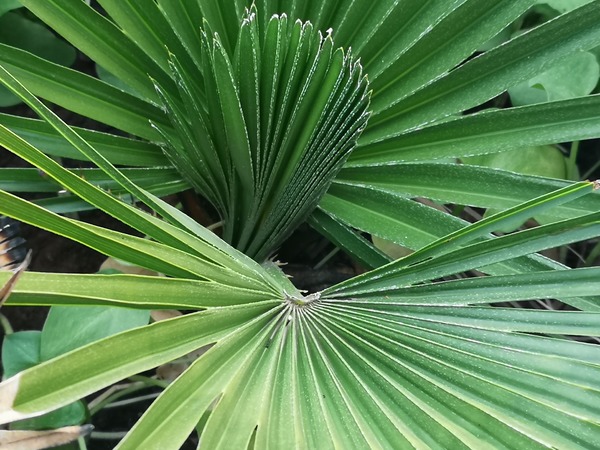
The Intriguing Chamaerops humilis of Morocco
The Moroccan landscape is adorned with a unique palm species – the Chamaerops humilis. This captivating plant, often nicknamed the European fan palm or Mediterranean dwarf palm, holds a special place in the region’s ecology and culture. Delving into the world of Chamaerops humilis, we’ll explore its fascinating origins, distinct Moroccan varieties, and its significance in both traditional practices and the environment.
Origin and Distribution: Chamaerops humilis, the sole member of its genus, traces its lineage back millions of years to the Miocene epoch. Thriving primarily in the Mediterranean region, notably in Morocco, these palms play a crucial role in preventing soil erosion in arid and semi-arid areas.
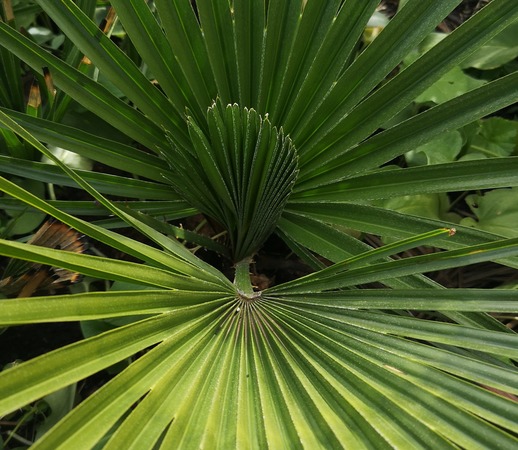
Physical Characteristics: Characterized by short, sturdy trunks and fan-shaped leaves atop woody stalks with thorns, Chamaerops humilis exhibits dioecy, ensuring reproduction through pollination. Its spring blooms lead to reddish-brown fruit development, holding cultural significance in Moroccan traditions.
Beyond Aesthetics: Economic and Ecological Value: Chamaerops humilis offers economic value in landscaping projects, adding Mediterranean flair and providing shade.Traditionally, its leaves are used in Morocco for crafting handbaskets, cones known as ‘Tbek’ or ‘Tbeg’ for preserving bread, hats referred to as ‘Taraza’, rugs called ‘Hssir’, and even sandals, showcasing its strength and flexibility. Moreover, its shallow root system aids in preventing soil erosion, particularly in Morocco’s arid regions, highlighting its ecological importance.
| Chamaerops, commonly referred to as “Doum” in Moroccan culture, comprises various species and varieties, including: Chamaerops humilis var. humilis (synonym: typica Maire): This is the most common variety, with green, shiny leaves. Chamaerops humilis var. argentea André (synonym: C. humilis var. cerifera Becc.): This rarer variety stands out with its silvery-glaucous (greyish-blue) leaves. It’s found in the Atlas Mountains and known for its hardiness. |
Chemical Composition and Nutritional Content
Chamaerops humilis fruits, rich in polyphenolic compounds such as flavonoids and tannins, exhibit notable antioxidant properties. Here’s a breakdown of some components found in these fruits along with their potential benefits:
- Flavonoids: Antioxidant, anti-inflammatory
- Tannins: Antioxidant, antimicrobial
- Gallic tannins: Antioxidant, anti-inflammatory
- Coumarins: Anticoagulant, anti-inflammatory
- Anthracenosides and Anthocyanosides: Antioxidant, anti-inflammatory
- Steroids: Various biological activities, potentially anti-inflammatory
- Sugars: Energy source
In the northern region of Morocco, Chamaerops humilis, commonly known as the dwarf palm or “doum,” boasts a rich chemical composition with promising medicinal properties. Phytochemical analysis reveals the presence of various bioactive compounds, including:
- Phenols: Known for antioxidant properties.
- Flavonoids: Exhibiting anti-inflammatory effects.
- Tannins (gallic and catechetical): Potentially beneficial for gastrointestinal health and oxidative stress management.
- Steroids: Suggesting contributions to hormonal balance.
- Saponins: Indicating potential immune-modulating effects.
The mineral content of Chamaerops humilis L. var. argentea in the eastern region of Morocco, specifically in Taza, revealed significant levels of iron, potassium, phosphorus, magnesium, sodium, copper, calcium, zinc, selenium, and strontium.
Health Benefits of Chamaerops humilis (Doum)
Chamaerops humilis L., commonly known as “Doum” in Morocco, has been historically utilized for its various health benefits. Traditionally, different parts of the plant have been employed in food and folk medicine due to their nutritional and medicinal properties.
Antioxidant Potency
A recent study investigated the antioxidant capabilities of extracts from different parts of the Chamaerops humilis plant. Notably, extracts from the seeds exhibited significant antioxidant activity, suggesting their potential in combating oxidative stress, particularly implicated in neurodegenerative diseases. The presence of flavonoids and condensed tannins within these extracts indicates their contribution to the observed antioxidant effects, highlighting their potential role in promoting overall health and well-being.
Enzyme Inhibitory Activity
The same study explored the enzyme inhibitory properties of Chamaerops humilis extracts, focusing particularly on those derived from the seeds. These extracts displayed notable inhibition of enzymes associated with neurodegenerative disorders, such as acetylcholinesterase and tyrosinase. These findings suggest the potential therapeutic benefits of Chamaerops humilis in managing conditions linked to enzyme dysregulation. Flavonoids and condensed tannins present in these extracts are identified as potential bioactive components driving these inhibitory effects.
Antimicrobial Potential of Chamaerops humilis L. Extracts
The antimicrobial potential of Chamaerops humilis L. extracts from leaves, fruits, and pulp was investigated against a variety of bacterial and fungal strains. The extracts demonstrated significant inhibitory effects against both Gram-positive and Gram-negative bacteria, as well as fungi. Specifically, the leaf extract exhibited the highest efficacy against all bacterial strains tested, while the fruit extract showed notable potency against Staphylococcus aureus. Additionally, the pulp extract displayed antimicrobial activity, albeit to a lesser extent. These findings suggest that Chamaerops humilis L. extracts could serve as promising natural agents in combating bacterial and fungal infections.
Doum Extract’s Anti-Inflammatory Potential
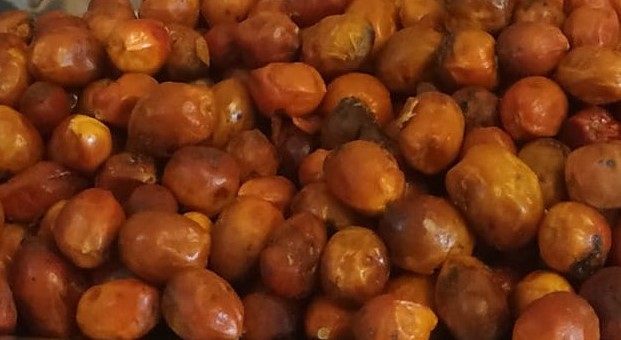
Research on Chamaerops humilis, or doum palm, fruit extract reveals its promising anti-inflammatory properties. Rich in saponins and polyphenols like flavonoids and tannins, the extract inhibits protein denaturation, a marker of inflammation. In vitro studies demonstrate its potency, suggesting it could be more effective than corticosteroids. While its efficacy is slightly lower than Permixon extract, it shows potential for managing inflammation-related conditions. Further research is needed to understand its mechanisms and clinical applications fully.
Moroccan and Egyptian “Doum”
Doum Palm in Egypt:
- The doum palm in Egypt refers to Hyphaene thebaica.
- Arabic medical texts mention its fruits being used for treating irritable bowel syndrome (IBS).
- While this suggests potential, more research is needed to confirm its effectiveness.
Doum Palm in Morocco:
- Interestingly, “doum” refers to a different palm species in Morocco, specifically Chamaerops humilis.
- Food Uses: The core (heart) of the Moroccan doum palm is a popular food item sold in rural markets, along with the berry-like fruits.
- Folk Remedy: Moroccans use powdered berry-like fruits from Chamaerops humilis, mixed with pumpkin seeds, as a folk remedy for benign prostatic hyperplasia (BPH). This is noteworthy because Chamaerops shares properties with its close relative, saw palmetto (Serenoa repens), a known treatment for BPH.
Traditional Medicinal Uses:
- Treatment of Diabetes and Digestive Disorders: Leaf extracts of Chamaerops humilis have been traditionally used for managing diabetes and digestive issues.
- Astringent Properties: The fruits of Chamaerops, although rarely consumed in Morocco due to their bitter taste, possess astringent properties attributed to their tannin content.
- Sedative and Respiratory Support: The plant exhibits sedative effects and has been utilized in treating insomnia, cough attacks, and bronchitis.
- Anti-inflammatory and Diuretic Activities: Chamaerops has demonstrated anti-inflammatory, anabolic, antiseptic, urinary, antilithic, and diuretic properties.