

Chia Seeds: A Nutritional Powerhouse with Ancient Roots
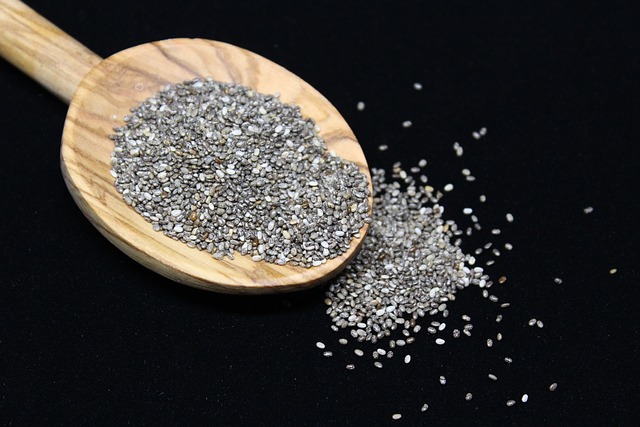
Hailing from southern Mexico and Guatemala, chia seeds boast a fascinating history dating back to 3500 BC. Revered by ancient civilizations like the Aztecs and Mayans, these tiny powerhouses weren’t just food – they were deeply woven into culture and tradition.
More Than Just Food:
- The word “chia” itself comes from the Nahuatl word “chian,” meaning “oily,” hinting at the seeds’ rich nutritional content.
- They weren’t just a source of energy, but also played a significant role in religious ceremonies and rituals.
Aztec Superfood:
- Aztec warriors consumed chia seeds before battles for a surge of stamina.
- So valuable, chia seeds even functioned as a form of currency!
- Aztec rulers levied taxes on these precious seeds, highlighting their immense worth within Aztec society.
Chia Seeds: A Nutritional Powerhouse
Chia seeds are more than just tiny specks! They’re packed with beneficial compounds that contribute to overall health. Here’s a breakdown of their key components:
- Rich in Antioxidants: Chia seeds are loaded with antioxidants, which shield your cells from damage. These antioxidants help fight free radicals, unstable molecules that can harm your body.
- Healthy Fats: The major players in chia oil are polyunsaturated fatty acids (PUFAs). These “good fats” include alpha-linolenic acid (ALA, an omega-3 fatty acid) and linoleic acid (LA, an omega-6 fatty acid). Chia seeds boast an impressive 39% oil content, with a whopping 68% of that oil being omega-3s!
- Powerhouse of Phenolic Compounds: Chia seeds are brimming with beneficial phenolic compounds like caffeic acid, chlorogenic acid, quercetin, and rosmarinic acid. These compounds aren’t just fancy names – they offer anti-inflammatory, heart-protective, liver-protective, antidiabetic, and even anticancer effects!
- Essential Vitamins and Minerals: Chia seeds aren’t just about fats and antioxidants. They also boast a good amount of essential vitamins including Vitamin A, Vitamin E, Vitamin C, Thiamine (B1), Riboflavin (B2), and Niacin (B3). Additionally, they’re a source of key minerals like Calcium, phosphorus, potassium, and magnesium.
- High Fiber Content: Chia seeds are a champion of fiber! They contain an impressive 34-40 grams of fiber per 100 grams. This fiber is a mix of insoluble (85-93%) and soluble fiber (7-15%). Studies suggest a high fiber intake like this can help reduce the risk of heart disease, type 2 diabetes, and certain cancers. Plus, fiber promotes satiety, keeping you feeling fuller for longer after meals.
- Gluten-Free and Toxin-Free: Another bonus? Chia seeds are naturally gluten-free and free of potentially harmful mycotoxins. This makes them a safe and valuable addition to your diet, especially if you’re looking for a boost in antioxidants, healthy fats, fiber, vitamins, and minerals.
Salvia hispanica: A Review of Potential Health Benefits
Chia seeds (Salvia hispanica L.) have become a popular superfood due to claims of various health benefits. This review examines the scientific evidence supporting these claims.
Cardiovascular Health
- Chia seeds are rich in alpha-linolenic acid (ALA), an omega-3 fatty acid with anti-inflammatory properties. This may help reduce inflammation in the cardiovascular system, a risk factor for heart disease.
- Antioxidants like quercetin in chia seeds combat oxidative stress linked to heart disease progression.
- Studies suggest positive effects on blood lipid profiles and potentially lower blood pressure with chia seed consumption.
Gastrointestinal Health
- Chia seeds boast a high content of soluble and insoluble fiber fractions, crucial for digestion.
- Soluble fiber aids in smoother bowel movements and acts as a prebiotic, promoting beneficial gut bacteria.
- Essential fatty acids in chia seeds may contribute to a healthy intestinal lining, potentially alleviating digestive disorder symptoms.
Diabetes Management
- The high soluble fiber content in chia seeds may influence blood sugar control in type 2 diabetes.
- Soluble fiber slows carbohydrate absorption, leading to more gradual blood sugar rises after meals.
- Phenolic compounds in chia seeds may further contribute by inhibiting sugar absorption in the gut.
Cancer Prevention and Management
- The rich nutritional profile of chia seeds offers promise in cancer prevention and management.
- Omega-3 fatty acids and antioxidants like quercetin may fight cancer by reducing inflammation and neutralizing free radicals.
- Dietary fiber in chia seeds may also play a role in reducing inflammation and potentially hindering tumor growth.
- Chia seeds contain tocopherols, phytosterols, and polyphenols, which may contribute to their potential anti-cancer properties.
Bone Health Potential
- Studies, suggest chia seeds may positively impact bone health.
- Rats fed chia seed-supplemented diets exhibited increased body weight and food intake compared to controls.
- This indicates the soluble fiber in chia seeds could enhance digestion and nutrient absorption in the intestines, potentially benefiting bone health.
- Additionally, chia seeds are rich in omega-3 ALA, which may inhibit the formation of osteoclasts (bone-degrading cells), potentially leading to stronger bones.
Weight Management Potential
- A study showed that supplementing with 35g of chia flour daily for 12 weeks led to a modest decrease in body weight and waist circumference.
- The high viscosity fiber in chia flour may enhance satiety, potentially aiding weight loss by curbing appetite.
- Additionally, the omega-3 content in chia seeds might suppress appetite and promote fat burning, contributing to weight reduction.
- While animal studies suggest promise, human studies yield mixed results. However, chia consumption improved lipid profiles, particularly in individuals with initially abnormal values.
The Rise of Gluten-Free and the Promise of Chia Seeds
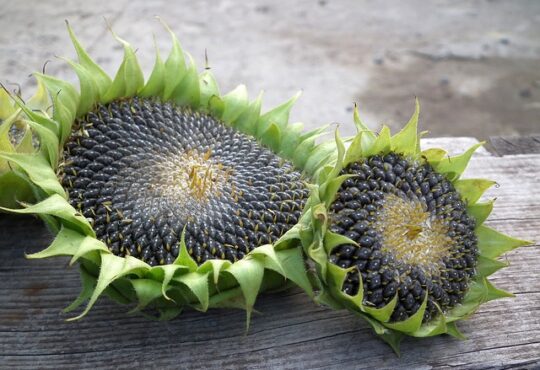
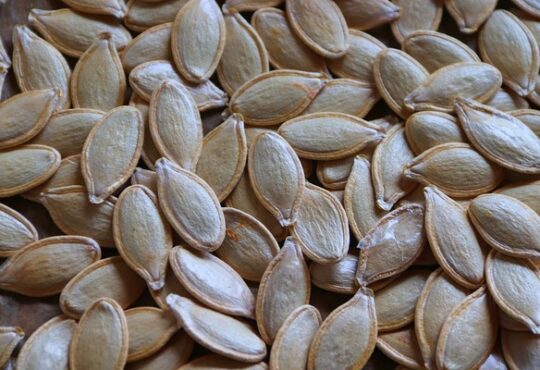
Gluten-free seeds offer a versatile and nutritious option for individuals seeking to avoid gluten in their diet due to celiac disease, gluten sensitivity, or personal preference. Seeds such as chia, flaxseed, sunflower seeds, and pumpkin seeds are naturally devoid of gluten, making them suitable for use in a wide range of gluten-free recipes.
- The market for gluten-free products is booming, driven by increased diagnoses of celiac disease, gluten sensitivity, and the perception of gluten-free options as healthier choices.
- For individuals with celiac disease, an autoimmune response triggered by gluten, gluten-free alternatives are a medical necessity.
- Bread, a staple food in many cultures, presents a challenge for gluten-free diets due to wheat gluten’s role in dough structure.
Chia Seeds: A Gluten-Free Powerhouse
- Chia seeds, naturally gluten-free, offer a promising solution for those seeking gluten-free alternatives.
- They are rich in:
- Protein: Contributes to satiety and supports tissue repair.
- Soluble Fiber: Promotes gut health and digestive regularity.
- Omega-3 Fatty Acids: May reduce inflammation and contribute to heart health.
Culinary Uses of Chia Seeds
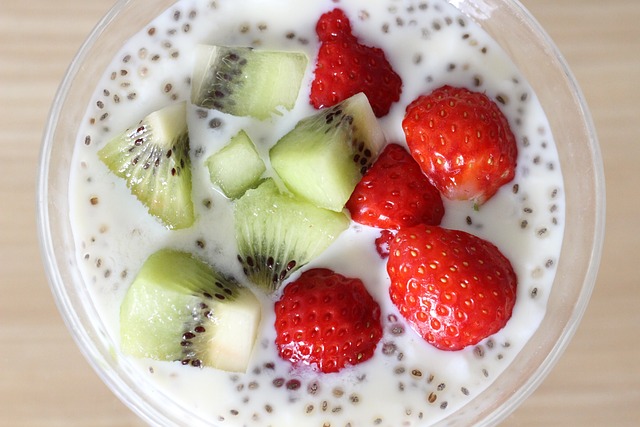
Chia seeds boast remarkable versatility, seamlessly integrating into various culinary applications around the globe.
- Beverages: A popular addition to smoothies, chia seeds add a textural element and nutritional boost. They can also be soaked in milk or water to create a pudding-like consistency, perfect for breakfast or dessert.
- Baked Goods: Chia seeds excel as egg substitutes in vegan baking due to their gel-forming properties when soaked. They can also be sprinkled on top of breads or muffins for added texture and nutrients.
- Cereal Toppings: A sprinkle of chia seeds on oatmeal, yogurt, or breakfast cereals adds a healthy dose of fiber and omega-3 fatty acids.
- Sauces and Dressings: Chia seeds can thicken sauces and dressings, contributing a subtle nutty flavor and a textural contrast.