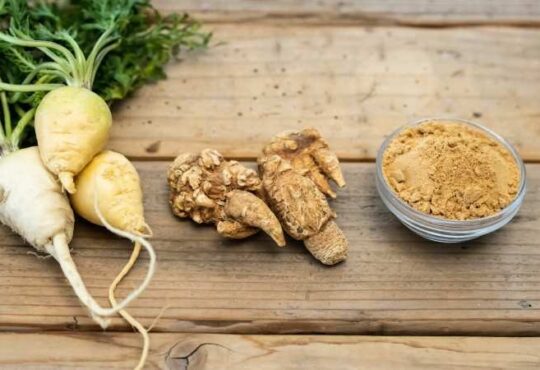



Cichorium intybus, Chicory, الهندباء البرية, 菊苣, Witlof, Cichorei, Цикорий обыкновенный, Hindiba, Κιχώριο, Cikoria, Blå cikoria
Chicory: A Versatile Plant with Deep Roots
Chicory (Cichorium intybus) is a herbaceous plant known for its beautiful blue flowers. Originally from Europe, it’s now cultivated worldwide, including in North America and Australia. But chicory’s appeal goes beyond its looks. It has a rich history of culinary and medicinal uses, and may even offer health benefits due to its nutrients.
Chicory has many nicknames, including blue daisy, blue dandelion, and coffeeweed. This hints at its diverse uses.
A Long History of Use
Chicory’s roots run deep (pun intended!) – evidence suggests it was used medicinally in ancient Egypt. The ancient Romans valued it for both its culinary and medicinal properties, eating it as a vegetable and using it in herbal remedies. In the Middle Ages, chicory became a popular coffee substitute, with people enjoying roasted chicory root as an alternative. Today, chicory continues to be a part of culinary traditions around the world, showcasing its historical significance and cultural adaptability.
Chemical Components of Cichorium Intybus
Chicory root boasts an impressive nutritional profile. Let’s delve into its two main categories of beneficial compounds:
- Inulin: A Prebiotic Powerhouse
- The primary component of chicory root is inulin, a key starch-like polysaccharide.
- Inulin acts as a prebiotic, meaning it nourishes the good bacteria in your gut, promoting digestive health.
- Being low in calories and high in dietary fiber, inulin adds bulk to your diet and can contribute to feelings of fullness.
- A Symphony of Beneficial Compounds
- Beyond inulin, chicory root contains a variety of other health-promoting compounds:
- Coumarins, flavonoids, and sesquiterpene lactones: These antioxidants may help protect your cells from damage.
- Tannins: May contribute to anti-inflammatory and antibacterial effects.
- Alkaloids: Can offer potential benefits such as pain relief (depending on the specific alkaloid).
- Vitamins (B1, B6, B9, and K) and Minerals (potassium , magnesium and iron ): Provide essential nutrients for overall health.
- Volatile oils: Contribute to the unique flavor and aroma of chicory root.
- These diverse compounds work together to offer a range of potential health benefits, including antioxidant, anticancer, anti-inflammatory, antiparasitic, and antihepatotoxic (protects the liver) properties.
- Beyond inulin, chicory root contains a variety of other health-promoting compounds:
Health Benefits of Chicory Consumption

Chicory Root: A Gut-Friendly Powerhouse
Inulin, a soluble fiber abundant in chicory root, acts as a prebiotic, nurturing the good bacteria that keep your gut healthy. This translates to several potential benefits:
- Promotes Beneficial Bacteria: Inulin feeds friendly gut bacteria, aiding in digestion and potentially influencing the immune system.
- Boosts Short-Chain Fatty Acids: Inulin’s breakdown by gut bacteria produces short-chain fatty acids, which have anti-inflammatory effects.
- Strengthens Gut Barrier: Inulin may help improve the gut barrier, protecting your body from harmful substances.
- Regulates Bowel Movements: Inulin promotes regularity by adding bulk and aiding smooth muscle contractions.
- Improves Blood Sugar Control: Inulin slows down glucose absorption, potentially enhancing insulin sensitivity and blood sugar stability.
Chicory’s Antioxidant Arsenal
- Chicoric Acid: This key player helps fight free radicals and may have anti-inflammatory, antiviral, and immune-boosting effects.
- Quercetin & Kaempferol: These antioxidant partners work with chicoric acid to provide strong anti-inflammatory benefits.
- Phenols & Flavonoids: Found in high levels in leaves and stems, these antioxidants further enhance chicory’s potential health benefits, with some studies suggesting anti-cancer properties.
Weight Management and Blood Sugar Control
Chicory’s inulin fiber plays a double role in weight management:
- Promotes Satiety: Inulin promotes a feeling of fullness, potentially reducing overall calorie intake.
- Supports Blood Sugar Regulation: Inulin slows down glucose absorption and may enhance insulin sensitivity, aiding blood sugar control.
Chicory root fibers, including oligofructose and inulin, are non-digestible by human enzymes, preventing a blood sugar spike. These soluble fibers can also replace sugars in various foods without compromising taste. Remember, these benefits are best achieved when combined with a balanced diet and active lifestyle.
Potential Heart Health Benefits
Chicory may contribute to heart health in several ways:
- Lowers Cholesterol: Chicory can help lower LDL (bad) cholesterol by inhibiting its absorption.
- Provides Essential Micronutrients: Chicory offers potassium, a mineral that supports a healthy heart rhythm and muscle recovery.
- Balances Electrolytes: Potassium in chicory helps counterbalance sodium, preventing fat deposits in arteries and promoting overall cardiovascular health.
Chicory Recipe Inspiration
1. Mediterranean Chicory Skillet (One-Pan Delight): This quick and easy dish is perfect for a weeknight meal. Simply sauté onions, garlic, chicory, and tomatoes in olive oil until softened. Season with salt, then stir in beaten eggs and cook until set. Enjoy this flavorful and protein-packed skillet meal on its own or with a dollop of yogurt for added creaminess.
2. Sautéed Chicory Greens (Aromatic Side Dish): Want to try something different with chicory leaves? Sauté them! Thinly slice the leaves and cook them with garlic and olive oil. The slight bitterness of the chicory complements the savory flavors perfectly, creating a delicious and healthy side dish.
3. Chicory for Heartier Soups and Stews: Don’t underestimate the power of chicory leaves in soups and stews! Their bold flavor adds depth and complexity to the broth, making your favorite winter dishes even more satisfying. Simply add chopped chicory leaves during the simmering process.
4. Coffee Blend Brilliance (Chicory Coffee): Roasted chicory root offers a fantastic coffee alternative. Brew it alone for a caffeine-free option with a unique flavor profile, or mix it with your favorite coffee beans for a richer, slightly bitter twist on your morning cup.

Important Considerations for Chicory Consumption
While generally safe for most people, chicory can cause some side effects in certain individuals:
- Allergic Reactions: In rare cases, chicory may trigger allergic reactions like itching and swelling. If you experience any unusual reactions after consuming chicory, discontinue use and consult a healthcare professional.
- Digestive Issues: Excessive chicory intake, particularly for those with sensitive digestive systems, might lead to bloating or diarrhea due to its high fiber content.
- Blood Thinners: Chicory’s high vitamin K content can interact with blood-thinning medications, potentially reducing their effectiveness. If you take blood thinners, consult with your doctor before consuming chicory regularly.
Frequently Asked Questions (FAQ)
1 Is chicory generally safe to eat?
Chicory is generally safe for consumption, but some individuals may experience allergies or digestive discomfort. It’s advised to start with small amounts and monitor reactions, especially if you have known allergies or medical conditions.
2 Can chicory be a coffee substitute?
Yes, chicory root is traditionally used as a coffee substitute. Roasted, ground, and brewed, it creates a caffeine-free beverage. It’s often blended with coffee to enhance flavor or reduce caffeine intake.
3 How can chicory be used in cooking?
Chicory leaves are great raw in salads for a slightly bitter crunch. Cooked or sautéed, they become milder. The root can be roasted for a coffee substitute or used in baked goods, soups, and stews.
4 Are chicory’s health benefits backed by research?
While chicory shows promise for digestive health, inflammation reduction, weight management, and cardiovascular health, more research is needed. Existing studies are encouraging, but comprehensive trials are necessary to validate findings and determine optimal usage.