

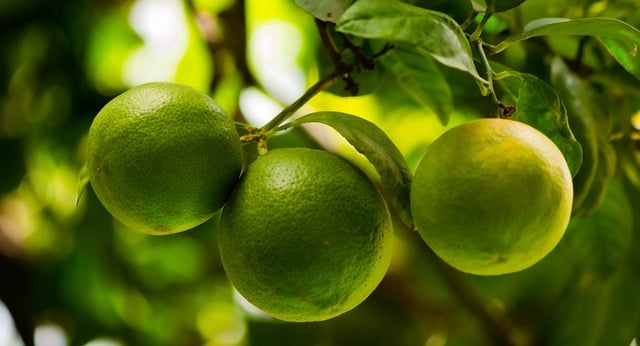
History and Origin of Citrus Fruits: A Journey from Asia to the World
Citrus fruits, belonging to the Rutaceae family, are a group of tropical and subtropical fruits that include oranges, lemons, limes, grapefruits, and tangerines. These fruits are known for their juicy, acidic taste and high nutritional value. Among these, lemons stand out for their unique flavor and numerous health benefits.
- Origins in Southeast Asia: Citrus fruits originated in northeastern India, southwestern China, Burma, and the Malay archipelago. This region gave rise to the ancestral species of citron, pummelo, and mandarin. Over time, these fruits spread across Southeast Asia and diversified into the various citrus fruits we know today.
- Documentation and Genetic Confirmation: Scholars from the 16th to 20th centuries documented the spread of citrus fruits, particularly their journey to the Mediterranean. Recent genetic studies have confirmed these historical accounts and provided even deeper insights into the evolution of citrus varieties.
- Early Uses and Medicinal Value: Initially, people valued citrus fruits not for their taste (which was quite tart), but for their medicinal properties, beautiful flowers, and pleasant fragrance. The citron, with its thick rind, was particularly prized for its use in traditional medicine.
- Spread to the West: The spread of citrus fruits to the West happened in stages. The citron arrived first, reaching Persia and the Middle East. Lemons reached Rome around the 1st century AD. Muslim expansion brought oranges, limes, and grapefruits to the Mediterranean in the 10th century. Sweet oranges arrived much later, in the 15th century, from the Far East. Mandarins were the last to reach Europe, arriving in the 19th century.
- Historical Events and Cultural Significance: The spread of citrus fruits is interwoven with the fabric of history. The diaspora of the Hebrews played a vital role in bringing etrog, a specific variety of citron (C. medica), to the Mediterranean. Etrog holds special significance for Jews, as it’s one of the four species used in the Sukkot harvest festival.
True Species: The Founding Stones

The main modern Citrus groups stem from four ancestral species: Citrus reticulata (mandarins), Citrus maxima (pummelos), Citrus medica (citrons), and Citrus micrantha (papeda). These species, through natural hybridization, gave rise to various cultivated varieties like oranges, grapefruits, lemons, and limes. Some groups are direct hybrids, while others are more complex mixtures. Unlike citrons and pummelos, cultivated mandarins contain genetic contributions from pummelos, impacting their domestication.
- Citron (Citrus medica): This ancient citrus, with its fragrant rind, is used in traditional medicine and religious ceremonies.
- Pummelo (Citrus maxima): This grand citrus, known for its size and thick rind, is believed to be a parent of many modern varieties like grapefruits and sweet oranges.
- Mandarin (Citrus reticulata): Characterized by its loose skin and easy-to-peel segments, the mandarin has played a crucial role in citrus hybridization.
- Papeda (Citrus micrantha): Native to the southern Philippines, this citrus is significant for its contribution to modern hybrids and its hardiness against frost.

Hybrid Delights: A World of Flavor
Most of the citrus fruits we enjoy today are the result of natural or cultivated hybridization between true species. This cross-pollination has led to a dazzling array of flavors and uses:
- Sweet Orange (Citrus sinensis): A beloved hybrid of mandarin and pummelo, the sweet orange offers a juicy sweetness that has conquered taste buds worldwide.
- Meyer Lemon (Citrus × meyeri): This unique lemon, born from the union of orange and lemon parents, boasts a less acidic flavor with a hint of floral sweetness.
- Grapefruit (Citrus paradisi): This tangy citrus is thought to be a hybrid of pomelo and either sweet orange or Barbados cherry, offering a complex interplay of bitterness and sweetness.
- Tangelo: A cross between a tangerine or mandarin and a grapefruit or pomelo, tangelos offer a sweet and tangy flavor with a hint of bitterness.
- Limequat: A hybrid of a key lime and a kumquat, limequats combine the tartness of lime with the sweetness of kumquat, resulting in a unique citrus flavor profile.
Medicinal Properties of Citrus Fruits
Citrus fruits boast numerous medicinal properties, known for their high vitamin C content, antioxidants, and anti-inflammatory benefits, supporting immune health and aiding digestion.
- Flavanones: Hesperidin, Narirutin
- Characteristic: Predominant polyphenols in citrus.
- Therapeutic Benefits: Provide cardiovascular protection, help manage hypertension, and display anti-inflammatory properties.
- Flavones: Apigenin, Luteolin
- Characteristic: Characterized by 2-phenyl-1,4-benzopyrone skeletons.
- Therapeutic Benefits: Contribute to antimicrobial and anticancer activities, offering antioxidant and anti-inflammatory effects.
- Flavonols: Kaempferol, Quercetin, Limocitrin, Isorhamnetin
- Characteristic: Found in varying concentrations across citrus varieties and organs.
- Therapeutic Benefits: Contribute to citrus’ antioxidant potential and overall health benefits. While their content is generally low in citrus juice, it varies by variety and organ, with leaves containing higher concentrations compared to fruit tissues.
- Anthocyanins:
- Characteristic: Water-soluble flavonoids found in citrus, including pelargonidin, cyanidin, delphinidin, peonidin, petunidin, and malvidin, play crucial roles in plant development and defense.
- Therapeutic Benefits: With antioxidant properties, they exhibit therapeutic potential against various diseases like cardiovascular issues, inflammation, and certain cancers.
- Fatty Acids:
- Characteristic: These organic compounds, abundant in citrus fruits, are crucial for human nutrition and metabolism.
- Therapeutic Benefits: Citrus fatty acids, predominantly unsaturated, offer health-related benefits such as reducing the risk of hypercholesterolemia and atherosclerosis. The fatty acid profile varies among citrus varieties, with linoleic acid being a major component in citrus peels.
- Pectins:
- Characteristic: These complex polysaccharide compounds, primarily found in fruit cell walls, are abundant in citrus peels.
- Therapeutic Benefits: Extracted mainly from fruit processing by-products, citrus pectins serve as excellent stabilizers, thickeners, and emulsifiers in various food products. They’re also utilized as eco-friendly alternatives in food preservation and fat substitutes, contributing to extended shelf life and improved texture in foods.
Citrus fruits are well-known for their vitamin C content, but they offer a range of other vitamins and minerals as well. Here’s a breakdown of some key nutrients found in most citrus fruits:
- B Vitamins: Citrus fruits contribute to your B vitamin intake, including folate (vitamin B9), thiamine (vitamin B1), riboflavin (vitamin B2), and niacin (vitamin B3). These B vitamins play crucial roles in energy metabolism, brain function, and cell health.
- Potassium: This essential mineral helps regulate blood pressure and supports muscle function. Citrus fruits, particularly oranges and grapefruits, are a good source of potassium.
- Fiber: While not as high in fiber as some other fruits, citrus fruits do contain some dietary fiber, which can aid digestion and promote gut health. Pectin, a type of soluble fiber found in citrus fruits, can also help regulate blood sugar levels.
- Other Minerals: Citrus fruits may also contain small amounts of other minerals like calcium, magnesium, and phosphorus, contributing to overall mineral intake.
Lemons vs. Limes: A Culinary Citrus Guide
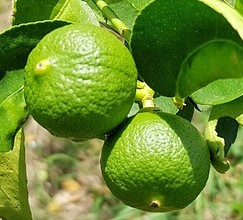
Lemons and limes, sunshine-colored members of the citrus family, are both known for their refreshing acidity. Yet, these vibrant fruits offer distinct characteristics that elevate various culinary creations. Let’s explore the key differences between lemons and limes to help you choose the perfect citrus for your dish.
Size and Color: The first giveaway lies in their appearance. Lemons tend to be larger than limes, boasting a bright yellow hue when ripe. Limes, on the other hand, are typically smaller and remain green even when fully mature.
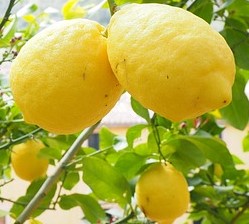
Flavor Profile: While both possess a tartness, their flavor profiles diverge. Lemons offer a balance of acidity with a hint of sweetness, making them ideal for both sweet and savory applications. Limes, however, are known for their intense pucker-inducing tartness, adding a vibrant kick to savory dishes and cocktails.
Skin Texture and Uses: The rinds, or zest, of these fruits also differ. Lemons have a thicker, smoother rind, perfect for grating and adding a fragrant citrus note to dishes. Limes have thinner, sometimes bumpy skin, and while zest can be used, their intense acidity often makes the juice the preferred choice in recipes.
Exploring the Culinary Mastery of Lemon and Lime
Lemon brightened sweet treats and added fragrance to savory dishes, while lime enhanced savory creations and added zing to cocktails. Together, they offered endless culinary possibilities. Below are some renowned recipes featuring lime and lemon, chosen from cuisines around the world.
- Lemon Curd Tartlets (British): Fill pre-baked tartlet shells with homemade lemon curd, made from lemon juice, zest, sugar, eggs, and butter, for a sweet and tangy dessert.
- Limoncello (Italian): Make your own limoncello by infusing lemon zest in vodka or grain alcohol, then sweetening with simple syrup and aging for a few weeks for a refreshing liqueur.
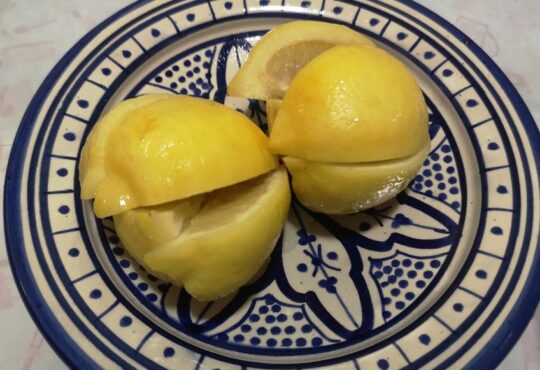
- Moroccan Preserved Lemons (Moroccan): Preserve lemons in salt and lemon juice for several weeks to develop a tangy and intensely flavored condiment used in Moroccan tagines, salads, and dishes.
- Lemon Meringue Pie (American): Bake a classic lemon meringue pie with a buttery crust, tart lemon filling made from lemon juice and zest, and a fluffy meringue topping for a decadent dessert.
- Greek Lemon Potatoes (Greek): Roast potatoes with olive oil, lemon juice, garlic, oregano, and chicken broth until crispy and golden brown for a flavorful side dish served with grilled meats or fish.
- Lemon Rice “Chitranna“ (Indian): Cook basmati rice with lemon zest, lemon juice, turmeric, and mustard seeds for a fragrant and tangy side dish that pairs well with spicy curries and grilled vegetables.
- Lemon Ginger Chicken Stir-Fry (Chinese): Stir-fry thinly sliced chicken breast with bell peppers, snap peas, ginger, garlic, and a sauce made from lemon juice, soy sauce, and honey for a quick and flavorful Asian-inspired dish.
- French Lemon Madeleines (French): Bake delicate madeleine cookies flavored with lemon zest and lemon juice for a light and citrusy treat perfect for dipping in tea or coffee.
- Lemon Basil Sorbet (Mediterranean): Blend fresh basil leaves with lemon juice, sugar, and water, then freeze for a refreshing and herbaceous sorbet with a hint of citrus.
- Turkish Lemon Bonbons (Turkish): Cook sugar, lemon juice, and water to make a syrup, then dip small pieces of lemon zest in the syrup and coat with sugar for sweet and tangy lemon candies.