

Morocco is renowned for its diverse citrus production, including familiar varieties such as Citrus aurantium (bitter orange) and Citrus limon (lemon). Among these, the Moroccan Limetta (Citrus Limetta ), also known as Marrakech Limonetta, stands out for its unique qualities. Valued for its mild, slightly sweet flavor and gentle acidity, this distinctive fruit plays a crucial role in traditional Moroccan preservation techniques and cuisine, making it an essential component of the country’s culinary heritage.
Local Names and Regional Significance
- Hamed l’Beldi – Meaning “authentic lemon” in Moroccan Arabic, this name highlights its deep-rooted culinary importance.
- L’Hamed Boussera – A regional name that varies slightly across Moroccan dialects but refers to the same fruit.
Citrus Limetta is primarily cultivated in Marrakech and surrounding areas, where it thrives in the warm, Mediterranean climate.
Botanical Characteristics of Citrus Limetta
Tree and Leaf Structure
- Compact, dense canopy – Unlike standard lemon trees, Moroccan Limetta trees are shorter with a well-rounded crown.
- Leaves – Small, serrated edges with a characteristic lemon-like aroma when crushed.
- Twigs – New growth is smooth, while older branches develop a textured surface.
Fruit Description
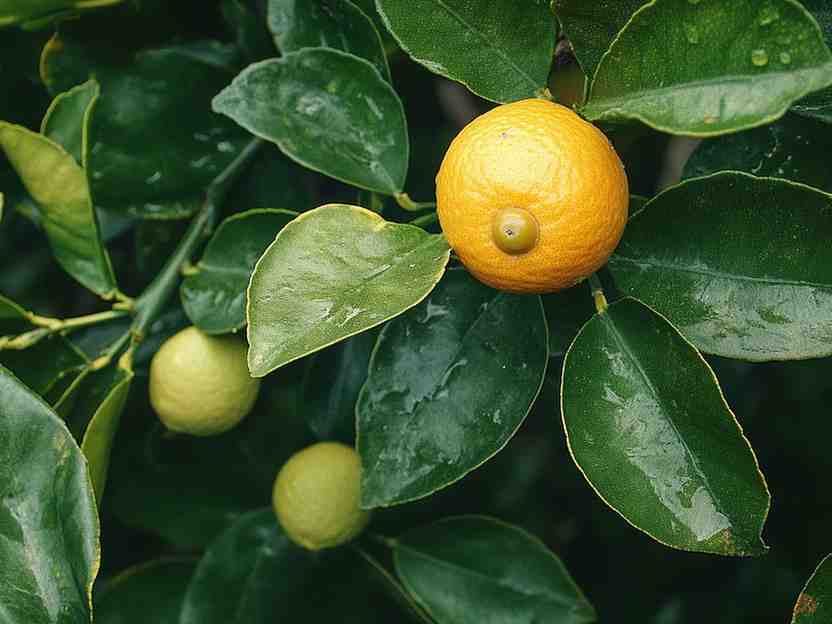
- Shape & Size – Round to slightly oval, often broader than it is long.
- Rind –
- Color varies from greenish-yellow to deep yellow-orange when fully ripe.
- Texture ranges from slightly rough to medium-rough, giving it a firm, leathery peel.
- Flesh & Taste –
- The pulp is yellow-orange, offering a unique sweet-acidic balance.
- Unlike lemons, it has a milder tartness with subtle floral notes.
- Seed Content – Typically seedless or containing very few seeds compared to standard lemons.
Distinctive Features Compared to Other Citrus Varieties
1. Difference from Standard Lemons (Citrus Limon)
- Lemon: Strong acidity, sharp tartness.
- Moroccan Limetta: Milder acidity, slight sweetness, more balanced flavor.
2. Difference from Key Limes (Citrus Aurantifolia)
- Key Lime: Small, highly acidic, often with a bitter aftertaste.
- Moroccan Limetta: Larger, less acidic, with a delicate citrus aroma.
3. Moroccan Limetta’s Unique Attributes
✅ Sweeter than most lemons and limes
✅ Less acidic, making it ideal for mild citrus applications
✅ Used primarily for preservation rather than fresh consumption
Preservation Methods: The Role of Citrus Limetta in Moroccan Cuisine
One of the most important culinary uses of Moroccan Limetta is in Limon Mssayer (preserved lemons), a staple in Moroccan gastronomy.
Traditional Preservation Process
- Selection of the Fruit – Only firm, unblemished Limetta fruits are chosen.
- Salt Curing –
- Fruits are cut into quarters but not fully separated.
- Coarse salt is packed into the cuts to draw out moisture.
- Fermentation in Jars –
- The salted Limetta is packed tightly into glass jars.
- A small amount of freshly squeezed Limetta juice is added.
- Aging Process –
- Stored for 3 to 4 weeks until the peel softens.
- The taste transforms into an intense citrus-salty blend.
🔹 Why Moroccan Limetta?
- Its low acidity and subtle sweetness enhance the depth of the preserved flavor.
- Its thicker rind withstands long fermentation better than thinner lemons.
Uses of Preserved Moroccan Limetta in Traditional Dishes
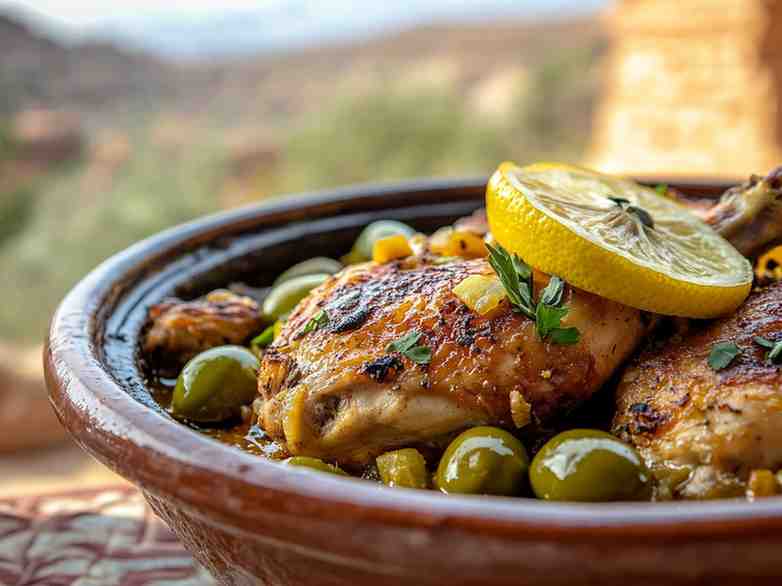
- Tagines –
- Enhances lamb and chicken tagines with an aromatic, briny citrus essence.
- Salads & Mezzes –
- Adds a bright, slightly tangy punch to Moroccan cold dishes.
- Stews & Soups –
- Provides balance in spiced Moroccan harira and lentil soups.
- Pickled Condiments –
- Used alongside olives and capers for depth in preserved foods.
B’kola (Bkola) – A Traditional Moroccan Dish
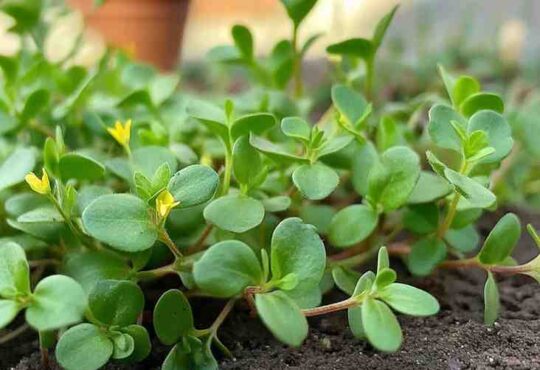
B’kola (Bkola) is a classic Moroccan dish prepared using a variety of leafy greens, depending on regional and seasonal availability. The most commonly used leaves include Khobiza (Malva sylvestris), Rejla (purslane), Barba/Banjar (red beet leaves), and Selq (sea beet leaves). These greens are slowly cooked with olive oil, garlic, and a blend of spices, creating a soft, rich, and flavorful dish.
A defining characteristic of B’kola is the addition of citron confit (preserved lemon), which is always included—not as a main ingredient but to enhance the dish with a subtle citrusy aroma and as a decorative touch. Served as a mezze or side dish, B’kola is a staple of Moroccan cuisine, valued for both its taste and nutritional benefits.
Botanical Description of Citrus Limetta
Citrus Limetta, also known as Moroccan Limetta, Sweet Lime, or Mousami, is a small, thorny citrus tree that thrives in tropical and subtropical climates.
Tree Characteristics
- Height: Can grow up to 8 meters (26 feet).
- Branches: Irregular, with a relatively smooth brownish-grey bark.
- Leaves:
- Petioles: Narrowly winged, about 8 mm long.
- Leaflets: Acuminate (pointed tip), typically 50 mm long & 28 mm wide.
Fruit Characteristics
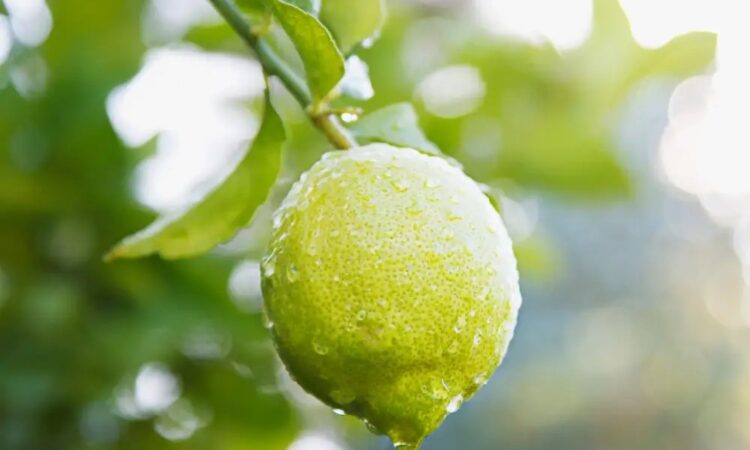
- Shape & Size: Small and round, about the size of a tennis ball.
- Peel:
- Starts green, ripening to yellow.
- Texture: Smooth to slightly rough, with a thin pith (5 mm thick).
- Pulp: Greenish-yellow, resembling a greenish orange more than a lime.
- Juiciness: The heaviest fruits are the juiciest, while light fruits tend to be underripe.
🟢 Key Differentiators: Unlike limes and lemons, Moroccan Limetta has a sweet-acidic balance with a mild, floral aroma.
Phytochemical Composition & Medicinal Benefits
Key Bioactive Compounds in Citrus Limetta
Citrus Limetta contains powerful phytochemicals that provide a range of health benefits:
✅ Vitamin C (Ascorbic Acid) – 50 mg per 100 g, boosts immunity & collagen production.
✅ Flavonoids (Hesperidin & Rutin) – Anti-inflammatory, supports heart health.
✅ Limonin & Citral – Antimicrobial properties, aids detoxification.
✅ Linalool & Limonene – Found in the peel, promotes relaxation & stress relief.
🔸 Did You Know? The phytochemical Limonin can make the juice turn bitter if left exposed to air for too long!
Medicinal Properties of Moroccan Limetta
Traditional Uses in Morocco & North Africa
- Digestive Aid: Moroccan herbalists recommend fresh Limetta juice to soothe upset stomachs.
- Cold & Flu Remedy: Often mixed with honey, ginger, and mint for treating colds.
- Detoxifier: Consumed to cleanse the liver and blood.
- Stress Relief: The peel’s essential oils are used in Moroccan aromatherapy and herbal baths.
Scientific Health Benefits
🟢 Boosts Immunity – High vitamin C levels strengthen the immune system.
🟢 Aids Digestion – Helps neutralize acidity & soothe the stomach.
🟢 Promotes Hydration – Natural electrolytes prevent dehydration.
🟢 Supports Heart Health – Flavonoids & limonoids reduce inflammation in blood vessels.
Culinary Uses of Citrus Limetta
Traditional Moroccan Uses
- Limon Mssayer (Preserved Limetta):
- Used in tagines, stews, and salads.
- Provides a mild citrusy brininess.
- Herbal Infusions & Teas:
- Dried Limetta peel is often infused with mint or green tea.
- Fresh Juices & Syrups:
- Blended into Moroccan citrus cocktails.
Flavor Profile & Cooking Applications
🔹 Taste: Mildly sweet with low acidity, resembling a mix of limeade and pomelo.
🔹 Beverage Use: Ideal for non-alcoholic infusions or citrus mixers for vodka/rum.
Ethnobotanical & Global Uses of Citrus Limetta
Citrus Limetta is widely used across different regions, known by various names and used in traditional medicine, food, and beverages.
Mediterranean & North African Uses
- Morocco, Tunisia, & Algeria:
- Used in couscous sauces, teas, and pickling.
- Turkey & Greece:
- Infused into light citrus liqueurs and desserts.
Middle Eastern Uses
- Iran:
- Known as Limu Shirin, used in herbal teas and natural cold remedies.
- Egypt & Lebanon:
- Sometimes used in sugar syrups for Middle Eastern desserts.
South Asian Uses (India, Pakistan, Bangladesh, Nepal)
- India (Mousami / Mosambi):
- Most common citrus juice in India, sold at roadside stalls.
- Used in Ayurvedic medicine for liver detox.
- Pakistan & Bangladesh:
- Added to sweet sherbets and mild curries.
Latin American Uses
- Mexico & Brazil:
- Used in sweet lime-based aguas frescas and cocktails.
- Caribbean:
- Sometimes used as a fermented citrus remedy for stomach issues.
Southeast Asia
- Thailand & Vietnam:
- Used in tropical fruit salads and citrus soups.
Storage & Preservation of Moroccan Limetta
- Room Temperature: Lasts up to 2 weeks.
- Refrigeration: Keeps fresh for 4 to 8 weeks.
- Juice Storage: Frozen juice lasts up to 6 months.
- Preventing Bitterness: Avoid leaving cut fruit exposed to air, as Limonin can make it bitter.
Tips & Notes on Moroccan Limetta
| Category | Tips & Notes |
|---|---|
| Selecting the Best Limetta | – Look for yellow-green skin with a smooth, slightly rough texture. – Heavier fruits indicate higher juice content. – Gently scratch the peel—a strong citrus aroma means it’s ripe. – Avoid wrinkled, light, or brownish fruits, as they may be underripe or overripe. |
| Storage Methods | – Room Temperature: Keeps fresh for up to 2 weeks. – Refrigeration: Stays fresh for 4 to 8 weeks in a breathable bag. – Freezing Juice: Store in an airtight container for up to 6 months. – Freezing Slices: Prevent bitterness by submerging slices in sweet syrup before freezing. |
| Best Ways to Use Limetta | – Drink freshly squeezed juice immediately to avoid bitterness from oxidation. – Use thin slices in salads for a mild citrus touch. – Add to soups, stews, and tagines for a delicate citrus depth. – Dry the peels for tea infusions, spice blends, or potpourri. |
| Preservation Techniques | – Limon Mssayer (Preserved Limetta): Store whole Limetta in salt brine for months. – Candied Peel: Coat dried peels in sugar syrup for sweet Moroccan treats. – Dried Limetta Powder: Use as a spice blend in sauces and marinades. |
| Avoiding Bitterness | – Do not let the juice sit out too long—limonin causes bitterness when oxidized. – Use fresh slices rather than storing cut fruit for long periods. – For smooth juice, remove seeds before blending. |
| Best Culinary Combinations | – Pairs well with: Moroccan spices (cumin, cinnamon, coriander). – Enhances: Garlic-based marinades and olive dishes. – Blends beautifully with: Other citrus like oranges and bergamot. |
| Health & Medicinal Uses | – Digestive Aid: Drink with warm water after meals. – Cold Remedy: Mix with honey and ginger for a natural flu treatment. – Stress Relief: Use dried peels for aromatherapy. |
Frequently Asked Questions (FAQ) About Moroccan Limetta
1. How is Moroccan Limetta different from lemons and limes?
- Unlike lemons (Citrus limon) or key limes (Citrus aurantifolia), Moroccan Limetta is sweeter, milder, and less acidic.
- Its flavor is more floral and delicate, resembling a mix between limeade and pomelo.
2. Why does Limetta juice turn bitter after a few minutes?
- This is due to the presence of Limonin, a natural compound that oxidizes when exposed to air.
- To prevent bitterness, drink freshly squeezed juice immediately.
3. Can Limetta be used as a substitute for lemons?
- Yes, but with modifications. Moroccan Limetta lacks strong acidity, so it is best suited for milder dishes, desserts, or fresh drinks rather than tart applications.
4. Is Citrus Limetta good for digestion?
- Yes, it is traditionally used in Moroccan and Ayurvedic medicine as a natural digestive aid.
- Its low acidity and mild citrus oils help soothe the stomach and balance digestion.
5. How is Citrus Limetta used in herbal medicine?
- It is widely used in Iran, India, and Morocco for:
- Treating colds and flu with honey and ginger.
- Acting as a natural detoxifier for the liver.
- Reducing stress and anxiety through citrus aromatherapy.
6. What is the best way to preserve Citrus Limetta?
- For long-term storage: Preserve it in salt (Limon Mssayer).
- For fresh use: Keep it refrigerated to retain moisture and flavor.
- For herbal remedies: Dry the peels for infusions and medicinal teas.